AXA Travel Insurance Review - Is It Worth Your Money
Best Travel Insurance

AXA Travel Insurance Review: Is It Worth Your Money?

Travel insurance: the one thing you buy hoping never to use. 

When I started looking into AXA Travel Insurance, I wondered, “Is this a safety net or a marketing gimmick in a fancy suit?” 

With its global reputation and promises of comprehensive coverage, AXA seems like a no-brainer. But as any seasoned traveller knows, the devil is in the details. And trust me, there are plenty of details.

Let’s see if AXA is really the dependable co-pilot it claims to be, or if you’re better off strapping in with a more adventure-ready option like Rise & Shield.

Buckle up. This AXA Travel Insurance review could get bumpy.

Ready? Let’s roll.

What Is AXA Travel Insurance

What Is AXA Travel Insurance?

Let’s be real. Travel insurance isn’t the most exciting part of trip planning, but it can be a total lifesaver when things go south. 

AXA is a well-known name in the travel insurance world, offering a range of policies to cover everything from a quick weekend escape to an epic, months-long adventure across the globe.

With AXA, you can choose from several plans based on your budget, destination, and how much risk you’re comfortable with. 

Whether you’re worried about losing your luggage or facing a hefty hospital bill abroad, AXA promises to have your back with coverage options that fit most travel scenarios.

But here’s the thing: big names don’t always mean big reliability. 

While AXA’s global presence gives them serious street cred, does that translate into real-world reliability when you need to file a claim or get emergency help? 

Spoiler alert: It’s a mixed bag. Some travellers swear by AXA, while others have faced frustrating delays and red tape when making claims.

So, is AXA the travel insurance superhero it claims to be? 

Let’s take a closer look at its pros and cons.

Ready for unlimited adventure? Get travel insurance that covers over 150 activities and 190 destinations.

Pros and Cons of AXA Travel Insurance

Like any travel insurance provider, AXA has its highs and lows. Let me break down the key pros and cons so you know exactly what you’re signing up for.

Pros:

  • Wide Range of Coverage Options: AXA offers several plan tiers, ensuring travellers can choose the right coverage based on their budget and destination.
  • Medical Emergency Coverage: Comprehensive medical coverage, including COVID-19 protection on some plans.
  • Travel Assistance Services: Access to a 24/7 helpline for emergency support and travel advice.

Cons:

  • Claim Processing Complaints: Some customers report slow claim processing times and bureaucratic red tape.
  • Coverage Gaps in Basic Plans: Entry-level policies can lack essential coverage and require upgrades.
  • Complex Policy Details: AXA’s policy documents can be difficult to interpret due to industry jargon.

Still interested in this AXA Travel Insurance review? Great.

Next up: what’s included in AXA’s travel insurance coverage?
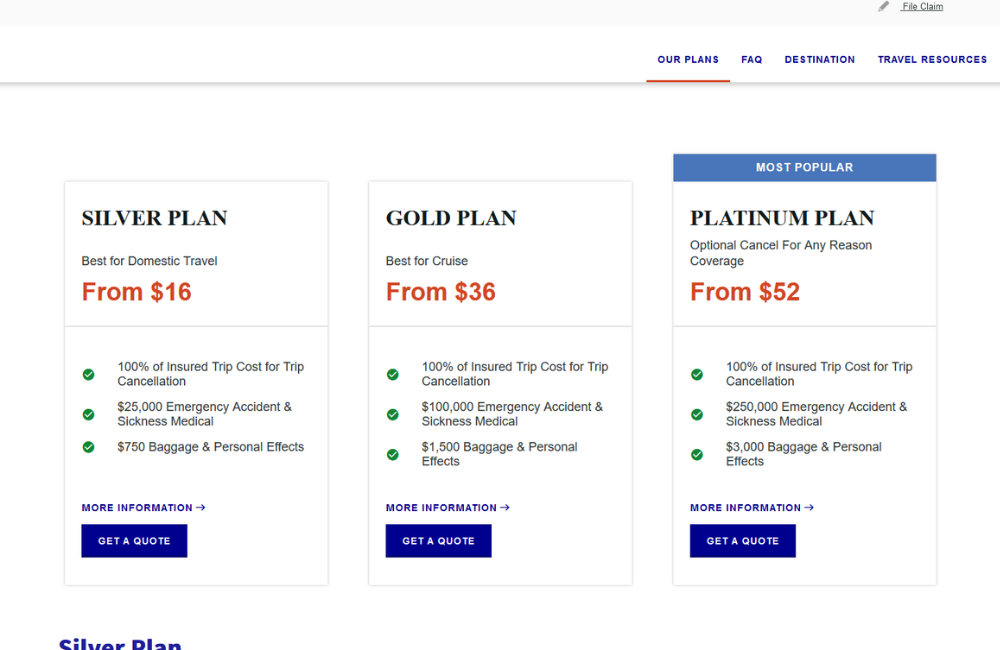
What's Included in AXA Travel Insurance Policies

What's Included in AXA Travel Insurance Policies?

When I’m planning a big trip, the last thing I want is to think about what could go wrong. But, let’s be honest, travel can be unpredictable.

AXA offers a range of coverage options designed to handle common travel disasters, though you’ll want to dig into the fine print before counting on them. 

Here’s a closer look at what’s included in most AXA travel insurance plans, and why these features matter when you’re on the move:

Medical Expenses

Getting sick or injured abroad is a nightmare scenario. AXA covers emergency medical and dental expenses, which can save you from sky-high hospital bills. 

But keep in mind, "emergency" is the key word here—you’re not covered for routine checkups or pre-existing conditions unless you’ve paid for an upgrade.

Ready for unlimited adventure? Get travel insurance that covers over 150 activities and 190 destinations.

Trip Cancellations or Delays

AXA promises reimbursement if your trip gets cancelled or delayed for a covered reason—think natural disasters, sudden illness, or airline strikes. 

Just be ready to prove everything with documentation (and lots of patience).

Non-refundable flights and hotel bookings can add up fast. If you’re planning a dream trip, this coverage can help you avoid losing thousands if the unexpected happens—just don’t expect it to cover "I changed my mind" cancellations.

If that sounds like you, rather opt for a Travel Insured International policy as they have “Cancel for Any Reason” cover.

Lost or Delayed Luggage

Lost or Delayed Luggage

We’ve all had that sinking feeling watching the baggage carousel spin with no sign of our luggage. 

AXA covers lost or delayed bags, though the amount they’ll reimburse depends on your plan. 

My Pro Tip: Take photos of your bags and keep receipts for expensive gear.

Whether it’s your hiking boots or laptop, replacing essential items while travelling can get ridiculously expensive. AXA helps take the sting out of lost luggage, but be prepared to wait a while for that payout.

Personal Liability

This one’s often overlooked but super important. If you accidentally damage someone’s property or cause an injury while abroad, AXA’s personal liability coverage steps in (up to a certain limit, of course).

Imagine renting a car and scratching it—or worse, causing an accident. Without liability coverage, you’d be on the hook for repair costs or medical bills that could ruin more than just your trip.

Adventure Sports Add-ons

Adventure Sports Add-ons

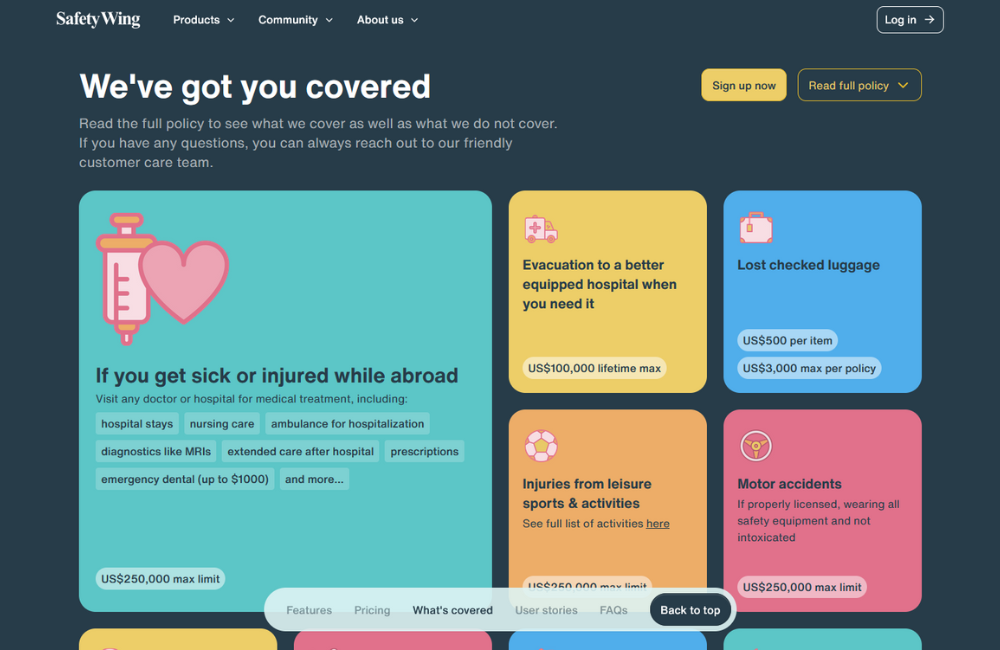
Love thrill-seeking? AXA offers add-ons for activities like skiing, scuba diving, and even bungee jumping. 

Just know that "extreme sports" coverage can be surprisingly limited, and not every activity you consider adventurous will make the cut.

If you’re chasing adrenaline on your travels, basic AXA insurance won’t cut it.

Double-check that AXA’s adventure sports coverage actually includes your planned activities, or you could end up footing a hefty medical bill if something goes wrong.

My opinion? Rise & Shield offers coverage for over 151 adventure activities. Definitely worth a look if you want an AXA travel insurance alternative.

Let’s continue my AXA Travel Insurance review. I did some digging to find out what’s not covered by AXA.
What's Not Covered by AXA Travel Insurance

What's Not Covered by AXA Travel Insurance

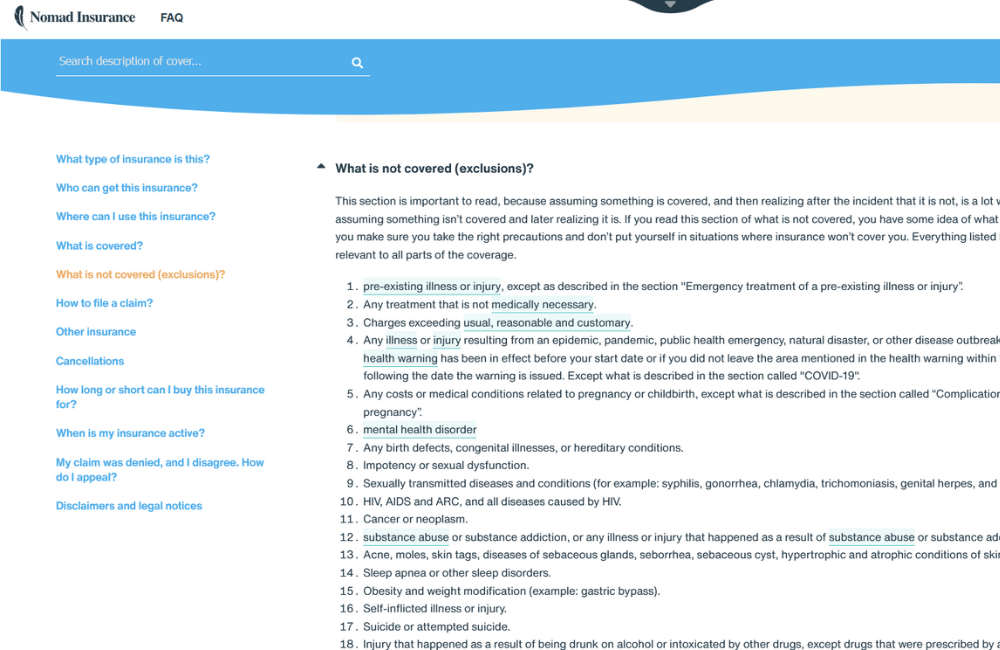
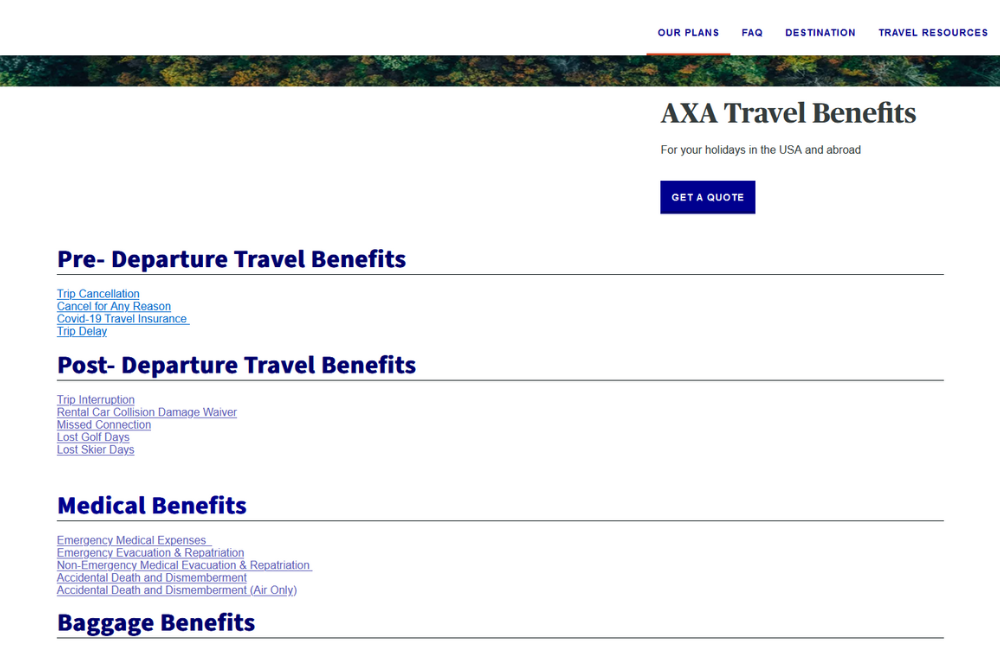
Travel insurance isn’t a magic shield that covers everything. AXA’s policies come with a list of exclusions that could leave you footing the bill if you’re not careful. Here’s what you need to watch out for:

Pre-existing Medical Conditions

Unless you’ve declared and paid extra for specific coverage, AXA won’t cover pre-existing medical conditions. 

Even then, approval can be tricky depending on the condition’s severity and stability before your trip.

If you have a chronic illness (looking at my diabetes) or past health issues, you could be stuck paying out of pocket if something flares up while travelling. 

High-Risk Activities

Think skydiving, high-altitude trekking, or even scuba diving beyond a certain depth—AXA considers many thrill-seeking activities “high-risk.” 

Some can be covered with adventure sports add-ons, but read the fine print. It’s not as comprehensive as it sounds.

You don’t want to find out after you’ve broken a leg base-jumping that your adventure wasn’t covered.

If adrenaline sports are part of your travel plans, make sure your policy has your back, or consider a more adventure-friendly insurer like Rise & Shield.

Travelling Against Government Advice

Travelling Against Government Advice

Heading to a country flagged by your government’s travel advisory? You’re on your own. 

AXA won’t cover trips to the most dangerous places to travel, no matter how adventurous (or necessary) your visit might be.

But there’s more.

Political instability, natural disasters, or disease outbreaks can prompt sudden travel bans. If your dream trip is in a higher-risk location, consider a more flexible insurance option. Or better yet, reschedule for safer times.

Ready for unlimited adventure? Get travel insurance that covers over 150 activities and 190 destinations.

Intentional Negligence

Accidents happen, but AXA draws the line at incidents caused by reckless behaviour. That includes anything from over-the-top partying (looking at you, tequila shots) to ignoring posted safety signs or engaging in risky behaviour.

If you’re caught acting irresponsibly—especially under the influence—you can kiss your coverage goodbye.

Okay, now we’ve looked at what’s not covered by the standard AXA travel policy. Next in this review, let me teach you how to get and use AXA Travel Insurance cover.
Using an AXA Travel Insurance Policy

Using an AXA Travel Insurance Policy

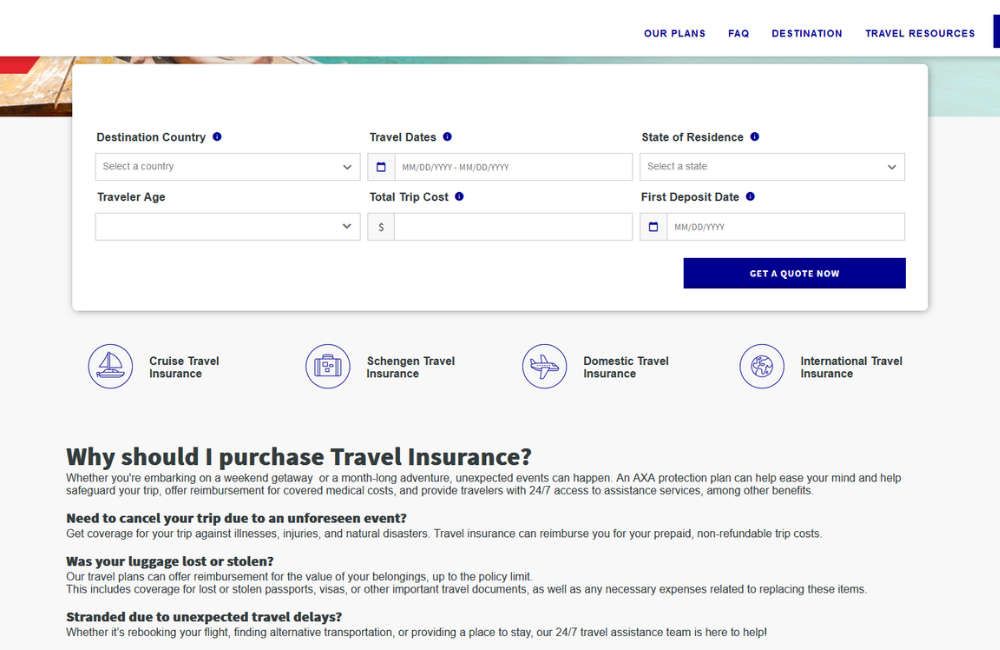
If you go with AXA, here’s how to get started, customise your coverage, and stay ready for any travel curveballs.

Step 1: Get an AXA Travel Insurance Quote

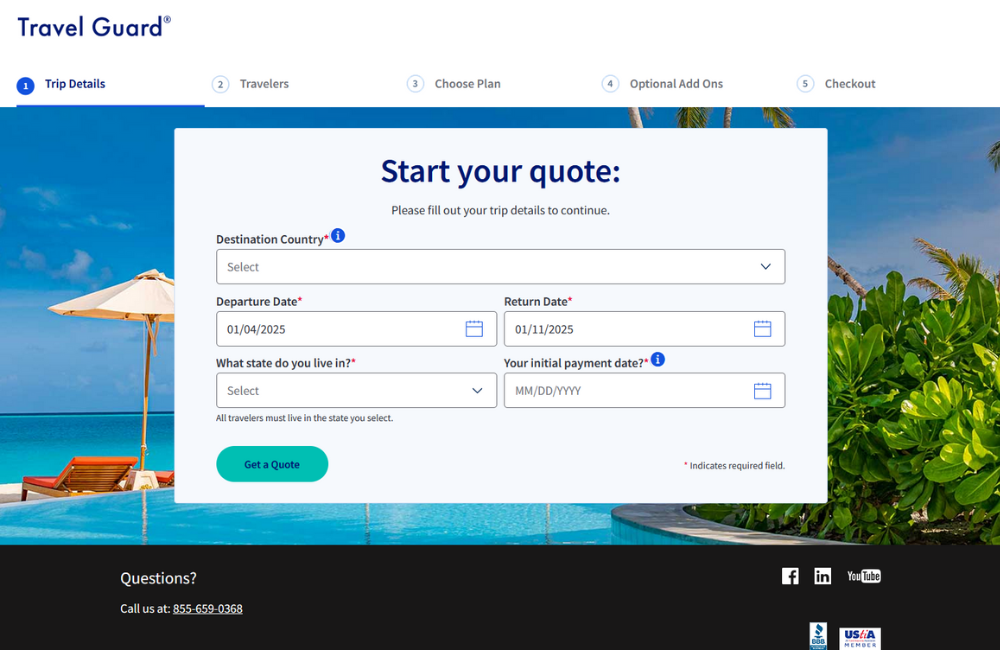
The first step is getting a travel insurance quote through AXA’s website

Be ready to enter your trip details, including travel dates, destinations, and the number of people you’re covering. The system will generate several policy options based on what you enter.

My Pro Tip: Be specific about your activities. If you’re planning something adventurous like backpacking or snowboarding, don’t assume it’s covered. Make sure to check the “adventure sports” add-on if needed.

Ready for unlimited adventure? Get travel insurance that covers over 150 activities and 190 destinations.

Step 2: Customise Your AXA Travel Coverage

Once you’ve got your quote, take time to customise your policy. AXA lets you adjust coverage levels for medical emergencies, trip cancellations, and luggage protection. You can also add extras like rental car insurance or winter sports coverage.

Step 3 - Manage Your AXA Travel Policy

Step 3: Manage Your AXA Travel Policy

After purchasing, keep your insurance details handy. Print out your policy documents or save them as PDFs on your phone (I recommend both)

AXA also has an app where you can manage your policy, check coverage details, and file claims.

My Pro Tip: Save important numbers. Add AXA’s 24/7 helpline and claims service to your phone’s contact list before you leave. In an emergency, you won’t want to waste time digging through old emails.

Using AXA’s travel insurance isn’t rocket science, but knowing the process before you need it can save valuable time when you’re abroad. 

Of course, if you want insurance that’s easier to manage and more adventure-friendly, you might want to check out Rise & Shield instead.

And that begs the question, what do we do if we need to file a claim with AXA? Here’s what I learned.
Filing a Claim with AXA Travel Insurance

Filing a Claim with AXA Travel Insurance

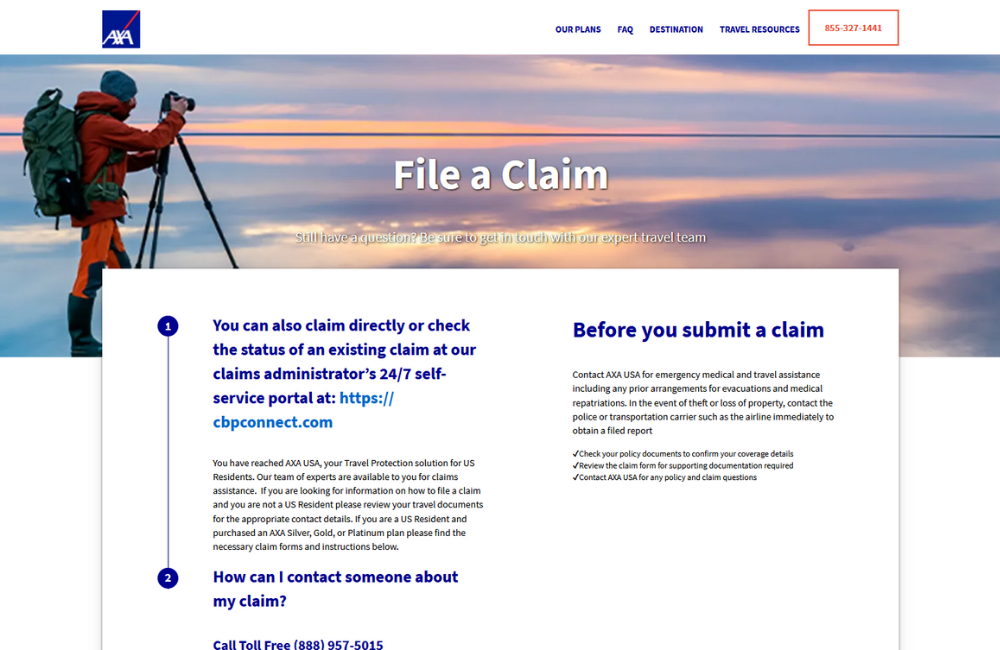
AXA has an online claims portal, which sounds convenient. But, based on customer reviews, patience and persistence might be your best travel companions. 

Here’s how to file a claim with AXA Travel Insurance:

Step 1: Gather Your Documents

Before you even think about submitting a claim, make sure you’ve collected all the necessary paperwork. This includes:

  • Receipts for expenses like hotel bookings, medical treatments, or replacement items for lost luggage.
  • Police Reports for theft or lost property (file one ASAP if something is stolen).
  • Medical Certificates from doctors or hospitals detailing treatments received.

My Pro Tip: Take photos of everything. Snap pictures of receipts, boarding passes, or even damaged items. Having digital backups can save you from a claim rejection due to "missing documents."

Step 2: Submit the Claim Online

AXA’s online claims portal is your go-to place for submitting claims. Create an account, fill out the required forms, and upload your supporting documents. 

Be as detailed as possible when explaining what happened. It could speed up the process.

Don’t wait until you’re back home if you can help it. Claims filed quickly after the incident are often processed faster.

Step 3 - Follow Up (and Be Persistent)

Step 3: Follow Up (and Be Persistent)

After submitting your claim, don’t assume the job is done. 

AXA is known for its slow claims processing—some travellers have waited weeks (or even months) for a resolution. Set reminders to follow up regularly and keep notes of every interaction.

Here’s how I deal with this:

Stay polite but firm. Keep emails professional and clear. If you’re getting nowhere, consider escalating your claim through AXA’s complaints process or involving a travel ombudsman if needed.

All good? Excellent. Let’s continue my AXA Travel Insurance review by looking at what other travellers have to say about this cover.
Other Online Reviews of AXA Travel Insurance

Other Online Reviews of AXA Travel Insurance

When it comes to AXA Travel Insurance, customer experiences are a mixed bag. 

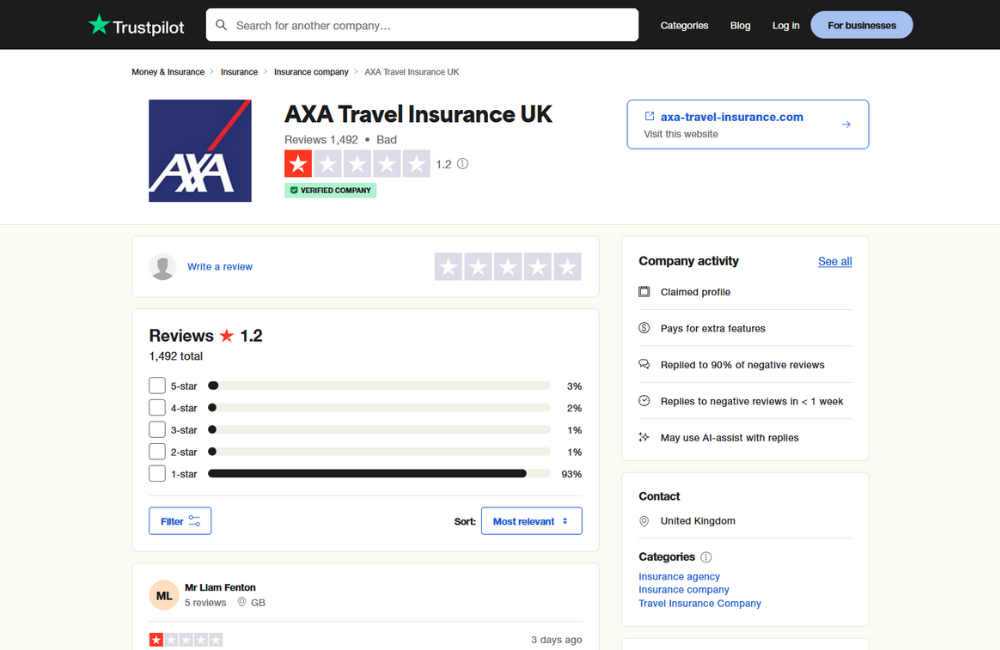
On Trustpilot, AXA holds a 1.2 out of 5-star rating, with 93% of the 1,492+ reviews falling into the "Bad" category. 

Common complaints include prolonged claims processing and unresponsive customer service. For instance, one reviewer mentioned waiting over a year for claim resolution, despite multiple follow-ups.

Similarly, the Better Business Bureau (BBB) reflects these concerns. 

AXA Assistance is not BBB accredited and has a customer review rating of 1.63 out of 5 stars, based on 19 reviews. 

Customers frequently report issues with claim denials and delays.

One customer shared that after a flight delay necessitated booking a new international flight, their claim filed in February 2022 remained unresolved as of November 2022, despite numerous attempts to contact the company.

TL;DR:

While AXA is a well-established name in the insurance industry, the reviews I found highlight potential challenges in their claims process and customer service. 

It's crucial to thoroughly read and understand the policy details and consider these experiences when choosing a travel insurance provider. 

Ready to wrap up this review? Let’s do it.

My Final Verdict

My Final Verdict

So, would I recommend AXA Travel Insurance as the best travel insurance for you?

It depends.

If you’re after a well-known insurance provider with solid coverage options and don’t mind navigating some red tape, AXA could work for you. 

Their wide range of policies and optional add-ons for adventure sports are definite pluses if you’re willing to read the fine print and stay persistent during claims.

But if you want travel insurance built for adventure seekers, with faster claims processing and fewer coverage loopholes, it might be worth exploring AXA alternatives like Rise & Shield, World Nomads, or even AIG

For instance, designed with adventurers in mind, Rise & Shield keeps things simple and transparent. The result? You can spend more time exploring and less time untangling insurance jargon.

Ready for unlimited adventure? Get travel insurance that covers over 150 activities and 190 destinations.

My Final Thoughts

And there you have it: This concludes my AXA Travel Insurance review. My opinion? I’ll stick to favourites, like Rise & Shield as they’ll cover every adventure I have in mind. What about you?
Read More
Travel Insured International Review_ Is This the Safety Net You’re Missing
Best Travel Insurance

Travel Insured International Review: Is This the Safety Net You’re Missing?

Travel insurance is like packing an umbrella. It’s annoying until you need it. 

One minute, you’re living your best life on vacation, and the next, a cancelled flight or a surprise hospital visit flips everything upside down.

That’s when travel insurance steps up and has your back. One such safety net is Travel Insured International.

But is Travel Insured International really the safety net you’ll be glad to have? 

In my Travel Insured International review, I talk about the good, the bad, and the “they covered that?” moments. Why? So you know what to expect when the unexpected happens.

Ready? Let’s roll.

What Is Travel Insured International

What Is Travel Insured International?

Alright, let’s kick this off. Travel Insured International (TII) is one of those companies that promises to have your back when things go sideways on a trip. 

From trip cancellations to medical emergencies, they offer a range of plans designed to cover most of the “Oh no!” moments travellers dread.

They’ve been around for a while and are known for their comprehensive plans. But is it all sunshine and rainbows? Well, let’s find out together.

Ready for unlimited adventure? Get travel insurance that covers over 150 activities and 190 destinations.
Pros and Cons of Travel Insured International

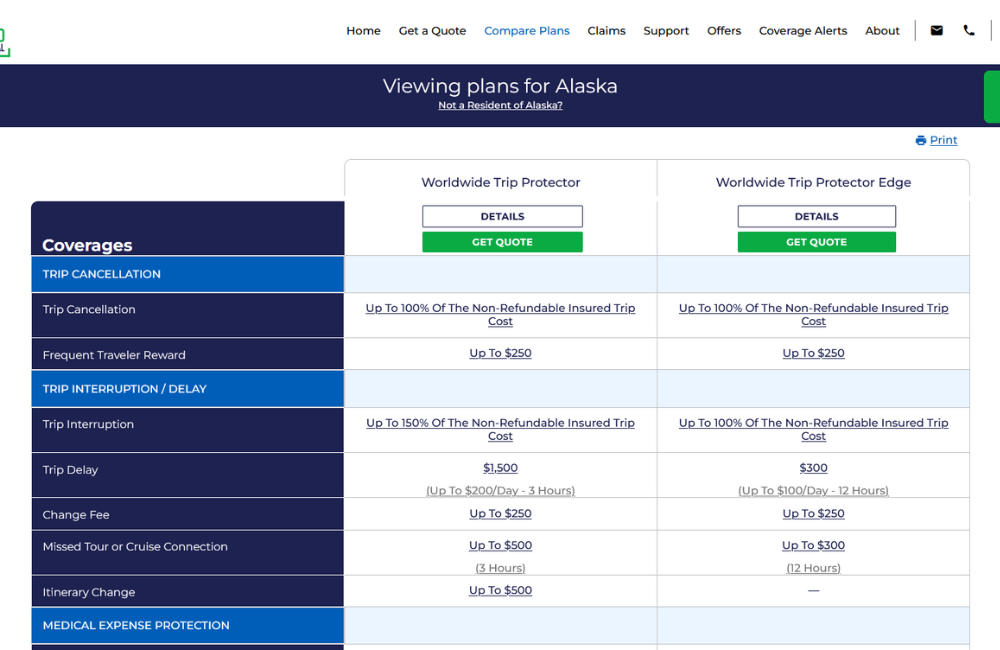
In a rush? Got no time for a detailed Travel insured International review? Here are the TII pros and cons you should be aware of.

Pros:

  • Comprehensive Coverage: TII doesn’t mess around with its policies. Their plans include benefits like trip cancellation, medical emergencies, baggage loss, and even travel delays. Basically, they’re aiming to cover Murphy’s Law.
  • Customisation Options: Need something specific? TII lets you tweak your plan with add-ons like Cancel for Any Reason (CFAR) or adventure sports coverage. Perfect if you’re planning on skydiving in New Zealand or snorkeling in the Maldives.
  • 24/7 Customer Support: You can call them anytime. Whether you’re stranded in an airport or trying to figure out if your lost luggage qualifies for reimbursement, their team is there to help.
  • Reputable Underwriters: Their policies are backed by Crum & Forster, which is a big name in the insurance world. Translation? They’ve got the financial muscle to pay claims.

Cons:

  • Higher Costs: The phrase “you get what you pay for” definitely applies here. Their comprehensive plans aren’t cheap, so budget travellers might feel the sting.
  • Claim Process Can Be Tedious: Filing a claim isn’t exactly a walk in the park. You’ll need to provide all the receipts and documentation. Miss something? Good luck.
  • Pre-Existing Condition Exclusions: Like most travel insurers, TII doesn’t automatically cover pre-existing medical conditions unless you purchase a waiver. That’s an extra step (and cost) you’ll need to factor in.
  • Mixed Customer Reviews: Some folks rave about TII, while others…not so much. Complaints about denied claims and long processing times aren’t uncommon. We’ll get into that in a bit.

With that wrapped up, let’s continue this Travel Insured International review by looking at what’s included and excluded in their typical travel policies.

What's Included in Travel Insured International Policies

What's Included in Travel Insured International Policies?

Let’s get into the nitty-gritty. Travel Insured International (TII) offers a range of benefits, and while their plans vary, here’s what most of their popular options include:

Trip Cancellation and Interruption

This one’s the bread and butter of travel insurance. 

If you have to cancel or cut your trip short for a covered reason (think illness, a family emergency, or that pesky hurricane), TII reimburses your non-refundable costs—like flights, hotels, and tours.

Here’s the catch: “covered reasons” are pretty specific. If your dog sitter bails last minute or you just don’t feel like going, you’re out of luck—unless you’ve sprung for the Cancel for Any Reason upgrade (more on that later).

Medical and Evacuation Coverage

Ever googled “hospital costs abroad”? Yeah, don’t. 

TII’s medical and evacuation coverage is a lifesaver—literally. 

It handles unexpected medical expenses, whether you twist your ankle on a cobblestone street or come down with something exotic you can’t pronounce.

If things get really serious, they’ll cover emergency evacuation to the nearest medical facility or even back home. But keep in mind, the coverage limits vary, so double-check those numbers if you’re heading somewhere remote or planning risky activities.

Baggage and Personal Effects

Baggage and Personal Effects

Lost luggage? Stolen passport? TII steps in to help. They’ll reimburse you for personal items up to a certain limit. It’s enough to replace the basics, but don’t expect them to fund a full-on shopping spree.

My Pro Tip: Hold on to your receipts. If you can’t prove what you had, you might be fighting for every dollar.

 And no, they won’t replace sentimental value—so maybe leave grandma’s heirloom necklace at home.

Travel Delay Benefits

Ever been stuck in an airport overnight? It’s the stuff of nightmares. If your flight’s delayed long enough (check your policy for the exact hours), TII reimburses expenses like food, lodging, and transportation.

It’s not glamorous, but hey, a hot meal and a hotel bed beat sleeping on the terminal floor. Just don’t expect them to cover every little inconvenience—minor delays won’t make the cut.

Ready for unlimited adventure? Get travel insurance that covers over 150 activities and 190 destinations.
Cancel for Any Reason (CFAR)

Now, this is the upgrade everyone talks about.

CFAR lets you cancel your trip for literally any reason—cold feet, bad vibes, whatever—and still get up to 75% of your costs back.

It’s pricey, though, and there’s a deadline to buy it (usually within 21 days of your first trip payment)

Personally?

If you’re a commitment-phobe or travelling during unpredictable times, it might be worth the splurge. Otherwise, you might find yourself paying extra for peace of mind you never use.

TII’s coverage is solid but far from perfect. 

It’s comprehensive enough for most travellers, but you need to read the fine print to understand exactly what’s covered—and what’s not. 

If you’re expecting a magical “fix everything” policy, this isn’t it. But for the big stuff? They’ve got you covered. Next, let’s look at what they don’t cover.

What's Not Covered by Travel Insured International

What's Not Covered by Travel Insured International

Ah, the fine print—where all the gotchas and exclusions live. 

While Travel Insured International (TII) offers solid coverage, there are limits. Here’s what you won’t find in their standard policies (and a few things to watch out for).

Pre-Existing Conditions

Got a medical condition that flares up on vacation? 

Unless you buy the pre-existing conditions waiver, you’re on your own. Without it, TII won’t cover anything related to health issues you’ve had before purchasing the policy.

The waiver is an extra cost, and there’s a deadline to add it (usually within 14-21 days of booking your trip)

If you’ve got a chronic condition like I do, this is one of those better safe-than-sorry upgrades.

Extreme Sports and High-Risk Activities

Extreme Sports and High-Risk Activities

Planning to go bungee jumping, scuba diving, or heli-skiing? Not so fast. 

Standard TII policies don’t cover “risky” activities unless you buy extra adventure sports coverage. Even then, some things might still be excluded.

My advice? Check the fine print before you book that adrenaline-filled excursion. Otherwise, check out Rise & Shield. We cover over 151 adventure activities.

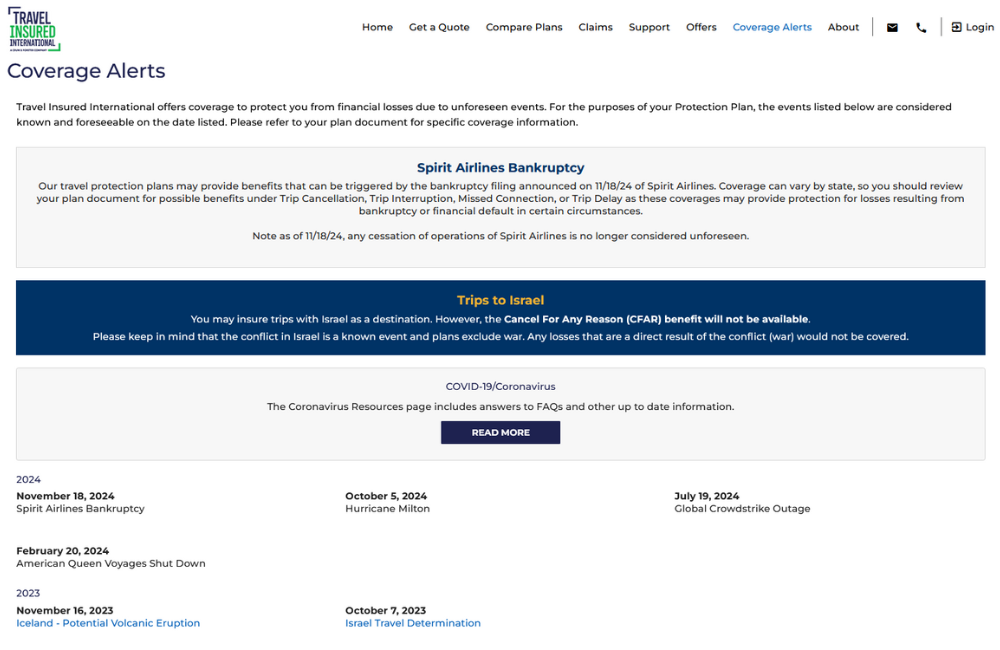
Pandemic-Related Cancellations

COVID-19 taught us a lot, including how tricky pandemic-related coverage can be. TII covers some COVID-related medical expenses and trip interruptions, but don’t expect a free pass for every pandemic problem.

For example, if your destination suddenly goes into lockdown, you might not be covered unless you’ve got Cancel for Any Reason (CFAR). 

It’s frustrating, but unfortunately, it's pretty standard in the travel insurance world.

Ready for unlimited adventure? Get travel insurance that covers over 150 activities and 190 destinations.
Neglect or Illegal Activities

Jumping fences to snap that “perfect” Instagram shot? Getting rowdy on a scooter after a few too many margaritas? If things go wrong, TII won’t be footing the bill.

Their policies explicitly exclude claims resulting from illegal or reckless behaviour. So, play it smart—and maybe save the risky moves for the movies.

So, does TII sound like the best travel insurance company around? Let’s first check out how to get a TII policy.

Using a Travel Insured International Policy

Using a Travel Insured International Policy

Getting and managing a Travel Insured International (TII) policy isn’t rocket science, but there are a few steps to make sure you’re covered when things go south. 

Let me break it down for you into three easy steps: getting your policy, customising your coverage, and managing it like a pro.

Step 1: Getting Your TII Travel Policy

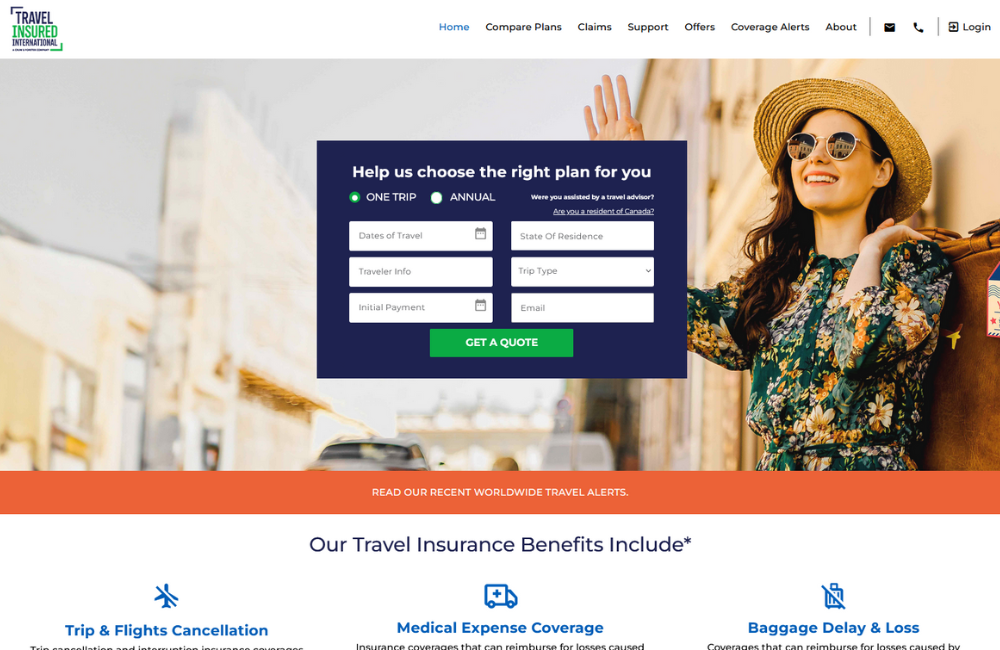
Start by heading to TII’s website. Choose a plan that fits your trip, whether it’s a quick weekend getaway or a multi-country extravaganza.

Once you’ve selected your plan, you’ll need to provide details about your trip—dates, destinations, and costs—and then, boom, you’re ready to pay. 

After checkout, they’ll send you all the documents via email.

My Pro Tip: Save these documents somewhere you won’t lose them. I like to keep a copy on my phone and in the cloud. If you’re a paper-lover, print a copy too. 

There’s nothing worse than scrambling for your policy number when things go sideways.

Ready for unlimited adventure? Get travel insurance that covers over 150 activities and 190 destinations.
Step 2: Customising Your Coverage

Want to add extra protection? TII offers a bunch of upgrades, from Cancel for Any Reason (CFAR) to adventure sports coverage. 

This is your chance to tailor your policy to your specific trip. Planning to snorkel in Thailand? Add that sports rider. 

Nervous about sudden cancellations? CFAR might be worth the splurge.

When customising, read the fine print carefully. Some upgrades (like CFAR) have time-sensitive windows for purchase—miss the deadline, and you’re out of luck.

My Pro Tip: If you’re unsure about what you need, don’t be shy—call their customer service. It’s better to ask too many questions now than to regret skipping coverage later.

Step 3: Managing Your Policy

Step 3: Managing Your Policy

Once you’ve got your policy locked in, managing it is simple—if you’re organised. Keep those policy docs handy, especially if you’re travelling through sketchy Wi-Fi zones.

Familiarise yourself with what’s covered and what’s not before you go. Nobody wants to find out mid-crisis that their scuba accident isn’t covered.

If disaster strikes and you need to file a claim, be prepared to provide proof—receipts, photos, reports, you name it. 

The more thorough you are, the smoother the process will be. And don’t wait until you’re home to start the claim; notify TII as soon as possible.

My Pro Tip: Add TII’s customer service number to your phone before you leave. If you’re stuck in an airport or hospital, you’ll thank yourself for having it on speed dial.

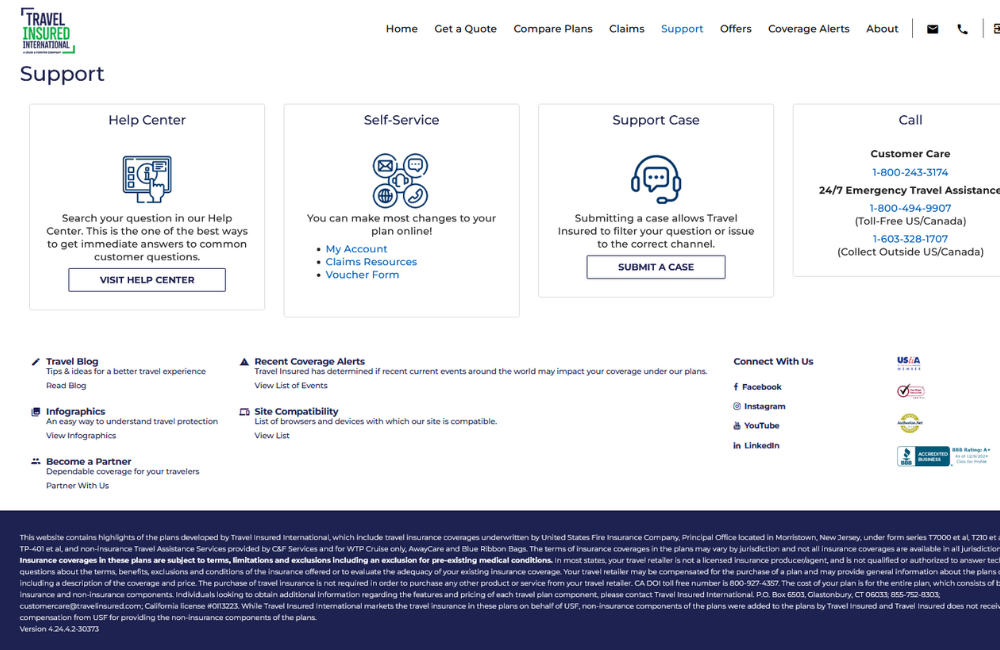
So what happens when you must make a claim with Travel Insured International? For this TII review, I checked out how their claims process works. Here’s what you can expect.

Filing a Claim with Travel Insured International

Filing a Claim with Travel Insured International

Ah, the dreaded claim process—where patience and paperwork collide. Filing a claim with Travel Insured International (TII) isn’t complicated, but it does require some effort. 

Here’s how it works and what to expect (spoiler: it’s not always quick).

Step 1: Gather Your Evidence

First things first, you’ll need proof—lots of it. TII won’t just take your word for it, so be ready to back up your claim with solid documentation. Here’s the usual checklist:

  • Receipts: For your trip expenses (flights, hotels, tours, etc.). If you don’t have receipts, now’s the time to start digging through your email.
  • Proof of the Issue: This could be a doctor’s note for medical claims, a police report for stolen items, or that dreaded flight cancellation notice for delays.
  • Photos or Videos: If you’re filing for lost or damaged luggage, photographic evidence of the damage (or the shiny, intact item you once owned) can go a long way.

Step 2: Fill Out the Claim Form

Next, you’ll need to complete TII’s claim form. It’s not the most thrilling task, but it’s pretty straightforward—just make sure you’re thorough. Missing details can delay the process, and trust me, you don’t want that.

My Pro Tip: Scan or take pictures of your documents before submitting them. If something gets lost in the shuffle, you’ll have backups ready to go.
Step 3: Submit and Wait (and Wait…)

Step 3: Submit and Wait (and Wait…)

Once your paperwork is complete, submit your claim online or via email. Then, the waiting game begins. 

Some claims are processed quickly—within a week or two—but others can take longer. Think “longer than a Monday morning after a holiday weekend” kind of long.

If your claim seems to be taking forever, don’t be afraid to follow up. A polite nudge can sometimes move things along. 

Just keep in mind, claims involving big-ticket items or medical evacuations often take more time because they require extra review.

Ready for unlimited adventure? Get travel insurance that covers over 150 activities and 190 destinations.
Step 4: Get Paid (Hopefully)

If your claim is approved, TII will reimburse you via direct deposit or check. 

But keep in mind, they’ll only pay for covered expenses. If something’s outside the scope of your policy, you won’t see a dime—so double-check what’s covered before you file.

If your claim is denied, don’t lose hope just yet. You can appeal the decision, but this will likely involve even more paperwork and patience.

So, this begs the question: What do other travellers have to say about Travel insured International? I did some digging.

Other Online Reviews of Travel Insured International

Other Online Reviews of Travel Insured International

So, what’s the buzz about Travel Insured International (TII) in the digital grapevine? Well, opinions are as varied as the souvenirs in a tourist trap.

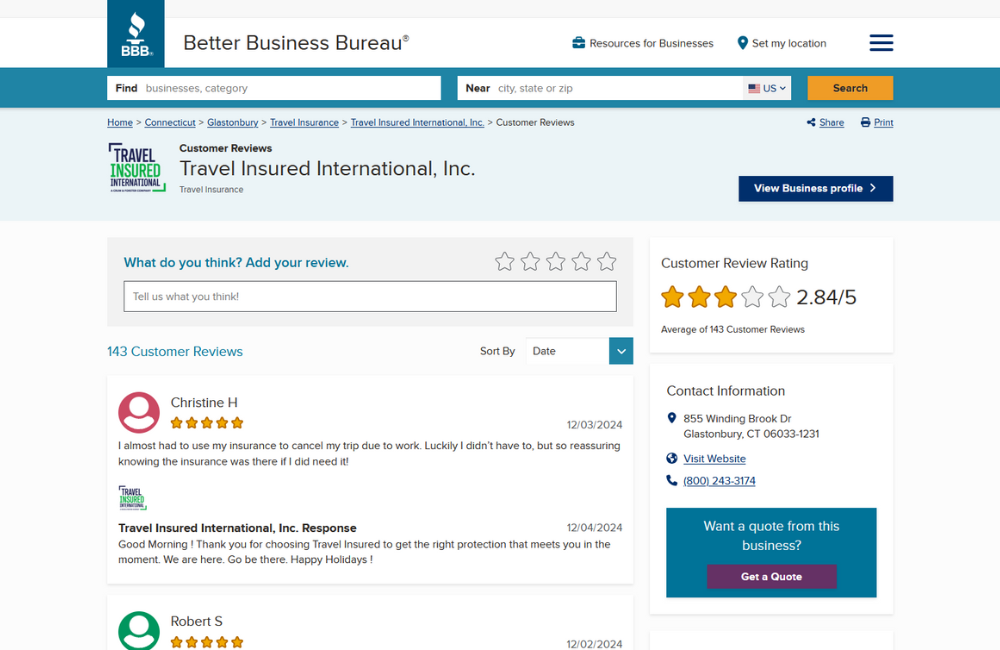
On the Better Business Bureau (BBB) website, TII holds an A+ rating, which sounds impressive.

However, customer reviews tell a more nuanced story, averaging around 2.84 out of 5 stars based on 143 reviews.

Common praises highlight the peace of mind their policies provide, with one customer noting, “I almost had to use my insurance to cancel my trip due to work. Luckily, I didn’t have to, but so reassuring knowing the insurance was there if I did need it!”

On the flip side, some customers express frustration over denied claims and the complexity of the claims process. 

One reviewer lamented, “Purchased this travel insurance for our family trip... All the receipts were sent to this company and no resolution. I called multiple times and always told the medical bill were done but they never sent me the confirmation of such.”

While TII’s coverage options receive nods of approval, the claims process appears to be a sticking point for some travellers.

As always, your mileage may vary, so it’s wise to read the fine print and perhaps keep your expectations in check.

Ready to wrap up my Travel Insured International review? Here’s my final verdict.

Travel insured International - My Final Verdict

My Final Verdict

So, would I recommend Travel Insured International? 

It depends. 

If you’re looking for solid coverage and don’t mind paying a bit more, TII is a great option. Their policies are packed with features, and the ability to customise is a huge plus.

But if you’re on a tight budget or don’t have the patience for a potentially tedious claims process, you might want to shop around or look at alternatives like AIG travel insurance.

Ready for unlimited adventure? Get travel insurance that covers over 150 activities and 190 destinations.
My Final Thoughts

And there you have it: This concludes my Travel Insured International review. While not as tricky as pitting Safetywing vs World Nomads, TII is still a delicate choice that requires some thinking before you commit. My opinion? I’ll stick to straightforward travel insurance like Rise & Shield.
Read More
AIG Travel Insurance Review: Is It Worth the Hype
Best Travel Insurance

AIG Travel Insurance Review: Is It Worth the Hype?

If you’re planning a big trip, travel insurance is hopefully on your checklist (or at least it should be).

But with so many options out there, how do you decide which one is the best fit for your adventure?

That’s where I come in!

I rolled up my sleeves, did some digging, and took a closer look at AIG Travel Insurance to see if it lives up to its reputation.

Spoiler alert: there’s a lot to unpack here.

Ready for my AIG travel insurance review

Let’s roll.

What Is AIG Travel Insurance

What Is AIG Travel Insurance?

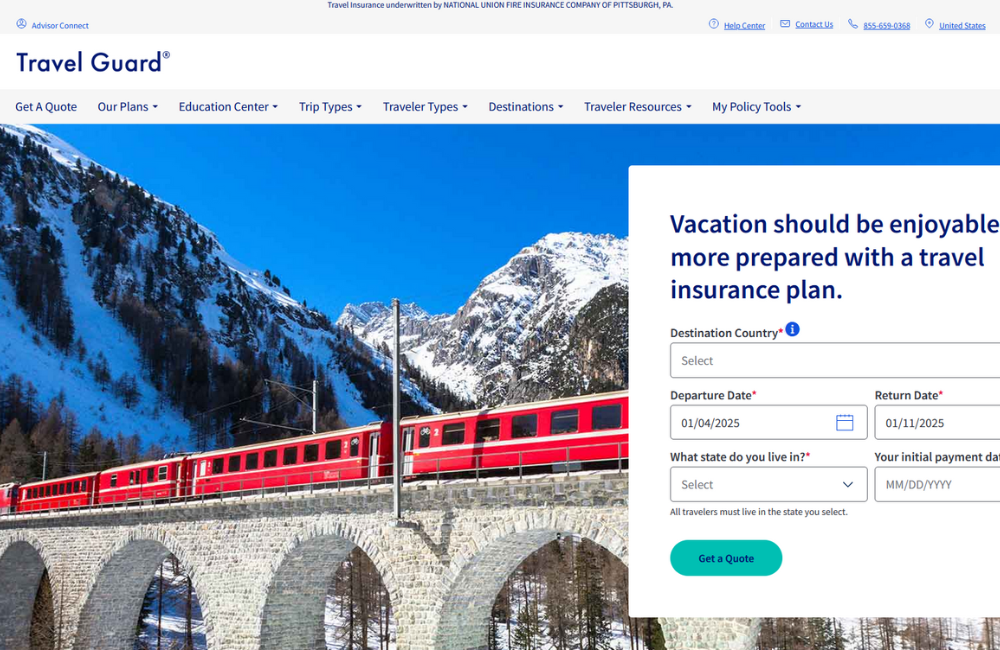
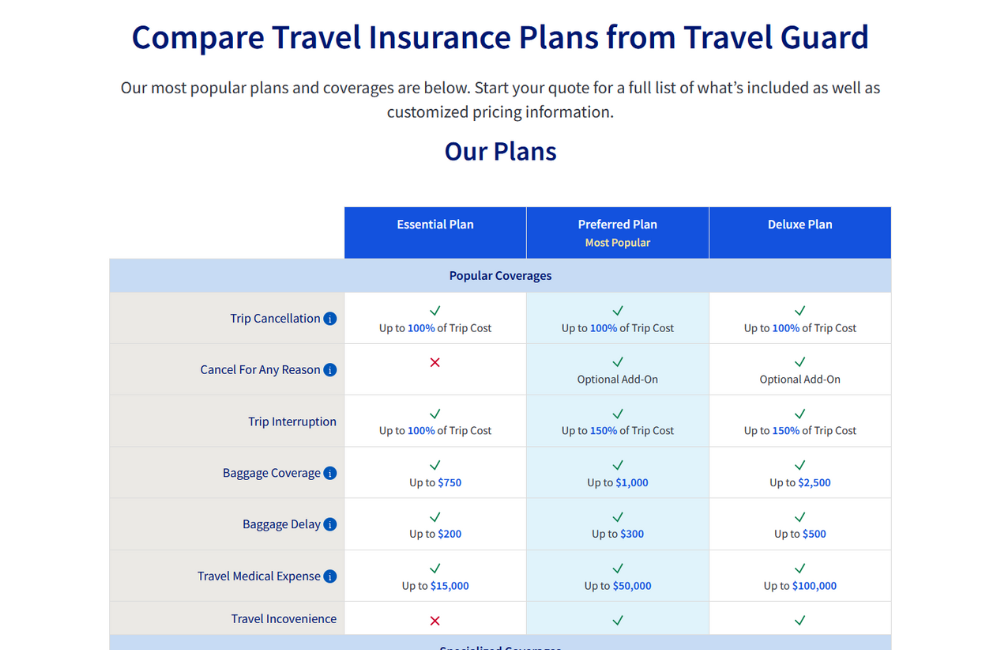
If you’ve looked into travel insurance, you’ve probably come across AIG’s Travel Guard

They’re one of the big players in the insurance world, and their travel coverage is designed to protect you from all those "what if" moments that can throw your trip off course. 

Think: flight cancellations, medical emergencies, or even lost luggage.

AIG offers plans for different types of travellers, whether you’re going on a solo adventure, a family vacation, or multiple trips in a year. 

But the big question is: does their coverage live up to the hype?

Ready for unlimited adventure? Get travel insurance that covers over 150 activities and 190 destinations.

Pros and Cons of AIG Travel Insurance

In rush? No worries. Here are the pros and cons of using AIG travel insurance for your next trip.

Pros:

  • Comprehensive Coverage: AIG covers a wide range of situations, from trip cancellations to medical emergencies.
  • Customisable Plans: Whether you need coverage for a single trip or an annual policy, AIG lets you pick what works for you.
  • Trusted Brand: With decades in the insurance industry, AIG is a name travellers feel they can rely on.
  • 24/7 Assistance: Their travel assistance services are available around the clock, which is a huge bonus if you're stuck in a tricky situation abroad.

Cons:

  • Price: AIG policies can be pricier than some competitors, like Seven Corners Travel Insurance, especially if you're looking for robust coverage.
  • Complex Policies: Like many insurers, their fine print can be a bit of a maze.
  • Claim Process Feedback: While many customers report positive experiences, some have faced delays or denials in claims.

Okay. With that wrapped up, let's dive into this AIG travel insurance review by looking at what's typically included and excluded in their cover.

What's Included in AIG Insurance Policies

What's Included in AIG Insurance Policies?

When it comes to coverage, AIG travel insurance offers a variety of features designed to protect you from the unexpected. Let’s break down what their policies typically include:

Trip Cancellation and Interruption

This is one of the cornerstones of AIG’s travel insurance. 

If your trip gets cancelled or cut short due to a covered reason—think illness, severe weather, or a death in the family—AIG will reimburse you for non-refundable expenses like flights, hotels, and tours. 

It’s peace of mind for those “what if” moments, but it’s worth noting that the list of covered reasons isn’t exhaustive. 

For example, cancellations for personal reasons won’t make the cut unless you’ve added their Cancel for Any Reason (CFAR) option, which comes at an extra cost.

Medical and Dental Coverage

Nobody plans to get sick or injured on vacation, but it happens. 

AIG covers medical expenses if you need treatment abroad, including hospital stays, surgeries, and even dental emergencies. 

However, there are limits to this coverage, and pre-existing conditions aren’t included unless you purchase a waiver. This can be a sticking point for travellers with ongoing health concerns.

Emergency Medical Evacuation

Emergency Medical Evacuation

This benefit could be a lifesaver—literally. 

If you’re injured or seriously ill and need to be transported to a proper medical facility (or even back home), AIG’s policies typically cover the costs. 

This is especially critical for travellers heading to remote or less-developed destinations where quality healthcare might be hard to find. 

The fine print here? 

Coverage limits apply, so it’s a good idea to check whether the cap meets your specific needs.

Baggage Loss or Delay

Whether your suitcase ends up in Bali while you’re stuck in Boston or your luggage just doesn’t arrive on time, AIG offers compensation to ease the headache.

They’ll help cover essentials like clothing and toiletries if your baggage is delayed and provide reimbursement for lost items. 

That said, some reviewers note that claim payouts can be less than the actual value of their belongings, so be prepared for potential discrepancies.

Travel Assistance Services

AIG’s travel assistance is a handy 24/7 service that offers support in a range of scenarios. 

Lost your passport? They’ll help you navigate the process of getting a new one. 

Need a referral for legal or medical help abroad? They’ve got you covered. 

While this is a nice feature, it’s worth remembering that these services are more about guidance—they don’t cover costs for things like a replacement passport or legal fees.

Ready for unlimited adventure? Get travel insurance that covers over 150 activities and 190 destinations.

Additional Features

Depending on the plan you choose, AIG offers a few add-ons that might be worth considering:

  • Cancel for Any Reason (CFAR): This upgrade allows you to cancel your trip for reasons outside the standard coverage. It’s more expensive, but the added flexibility could be handy.
  • Rental Car Coverage: If you’re driving during your trip, this add-on can help cover costs if your rental car gets damaged.
  • Adventure Sports Coverage: Planning on scuba diving, zip-lining, or other adrenaline-pumping activities? AIG offers optional coverage for higher-risk sports, though it’s not included in their standard plans.

Ultimately, AIG delivers solid protection for most trips.

But if you’re looking for a policy that covers more without piecing together add-ons or worrying about limits, there may be other options out there worth exploring.

Let’s look at what’s not covered by the typical AIG travel insurance policy.

What's Not Covered by AIG

What's Not Covered by AIG

Let’s be real—no travel insurance covers everything, and AIG is no exception. 

While their policies cast a wide safety net, there are some notable gaps you’ll want to keep in mind:

Pre-Existing Conditions

If you’ve got a medical history (and honestly, who doesn’t?), you’ll need to tread carefully here. 

AIG doesn’t automatically cover pre-existing conditions unless you purchase a waiver—and even then, the fine print is crucial. 

To qualify, you often need to buy the policy shortly after booking your trip. Miss that window, and you’re out of luck.

My Pro Tip: If you have ongoing health concerns, compare policies carefully—some competitors, like SafetyWing or World Nomads, include this coverage by default.

Extreme Sports and Activities

Extreme Sports and Activities

Thinking of diving with sharks, bungee jumping off a cliff, or hiking in the Rockies? 

Don’t count on AIG’s standard policy to back you up. 

Coverage for high-risk adventure activities isn’t included unless you opt for a specialised add-on, and even then, not all adventures make the cut.

Always check whether your bucket-list activity is covered before you book it. Otherwise, that skydiving selfie could cost more than your entire trip.

Non-Covered Trip Cancellations

Sometimes, life happens. You change your mind, your travel buddy backs out, or you just don’t feel like going anymore. 

Unfortunately, unless you’ve splurged on AIG’s Cancel for Any Reason (CFAR) upgrade, these scenarios aren’t covered. 

And even with CFAR, you’ll only get a partial reimbursement (typically around 50-75%).

And here’s the kicker: CFAR coverage costs extra and must be added when you first purchase the policy, so don’t wait until the last minute to decide.

Other Common Exclusions

AIG policies also typically exclude things like:

  • Losses due to government restrictions or travel bans (looking at you, 2020).
  • Injuries from intoxication or reckless behaviour.
  • Costs tied to acts of war or terrorism (though some policies may offer limited coverage for this).

Ready for unlimited adventure? Get travel insurance that covers over 150 activities and 190 destinations.
TL;DR

AIG’s exclusions aren’t unusual, but they’re worth keeping in mind, especially if you have a more adventurous trip planned. 

If you’re sticking to a relaxed beach getaway or a family-friendly city tour, these gaps might not affect you much. 

But if your itinerary includes anything outside the ordinary, double-check the policy to make sure you’re fully covered. Better yet, explore alternatives, like Rise & Shield that cater to your specific needs.

Ready to continue this AIG travel insurance review? Next, let’s look at how to get and use an AIG travel policy.

Using an AIG Policy

Using an AIG Policy

Getting started with AIG is pretty straightforward, but let me break it down into three easy steps to make the process even simpler:

1. Get an AIG Travel Insurance Quote

First things first, head to AIG’s website to get a quote. 

The process is quick—you’ll just need to plug in some basic trip details like your destination, travel dates, and who’s coming along. 

You’ll also see an option to compare different plans side by side, which is super helpful if you’re not sure which level of coverage is right for you.

My Pro Tip: Double-check the exclusions and limits before finalising to avoid any surprises later.

Got questions? Their customer support team is available to help you choose the right plan.

Once you’ve selected your plan, it’s time to customise it.

Ready for unlimited adventure? Get travel insurance that covers over 150 activities and 190 destinations.
2. Customise Your AIG Travel Cover

Once you’ve picked a plan, you can tweak it to fit your needs. 

AIG lets you add extras like Cancel for Any Reason (CFAR), Adventure Sports Coverage, or even Rental Car Protection. 

This flexibility is great if your trip isn’t your standard sightseeing-and-relaxing kind of adventure.

Don’t forget to lock in coverage for pre-existing conditions (if eligible) or other specific needs when you buy your policy. Waiting too long could leave you uncovered in critical areas.
3. Manage Your AIG Policy

3. Manage Your Policy

AIG makes managing your policy a breeze with their online portal and mobile app. 

Need to double-check your coverage while waiting to board a flight? It’s all there. 

You can even download your policy documents, access 24/7 assistance numbers, or start the claims process directly through the app.

And here’s an important note.

If you’re travelling somewhere remote, download key documents and save their helpline number before you go. 

Wi-Fi isn’t guaranteed everywhere, and you don’t want to be stuck searching for info in an emergency.

So, what if something happens, and you must file a claim with AIG? I took a look and discovered this when writing my AIG travel insurance review.

Filing a Claim with AIG

Filing a Claim with AIG

Filing a claim with AIG isn’t rocket science, but it does require some effort on your part. 

From what I saw, the process involves three steps. Here’s what to expect when filing a claim with AIG insurance.

1. Gather Your Documentation

Before you even start the claims process, make sure you’ve got all the necessary paperwork in order. AIG typically asks for the following:

  • Receipts for any expenses you’re claiming (e.g., cancelled flights, medical bills, or replacement items).
  • Medical reports if your claim involves an injury or illness.
  • Proof of trip details, like your itinerary or booking confirmations.
  • Any additional documentation specific to your claim, such as a police report for stolen belongings.

My Pro Tip: The more organised you are, the faster the process goes. Create a dedicated folder—physical or digital—for all your trip-related receipts and reports.

Once you’ve gathered all the relevant documentation, it’s time to submit your claim to AIG.

Ready for unlimited adventure? Get travel insurance that covers over 150 activities and 190 destinations.

2. Submit Your Claim

Once you’ve got everything together, head to AIG’s online claims portal. It’s user-friendly and allows you to upload documents directly.

Not a fan of digital submissions? You can also file your claim by phone. Just be ready to provide all the details they’ll need.

Be as thorough as possible when filling out your claim. Missing information can lead to delays, and no one wants to be stuck waiting for reimbursement longer than necessary.

3. Follow Up (and Be Patient)

3. Follow Up (and Be Patient)

After you’ve submitted your claim, the waiting game begins. 

AIG aims to process claims promptly, but some reviewers mention delays—especially for more complex claims.

If you don’t hear back within the expected timeframe, don’t hesitate to follow up. A quick email or call to check on the status can go a long way.

Keep copies of everything you submit. If something goes missing, you’ll have backup ready to go.

Sounds simple enough, right? But what do other travellers have to say about AIG travel insurance? Let’s check it out.

Other Online Reviews of AIG

Other Online Reviews of AIG

When it comes to AIG travel insurance, opinions from fellow travellers are a bit of a mixed bag. 

Over on ConsumerAffairs, AIG’s Travel Guard gets praise for its comprehensive coverage and responsive customer support.

But it’s not all sunshine and rainbows.

A fair share of reviews highlight frustrations with the claims process, including delays and denied claims that left policyholders feeling stuck.

On Trustpilot, the story is pretty bleak. As of December 2024, AIG holds a rating of 1.7 out of 5 stars based on over 83 reviews. 

Complaints about the claims process are hard to ignore, with common issues like slow reimbursements and trouble communicating with customer service during crucial moments.

My takeaway? 

While AIG clearly offers a solid safety net for many travellers, these reviews emphasise the importance of knowing exactly what’s covered in your policy and being prepared to follow up on claims if needed. 

If you’re someone who values a seamless claims experience, it might be worth exploring alternatives that focus more on quick resolutions and transparency.

Let’s wrap up my AIG travel insurance review.

My Final Verdict

My Final Verdict

So, is AIG Travel Insurance worth it? Here’s my take:

If you’re looking for a trusted provider with robust coverage options, AIG is a strong contender. 

They’re a bit pricier, but that’s often the trade-off for comprehensive protection and a well-known brand. 

However, if you’re a budget traveller or need coverage for niche adventure activities, you might want to compare other options, like Rise & Shield.

Ready for unlimited adventure? Get travel insurance that covers over 150 activities and 190 destinations.
My Final Thoughts

And there you have it: This concludes my AIG travel insurance review. AIG travel insurance seems fine with its flexibility and coverage options. 

But, as we know, travel is full of unexpected twists and turns, and having the right insurance can save you a ton of stress (and money). That’s why I’d rather stick with an AIG alternative like Rise & Shield.
Read More
Seven Corners Travel Insurance Review_ How Legit Is It
Best Travel Insurance

Seven Corners Travel Insurance Review: How Legit Is It?

When planning a trip, you want peace of mind. 

But is Seven Corners Travel Insurance the reliable partner it claims to be?

In this Seven Corners travel insurance review, I’ll break down what Seven Corners offers, its strengths and weaknesses, and how it stacks up against competitors like Rise & Shield.

Ready? Let’s roll.

What Is Seven Corners Travel Insurance

What Is Seven Corners Travel Insurance?

If you’ve ever planned a trip and worried about all the “what ifs” (like missed flights, lost luggage, or a sudden hospital visit in the middle of nowhere), you’ve probably thought about travel insurance

That’s where Seven Corners comes in. 

They’re a travel insurance provider that aims to cover just about everyone—whether you’re taking a two-week family vacation, backpacking solo through Malaysia, or working remotely as a digital nomad hopping between co-working spaces.

Seven Corners is especially known for its customisable plans, which allow you to mix and match coverage options to fit your trip. 

Need extra medical coverage? Done. 

Planning some adventure activities? They’ve got you. 

Their policies include staples like medical expenses, trip cancellations, baggage protection and optional extras for adrenaline junkies who might find themselves diving with sharks or attempting some high-altitude trekking.

It all sounds promising, right?

But here’s the catch: just because they say they’ve got you covered doesn’t mean the process is simple or affordable. 

So, does Seven Corners live up to the hype, or are there better options for savvy travellers, like SafetyWing or World Nomads

Let’s break it down.

Ready for unlimited adventure? Get travel insurance that covers over 150 activities and 190 destinations.
Pros and Cons of Seven Corners Travel Insurance

In a rush? No time for a detailed Seven Corners travel insurance review? Check out the pros and cons of using Seven Corners insurance.

Pros:

  • Customisable Plans: Tailor your coverage to fit your travel needs, whether you're backpacking across Australia or taking a luxury cruise.
  • Medical Evacuation Coverage: Includes emergency transport, a feature seasoned travellers appreciate.
  • Adventure Activity Coverage: Offers options for high-risk adventure activities, which are great for thrill-seekers.

Cons:

  • Complicated Policies: Many users find their plans confusing, with unclear exclusions and limitations.
  • Mixed Customer Service Reviews: Some claim agents are helpful, while others report slow response times.
  • High Premiums for Comprehensive Coverage: The more options you add, the pricier it gets—sometimes making other providers more appealing.

Now, let’s learn what’s included in a Seven Corners travel policy.

What's Included in Seven Corners Policies

What's Included in Seven Corners Policies?

Seven Corners packs a lot into their policies, aiming to cover the most common travel hiccups. Here’s a quick breakdown of the essentials they offer:

  • Emergency Medical and Dental Expenses: If you find yourself needing a doctor or dentist while abroad, this coverage can help foot the bill. It’s a must-have for any trip, because nobody wants to empty their wallet over a chipped tooth in Tokyo or a sprained ankle in the Alps.
  • Trip Cancellation and Interruption Coverage: If your plans go sideways—like a last-minute illness or a natural disaster forcing you to cancel or cut your trip short—this benefit helps you recoup some of your costs.
  • Lost or Delayed Baggage Reimbursement: Ever had your luggage take a separate vacation? Seven Corners offers compensation for lost or delayed baggage, so you’re not stuck buying a toothbrush and a fresh shirt at the airport gift shop.
  • 24/7 Travel Assistance: Need help finding a local doctor, sorting out a delayed flight, or translating medical documents? Their assistance hotline is available anytime, anywhere.

For thrill-seekers, Seven Corners offers optional adventure activity add-ons, which include coverage for riskier pursuits like scuba diving, skiing, or zip-lining. 

It’s a nice perk for adrenaline junkies, but here’s the kicker: these extras can quickly drive up your premium. 

If you’re not careful, the cost of a policy with all the bells and whistles might rival the price of your trip!

Bottom line? Seven Corners covers the basics well, but if your trip includes adventurous elements, you’ll need to dig a little deeper into your pockets.

So, what’s not included in a Seven Corners travel insurance policy? Let’s find out.

What's Not Covered by Seven Corners

What's Not Covered by Seven Corners

When it comes to the best travel insurance, knowing what’s not covered is just as important as understanding what is. 

Like many providers, Seven Corners has a list of exclusions that can catch travellers off guard if they don’t read the fine print. 

Here are a few key scenarios where you might not be covered:

  • Pre-existing Medical Conditions: These aren’t covered unless you purchase an additional rider, and even then, the coverage might come with limitations or extra costs.
  • Incidents Related to Intoxication or Illegal Activity: If you find yourself in a sticky situation after one too many cocktails or breaking local laws, you’re on your own.
  • Adventure Activities Not Explicitly Included: Seven Corners requires you to add adventure activity coverage for sports or high-risk activities. Forget to add it? That bungee jump might not be insured.

Now, here’s where Rise & Shield steps up. 

Unlike Seven Corners, we don’t make adventure lovers jump through hoops to get covered. 

Our standard policies already include 90+ adventure activities, from hiking to scuba diving

Want to take it further? Our add-ons expand that coverage to over 151 activities, so you can explore without worrying about fine print.

With Seven Corners, you’ll need to cherry-pick add-ons to ensure your adventurous plans are covered, and that can add up quickly. 

Rise & Shield, on the other hand, is built for travellers who want to spend more time adventuring and less time stressing about what their policy does and doesn’t include.

Got that? Great.

Let me explain how to use a Seven Corners policy.

Using a Seven Corners Policy

Using a Seven Corners Policy

If you’re considering Seven Corners, it’s worth knowing how the process works, from getting a quote to customising your coverage and filing claims. 

While they aim to make it straightforward, a few steps could trip you up if you’re not prepared. Let me break it down so you know exactly what to expect.

Step One: Get a Seven Corners Quote

Embarking on your journey with Seven Corners starts with obtaining a quote, which is a process that’s fairly straightforward but requires attention to detail. 

Here’s how to get a Seven Corners travel insurance quote:

  1. Visit the Seven Corners Website: Head over to their official site, where you’ll find options for various insurance plans.
  2. Select the Appropriate Plan: Seven Corners offers different plans tailored to various travel needs, such as trip protection and travel medical insurance. Choose the one that aligns with your travel specifics.
  3. Review the Quote: After inputting all details, you’ll receive a quote outlining the premium and coverage specifics. Take time to review this thoroughly to ensure it meets your needs.

Once you have the initial quote, you can customise it.

Step Two: Customise Your Coverage

Step Two: Customise Your Coverage

Once you’ve got your initial quote, it’s time to tailor your Seven Corners policy to fit your travel needs. 

This step is crucial because their standard coverage might not include everything you have in mind, especially if your trip involves unique risks or activities.

Here’s how to customise your Seven Corners travel insurance policy.

Assess Your Needs

Start by asking yourself what kind of coverage your trip demands:

Are you engaging in adventure sports or high-risk activities?

Do you need higher medical expense limits for countries with expensive healthcare, like the U.S.?

Will you be travelling with valuable equipment, like cameras or laptops, that might need extra protection?

Ready for unlimited adventure? Get travel insurance that covers over 150 activities and 190 destinations.

Explore Optional Add-Ons

Seven Corners offers a range of extras to enhance your policy:

  • Adventure Activity Coverage: Perfect for thrill-seekers, this add-on covers activities like skiing, scuba diving, and even zip-lining. But check the fine print—some extreme sports might still require additional riders.
  • Increased Medical Expense Limits: If basic coverage doesn’t feel like enough, you can bump up your medical limits for an added cost.
  • Cancel for Any Reason (CFAR): This premium add-on gives you flexibility to cancel your trip for almost any reason and still receive partial reimbursement—a helpful feature but one that comes with a hefty price tag.
  • Rental Car Coverage: If you’ll be driving abroad, this add-on can save you from pricey damages.

Budget for the Add-Ons

Here’s the kicker: every customisation increases your premium. 

Adventure coverage and higher limits can quickly push the cost of your policy into "ouch" territory. 

For budget-conscious travellers, it’s worth comparing the added benefits against what competitors, like Rise & Shield, already include in their standard policies. 

For example, Rise & Shield covers over 90 adventure activities and 190 destinations upfront—no add-ons required—and extends that to over 151 with optional upgrades.

Step Three: Review and Finalise

Step Three: Review and Finalise

After adding your desired benefits, carefully review your new policy. 

Double-check for hidden fees or conditions.

Also check whether the coverage aligns with your destination’s unique requirements (e.g., some countries may require specific medical limits).

Customising your coverage is where Seven Corners lets you build a policy that suits your trip, but it’s also where costs can spiral. 

Balancing protection with affordability is key, so weigh your options carefully before hitting “buy.”

Now that you’ve got your travel insurance from Seven Corners, it’s time to learn how to file a claim should the unthinkable happen.

Filing a Claim with Seven Corners

Filing a Claim with Seven Corners

Filing a claim is the ultimate test of any travel insurance provider. 

After all, the whole point of buying coverage is knowing you’ll be taken care of when things go wrong. 

Seven Corners provides an online claims process, which is convenient and eliminates the need for snail mail or long phone calls. 

But while the system sounds efficient, real-world experiences paint a more complicated picture.

Here’s how to file a claim with Seven Corners travel insurance:

Ready for unlimited adventure? Get travel insurance that covers over 150 activities and 190 destinations.
Gather Your Documentation

Before starting the process, ensure you have all necessary documents, including:

  • Proof of travel (like flight tickets or hotel receipts).
  • Medical reports and bills (if applicable).
  • Police reports for lost or stolen items.
  • Receipts for any out-of-pocket expenses.

Submit Your Claim Online

Log in to the Seven Corners portal, complete the claims form, and upload your supporting documents. The interface is user-friendly, which makes this step relatively painless.

Follow Up

After submitting your claim, be prepared to check on its status regularly. Many users recommend staying proactive and following up via email or phone to avoid unnecessary delays.

The Reality of Claim Processing

The Reality of Claim Processing

While the online process is convenient, customer reviews reveal a recurring pattern: delayed processing times, particularly for large reimbursements. 

Travellers have reported waiting weeks—or even months—for claims to be resolved. 

Some complaints mention unclear communication or requests for additional documents long after the initial claim submission.

This can be frustrating, especially if you’re counting on a quick resolution to recover significant expenses.

 If you’re travelling frequently or dealing with an urgent situation, these delays could cause unnecessary stress.

And this makes me wonder what people think about Seven Corners travel insurance online? 

Here’s what I dug up:

Other Online Reviews of Seven Corners

Other Online Reviews of Seven Corners

When researching Seven Corners Travel Insurance, customer reviews tell a mixed story. 

Seven Corners actively engages with customers on Trustpilot, but detailed reviews and ratings are limited. 

Over on the Better Business Bureau (BBB), the company has an A+ accreditation, suggesting they address complaints professionally. 

However, their average customer rating sits at just 1.2 out of 5 stars, with common issues including claim delays and service frustrations.

Overall, opinions are divided. 

While Seven Corners may appeal to adventurous travellers seeking customisable coverage, the reported challenges with claims and unclear terms are worth noting.

So, what does all of this mean? Here’s my final verdict in this Seven Corners travel insurance review.

My Final Verdict

My Final Verdict

Seven Corners Travel Insurance caters to a niche audience looking for flexibility and specific add-ons like adventure activity coverage. 

However, its policies can feel overly complex, and the cost of customisation may outweigh its benefits.

For travellers seeking straightforward, reliable coverage with fewer headaches, Rise & Shield offers a competitive edge. 

With its transparent policies and responsive claims process, it’s an option worth considering.

Ready for unlimited adventure? Get travel insurance that covers over 150 activities and 190 destinations.

My Final Thoughts

And there you have it: Seven Corners isn’t a bad choice—it just isn’t the easiest or the most cost-effective. 

For travellers who value simplicity and comprehensive coverage, Rise & Shield sets the gold standard. 

Before booking your next adventure, weigh your options carefully. Peace of mind while travelling is priceless, but it shouldn’t cost you an arm and a leg!

Read More
SafetyWing Vs World Nomads: Which is Best
Best Travel Insurance

SafetyWing Vs World Nomads: Which is Best?

When you’re planning your next big adventure, travel insurance might not be the most exciting part of your checklist. But, trust me, it’s one of the most important. 

After years of exploring the world, I’ve learned the hard way that the unexpected is, well, always expected. 

Reliable travel insurance has saved my bacon more than once.

That’s why today, I’m breaking down two of the biggest names in travel insurance: SafetyWing vs World Nomads

Both are well-known in the travel community, but they each have their own strengths, quirks, and pricing to consider. 

Whether you’re a digital nomad, a weekend adventurer, or planning a family trip abroad, I’ll help you figure out which option is the best fit for your journey.

Ready? Let’s roll.

Quick Comparison: SafetyWing vs World Nomads

Feature

SafetyWing

World Nomads

Coverage Area

Worldwide, excluding North Korea, Cuba, and Iran. Limited coverage in the U.S.

Over 140 countries; coverage varies by country of residence.

Price Range

Starting at approximately $45 USD per 4 weeks.

Starting at about $120 USD per 4 weeks.

Target Audience

Digital nomads, remote workers, and long-term travellers seeking affordable, flexible coverage.

Adventure travellers and backpackers desiring comprehensive coverage, including some high-risk activities.

COVID-19 Coverage

Included in all plans for treatment if contracted after policy start.

Coverage for COVID-19 related illnesses, subject to terms and conditions.

Flexibility

Subscription-based model; start, pause, or cancel anytime.

One-time payment with options to extend or claim online while travelling.

Online Reviews

Generally positive; praised for affordability and flexibility, with some noting limited coverage for high-risk activities.

Positive reviews highlight comprehensive coverage, though some find it pricier.

My Note: Prices and coverage details are subject to change; always refer to the providers' official websites for the most current information.

Now, let’s start this World Nomads vs SafetyWing review.

World Nomads Vs. SafetyWing

When it comes to travel insurance, it’s all about finding the right match for your travel style. 

Both SafetyWing and World Nomads offer solid coverage, but they cater to slightly different types of adventurers. 

Here’s a quick breakdown of what makes each company stand out:

SafetyWing: Built for the Digital Nomad Life

SafetyWing: Built for the Digital Nomad Life

If you’re someone who’s traded your office desk for co-working spaces in Bali or the beaches of Mexico, SafetyWing might feel like it was designed just for you. 

This up-and-comer in the travel insurance world focuses on affordable, subscription-based plans that are perfect for long-term travellers and digital nomads.

Some of my favourite SafetyWing perks include:

  • Monthly payments keep things flexible, much like your remote work schedule.
  • Plans cover you almost anywhere, with the option to add U.S. coverage if needed.
  • Bonus: They even provide limited coverage for short visits to your home country—a rare find in travel insurance.

SafetyWing isn’t flashy, but its practicality and affordability make it a no-brainer for travellers who are always on the go.

World Nomads: Adventure-Ready Since Day One

World Nomads: Adventure-Ready Since Day One

For the thrill-seekers and bucket-listers, World Nomads has been a trusted name in travel insurance for years. 

Known for its comprehensive trip-based policies, this provider excels at covering adventure sports and high-risk activities. 

Whether you’re bungee jumping in New Zealand or scuba diving in the Great Barrier Reef, World Nomads has your back.

Here’s what stood out to me when I first used World Nomads travel insurance:

  • Policies specifically designed for adventurous travellers.
  • Coverage for over 150 sports and activities, from hiking to heli-skiing.
  • Option to extend your policy mid-trip. This is a lifesaver if you decide to stay longer (because, let’s face it, it happens).

World Nomads brings peace of mind to travellers who live for the rush but still want to play it smart.

Now that we have a solid idea of what World Nomads and SafetyWing are about, let’s look at what they both offer.

Ready for unlimited adventure? Get travel insurance that covers over 150 activities and 190 destinations.
What SafetyWing and World Nomads Offer

Travel insurance isn’t just about having a safety net. It’s about having the right safety net for your kind of adventure. 

Let’s break down what SafetyWing and World Nomads bring to the table so you can decide which one has the coverage you need when things don’t go as planned.

Medical Coverage

SafetyWing

Focused on the essentials, SafetyWing provides solid medical coverage for sudden illnesses and injuries.

Their plans include emergency medical evacuation, so if you’re off the beaten path and need to be airlifted to proper care, you’re covered.

However, it’s worth noting that pre-existing conditions aren’t covered, and there’s a cap on certain expenses, so be sure to read the fine print.

World Nomads

Known for its robust medical coverage, World Nomads steps up with higher limits for emergency care and evacuation.

They also cover dental emergencies, which is a win if you’ve ever bitten into something that fought back.

Plus, they’re a bit more flexible with pre-existing conditions if you meet their criteria.

Adventure Activities

SafetyWing

SafetyWing covers basic adventure activities like hiking, cycling, and some watersports.

But if you’re planning to jump out of a plane or ski off-piste, you might want to double-check their exclusions list.

It’s a good option for casual adventurers, but hardcore adrenaline junkies might find it a bit limiting.

World Nomads

This is where World Nomads shines.

With coverage for over 150 sports and activities, including scuba diving, bungee jumping, and skiing, it’s tailor-made for travellers who like their trips with a side of heart-pounding excitement.

If it gets your pulse racing, chances are they’ve thought of it.

Trip Protection

SafetyWing

Their policies focus more on medical needs, so trip protection is limited.

They don’t offer extensive coverage for trip cancellations, delays, or interruptions, which might leave you in the lurch if your flights go haywire.

World Nomads

In contrast, World Nomads has a strong suite of trip protection options.

They cover trip cancellations, delays, and interruptions, which can save you from eating the cost of non-refundable bookings if your plans suddenly change.

Personal Belongings

SafetyWing

Coverage for stolen or lost items is limited.

If your camera or laptop is a big part of your travels, you might need to look elsewhere for comprehensive protection.

That said, they do cover essentials like travel documents and basic personal items.

World Nomads

Offering broader coverage for stolen or lost items, World Nomads is a better choice if you’re travelling with pricey gear like cameras, laptops, or outdoor equipment.

Just be ready to provide receipts or proof of ownership if you need to make a claim.

TL;DR: If you’re a low-key traveller who prioritises affordable medical coverage, SafetyWing has you covered (literally)

But if you’re the kind of person who plans trips around adrenaline and wants peace of mind for every eventuality, World Nomads is your go-to.

Still undecided? Stick around for the final verdict! Next up, let’s look at costs to see which one is more affordable.

SafetyWing vs. World Nomads: Which Fits Your Budget

SafetyWing vs. World Nomads: Which Fits Your Budget?

Let’s count pennies. After all, you want to make sure you’re getting solid value for your hard-earned cash. Here’s how SafetyWing and World Nomads stack up when it comes to cost:

SafetyWing: Affordable and Flexible

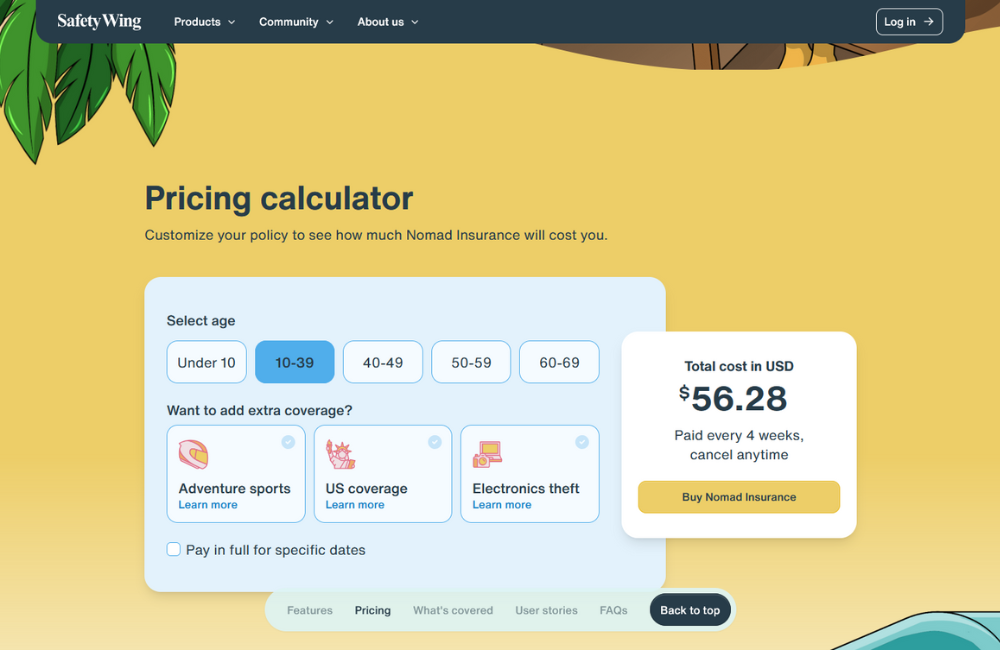
SafetyWing operates on a subscription-based model, starting at just $45 per 4 weeks. This makes it a fantastic choice for long-term travellers or digital nomads who don’t have a fixed return date.

The pay-as-you-go setup is refreshingly flexible—cancel anytime, and you’re only charged for the time you’ve used.

  • Deductibles: SafetyWing’s deductible is $250 per claim, which is worth keeping in mind if you’re the type to need coverage more than once in a trip.
  • Hidden Fees: SafetyWing keeps things simple. What you see is what you pay. No sneaky charges here.

Who it’s best for: Travellers on a budget who value flexibility and aren’t planning on filing frequent claims.

Ready for unlimited adventure? Get travel insurance that covers over 150 activities and 190 destinations.
World Nomads: Pay Once, Play Hard

World Nomads uses a one-time payment system, like Rise & Shield, with pricing based on your destination, trip duration, and the activities you’ll be doing. 

While it’s not the cheapest option, it’s designed to offer comprehensive coverage for short-term or adventure-packed trips.

  • Deductibles: Deductibles vary depending on the type of claim, but they’re generally reasonable for the level of coverage provided.
  • Hidden Fees: Again, pretty transparent. You’ll know exactly what’s covered and what’s not when you purchase.

Who it’s best for: Travellers planning a single trip packed with adventure or those who want the peace of mind of broader coverage.

But wait, there’s more ground to cover in this SafetyWing vs. World Nomads review. Next: flexibility.

How Flexible Are SafetyWing and World Nomads

How Flexible Are SafetyWing and World Nomads?

Flexibility is a big deal when it comes to travel insurance because life on the road rarely goes exactly to plan. 

Whether it’s extending your stay in paradise or making a quick pit stop back home, the ability to adjust your coverage without jumping through hoops is a game-changer. 

So, how do SafetyWing and World Nomads measure up?

SafetyWing: Like a Digital Nomad’s Best Friend

SafetyWing’s subscription model is as easygoing as your travel itinerary. 

You pay every four weeks, and if your plans change, you can pause or cancel anytime with no penalties. 

Need to take a break from travelling or switch gears? That is no problem. Just log into your account and adjust your coverage.

Here’s a standout perk: SafetyWing includes limited coverage for short visits to your home country.

For example, if you’re a nomad returning home for the holidays, you’re still protected for up to 30 days (or 15 days if you’re from the U.S.)

It’s not full-scale coverage, but enough for peace of mind during quick visits.

Ready for unlimited adventure? Get travel insurance that covers over 150 activities and 190 destinations.

World Nomads: Adventure-Ready with Built-In Flexibility

World Nomads doesn’t offer a subscription model, but it does provide plenty of flexibility within its one-time policies.

For example, you can extend your coverage mid-trip if you decide to keep the adventure going or tweak your policy details if your plans change. 

While not as effortless as SafetyWing’s approach, it’s still a reliable option for adapting on the fly.

Here’s another important note.

Unlike SafetyWing, World Nomads doesn’t cover you once you’re back in your home country. This is important to remember if you frequently bounce between countries or plan extended stays back home.

Got that? Great. Let’s look at what other travellers are saying about both companies online.

What Travellers Are Saying: SafetyWing vs. World Nomads

Here’s what I dug up when I searched for some other online SafetyWing and World Nomads reviews:

What Travellers Are Saying: SafetyWing

SafetyWing

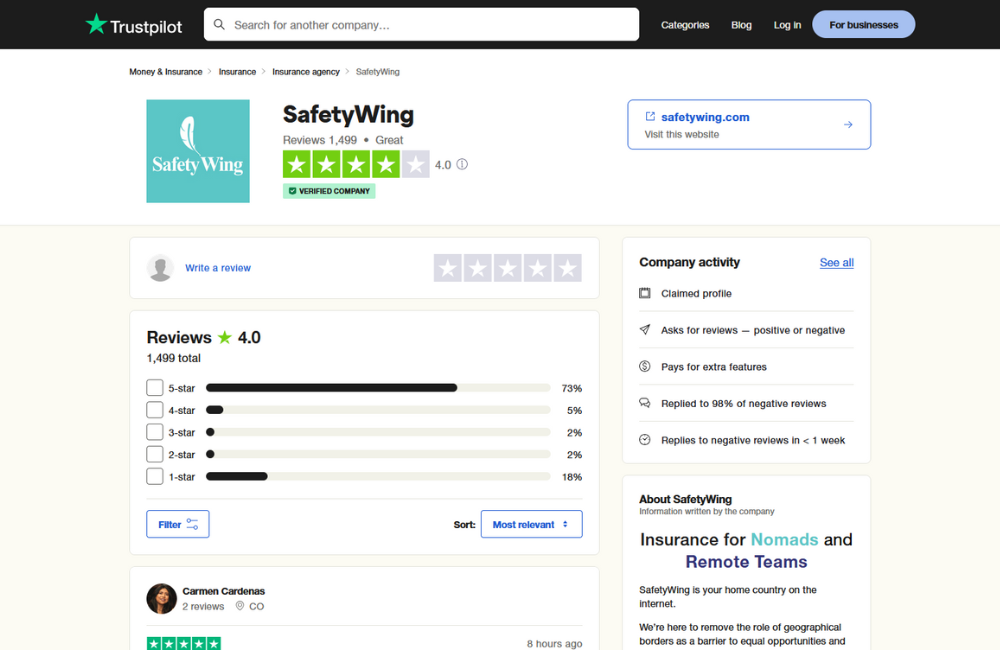
SafetyWing has a strong 4.0 out of 5 stars on TrustPilot, clearly a popular choice among digital nomads.

I found that users frequently praise its affordable pricing, flexible subscription model, and user-friendly sign-up process. 

It’s particularly loved by digital nomads who value the ability to customise policies without worrying about hidden fees. 

The simplicity and affordability make it a go-to for long-term travellers looking for reliable coverage.

That said, some users have expressed frustration with the claims process, citing occasional delays and communication gaps. 

The good news? 

SafetyWing has been actively improving its response times, with claims typically resolved within 7 to 10 business days. 

On the customer service front, they receive high marks for their professionalism and 24/7 hotline support, ensuring you’re never left hanging, no matter where in the world you are.

What Travellers Are Saying: World Nomads

World Nomads

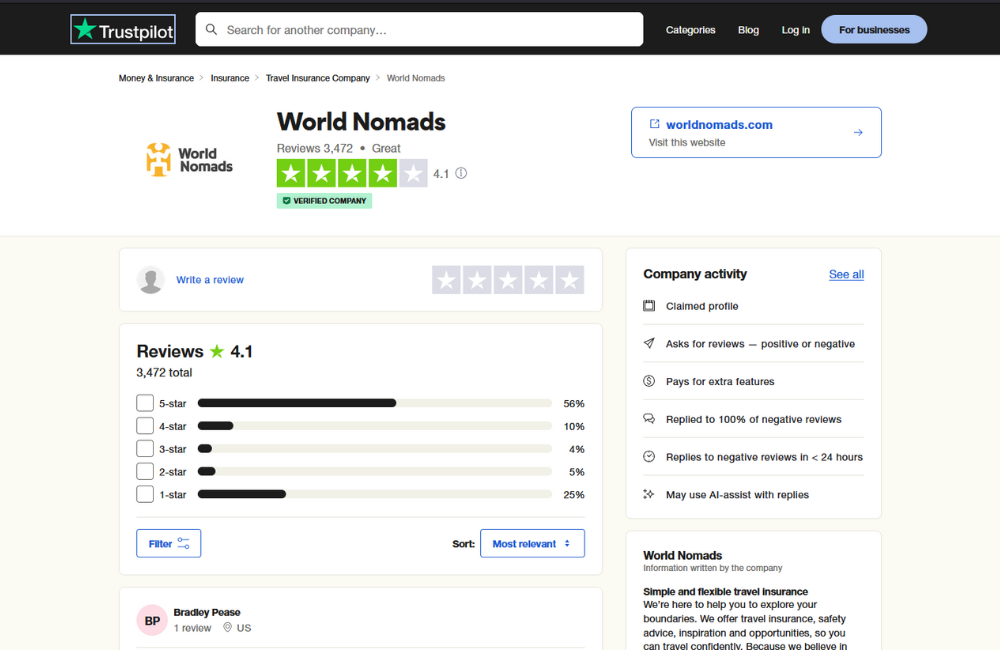
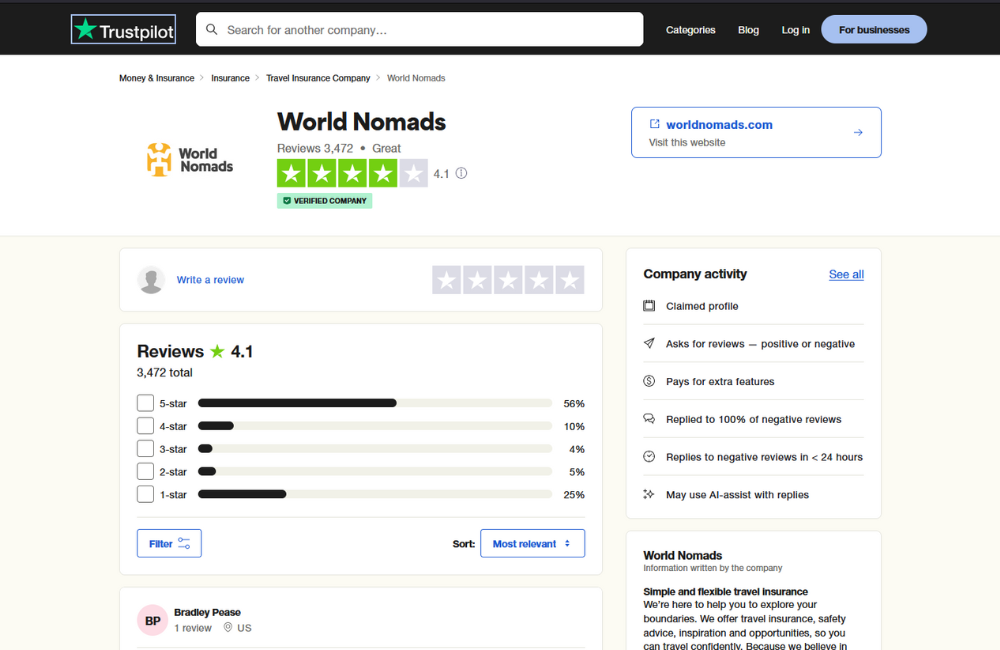
World Nomads holds a 4.1 out of 5 stars rating on TrustPilot. I found a mix of positive and critical reviews. 

Many travellers praise the ease of purchasing policies and the comprehensive coverage offered for a wide range of activities, making it a top choice for adventure seekers. 

However, some users have raised concerns about the claims process, describing it as lengthy and occasionally frustrating. 

High premiums for certain trips have also been a sticking point for budget-conscious travellers.

We’re learning quite a bit about SafetyWing and World Nomads travel insurance. Next, let’s look at some of their common pros and cons.

Ready for unlimited adventure? Get travel insurance that covers over 150 activities and 190 destinations.

SafetyWing vs. World Nomads: The Good and The Bad

Here’s the cold, hard truth: no one-size-fits-all travel insurance solution exists. Every provider has its ups and downs. 

So, here’s a quick look at the pros and cons of SafetyWing and World Nomads. I hope this helps you weigh your options at a glance.

SafetyWing Pros and Cons

Pros

  • Affordable subscription pricing: Starting at just $45 every 4 weeks, it’s a wallet-friendly choice for long-term travellers and digital nomads.
  • Flexibility: Pause or cancel your policy anytime; perfect for those with unpredictable schedules.
  • Home country coverage: Offers limited coverage during short visits home—something you don’t often see in travel insurance.

Cons

  • Limited trip protection: Coverage for trip cancellations, delays, and interruptions is minimal, so if your travel plans are high-stakes, you might need supplemental insurance.
  • Personal belongings coverage: Doesn’t fully protect expensive items like laptops or cameras, which could be a dealbreaker for tech-savvy travellers.

World Nomads Pros and Cons

Pros

  • Extensive adventure sports coverage: With over 150 sports and activities covered, it’s ideal for adrenaline junkies and outdoor enthusiasts.
  • Comprehensive trip protection: Covers cancellations, delays, and interruptions, giving you peace of mind for those unpredictable moments.
  • Strong medical coverage: Includes higher limits for emergency medical care and evacuation, plus coverage for dental emergencies.

Cons

  • Higher costs: The one-time payment structure can be pricey, especially for short-term trips or budget-conscious travellers.
  • No home country coverage: Once you’re back home, your policy stops working, which could be a drawback for nomads making frequent visits.

If you’re a long-term traveller or digital nomad, SafetyWing is an affordable, flexible option, as long as you don’t need extensive trip protection or gear coverage. 

On the other hand, if you’re packing your itinerary with high-octane adventures and want maximum coverage for activities and cancellations, World Nomads might be worth the extra cost.

So, are you ready for my conclusion to this SafetyWing vs World Nomads review? Let’s wrap this up.

SafetyWing or World Nomads: Which One Is Right for You

SafetyWing or World Nomads: Which One Is Right for You?

Choosing between SafetyWing and World Nomads ultimately depends on your travel style and priorities.

If you’re a budget-conscious nomad, SafetyWing’s affordable subscription model and flexibility are hard to beat. 

Travellers with expensive gear will appreciate World Nomads’ robust coverage despite the higher cost. 

For families or casual travellers, it’s a toss-up depending on your specific needs—SafetyWing’s affordability versus World Nomads’ broader trip protection.

But what if you’re an adventure-loving traveller looking for something different? 

That’s where Rise & Shield comes in. 

Our policies combine comprehensive coverage with minimal restrictions, designed to protect not only adventurers but also families and everyday explorers. 

Whether you’re scaling mountains, hitting the slopes, or planning a relaxed family getaway, we’ve got your back every step of the way.

Ready for unlimited adventure? Get travel insurance that covers over 150 activities and 190 destinations.
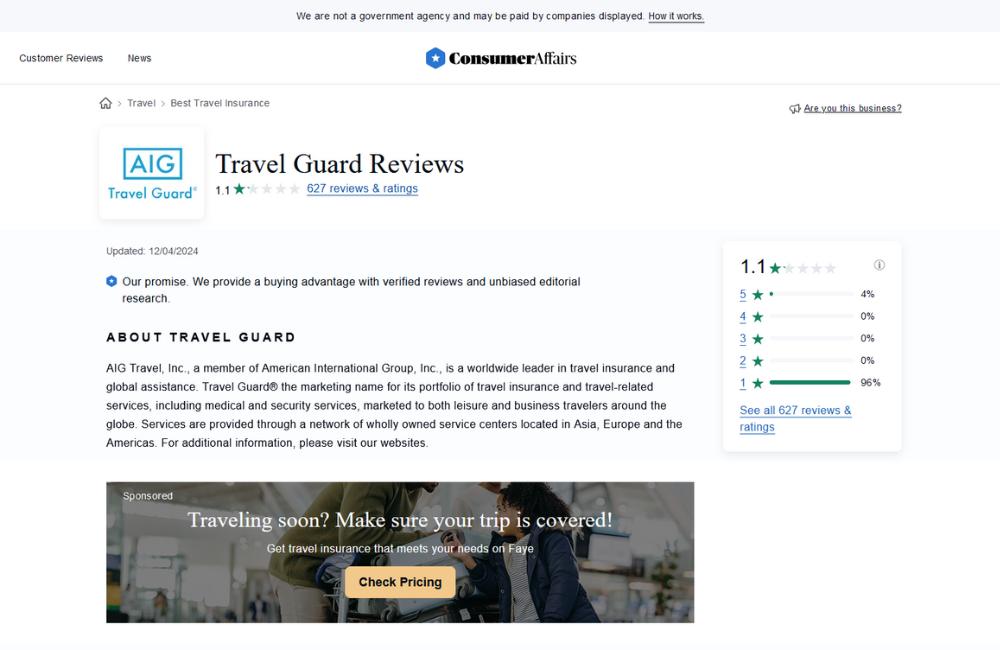
My Final Thoughts

And there you have it: This concludes my SafetyWing vs World Nomads review. Do you know which travel insurance you’ll select for your next adventure? I know where I’m putting my money: Rise & Shield.
Read More
safetywing reviews
Best Travel Insurance

SafetyWing Reviews: Is Nomad Insurance Worth It?

When it comes to travel insurance, SafetyWing reviews are suddenly popping up everywhere. And for good reason. 

As a digital nomad, I know how important it is to find a flexible, reliable policy that is affordable.

Having tried SafetyWing Nomad Insurance on one of my trips, I’ve seen both the perks and the pitfalls.

Whether you’re a backpacker, remote worker, or just someone who loves spontaneous adventures, this review will help you figure out if SafetyWing is the right fit for your travel plans.

Ready to dive into my SafetyWing travel insurance review?

Let’s roll.

SafetyWing Reviews: Is Nomad Insurance Worth It

What Is SafetyWing Travel Insurance?

SafetyWing is a travel medical insurance provider designed for digital nomads, remote workers, and long-term travellers. 

Their focus? Flexibility and simplicity. 

With SafetyWing Nomad Insurance, you can start, pause, or even buy a policy after your trip has already begun. This is a lifesaver for spontaneous adventurers like me.

Unlike traditional travel insurance, SafetyWing works on a subscription model, renewing every 28 days. 

It covers the essentials, like emergency medical expenses and travel delays, and even throws in some global perks, like coverage for unexpected COVID-19 treatment.

If you’re a traveller who values freedom and affordability, SafetyWing might just be the perfect travel companion. 

But before we get ahead of ourselves, let’s look at the advantages and disadvantages of SafetyWing travel insurance.

Ready for unlimited adventure? Get travel insurance that covers over 150 activities and 190 destinations.

Pros and Cons of SafetyWing Travel Insurance

Like every travel insurance policy, SafetyWing has its strengths and a few areas where it could improve. Here’s my quick rundown of the pros and cons:

Pros:

  • Flexibility for Nomads: You can start, pause, or cancel your policy anytime, even if you’re already travelling.
  • Affordable Pricing: SafetyWing’s subscription model is budget-friendly, especially for younger travellers.
  • Global Coverage: Available in over 180 countries, making it ideal for multi-destination trips.
  • Subscription-Based Model: Automatic renewals every 28 days keep coverage hassle-free.

Cons:

  • Limited Coverage for Personal Belongings: Lost or stolen items like laptops or phones aren’t covered, which can be a drawback for digital nomads.
  • No Coverage for Pre-Existing Conditions: If you have ongoing health issues, you’ll need to look elsewhere.
  • Exclusions for High-Risk Activities: Activities like high-altitude trekking or professional competitions often aren’t included.
  • Age Restrictions: Coverage is only available for travellers up to 69 years old.

If you don’t like the sound of SafetyWings travel insurance, Rise & Shield might be worth exploring. They aim to minimise exclusions in their adventure-focused policies.

Okay, it's time to get even more serious in my SafetyWing review. Let’s unpack the SafetyWings Nomad Insurance policy and see what’s covered.

What's Included in SafetyWing Insurance Policies

What's Included in SafetyWing Insurance Policies?

SafetyWing’s coverage is all about protecting you when life throws those unexpected curveballs on the road. Here’s a rundown of what you get:

  • Emergency Medical Coverage: Got sick or injured abroad? SafetyWing steps in to cover hospital stays, surgeries, and emergency medical evacuations, with a cap of $250,000 per policy period. That’s a solid safety net for the big stuff.
  • Emergency Dental Treatment: Nobody wants to deal with a toothache on the road, but if you do, SafetyWing has you covered. They include coverage up to $1,000 for acute dental emergencies.
  • Trip Interruption: If you need to cut your trip short because of an unexpected event, like a family emergency, SafetyWing can reimburse up to $5,000 for non-refundable expenses.
  • Travel Delay: Stuck at the airport for 12+ hours? They’ll help cover meals and accommodations, so you’re not left scrambling.
  • Lost Checked Luggage: If your checked bag pulls a disappearing act, SafetyWing provides up to $3,000 in coverage per certificate period, with a $500 limit per item.
  • Natural Disaster or Political Evacuation: If you find yourself in the middle of a natural disaster or political unrest, SafetyWing helps with evacuation expenses to get you to a safer spot.
  • Accidental Death and Dismemberment: This is the heavy stuff. If there’s an accidental death or serious injury, there’s financial support for you or your beneficiaries.

There are also some bonuses. SafetyWing includes COVID-19 coverage, treating it like any other illness under the policy.

Travelling with little ones? One child under 10 per adult (up to two kids per family) is covered for free, something parents will appreciate.

Now, here’s the catch: SafetyWing’s policies are designed for emergencies and unexpected events. Routine check-ups, preventive care, and pre-existing conditions aren’t included.

With that said, let’s move on to what’s not covered by SafetyWing, so you can make the best choice for your travels.

What's Not Covered by SafetyWing

What's Not Covered by SafetyWing

While SafetyWing Nomad Insurance ticks a lot of boxes, it’s just as important to understand what it doesn’t cover.

Knowing the gaps upfront can save you from nasty surprises later. Here’s the lowdown:

  • Pre-Existing Conditions: If you have a medical condition that existed before your policy started, like diabetes or a chronic illness, you’re out of luck. These aren’t covered.
  • Routine Check-Ups and Preventive Care: Need a regular health check-up or vaccine? That’s not included either. SafetyWing is built for emergencies, not maintenance.
  • High-Risk Activities: Love extreme adventures like cliff jumping, paragliding, or quad biking? SafetyWing won’t have your back for these. Thrill-seekers might want to check out Rise & Shield instead. They’re geared for covering over 150 adventure activities.
  • Trip Cancellation: SafetyWing won’t reimburse those non-refundable bookings if your plans fall apart before departure.
  • Lost or Stolen Personal Belongings: Travelling with a pricey laptop or camera? Keep an extra eye on your gear. SafetyWing’s policies don’t cover personal items that go missing.

These exclusions don’t mean SafetyWing isn’t a good option, but they’re worth keeping in mind, especially if you’re an adventurous traveller. 

For activities like diving, trekking, or anything a bit daring, Rise & Shield is worth a look. After all, they’re built for people who live for the adrenaline rush.

At the end of the day, knowing what’s not included helps you make an informed choice and ensures you’re covered where it counts.

Next, let’s look at how to get and use a SafetyWing travel policy.

Using a SafetyWing Policy

Using a SafetyWing Policy

Getting started with SafetyWing is refreshingly straightforward, even if you’re someone who tends to leave travel admin until the last minute (guilty as charged). 

Whether you’re buying a policy before your trip or halfway through your adventure, the process is designed to be quick and hassle-free. Let me walk you through how it works.

Step One: Get a SafetyWing Quote

Getting a quote from SafetyWing is as simple as it gets. 

Head over to their website, enter your basic travel details—like your start date, whether you want U.S. coverage, and how long you’ll need insurance—and voilà, you’ll have your personalised quote in seconds.

The platform is easy to navigate, and the breakdown of costs is clear, so you’ll know exactly what you’re paying for. 

That said, if you’re short on time or need coverage for more adventurous activities, Rise & Shield’s streamlined online travel insurance quote process is also worth a look. 

They specialise in making complex travel needs simple to cover.

Step Two: Customise Your Coverage

Step Two: Customise Your Coverage

SafetyWing keeps things straightforward with its one-size-fits-most approach. 

Instead of multiple plan options, you get a standard policy that covers essential medical needs and travel disruptions.

The main customisation comes when deciding whether or not to include U.S. coverage, which is available at an extra cost.

This simplicity is great for digital nomads who want no-fuss insurance, but it might not suit travellers looking for more tailored or adventure-focused policies.

If you’re planning activities like high-altitude trekking, skiing, or scuba diving, Rise & Shield offers coverage specifically designed for thrill-seekers, with options to match your level of adventure.

With SafetyWing, though, the process is quick: pick your start date, decide on U.S. coverage, and you’re ready to go. It’s that easy!

Ready for unlimited adventure? Get travel insurance that covers over 150 activities and 190 destinations.

Step Three: Purchase and Manage Your Policy

Once you’ve nailed down the details, purchasing a SafetyWing policy is a breeze. 

Simply review your quote, confirm your coverage start date, and check out. Payment is processed online, and your policy kicks in immediately or on your chosen start date.

Managing your coverage is just as simple. SafetyWing operates on a subscription model, so your policy renews every 28 days automatically. There’s no need to remember to re-enroll.

If your plans change, you can pause or cancel your coverage through their easy-to-use online portal.

While this setup is convenient for digital nomads and long-term travellers, it’s worth noting that SafetyWing’s coverage is more general.

For those who prefer a policy tailored to adventurous itineraries, Rise & Shield makes extending or adjusting coverage just as seamless, with options specifically designed for activity-packed trips.

Either way, SafetyWing makes the process traveller-friendly. So, you can spend less time on admin and more time planning your next adventure.

Additional Considerations when buying a SafetyWing travel policy

Additional Considerations

Before diving into a SafetyWing policy, there are a few details worth keeping in mind to make sure it’s the right fit for your travel style:

  • Age Limits: SafetyWing is available to travellers up to 69 years old. If you’re in your golden years and still adventuring (major life goals), you’ll need to explore other options.
  • Limited Adventure Coverage: While SafetyWing covers many common activities, more extreme adventures—like mountaineering or scuba diving at significant depths—are excluded.
  • Geographical Restrictions: While SafetyWing covers most destinations, you’ll want to double-check any exclusions or restrictions, especially if you’re headed to politically unstable or remote regions. Rise & Shield offers specialised coverage for over 190 destinations.
  • Minimal Personal Belongings Protection: Lost or stolen items, like laptops or smartphones, aren’t included in SafetyWing’s standard policy. For nomads who travel with pricey gear, this could be a dealbreaker.

When it comes to insurance, the devil is always in the details, so reading the fine print is key. 

And if you’re an adventurer who doesn’t want to worry about exclusions every time you plan a new activity, it might be worth looking at Rise & Shield’s more inclusive options.

By understanding these nuances, you’ll avoid any unexpected surprises and ensure you have the right coverage for wherever your travels take you.

Now, let’s look at how to file a claim with SafetyWing.

Filing a Claim with SafetyWing

Filing a Claim with SafetyWing

Filing an insurance claim might not be your idea of a good time, but SafetyWing tries to keep things as simple as possible. If you find yourself needing to make a claim, here’s what to do:

  1. Get Your Documents Together: Start by gathering everything you’ll need. Think medical reports, invoices, receipts, and any proof of what happened. For medical claims, make sure the report includes details about your symptoms, diagnosis, and treatment. Basically, the more info, the better.
  2. Head to the Online Portal: Log in to your SafetyWing account and head to the claims section. The online system will walk you through the steps and let you upload your documents. It’s all pretty intuitive, even if you’re not tech-savvy.
  3. Sit Tight for Confirmation: Once your claim is submitted, you’ll get a confirmation email. Most claims are processed within a week, so you won’t be left wondering for too long.
  4. Respond to Follow-Ups Quickly: If the claims team needs more info, they’ll reach out. The faster you respond, the faster things move along.

SafetyWing also has resources and customer support if you get stuck or have questions along the way.

While no one wants to deal with filing a claim, following these steps will help make the process as painless as possible. It’s all about staying organised and keeping communication smooth!

Finally, let’s look at what other travellers have to say about SafetyWing.

Ready for unlimited adventure? Get travel insurance that covers over 150 activities and 190 destinations.
Other Online Reviews of SafetyWing

SafetyWing has garnered a range of mixed online feedback from travellers and digital nomads. Here's a snapshot of what users are saying:

On TrustPilot, SafetyWing holds a 4.0 out of 5-star rating based on 1,499 SafetyWing reviews.

Users appreciate the affordability and flexibility of the insurance plans. However, some have expressed concerns about the claims process and specific coverage limitations.

Over on Reddit’s r/digitalnomad community, travellers have shared a mix of praise and gripes about SafetyWing.

One user highlighted how convenient and affordable it is, especially for digital nomads who need basic, no-fuss coverage.

But not everything is smooth sailing.

There were complaints about delays in the claims process and the amount of paperwork required.

Other commenters chimed in to say that while SafetyWing gets the job done for emergencies, its gaps—like no coverage for pre-existing conditions or adventure activities—can be a dealbreaker for some.

Let’s wrap up this SafetyWing review.

My Final Verdict on SafetyWing Travel Insurance

My Final Verdict

If you’re a digital nomad or long-term traveller who needs flexible, affordable travel insurance, SafetyWing is definitely worth considering.

Its subscription model and global reach make it a practical choice for covering the basics, like medical emergencies and travel delays, without breaking the bank.

That said, SafetyWing does have its limits.

If you’re planning an adrenaline-filled adventure with high-risk activities or need coverage for pre-existing conditions or personal belongings, it might not cut it.

That’s where Rise & Shield comes in. With fewer exclusions and coverage tailored to over 150 adventure activities, it’s a standout option for thrill-seekers and explorers.

At the end of the day, the best travel insurance is the one that fits your specific needs.

SafetyWing is a solid choice for budget-conscious travellers, but if you’re all about adventure, Rise & Shield or even World Nomads might be the better fit for your journey.

Ready for unlimited adventure? Get travel insurance that covers over 150 activities and 190 destinations.
My Final Thoughts

And there you have it: my personal SafetyWing review.

Is it the best travel insurance for everyone? Not quite. But for digital nomads and long-term travelers, it does a solid job.

That said, if you’re an adventure traveller or need more comprehensive coverage with fewer restrictions, Rise & Shield is a strong alternative to consider. 

Ultimately, it’s about finding the right fit for your travel style and needs. Safe and happy travels!

Read More
World Nomads travel insurance review
Best Travel Insurance

World Nomads Travel Insurance Review: Is It Right for You?

Travelling is about freedom, adventure, and immersing yourself in the unknown. But, the unexpected can happen at any moment. 

That’s where travel insurance comes in. World Nomads, like Rise & Shield, has been a favourite among adventurers for years. 

Having used World Nomads myself on a couple of trips, I’ve experienced the good and the not-so-good firsthand. 

In this review, I’ll break down what you need to know to decide if it’s the right fit for you.

Ready to start my World Nomads travel insurance review?

Let’s roll.

My review of World Nomads travel insurance

What Is World Nomads Travel Insurance?

Founded by travellers, for travellers, World Nomads is designed to cover adventurers who are always on the go. 

They focus on flexibility—you can buy or extend your policy mid-trip—and cater to adrenaline junkies with coverage for over 150 activities like scuba diving, rock climbing, and even skydiving.

I first came across World Nomads when planning a backpacking trip through China. 

The ability to start my policy after leaving home was also a lifesaver, especially since I’m notoriously last-minute with admin tasks (oops).
Setting off on my first solo backpacking trip was scary but World Nomads had my back

Setting off on my first solo backpacking trip was scary but World Nomads had my back.

Pros and Cons of World Nomads Travel Insurance

Before getting too deep into this review, and if you're in a hurry, here are some of World Nomads’ advantages and disadvantages in a nutshell:

Pros:

  • Comprehensive Adventure Coverage: Ideal for travellers engaging in a wide range of activities.
  • Flexibility: Ability to purchase or extend coverage while travelling.
  • 24/7 Assistance: Access to emergency support at any time.

Cons:

  • No Coverage for Pre-Existing Conditions: Travellers with existing health issues may need to look elsewhere. 
  • Age Restrictions: Limited options for travellers over 70.
  • Exclusions on High-Risk Activities: Not all extreme activities are covered.

If this is a dealbreaker for you, Rise & Shield might be worth exploring, as they aim to minimise exclusions in their adventure-focused policies.

Now, let's do this review by first looking at what's included with a World Nomads travel insurance policy.

What's Included in World Nomads Insurance Policies

What's Included in World Nomads Insurance Policies?

World Nomads focus on flexibility. You can buy or extend your policy mid-trip. They also cater to adrenaline junkies.

World Nomads offers two primary plans: Standard and Explorer. Here's a breakdown of their key features:

  • Emergency Medical Coverage: Both plans provide coverage for overseas emergency medical expenses due to accidents or sudden illnesses.
  • Emergency Dental Treatment: Coverage for dental emergencies is included, which can be a relief if you encounter unexpected dental issues abroad.
  • Trip Cancellation, Interruption, or Delay: Reimbursement for non-refundable expenses if your trip is cancelled or interrupted for covered reasons.
  • Baggage and Personal Belongings: Coverage for lost, stolen, or damaged baggage and personal items.
  • 24/7 Assistance: Access to a 24/7 emergency assistance team to help with medical emergencies, evacuations, and other urgent situations.

If you're looking for equally comprehensive coverage with an emphasis on simplicity and fewer exclusions, you might want to check out Rise & Shield.

With all of this being said, let’s look at what a World Nomads travel insurance policy doesn’t include.

What's Not Covered by World Nomads

What's Not Covered by World Nomads

No insurance policy covers everything, and World Nomads is no exception.

While their coverage is extensive—especially for adventurers—there are some key exclusions you should be aware of before hitting “buy.” 

Here’s the lowdown on what’s not included with a World Nomads travel insurance policy and why it matters:

Pre-Existing Medical Conditions

As someone managing diabetes, I understand the importance of knowing how travel insurance handles pre-existing conditions. 

World Nomads' policies generally exclude coverage for medical issues that existed before your policy's start date.

For instance, if I were to experience diabetic ketoacidosis—a serious complication of diabetes—during my travels, World Nomads would likely not cover the treatment costs, as this condition is related to my pre-existing diabetes.

Travelling with a pre-existing condition like diabetes means being prepared for potential health issues abroad. Without coverage, medical expenses can quickly become overwhelming.

skydiving insurance

High-Risk Activities

Love BASE jumping or deep-sea cave diving? Unfortunately, World Nomads won’t have your back for activities deemed especially dangerous or professional-level sports.

If you’re planning an adventure at the extreme end of the spectrum, check the fine print carefully. 

You don’t want to assume you’re covered and then be left scrambling to pay for an expensive rescue or medical care.

Non-Emergency Treatments

Need a routine dental cleaning or a quick check-up? Those aren’t included in World Nomads’ policies either. 

Their coverage focuses on emergencies, like breaking a tooth during a trek or needing stitches after an accident.

While this might not be a dealbreaker for most travellers, it’s good to know upfront so you can plan for any routine care before your trip.

Ready for unlimited adventure? Get travel insurance that covers over 150 activities and 190 destinations.

The Long and Short?

These exclusions don’t mean World Nomads isn’t a great option. It just means you need to go in with your eyes wide open. 

Personally, I made a habit of double-checking whether my planned activities were covered and making sure my health was in top shape before heading out. 

It saved me from nasty surprises (and unexpected bills)

Next, let me explain how to use a World Nomads policy.

Using a World Nomads Policy

Using a World Nomads Policy

Getting a travel insurance policy with World Nomads is refreshingly straightforward, even if you’re like me and tend to procrastinate on these kinds of things. Here’s how it works:

Step One - Get Your quote

Step One: Get a World Nomads Quote

Simply enter your trip details—like where you’re going and how long you’ll be away—on their website to get a personalised quote. 

The process is intuitive and doesn’t take more than a couple of minutes. 

I found it helpful that the site breaks down what’s included in each plan so you know exactly what you’re paying for.

That said, if you’re short on time or hate filling out forms (like I do), Rise & Shield offers an even faster online travel quote process.

With fewer steps and a clean interface, you can get a comprehensive quote in record time, which is a huge win when you’re busy planning other aspects of your trip.

World Nomads Explorer covers bungee jumping

World Nomads Explorer covered my bungee jump!

Step Two: Customise Your Coverage

World Nomads gives you the choice between two plans: Standard and Explorer. 

If your trip involves adventurous activities like scuba diving or trekking, the Explorer plan might be the better fit, as it covers more extreme sports. 

I went with the Explorer plan for my last trip because I wanted to try bungee jumping (spoiler alert: it was terrifying but incredible).

Step Three: Purchase and Manage Your Policy

Once you’ve selected your plan, you can purchase the policy directly online. 

Managing your coverage is easy, too. You can log into your account to extend the policy if your trip gets extended (because who doesn’t love the idea of staying in Bali for an extra week?).

On a side note, this is another area where Rise & Shield shines. They not only let you adjust your coverage quickly but also make extending your policy a breeze. 

It’s a small thing, but it makes a big difference when you’re in the middle of an adventure and don’t want to deal with tedious admin.

Ready for unlimited adventure? Get travel insurance that covers over 150 activities and 190 destinations.
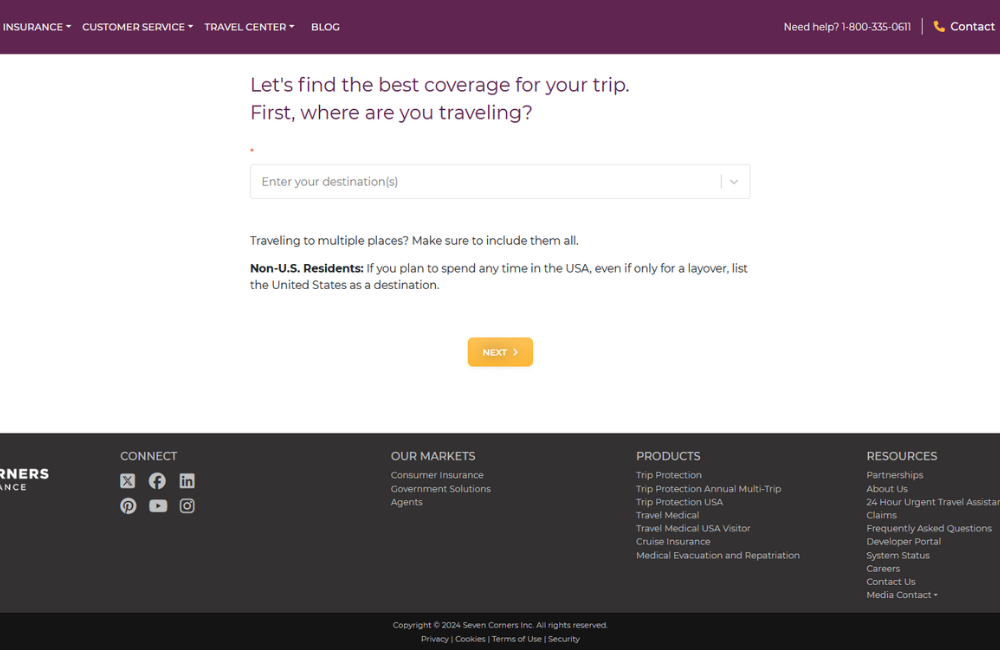
My Opinion?

At the end of the day, World Nomads makes the process simple and traveller-friendly, but it’s worth comparing with options like Rise & Shield to see which one better suits your needs and style. 

For me, having the flexibility to extend coverage on the go was a game-changer—especially for those unexpected moments when your two-week trip magically turns into a four-week escape.

World Nomads travel insurance review

Additional Considerations

When it comes to travel insurance, the devil is in the details. 

Even though World Nomads offers solid coverage, there are a few extra things you’ll want to keep in mind to avoid surprises down the road. 

Here’s what stood out to me when I was researching my own World Nomads policy:

Age Limitations

World Nomads’ coverage is typically available for travellers up to 70 years old. 

If you’re lucky enough to still be adventuring past that age (honestly, goals), you’ll need to look for other options.

Ready for unlimited adventure? Get travel insurance that covers over 150 activities and 190 destinations.
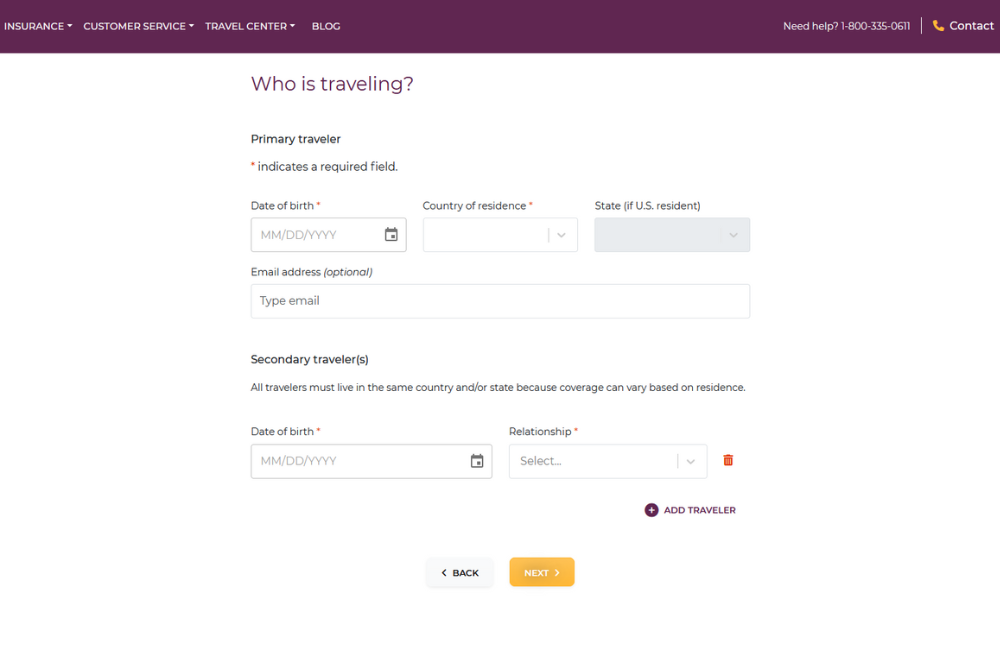
Geographical Restrictions

Not all destinations are created equal when it comes to insurance. Some regions may have exclusions or limited support, depending on the plan. 

For example, if you’re headed to remote areas or politically unstable regions, you’ll want to double-check that your policy covers you there.

On a trek through South America, I had to tweak my route after realising certain remote areas weren’t covered by my policy. That was a wake-up call! 

Providers like Rise & Shield offer anywhere-to-anywhere travel insurance covering over 190 destinations, which saves a lot of last-minute stress.

Activity Coverage

If you’re anything like me, the whole point of travelling is to dive into new adventures; sometimes quite literally. 

World Nomads covers a wide range of activities, but not everything is included. 

For instance, while snorkelling and hiking are typically covered, more extreme activities like hang gliding or professional competitions may require additional coverage or fall outside the policy entirely.

Before I booked my first scuba diving trip, I had to comb through the fine print to make sure it was covered. 

scuba diving travel insurance by R&S

It was, but now I always double-check my activities list before locking in a policy. 

With Rise & Shield, I found the process quicker—they’re upfront about adventure activity coverage, so you don’t have to waste time hunting through the details.

So, what if something horrible happens, and you have to file a claim with World Nomads? Is it quick and easy? Let me explain.

Filing a Claim with World Nomads

Filing a Claim with World Nomads

Let’s be real: filing a claim isn’t anyone’s idea of fun, but when you’re dealing with a stolen bag, a medical emergency, or a trip gone sideways, having a streamlined process makes all the difference. 

World Nomads has an online claims system that tries to make the experience as painless as possible. Here’s how it works and what I learned along the way:

Gather Your Documentation

First things first, you’ll need to collect all the relevant paperwork.

This means medical reports if you’ve been to a hospital, receipts for any expenses you’re claiming, and proof of ownership for lost or stolen items (like that receipt for your fancy camera).

I learned the hard way that having digital backups of your documents is a lifesaver. 

Snap photos of receipts and save them to a cloud service, or email them to yourself before you even leave for your trip. 

Trust me, it’s way less stressful than hunting through your backpack for that crumpled receipt while jet-lagged.

Ready for unlimited adventure? Get travel insurance that covers over 150 activities and 190 destinations.

Submit Your Claim Online

Once you’ve got everything together, log into your World Nomads account and navigate to the claims section. 

The system is straightforward and guides you step-by-step through what’s needed. Be as detailed as possible when filling out the forms to avoid delays.

When I filed a claim for a stolen phone, I included photos of the police report and a timeline of what happened. Adding extra details like this seemed to help speed things along.

Follow Up

After submitting your claim, keep an eye on your email or the portal for updates. 

Sometimes the claims team will request additional information, like clarification on expenses or further proof. Responding quickly can help keep things moving.

While I hope you never have to file a claim, knowing how it works—and being prepared with the right documentation—can save you from unnecessary headaches.

Let’s move on to look at some other online World Nomads reviews.

Other Online Reviews of World Nomads

Other Online Reviews of World Nomads

World Nomads has a mixed reputation online, with opinions varying depending on individual experiences. 

On Trustpilot, the company scores a respectable 4.1/5, with many users applauding its flexibility and comprehensive adventure coverage.

However, claims delays remain a common frustration. 

Over on TripAdvisor, reviewers highlight the exclusion of pre-existing conditions as a drawback. 

Discussions on Reddit reveal a similar pattern: travellers often praise the smooth handling of emergency claims but express annoyance at the detailed documentation requirements.

A quick dive into these reviews shows that while World Nomads is beloved for its adventure-ready policies, some users feel the claims process could be faster and more straightforward. 

It’s clear that for many, the positives outweigh the negatives, but understanding these nuances can help you decide if World Nomads is the right choice for your needs.

It’s time to wrap up this World Nomads review. Here’s my final verdict.

World Nomads travel insurance review_ My Final Verdict

My Final Verdict

If you’re planning an adventure-packed trip and want reliable coverage for activities like trekking, scuba diving, or cycling, World Nomads is a solid choice.

Their flexibility makes them good for long-term travellers or those who like to keep their plans fluid.

That said, if you have pre-existing health issues or need coverage for extreme activities, you may want to explore alternatives like Allianz, SafetyWing, or Rise & Shield.

In fact, Rise & Shield specialises in offering peace of mind to adventurers with fewer restrictions, making it a strong contender if flexibility and straightforward coverage are your priorities.

Just be sure to read the fine print and weigh your options before committing.

Ready for unlimited adventure? Get travel insurance that covers over 150 activities and 190 destinations.
My Final Thoughts

And there you have it: This concludes my personal World Nomads travel insurance review. Is it the best travel insurance you can find? 

Far from it. However, it does a good job. In my opinion, anywhere-to-anywhere travel insurance, like Rise & Shield, is a better World Nomads alternative.
Read More
15 Solo Travel Safety Tips For Guys
Travel Safety

15 Solo Travel Safety Tips For Guys

Are you looking for some practical solo travel safety tips for guys

I’m a guy, and I’ve been a solo traveller for years. From South Korea to Europe and beyond, I’ve seen and done a lot.

Here are my 15 solo travel safety tips for guys.

Ready? Let’s roll.

My Ultimate 15 Travel Safety Tips For Guys

While there are plenty of safe places to travel, it pays to be smart. Here are 15 men’s safety travel tips to know by heart:

  1. Get travel insurance
  2. Research local scams and cons
  3. Stay connected with loved ones
  4. Dress to blend in
  5. Limit alcohol consumption
  6. Stay in reputable accommodations
  7. Keep your valuables secure
  8. Use reliable transportation
  9. Trust your instincts
  10. Be cautious with strangers
  11. Carry a personal safety device
  12. Learn basic self-defence
  13. Avoid isolated areas at night
  14. Learn the local language
  15. Stay healthy

Ready for a deep dive into these practical safety tips for male travellers? Let’s start with the most important safety tip.

1. Get Travel Insurance

Let's start my list of travel safety tips for guys with getting travel insurance.

Let's start my list of travel safety tips for guys with getting travel insurance.

This one isn’t just for the daredevils out there.

Solo travel insurance might seem like an extra expense, but it’s absolutely essential for solo male travellers.

What if you’re exploring a remote area and suddenly fall ill or have an accident? 

Without travel insurance, the costs of medical care, emergency transport, or even trip cancellations could be overwhelming. 

This type of coverage is a safety net, ensuring an unforeseen incident doesn’t turn your dream trip into a financial nightmare.

And hey, it’s not just about health issues either—lost luggage, delayed flights, and other travel hiccups can be managed much more smoothly when insured.

But don’t just get any travel insurance. Make sure it covers the activities you plan to engage in, whether hiking, scuba diving, or any other adventure sports. Not all travel policies are equal. 

And while on this topic, I have even more advice to share.

Always keep a copy of your policy and share it with someone you trust back home. This way, they have all the information needed to help you in an emergency. 

It's a small step that can make a huge difference, providing peace of mind for you and your loved ones. Now that you’re covered, let’s dive into the next tip for safe solo adventures.

2. Research Local Scams and Cons

Always do your research about scams and cons at your destiantion.

Always do your research about scams and cons at your destiantion.

Knowing the local scams and cons can save you a lot of trouble and money while travelling. Each destination has unique tricks designed to take you from your cash. 

From overcharging taxi drivers to elaborate street games and bar scams, being aware of these common ploys helps you avoid falling victim. 

Before you go, do research. Check out online forums, travel blogs, and guides specific to your destination. 

I find that sites like TripAdvisor and Reddit often have detailed accounts from travellers who’ve experienced these scams firsthand.

But your work doesn’t end there.

3. Stay Connected with Loved Ones

Here's another travel safety tip for guys: Stay connected with your loved ones.

Here's another travel safety tip for guys: Stay connected with your loved ones.

Staying connected with your family and friends is key when you’re travelling solo. 

Regular check-ins let them know you’re safe. Share your itinerary with someone you trust and set up times to update them on your whereabouts. This way, they’ll know where you are and can help faster if something goes wrong.

Use apps like WhatsApp, Skype, or even a local SIM card to keep communication easy and cheap. 

And there’s a bonus you get from staying connected with loved ones.

Regular updates don't just keep you safe—they also make your loved ones feel involved in your journey. 

Plus, hearing a familiar voice can be comforting when you're far from home. Stay connected and keep everyone in the loop for a safer, more enjoyable trip.

Now, let’s talk about how we dress…

4. Dress to Blend In

Even men should dress appropriately when travelling solo.

Even men should dress appropriately when travelling solo.

Dressing to blend in can make a big difference in your travel experience. 

Wearing clothes that match the local style helps you avoid standing out as a tourist, which can reduce your chances of being targeted by scammers or pickpockets. 

Before you pack, research the typical dress code of your destination. This shows respect for local customs and keeps you safer. (See? Another reason why research is so important.)

Opt for neutral, conservative outfits that are practical and comfortable. Avoid flashy accessories and expensive-looking items that might attract unwanted attention. 

5. Limit Alcohol Consumption

Guys, limit how much you drink when travelling solo.

Guys, limit how much you drink when travelling solo.

Enjoying a drink while travelling is fine, but knowing your limits is important. 

We all know that excessive drinking impairs your judgment and makes you vulnerable to theft, scams, or worse. 

So, keep your wits about you by drinking in moderation and staying aware of your surroundings. If you’re in an unfamiliar place, it’s best to avoid getting drunk.

And on the topic of drinking, there’s more we need to be aware of.

Stick to well-known establishments and never leave your drink unattended. Yes, this counts for guys, too. 

If you’re going out with new friends, make sure someone you trust is keeping an eye on things. This way, you can enjoy the local nightlife safely and responsibly.

Let’s move on to my next solo travel tip for guys.

6. Stay in Reputable Accommodations

Safety tip for guys: Research your accommodation.

Safety tip for guys: Research your accommodation.

It’s important to choose the right place to stay. 

I always opt for reputable accommodations with good reviews on trusted sites like TripAdvisor or Booking.com. These reviews can give you insights into the place's safety, cleanliness, and overall quality.

Here’s my pro tip: Avoid places with few or negative reviews. 

It’s worth spending a bit more to ensure you stay in a secure environment.

 Look for accommodations that offer 24-hour security and have safety measures in place, such as secure locks and surveillance cameras. Your peace of mind is worth the investment.

Now that you’re safe let’s look at how guys can keep their valuables safe while travelling solo.

7. Keep Your Valuables Secure

Keep your valuables secure and close.

Keep your valuables secure and close.

Keeping your valuables secure is crucial when travelling. 

I firmly believe in using a quality anti-theft bag and a money belt to protect my passport, money, and credit cards. 

Here’s my pro tip: Leave expensive items at home or keep them in a hotel safe when possible.

Be mindful of your surroundings and avoid flashing expensive gadgets or jewellery. Keep copies of important documents stored separately from the originals, like your passport and insurance details. 

Digital copies can also be saved securely online, ensuring you have access to them if your physical copies are lost or stolen.

8. Use Reliable Transportation

Solo guy travellers must also use reliable transport.

Solo guy travellers must also use reliable transport.

Stick to licensed taxis, reputable ride-sharing services like Uber or Lyft, and public transport systems known to be safe. 

Avoid hitchhiking or accepting rides from strangers.

Before getting in a taxi, ensure it’s officially licensed and the driver has identification. Check the driver’s rating and vehicle details if you're using a ride-sharing app. 

Always sit in the back seat and share your ride details with a friend or family member.

9. Trust Your Instincts

Men can also trust their instincts when travelling solo.

Men can also trust their instincts when travelling solo.

Your instincts are a powerful tool for staying safe. 

If a situation or person makes you feel uneasy, trust that feeling and remove yourself as quickly as possible. 

It’s better to be overly cautious than to ignore your gut and find yourself in danger.

Whether you decide not to walk down a certain street, turn down an invitation, or choose a different mode of transport, listening to your instincts can help you avoid risky situations. 

Always prioritise your safety over politeness or convenience. After all, it’s your trip and your safety that matters most.

Got that? Good. Next, let me teach you about dealing with strangers.

10. Be Cautious with Strangers

Don't share too much information about your travel plans.

Don't share too much information about your travel plans.

While meeting new people is one of the joys of travelling, being cautious with strangers is important. 

I always avoid sharing too much personal information, such as my accommodation details or travel plans. Scammers and thieves often prey on tourists who are too trusting.

Here’s what you must do: Maintain a friendly yet guarded approach. Engaging in conversations is fine, but always be aware of your surroundings and the people you interact with. 

If someone seems overly interested in your plans or possessions, it’s best to be wary.

And this brings me to my next travel safety tip for guys.

11. Carry a Personal Safety Device

Use a whistle to alert others that you need help.

Use a whistle to alert others that you need help.

A personal safety device can provide an extra layer of security. 

Items like a whistle, pepper spray, or a personal alarm can deter attackers and draw attention if you find yourself in a dangerous situation.

These devices are also small and easy to carry. You can quickly access them in an emergency.

But, there’s something to remember when looking at a personal safety device like pepper spray. Before you travel, always check the legality of these items in your destination country, as regulations can vary. 

And then, obviously, keep your safety device within reach—on your keychain, in your pocket, or attached to your bag. 

I find that knowing I have a way to call for help boosts my confidence and helps me stay safe.

If you’re not a fan of a safety device, then consider some basic self-defence.

12. Learn Basic Self-Defence

Self-defence is a perfect way to ensure you stay safe while travelling.

Self-defence is a perfect way to ensure you stay safe while travelling.

Every traveller should learn some basic self-defence techniques.

I even mentioned it when I discussed solo female travel safety tips

Remember, you don’t need to become a martial arts expert, but knowing how to protect yourself can be a lifesaver. 

Techniques such as breaking free from holds, blocking strikes, and using everyday items as improvised weapons can help you defend yourself if needed.

Consider taking a self-defence class before your trip. Many gyms and community centres offer short courses specifically designed for travellers. 

Don’t like gyms? No worries. 

There are also plenty of online resources and video tutorials available. Like this one:

But you know what’s better than having to defend yourself? Not putting yourself in a dangerous situation to begin with. Here’s my next safety travel tip for guys:

13. Avoid Isolated Areas at Night

Please don't take risks with your life.

Please don't take risks with your life.

Stay in well-lit, populated areas after dark. 

Isolated areas can make you an easy target for crime. Plan your routes ahead of time and stick to the main streets where plenty of people are around.

If you’re unsure about an area, ask locals or hotel staff for advice on safe places to visit.

If you must travel at night, use reliable transportation options like licensed taxis or ride-sharing services. 

Avoid walking alone in unfamiliar neighbourhoods, and always trust your instincts—leave immediately if a place feels unsafe.

We’re almost through my list of solo travel safety tips for guys. Are you ready for the next one? Let’s roll.

14. Learn the Local Language

Learn a few basic phrases of the local language to get by.

Learn a few basic phrases of the local language to get by.

Always learn a few key phrases in the local language. A few basic phrases can greatly enhance your travel experience and safety. 

Simple words like “hello,” “thank you,” and “help” can also go a long way in making connections and navigating unfamiliar places. 

Besides, it shows respect for the local culture and can make locals more willing to assist you.

Start with basics: greetings, directions, and emergency phrases. 

Use language apps like Duolingo or Google Translate to practice before your trip. Even if you’re not fluent, your efforts will be appreciated and can help you in situations where language barriers might otherwise cause problems.

15. Stay Healthy

My final travel safety tip for guys is to stay healthy.

My final travel safety tip for guys is to stay healthy.

Staying healthy while travelling is crucial to enjoying your trip safely. 

Travel can be exhausting and expose you to different environments and foods, affecting your well-being. Make a conscious effort to eat balanced meals, stay hydrated, and get plenty of rest. 

Here’s another pro traveller tip: Carry a basic first aid kit with painkillers, bandages, and any prescription medications you need.

Don’t forget to exercise, even if it’s just walking or stretching. This helps you stay fit and energetic. 

Also, avoid overindulgence in street food, which, while tempting, can sometimes cause digestive issues. 

Why do all of this effort to stay healthy while solo travelling as a guy? 

By prioritising your health, you ensure you’re always ready to explore and make the most of your travels. You’ll be able to react faster, have sharper instincts, and look and feel so much better.

Now, who can argue with that?

My Final Thoughts

And there you have it: I shared 15 excellent solo travel safety tips for guys. From grabbing travel insurance to trusting your instincts, do you think there’s anything important I missed? Let’s hear about it in the comments. 

Read More
15 Solo Female Travel Safety Tips We Can All Learn From.
Travel Safety

15 Solo Female Travel Safety Tips We Can All Learn From

Are you looking for some practical solo female travel safety tips

I spoke with some of my closest female friends and asked them about the most important women's safety travel tips. From doing research to keeping your valuables secure, these are the safety tips that every solo female traveller should know.

Ready? Let’s roll.

15 Women’s Safety Travel Tips To Live By

While there are plenty of safe places to travel, it pays to be smart. Here are 15 women’s safety travel tips to know by heart:

  1. Get travel insurance
  2. Research your destination
  3. Stay connected with loved ones
  4. Keep your valuables secure
  5. Dress appropriately for the culture
  6. Trust your instincts
  7. Avoid sharing too much information with strangers
  8. Have emergency contacts handy
  9. Stay in reputable accommodations
  10. Learn basic self-defence
  11. Avoid isolated areas at night
  12. Use reliable transportation
  13. Stay sober and aware
  14. Blend in with the locals
  15. Carry a personal safety device

Ready for a deep dive into these practical safety tips for female travellers? Let’s start with the most important safety tip.

1. Get Travel Insurance

My top solo female travel safety tip is getting travel insurance.

My top solo female travel safety tip is getting travel insurance.

This one isn’t just for the daredevils out there. The most important safety tip for solo female travellers is this: Get travel insurance for women.

I’ve spoken to many seasoned female travellers who all emphasise this step.

Why?

Because it protects you from unforeseen mishaps—medical emergencies, trip cancellations, and lost luggage. 

Without insurance, a simple accident could become a financial nightmare. This small investment can save you from significant trouble, allowing you to explore confidently, knowing you're covered no matter what.

But there’s more to this tip.

Give a copy of your travel insurance policy to a family member or friend who isn’t travelling with you. This ensures that someone back home has all the necessary information in an emergency.

Got that? Great. Let’s talk about researching your destination next.

2. Research Your Destination

Here's another solo female travel tip: always research your destination.

Here's another solo female travel tip: always research your destination.

Before you set off, research your destination. 

Understand the local customs, laws, and potential hazards. For instance, knowing which neighbourhoods to avoid and understanding local scams can make all the difference.

But how do you really get excellent practical insights about your destination?

You join online travel forums or groups. 

These groups and forums are goldmines for insider tips and real-time advice. But there’s also an added bonus: This prep work boosts your confidence and ensures you’re ready for anything.

3. Stay Connected With Loved Ones

Always stay connected with your loved ones while travelling alone.

Always stay connected with your loved ones while travelling alone.

You’ve learned the importance of travel insurance and thorough research. Now, let's talk about the next solo female travel tip: keeping in touch with your loved ones. 

Regular communication is key for solo travellers, regardless of gender. It provides emotional support and ensures someone knows your whereabouts in case of an emergency.

Here’s what I’ve done in the past: I always share my itinerary with family or friends and schedule regular check-ins via phone or messaging apps. This habit keeps everyone reassured and informed. 

On the topic of valuables, like phones, let’s hear what expert solo female travellers have to say about securing your valuables while travelling.

4. Keep Your Valuables Secure

Solo female travellers should always keep their valuables secured.

Solo female travellers should always keep their valuables secured.

I know I don’t have to say this, but here I go: keep your valuables close when travelling alone. 

Many solo female travellers recommend using anti-theft bags and money belts to protect essentials like money and passports. 

Store copies of important documents separately from the originals, and use hotel safes where available. I often keep digital copies of important documents on the cloud or simply in an email. That way, if I lose the original, I will have copies with me.

This simple precaution can prevent theft and save you from major hassles on your journey. Always stay aware of your surroundings and trust your instincts to keep your belongings safe. 

Next, let’s talk about clothing.

5. Dress Appropriately for the Culture

Here's another solo female travel safety tip we can all learn from.

Here's another solo female travel safety tip we can all learn from.

As a solo female traveller or traveller of any gender, it’s crucial to respect the local dress codes. Yes, it may mean leaving that skimpy yellow swimwear at home. 

When you dress appropriately for the culture, it shows respect and helps you blend in. 

In conservative countries like Saudi Arabia, wearing short sleeves or shorts can be considered inappropriate. In such places, women are often expected to cover their shoulders and knees as a sign of respect for local customs and religious norms. 

Do you see why researching your destination is the second most important tip for female travel safety? Always research customs beforehand. 

Pack versatile clothing that fits local norms. This approach fosters positive interactions and keeps you safe. 

Besides, feeling comfortable and respectful makes your journey smoother and more fun.

Let’s look at some more solo female travel safety tips.

6. Trust Your Instincts

Trust your instincts as a solo female traveller.

Trust your instincts as a solo female traveller.

There have been hundreds of books written about female intuition. And all of those authors are on to something important: Your instincts are powerful. 

Many solo travellers rely on their gut feelings to stay safe. If something feels off, trust that feeling. 

It might mean avoiding a particular street or declining an invitation. Listening to your instincts can help you avoid trouble and make better decisions on the fly. 

Always prioritise your safety and well-being by trusting your gut.

7. Avoid Sharing too Much Information with Strangers

Always be careful with what you share when travelling solo.

Always be careful with what you share when travelling solo.

Here’s another excellent travel safety tip, especially for solo female travellers: Be cautious with what you share. 

I’ve read enough travel blog posts to know that almost all experienced travellers warn against giving out too much personal information. 

Don’t disclose your accommodation details or travel plans to strangers. 

Yes, it’s fine to be friendly. I encourage you to do so! But always keep your guard up. 

Sharing too much can make you a target. 

Here’s my simple rule when travelling solo: Protect your privacy to ensure your safety.

And on the topic of emergencies, enter solo female travel tip number 8.

8. Have Emergency Contacts Handy

Do you keep your emergency contacts handy when solo travelling?

Do you keep your emergency contacts handy when solo travelling?

Always have emergency contacts ready. Hell, this is good advice, even when travelling as a family or group.

Keep a list of essential numbers, such as local emergency services, your country's embassy, and family members. 

I always store these contacts both on my phone and on paper. This preparation can be crucial in a crisis, providing quick access to help when needed.

9. Stay in Reputable Accommodations

Next on my list of solo female travel safety tips is securing reputable acconmodation.

Next on my list of solo female travel safety tips is securing reputable acconmodation.

Please choose your lodgings wisely. 

Opt for well-reviewed, reputable accommodations. Many solo female travellers recommend checking reviews and ratings on trusted travel websites. This ensures you stay in a safe, secure environment.
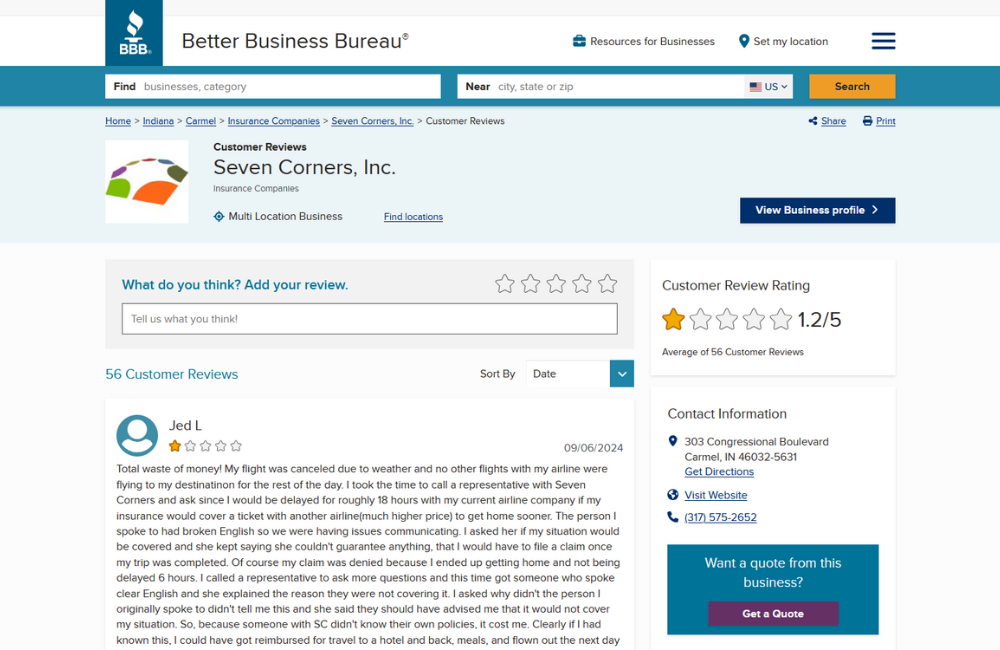
Avoid cutting corners on this one; your safety is worth the investment.

And since we’re talking about investment, let’s invest in ourselves with my next travel tip for solo women.

10. Learn Basic Self-Defence

Basic self-defence can safe your l;ife as a solo female traveller.

Basic self-defence can safe your l;ife as a solo female traveller.

No, you don’t have to be a black belt or kung fu master. But it’s important to know a couple of basics.

So, equip yourself with basic self-defence skills. 

Many of my female traveller friends find it empowering and practical. They often take a class or simply watch tutorials online. 

And here’s another reason I like this solo female travel safety tip: knowing how to defend yourself can boost your confidence and provide crucial protection in an emergency.

11. Avoid Isolated Areas at Night

Please don't take risks with your life.

Please don't take risks with your life.

One of the best ways to stay safe as a solo woman traveller is to avoid dangerous situations. It should really be common sense, shouldn’t it?

Stick to well-lit, populated areas after dark. It’s easier to stay safe when you’re around others. Plan your routes and avoid risky shortcuts to ensure your safety. That dark alley in the middle of the night is not worth it. Trust me.

12. Use Reliable Transportation

Please don't take risks with your life.

Please don't take risks with your life.

Choose safe, reliable transport options. 

I always tell my friends to only use licensed taxis, ride-sharing apps, or public transit from reputable sources. 

And like my mother taught me, always avoid accepting rides from strangers.

Yes, hitchhiking across the most dangerous places to travel sounds exhilarating, but is it worth it?

The simple truth is this: using safe, reliable transportation reduces the risk of encountering unsafe situations during your travels.

13. Stay Sober and Aware

Here's an excellent solo female travel safety tip: Stay sober and aware.

Here's an excellent solo female travel safety tip: Stay sober and aware.

I don’t often drink, but when I do, I do it in moderation. As a solo female traveller, you should do the same.

Keep your wits about you. Limit alcohol consumption to stay alert. Being aware of your surroundings helps you react to potential threats. 

In fact, many solo travellers suggest drinking moderately or not at all when alone.

14. Blend in with the Locals

Always try to blend in with the locals.

Always try to blend in with the locals.

Here’s a grand safety tip for women travelling solo: Dress and behave like a local to avoid drawing attention. 

Observe how locals dress and act, then follow suit. This strategy helps you blend in and reduces the risk of being targeted as a tourist. 

Blending in also has another excellent benefit. You’ll find it’s easier to have an authentic local experience when you behave like a local.

After all, when in Rome…

15. Carry a Personal Safety Device

Carry a safety device with you when you travel solo.

Carry a safety device with you when you travel solo.

Let’s wrap up this list of solo female travel safety tips with my final piece of advice.

Equip yourself with a personal safety device like a whistle, pepper spray, or an alarm. 

You’ll be surprised to learn how many solo travellers carry these for added security. These devices can deter attackers and alert others if you’re in danger. It’s simple, practical and can save your life.

My Final Thoughts

And there you have it: 15 epic solo female travel safety tips. My tips ranged from getting reliable solo travel insurance to trusting your instincts and investing in a personal safety device.

Do you have any solo travel safety tips to share? Let’s hear ‘em!

Read More
9 Most Dangerous Places to Travel
Travel Safety

9 Most Dangerous Places To Travel

Do you know the 9 most dangerous places to travel in the world? 

While there are plenty of safe places to travel, our wonderful world is also home to some of the most dangerous countries for travellers. 

I found 9 dangerous countries, from Ukraine to Yemen and Belarus. Join me as I explore each destination and explain what makes them so dangerous.

Ready? Let’s roll.

9 Most Dangerous Countries to Travel

How did I find the top nine most dangerous countries for travellers? 

I looked at each country's Global Peace Index score and the United States Bureau of Consular Affairs’ travel safety advisories

Next, I averaged the GeoSure Global scores in each country and then used AI to calculate a weighted score reflecting each country’s safety. 

The result? My final list of the 9 most dangerous places to travel:

  1. Ukraine
  2. Sudan
  3. Yemen
  4. Burkina Faso
  5. The Central African Republic
  6. Myanmar
  7. Haiti
  8. Mexico
  9. Belarus

Ready to learn what makes these countries so dangerous, even with excellent travel insurance? Let’s roll.

1. Ukraine

Ukraine is currently the most dangerous country to visit.

Ukraine is currently the most dangerous country to visit.

Unsurprisingly, Ukraine tops my list as the most dangerous country to travel to.

Ukraine is rich in culture and history, with beautiful cities like Kyiv and Lviv, stunning landscapes, and resilient, welcoming people. 

However, the country is fighting for its existence in the largest-scale war since WWII. 

The majority of Ukraine’s major cities are consistently under missile and drone threat. Essential services cannot be guaranteed, and the conflict has no end in sight. 

While the likelihood is still quite low, the possibility of Russia using chemical or nuclear weapons cannot be entirely dismissed. 

With so much uncertainty, I advise against all non-essential travel to Ukraine.

What are the Dangers for Travellers in Ukraine?

Missile and drone attacks. The ongoing conflict results in constant threats to safety, making it imperative to stay alert and prepared for emergencies.

2. Sudan

Sudan is on my list of most dangerous places to travel.

Sudan is on my list of most dangerous places to travel.

Sudan is another land of rich history and diverse cultures. It boasts everything from Meroe's ancient pyramids to Khartoum's bustling streets. 

However, it's currently a dangerous place to visit due to an intense power struggle that escalated into a brutal civil war in April 2023. 

The conflict is between Mohammed “Hemedti” Dagalo, head of the Rapid Support Forces (RSF), and Abdel Fattah Al-Burhan, head of the Sudanese Armed Forces (SAF). This battle has led to the deaths of over two thousand people and displaced more than two million.

The violence includes heavy weapons, indiscriminate small arms fire, and airstrikes in populated areas, causing a severe humanitarian crisis. 

The SAF has launched airstrikes in civilian zones, while the RSF and other groups have engaged in looting, hostage-taking, and robberies. 

Access to food, water, and medicine is critically limited.

What are the Dangers for Travellers in Sudan?

Airstrikes and violent conflict. The ongoing civil war poses extreme risks, making it unsafe with severe shortages of essential goods.

3. Yemen

Yemen is one of the most dangerous places to travel to and should be avoided.

Yemen is one of the most dangerous places to travel to and should be avoided.

Yes, Yemen is a country with a rich cultural history. but, unfortunately, it’s also one of the world’s least developed nations. 
My research showed a staggering 80% of the population, or 21.6 million people, are food insecure and lack access to basic services. 
Despite a recent decrease in the intensity of the civil war, Yemen remains a failed and fractured state with no single controlling entity. 

Healthcare and emergency services are almost non-existent, making it incredibly difficult for travellers to receive necessary care.

The long-term resolution of the civil war remains elusive, and the possibility of renewed hostilities looms large. 

While some may consider travel to the island of Socotra, I strongly recommend against all travel to Yemen due to its dangerous and unstable conditions.

What are the Dangers for Travellers in Yemen?

Lack of essential services. With almost non-existent healthcare and emergency services, the risks are extremely high, compounded by the ongoing potential for violence.


4. Burkina Faso

Burkina Faso is on my list of danegrous places to travel.

Burkina Faso is on my list of danegrous places to travel.

In Burkina Faso, you can explore the vibrant markets of Ouagadougou, the capital city, and experience the rich cultural heritage at the National Museum. 

Here, you can also find the UNESCO-listed Ruins of Loropéni. 

But before you go, know this: Burkina Faso, located in West Africa, faces significant safety challenges, making it a highly risky travel destination. 

The country has been grappling with increasing activity from violent extremism, particularly in the poorer Sahel region. 

Frequent militant attacks and high levels of criminality pose serious risks to visitors, while the underdeveloped medical system makes it difficult to receive adequate care.

The political landscape is equally unstable, with chronic instability fueled by frequent coups adding a high degree of uncertainty to Burkina Faso’s future.

Given these conditions, I strongly advise against travelling to this country.

What are the Dangers for Travellers in Burkina Faso?

Militant attacks and political instability. The ongoing insurgencies and frequent coups create a highly unpredictable and dangerous environment.

5. The Central African Republic

People in the Central African republic are friendly but the country is still a dangerous place for travellers.

People in the Central African republic are friendly but the country is still a dangerous place for travellers.

In the Central African Republic, you can visit the stunning Dzanga-Sangha National Park, home to diverse wildlife, including forest elephants and lowland gorillas. 

But it is currently one of the most dangerous places to travel. 

Ongoing armed conflict between the government and rebel forces, coupled with high levels of violent crime, makes CAR extremely unstable. 

Since 2020, violence between rebel groups and the Wagner-Group-backed government has escalated, exacerbating the country's insecurity.

The borders with Cameroon, Chad, and the Democratic Republic of Congo are particularly hazardous, controlled by various violent non-state actors and plagued by severe violent crime and frequent armed clashes. 

The healthcare system in CAR is far below international standards, making it difficult for travellers to receive proper medical care. 

Travel in CAR should only be undertaken with a full (but low-profile) security detail, following careful route assessments and reconnaissance.

What are the Dangers for Travellers in the Central African Republic? 

Armed conflict and violent crime. The ongoing violence and inadequate healthcare system create severe risks for anyone travelling to this region.

6. Myanmar

Myanmar is a beautiful but dangerous place to travel.

Myanmar is a beautiful but dangerous place to travel.

There’s a lot to do and see in Myanmar.

In Myanmar, you can marvel at the ancient temples of Bagan, where thousands of pagodas dot the landscape. You can also explore the serene Inle Lake, known for its floating villages and unique leg-rowing fishermen.

Sadly, Myanmar is one of the most dangerous places to travel.

Why?

Myanmar is currently embroiled in a severe conflict. A 2021 military coup triggered a civil war that continues to escalate. 

Under the control of Tatmadaw (the Burmese military’s political arm), the central government is battling a coalition of ethnic armed groups (EAG) and pro-democratic forces for control over large swaths of the country.

This conflict has led to widespread use of landmines, indiscriminate use of small arms and artillery in populated areas, and a severe crackdown on civil liberties. 

The war has also disrupted Myanmar’s logistical infrastructure, complicating travel, the supply of basic goods and services, and medical care. 

With the recent "27 October Offensive," it seems increasingly likely that the junta will struggle to control important population centres, trade routes, and resources. 

I advise against all unnecessary travel to Myanmar.

What are the Dangers for Travellers in Myanmar?

Armed conflict and logistical breakdown. The ongoing war and disrupted infrastructure pose severe risks, making travel extremely dangerous.

7. Haiti

It's sad but Haiti is one of the most dangerous places to travel.

It's sad but Haiti is one of the most dangerous places to travel.

Haiti is known for the beautiful beaches of Labadee and the historic Citadelle Laferrière, a mountaintop fortress that offers stunning views.

But, if you want to go trekking, get trekking insurance and head to a safer country.

Why? Because Haiti is currently one of the most dangerous places to visit. 

As the poorest country in the Western Hemisphere, it has become a failed state plagued by violent social upheaval and extreme gang violence. 

Over the past three years, the situation has deteriorated significantly.

Gangs now hold primary power in Haiti, with strong ties to political and security elements. Violence has spread from the periphery of the Cité Soleil neighbourhood to previously safe suburbs in the north. 

Areas like Cité Soleil and Bel-Air are deemed “no-go zones” and should be avoided at all costs. 

What are the Dangers for Travellers in Haiti?

Gang violence and social upheaval. The extreme violence and lack of security make travel in Haiti highly dangerous and unpredictable.

8. Mexico

Would you travel to Mexico if you knew it was on this list of most dangerous countries to visit?

Would you travel to Mexico if you knew it was on this list of most dangerous countries to visit?

Mexico has beautiful beaches and delicious cuisine, but it’s also currently one of the most dangerous places to travel due to the ongoing drug war.

Cartel activity has infiltrated many levels of the economy and society, driving violence across the country, including in popular tourist destinations like Cancun, Tulum, and Puerto Vallarta.

The primary conflict is between the Cartel Jalisco Nueva Generacion (CJNG) and the Sinaloa Cartel (CDS). Still, other major transnational criminal organisations (TCOs) like Los Zetas, the Gulf Cartel, and the Juarez Cartel also contribute to the high levels of violence.

Border regions and areas like Tierra Caliente, which includes parts of Michoacán, Guerrero, and Mexico states, should be avoided if possible.

What are the Dangers for Travellers in Mexico?

Cartel violence. The ongoing battles between powerful drug cartels make many regions extremely dangerous, even for tourists in previously safer areas.

9. Belarus

Belarus is last on my list of most dangerous places to travel.

Belarus is last on my list of most dangerous places to travel.

Despite its relatively low crime rates, Belarus poses significant risks for Western travellers. 

You can visit the historic Brest Fortress in Belarus, a symbol of Soviet resistance during World War II. 

You can also explore the beautiful Mir Castle, a UNESCO World Heritage site, and stroll through Minsk's vibrant streets and parks, the capital city.

Sadly, the country is marked by the threat of arbitrary arrest and detention, government surveillance, and malicious cyber activity. 

The ruling regime has faced widespread unpopularity, especially after the contested 2020 presidential election, leading to frequent protests that can quickly turn violent due to heavy-handed tactics by security forces.

Social media posts criticising the government or commenting on the invasion of Ukraine have led to arrests and criminal charges. 

With Belarus’ precarious geopolitical situation, further "integration" with Russia, whether by fiat or coup d’état, is a looming possibility. 

I strongly advise against all travel for nationals of NATO member countries due to the high risk of arbitrary detention.

What are the Dangers for Travellers in Belarus?

Arbitrary detention and government surveillance. The political instability and heavy-handed response to dissent make it a risky destination for Western travellers.

My Final Thoughts

And there you have it: 9 most dangerous places to travel. Even if you’re brave enough and have excellent travel insurance, I strongly recommend you skip these countries. What do you think?
Read More