australia-coastline-hero
Everything About Travel Insurance

Travel insurance for visitors to Australia: Do you really need it?

Do visitors to Australia need travel insurance? Short answer: yes. 

Travel insurance isn’t legally mandatory for most tourists, but Australia’s government strongly recommends it, and the costs without it can be eye-watering.

Some visas even require you to hold health cover.

In this guide, I’ll explain what Australia does (and doesn’t) cover visitors for, the difference between travel insurance and OVHC, what benefits to look for, and how Rise & Shield’s policy works when you’re in Australia.

Ready? Let’s roll.

Cover your trip today

Planning a trip to Australia? Get comprehensive travel insurance for medical needs, trip interruptions, and more with Rise & Shield. Quick & easy.

My Quick Takeaways

  • For most tourist visas you’re not legally forced to buy insurance, but Australia’s Department of Home Affairs strongly recommends it for visitors without Medicare access.
  • Some visas carry condition 8501 (you must hold health insurance). Check your visa grant letter.
  • Only visitors from a small number of countries get limited public cover via Reciprocal Health Care Agreements (RHCA), and that still doesn’t cover ambulances or non‑essential care.
  • Ambulance rides and hospital care for Medicare‑ineligible visitors are billed at full rates, often upfront. Travel insurance protects you from those costs.
  • Pick a policy with very high medical and evacuation limits, plus solid trip interruption and baggage cover. Check activity cover if you’ll surf, dive or hike.
  • With Rise & Shield, emergency medical, hospital, and evacuation benefits apply when you’re outside your home country, including trips to Australia (age limits and exclusions apply).

What Australia requires (and recommends) for visitors

Here’s how I break the rules down:

Not usually mandatory for tourists. 

If you’re visiting on a standard visitor visa (for example, the Visitor visa subclass 600 Tourist stream), the law doesn’t generally force you to buy insurance. 

That said, Australia’s own guidance says visitors without Medicare should arrange private health insurance for their stay. 

See the Department of Home Affairs' advice on adequate health insurance for visa holders.

When it’s mandatory. 

Some visas include condition 8501, which requires “adequate arrangements for health insurance while in Australia”. 

This can be attached to various temporary visas and sometimes to certain Visitor visa scenarios. Always check your grant notice. 

Here’s the government explainer on visas subject to condition 8501.

My Pro Tip: Even when it’s not a hard requirement, having robust travel insurance is sensible financial protection for any visitor to Australia.
australian-outback-desert

How healthcare works for visitors (and why insurance matters)

Australia’s public system (Medicare) primarily serves residents. Most visitors aren’t eligible.

If your country has a Reciprocal Health Care Agreement (RHCA) with Australia (including the UK, Ireland, NZ and several EU countries), you may get Medicare for medically necessary, public‑system care during your visit, but it’s limited and excludes many costs. 

If you have no RHCA entitlement (for example, many Americans), you pay full private rates. Public hospitals state this clearly and often require an upfront payment or a guarantee from your insurer.

See the Alfred Health guide for patients without a Medicare card for typical fee examples (e.g., A$1,900 per overnight medical bed; A$6,000 per ICU bed).

My Pro Tip: Medicare does not cover ambulances. Overseas tourists in NSW, for example, pay the full cost of ambulance services and kilometres travelled. See NSW Ambulance fees for interstate and overseas residents. Your state may differ, but the principle holds: you’ll be billed.

Ready for unlimited adventure? Get travel insurance that covers over 150 activities and 190 destinations.

Travel insurance vs OVHC: what’s the difference?

Visitors often hear about Overseas Visitors Health Cover (OVHC) and assume it replaces travel insurance. It doesn’t.

OVHC is an Australian private health product designed for non‑residents living in Australia temporarily (and often to meet condition 8501).

It focuses on medically necessary treatment inside Australia’s system and won’t include travel‑style benefits like trip cancellation, baggage, or non‑medical evacuation.

Travel insurance protects you for the whole journey from your home country to Australia and back again.

As well as emergency medical and hospital costs abroad, it typically includes medical evacuation/repatriation, trip cancellation, delays, lost baggage, and personal liability.

It’s the right fit for most tourists. If your visa explicitly requires 8501‑compliant health cover, you’ll usually need OVHC as well. Travel insurance alone won’t satisfy that visa condition.
great-barrier-reef-aerial

What to look for in travel insurance for Australia

Here’s the simple checklist I use when I’m buying cover for a trip Down Under:

1. Very high medical and evacuation limits

Healthcare for non‑residents gets expensive quickly. Choose limits in the millions. 

Under Rise & Shield’s current policy wording, the “Medical and related expenses incurred abroad” benefit is up to US$3,750,000 / US$7,500,000 / US$9,375,000 depending on the plan tier, with emergency evacuation and repatriation included within those medical limits for the higher tiers. 

My Pro Tip: You can review the full schedule and terms in our policy wording. Remember, our policy provides cover when you’re outside your Home (your usual country of residence), which includes trips to Australia.

2. Hospital admission and ambulance costs

An ambulance isn’t free for visitors, and hospitals can ask for upfront payment unless your insurer provides a guarantee.

Make sure your policy responds to emergency treatment and ambulance transport in Australia.

At Rise & Shield, this sits within “medical and related expenses incurred abroad” – see the policy wording above. As always, what’s payable depends on medical necessity and the terms of cover.

Cover your trip today

Planning a trip to Australia? Get comprehensive travel insurance for medical needs, trip interruptions, and more with Rise & Shield. Quick & easy.

3. Strong medical evacuation and repatriation benefits

Australia is vast. If you’re injured while hiking in the Grampians or surfing off the Sunshine Coast, you want rapid evacuation and, if needed, a medically managed flight home.

Our policy includes evacuation and repatriation as part of the medical section when arranged by the assistance provider. Always call us as soon as you can if a hospital stay is likely or if you think evacuation might be needed (details below).

My Pro Tip: Save the  details from your policy certificate in your phone favourites before you fly, and call us as soon as you’re admitted or told evacuation might be needed. It helps us issue guarantees of payment and coordinate care quickly. For contacts and guidance, see Help & Emergencies.

4. Trip cancellation, delays and lost baggage

Long‑haul trips involve connections and checked bags. Look for meaningful limits for cancellation and curtailment, missed connections, delays and baggage.

Rise & Shield’s benefits include cancellation/curtailment, outward delay/missed departure, and baggage/passport cover. See the schedule in the policy document for exact limits by plan.

5. The right activity cover (surfing, diving, hiking and more)

Australia’s an outdoorsy place. If you plan to dive the Great Barrier Reef, surf at Byron, or trek in Tasmania, make sure your activity is listed under your policy’s included activities or add‑on.

With Rise & Shield, activities are covered when listed in Section 11 (and certain higher‑risk options require the relevant add‑on).

My Pro Tip: For sports like scuba, see our quick guide to scuba diving travel insurance. For surfers, here’s our surf travel insurance summary.

Ready for unlimited adventure? Get travel insurance that covers over 150 activities and 190 destinations.

6. Pre‑existing medical conditions

Be honest about any existing conditions and read this bit carefully.

Rise & Shield’s current policy excludes pre‑existing conditions as defined (there’s a clear definition and five‑year look‑back in the wording).

My Pro Tip: If your health history matters to your trip, please read the “Pre‑Existing Conditions” definition.

7. Age limits and who can buy

Per our current wording, cover isn’t available if you’ve reached age 71 at the trip start date (66 for the Adventure Extreme activity level). 

If that’s you, I don’t want you wasting time. Check the policy first or contact us.

8. Already travelling?

Forgot to buy before you flew? There’s an optional “Already Departed” add‑on in the policy for people who are already abroad.

It has specific conditions and a short waiting period for injuries after purchase – see our Already Departed cover for more info.

Cover your trip today

Planning a trip to Australia? Get comprehensive travel insurance for medical needs, trip interruptions, and more with Rise & Shield. Quick & easy.

How Rise & Shield works when you’re in Australia

Here’s a plain‑English, quick walkthrough based on the policy wording.

You get hurt at a national park and need hospital care:

Go to the nearest suitable hospital or call local emergency services (000). As soon as you can, contact our emergency assistance team.

If a hospital stay is likely to exceed 24 hours, you must contact us so we can help with authorisations and, where possible, arrange direct payment.

The doctor recommends evacuation or an escorted flight home:

Our assistance provider assesses and, if medically necessary, arranges evacuation or repatriation. The method (air ambulance, scheduled flight with medical escort, etc.) is at the medical team’s discretion as set out in Section 3.

Your luggage goes missing between LAX and Sydney:

Keep airline reports and receipts. Baggage and delay benefits are explained in Section 4 and the schedule of cover.

Your trip is cancelled before departure due to a covered reason (e.g., serious illness):

Section 1 explains what’s covered, the evidence you’ll need, and key conditions (you must cancel as soon as you know you need to).

If you need us, you can submit a claim.

sydney-skyline-harbor

RHCA visitors: do you still need travel insurance?

Yes. RHCA gives limited access to public care for medically necessary treatment only. 

It won’t cover private hospital costs, medical evacuation/repatriation, trip cancellation, baggage, or your excesses abroad. 

Some states also bill for ambulances regardless. Insurance plugs those gaps. Read your country’s specific RHCA page before you travel via Services Australia – when you visit Australia.

OVHC or travel insurance – which should I buy?

Short‑term tourists with no 8501 requirement: travel insurance is usually the right tool. It covers you door‑to‑door across borders and includes non‑medical benefits you’ll actually use on a trip.

Visitors with condition 8501 (or longer stays where you want local health cover): you’ll typically need OVHC to satisfy the visa.

Travel insurance still adds evacuation, cancellation, baggage, and liability benefits around your flights and excursions.

Many travellers carry both for different reasons. See the government’s guidance on adequate health insurance for visa holders and the OVHC overview on PrivateHealth.gov.au.

Ready for unlimited adventure? Get travel insurance that covers over 150 activities and 190 destinations.

How to buy smart (and set yourself up for a smooth claim)

Here are some tips for getting the best Australia travel insurance:

  1. Choose the right region: Australia sits within our “Worldwide” options. If you’ll also visit North America on the same trip, pick “Worldwide including North America”.
  2. Declare your usual country of residence accurately. Our policy covers you when you’re outside your Home (as defined in the policy).
  3. Match your activity level to your plans (diving depth, hiking altitude, etc.).
  4. Keep every receipt and report (medical, airline PIR, police reports). Photograph paperwork before you leave a desk.
  5. If admitted to hospital or told evacuation might be needed, contact the emergency assistance team immediately (details are on your policy certificate and on our Help & Emergencies page).
road-trip-australia-travellers

FAQs about travel insurance for Australia

Is travel insurance mandatory for visitors to Australia?

Not for most tourists. However, Australia’s Department of Home Affairs strongly recommends private health insurance for anyone without Medicare access, and some visas include condition 8501 (you must hold health insurance). 

Always check your visa grant letter. See the official guidance on adequate health insurance for visa holders.

Do UK visitors with RHCA still need travel insurance for Australia?

Yes. RHCA gives limited access to medically necessary treatment in the public system only. It doesn’t cover ambulances, private hospital care, evacuation/repatriation, trip cancellation or baggage.

Travel insurance fills those gaps. Start with Services Australia’s RHCA pages for your country, then add a proper travel policy.

What’s the difference between OVHC and travel insurance in Australia?

OVHC is Australian private health cover for non‑residents staying in Australia (often to meet visa condition 8501). It focuses on in‑Australia medical treatment.

Travel insurance protects your whole trip door‑to‑door and includes evacuation, cancellation, baggage and liability. Many short‑term tourists buy travel insurance; those with 8501 usually need OVHC as well.

How much medical cover should I get for an Australia trip?

Pick limits in the millions. Rise & Shield’s current tiers offer up to US$3.75m, US$7.5m or US$9.375m for medical expenses incurred abroad (evacuation and repatriation included within medical for higher tiers). Australia’s hospital and ambulance bills for visitors can be significant, so high limits matter.

Are activities like diving the Great Barrier Reef or surfing covered?

They can be, as long as the activity appears on your policy’s list or you add the right activity pack. 

With Rise & Shield, standard activities are listed in Section 11, and some higher‑risk sports require the add‑on. If you plan to dive or surf, see our guides to scuba diving travel insurance and surf travel insurance.
uluru-sunrise

My Final Thoughts

And there you have it: If you’re visiting Australia, treat travel insurance as essential kit.

The government recommends it, ambulance and hospital bills can bite, and RHCA (if you have it) only goes so far. 

Pick high medical/evacuation limits, make sure your activities are covered, and save the emergency number before you fly.

If you want help choosing the right plan for your trip, I’m happy to point you in the right direction: get in touch.

Read More
packing-suitcase
Everything About Travel Insurance

Last-Minute Travel Insurance: How Late You Can Buy, What It Covers, Pitfalls + Pro Tips

Can I buy last-minute travel insurance? Yes. You can usually buy travel insurance right up to the day you leave. 

With Rise & Shield, you can even add cover after you’ve already set off (there’s a short waiting period and a few limits I’ll explain).

In this guide, I’ll show you exactly what last-minute travel insurance does and doesn’t cover, how it works if you’re already abroad, what to watch for with pre‑existing conditions and known events, and how to buy quickly with no faff.

Ready? Let's roll.

Cover your trip today

Planning a trip? Get comprehensive travel insurance for medical needs, trip interruptions, and more with Rise & Shield. Quick & easy.

My Quick Takeaways

  • Buying late still works for most post‑departure benefits (medical, evacuation, baggage, delays). Cancellation is the tricky bit.
  • Rise & Shield sells an optional “Already Departed travel insurance policy” so you can start cover after you’ve left, with a 48‑hour waiting period and no 14‑day cooling‑off.
  • Cancellation only helps with problems that arise after you’ve bought the policy; anything you already knew about is excluded (see our policy wording).
  • Pre‑existing conditions are excluded in our wording; many insurers only waive this if you buy early (Rise & Shield’s wording doesn’t include a waiver).
  • Prices are driven by trip cost, duration, age and cover level, not by how early you buy. So, buying earlier mainly extends your cancellation window.

What is “last-minute” travel insurance?

When I say last minute, I mean buying a policy very close to departure, same day or the day before. You can do that online in minutes. 

Many travellers also want to know if they can start cover after they’ve already left home. 

With Rise & Shield, that’s possible via our “Already Departed” add‑on (details below).

What does it usually cover if you buy late?

Once your policy is live, the core post‑departure protections kick in for unexpected events that happen after purchase. That typically includes:

  • Emergency medical treatment and related expenses abroad
  • Medical evacuation and repatriation
  • Personal belongings (luggage, money and passport) within the policy limits
  • Travel delays, missed connections or abandonment

Those are the bits most people actually need on the road. 

Where late buying gets awkward is pre‑departure stuff like cancellation, because insurance can’t pay for something you already knew was likely to happen.

road-trip-car

The big caveat: cancellation cover when you buy late

Most travellers equate travel insurance with “getting my money back if I have to cancel”.

That can still be true when you buy near departure, but only for events that crop up after you purchase. 

Our wording says cancellation can’t cover circumstances you already knew about before you booked or insured the trip. 

In plain English: if the reason to cancel existed before you bought cover, you can’t claim for it. Check the Rise & Shield policy wording.

There are also classic “foreseeable event” pitfalls.

For example, once a tropical storm is officially named, it’s generally considered foreseeable, so buying a policy after that won’t add hurricane cancellation cover for that storm. If severe weather might derail your trip, don’t wait.

Ready for unlimited adventure? Get travel insurance that covers over 150 activities and 190 destinations.

Can I buy travel insurance after I’ve already left?

Yes! Rise & Shield offers an optional “Already Departed” add‑on so you can start coverage mid‑trip. Key points from the wording:

  • There’s a 48‑hour waiting period before full cover begins. During that time, cover is limited to verified injuries from sudden accidents.
  • Pre‑existing conditions and any illness or injury that occurs during that 48‑hour wait are excluded.
  • There’s no 14‑day cooling‑off period when you buy after departure (so no refund if you change your mind).
  • It’s not available on Annual Multi‑Trip policies, so use it for single‑trips only.

If you’ve already set off and want cover for the rest of your journey, this is the route. 

Just understand you won’t be covered for issues that kick off in the first 48 hours (unless it’s a sudden accident), and you can’t backdate anything. It’s all set out in the policy wording.
beach-vacation

When cover starts (and ends) if you buy close to departure

For a Single Trip with Rise & Shield, cancellation cover starts from the date you take out the insurance and ends the moment your trip begins; the rest of the benefits apply during the trip dates shown on your validation certificate.

That means even a last‑minute policy gives you cancellation cover for brand‑new problems that pop up after purchase but before you fly.

Annual Multi‑Trip works similarly, but the cancellation period starts from booking each trip.

Cover your trip today

Planning a trip? Get comprehensive travel insurance for medical needs, trip interruptions, and more with Rise & Shield. Quick & easy.

Pre‑existing medical conditions: why timing matters

Rise & Shield’s policy excludes claims arising from pre‑existing medical conditions as defined in the wording (it uses a five‑year look‑back and includes conditions under investigation at the Start Date).

Many insurers only relax that via an early‑purchase waiver window (typically 14–21 days after your first trip payment), which is another reason not to leave it too late—though our wording doesn’t include a waiver provision.

My Pro Tip: Got a pre-existing medical condition? You can learn more about how we deal with it by reading our pre-existing medical conditions and travel insurance page.
mountain-getaway

What last-minute travel insurance won’t do

Last‑minute cover won’t pay out for problems you already knew about when you purchased (the known‑event rule).

It won’t backdate cover for events that started before you bought the policy or during any waiting period. If you’ve already departed, there’s no cooling‑off period for refunds.

And it won’t override exclusions. If an activity, destination or medical situation is excluded, buying late doesn’t change that. 

My Pro Tip: Always check the specifics and limits for your plan and dates in the current Rise & Shield policy wording (PDF).

Ready for unlimited adventure? Get travel insurance that covers over 150 activities and 190 destinations.

How to buy last-minute (properly) in under 10 minutes

Here's how to buy last-minute travel insurance in 6 easy-to-follow steps.

Step 1: Choose Single Trip vs Annual Multi‑Trip

Single Trip is usually best if you’ve already booked one set of dates. Annual Multi‑Trip suits frequent travellers, but remember the “Already Departed” add‑on is for single trips only.

How to buy travel insurance online - step 1

Step 2: Confirm your destinations and dates

Make sure your destination(s) sit within the policy’s geographical limits, and the trip length fits your plan’s maximum duration.

My Pro Tip: Use our interactive destination picker to understand in which geographical bucket your destination falls.
My Bonus Pro Tip: If you’re already abroad, buy the “Already Departed” add‑on as soon as you realise. Your 48‑hour clock only starts from purchase, and accidents are the only thing considered during that wait.
How to buy travel insurance online - step 2

Step 3: Think about activities

If you’re doing anything beyond standard holiday activities (trekking, diving, etc.), make sure your plan includes it or add the relevant activity pack.

My Pro Tip: Our interactive activity tool shows you which optional add-on you need for each activity you will be doing while travelling.

How to buy travel insurance online - step 4

Step 4: Set the right trip cost (if you want cancellation cover)

Insure what’s prepaid and non‑refundable. If you’re buying same‑day, you may have little left to insure for cancellation, but you still get the medical and travel benefits for the trip itself.

Step 5: Pay and store your docs

Save the PDFs to your phone and email. Add the emergency assistance details to your contacts (they’re in your documents), or bookmark our Emergency Assistance page for quick access.

How to buy travel insurance online - step 5

Step 6: Tell your travel companion

Share the policy number and emergency contacts so someone else can call on your behalf if needed.

Ready for unlimited adventure? Get travel insurance that covers over 150 activities and 190 destinations.

Is last-minute travel insurance more expensive?

Not typically. Premiums are based mainly on trip cost, duration, traveller age and cover level, not the number of days before departure.

Buying earlier doesn’t usually make it cost more or less; it just gives you more time under cancellation cover.

As a ballpark, comprehensive policies often come in around 4–7% of the trip cost (age and cover choices can move that needle up or down).

city-skyline

Two quick last-minute travel insurance scenarios to make it real

Here are some examples of how last-minute travel insurance works.

Scenario 1: Buying on the day you fly

What you get: medical and evacuation cover for the trip, plus baggage and delay cover. You also get a sliver of cancellation cover for anything genuinely new that happens after purchase but before you check in.

What you don’t: cover for issues you already knew about (for example, your travelling companion was already ill), or for a storm that was named before you purchased.

Scenario 2: You forgot, and you’re already abroad

What you get: if you add Rise & Shield’s “Already Departed” add‑on today, full cover clicks in after 48 hours. During those first 48 hours, accidents can be considered; illnesses aren’t.

What you don’t: any cooling‑off period, or cover for events that begin in the waiting period (unless it’s a sudden accident).

Cover your trip today

Planning a trip? Get comprehensive travel insurance for medical needs, trip interruptions, and more with Rise & Shield. Quick & easy.

What about claims if I buy at the last minute?

Claims work the same way: keep receipts, report things promptly and follow the policy instructions.

If it’s medical, contact emergency assistance as soon as it’s safe to do so (the number and email are in your documents).

My Pro Tip: Our Emergency Assistance page explains what information to have ready before you call.
airport-arrival

FAQs about last-minute travel insurance

Can I buy last-minute travel insurance on the day I fly?

Yes. You can usually buy right up to departure. You’ll get the post‑departure benefits for the trip and a narrow cancellation window for anything new that arises after purchase but before you leave. If you want the fullest cancellation protection, buy sooner.

Can I start cover after I’ve already departed?

Yes, Rise & Shield’s optional “Already Departed” add‑on lets you begin cover mid‑trip with a 48‑hour waiting period (accidents only during that window), no cooling‑off period and no pre‑existing condition cover. 

It’s not available on Annual Multi‑Trip policies. Full details are in the policy wording.

Will last-minute insurance cover pre‑existing conditions?

Not under Rise & Shield’s wording—claims arising from pre‑existing conditions are excluded, including conditions under investigation at the Start Date. 

Some insurers on the wider market only waive this if you buy within a short post‑booking window; Rise & Shield’s wording doesn’t include that waiver.

Does buying earlier change the price?

Price is mainly driven by age, trip cost, duration and cover level—not how far in advance you buy. Buying early simply gives you more days of cancellation cover. 

A broad rule of thumb for cost is around 4–7% of trip price, depending on your details.

Will it cover hurricanes or other named storms if I buy late?

Not for a storm that’s already been officially named—that’s generally treated as a foreseeable event. If weather worries you, buy before anything affecting your trip is named. NerdWallet’s guide explains why.

Ready for unlimited adventure? Get travel insurance that covers over 150 activities and 190 destinations.

My Final Thoughts

And there you have it: Everything you need to know about last-minute travel insurance. If you’re leaving soon, don’t overthink it. Buy now so you’ve got medical, evacuation and travel disruption cover in place for the trip itself. 

If you’ve already departed, use the “Already Departed” add‑on and get the 48‑hour clock running. 

If cancellation protection matters to you, buy as soon as you book next time, and keep your documents (and our emergency assistance details) handy before you go.

Read More
Is Turkey in Europe for Travel Insurance_ Here’s the Right Cover to Choose
Everything About Travel Insurance

Is Turkey in Europe for Travel Insurance? Here’s the Right Cover to Choose

Wondering if Turkey is in Europe for travel insurance? 

Yes, at Rise & Shield, we place Turkey in Europe for travel insurance.

That means if you are travelling to Turkey and your journey does not pass through North America, you can choose Europe. 

If your trip does route through North America, you will need to choose Worldwide (including North America) instead.

It sounds simple, but this question trips people up all the time. 

Turkey sits in both Europe and Asia, so travellers often assume insurers will all classify it the same way. They do not. 

Some insurers treat Turkey as Europe, while others put it in Worldwide. That is exactly why it is worth checking the destination region before you buy.

Cover your trip today

Planning a trip to Turkey? Get comprehensive travel insurance for medical needs, trip interruptions, and more with Rise & Shield. Quick & easy.

Why do people ask, “is Turkey in Europe for travel insurance”?

Because Turkey is in two continents, but insurance regions are set by insurers, not geography alone.

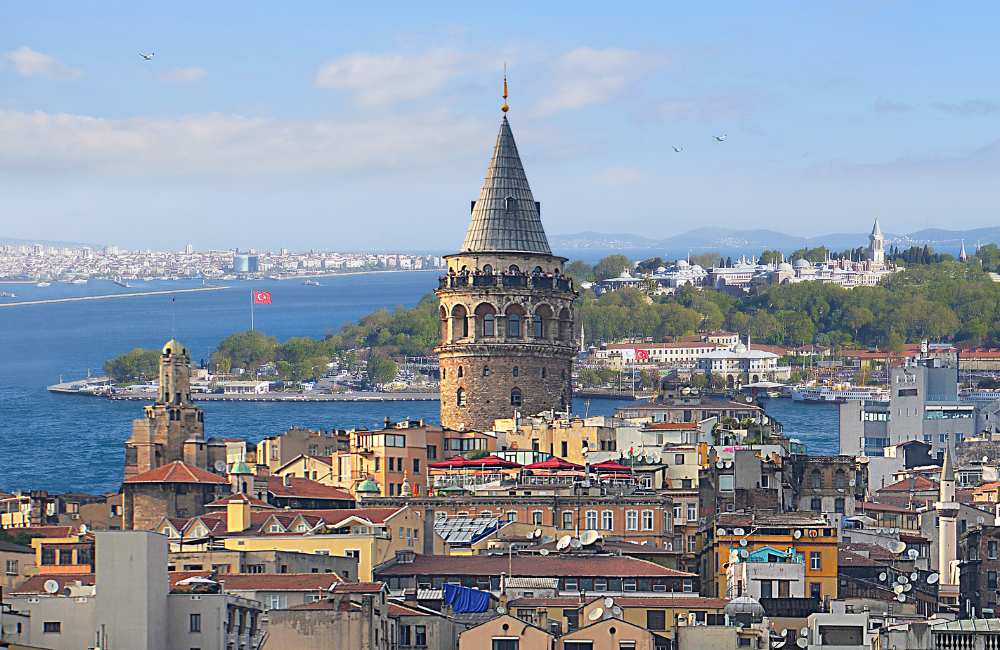
Turkey is one of those destinations that loves to keep things interesting. Geographically, it lies partly in Europe and partly in Asia. 

For travel insurance, though, that does not automatically tell you which region to buy. Insurers make their own rules, and those rules vary.

So when people search is turkey in europe for travel insurance, they are really asking a more practical question: which destination region should I pick so my trip is covered properly?

At Rise & Shield, the answer is nice and straightforward: Turkey is in Europe.
Is Turkey classed as Europe or Worldwide for travel insurance

Is Turkey classed as Europe or Worldwide for travel insurance?

At Rise & Shield, Turkey is classed as Europe.

That is the answer for our destination tool and our quote journey. 

So if you are buying travel insurance for Turkey with us, Europe is the right region unless your flights or routing take you through North America.

This matters because your region selection should match your real itinerary, not just the destination you have in mind. A quick stop, transit, or longer routing via North America changes the region you need.

If you want to check destinations before buying, head to our Destinations page.

Ready for unlimited adventure? Get travel insurance that covers over 150 activities and 190 destinations.

What if my trip to Turkey goes via North America?

If your journey passes through North America, you need Worldwide, including North America coverage.

This is the bit that catches people when they focus only on the destination and forget the route. 

You might be heading to Turkey, but if your flights take you through the US, Canada, or another North American stop, then Europe is no longer enough in our quote flow.

So the rule is:

  • Europe for Turkey if your journey does not pass through North America,
  • Worldwide (including North America) if it does.

Tiny detail. Very non-tiny consequences if you get it wrong.

Why does Turkey confuse travel insurance customers so often

Why does Turkey confuse travel insurance customers so often?

Because many competing insurers describe it slightly differently.

When I looked at the live search results, most of the ranking pages said some version of: “Turkey is usually covered under Europe, but always check with your insurer.” 

That is helpful as far as it goes, but it is also a bit wishy-washy.

We can do better than that.

For Rise & Shield, we do not need to dance around it. 

Our position is clear: Turkey is in Europe for travel insurance, unless your route goes via North America, in which case you need Worldwide including North America.

That makes this one of those rare insurance questions with a clean answer. Miracles do happen.

Cover your trip today

Planning a trip to Turkey? Get comprehensive travel insurance for medical needs, trip interruptions, and more with Rise & Shield. Quick & easy.

Does geography matter for travel insurance to Turkey?

Yes, but your insurer’s destination rules matter more.

Turkey is a transcontinental country, which is the proper grown-up way of saying it spans both Europe and Asia. That explains why travellers get confused. It also explains why different insurers handle it differently.

But when you are choosing travel insurance to Turkey, the insurer’s region rules are what count. Geography explains the confusion. Your policy wording and quote flow decide the cover.

If you are comparing options, it also helps to look at our Turkey travel insurance page and our plan comparison page.
Do you still need travel insurance for Turkey if it is classed as Europe

Do you still need travel insurance for Turkey if it is classed as Europe?

Yes, being in Europe for insurance purposes does not make the risks disappear.

The UK government advises travellers to get appropriate travel insurance for their itinerary, activities, and emergency costs. That matters for Turkey just as much as anywhere else.

The destination region is only the first step. You also need to think about what you are doing on the trip and whether your cover matches it.

That could include:

  • city breaks in Istanbul
  • coastal holidays
  • hot air balloon trips
  • hiking and outdoor adventures
  • winter sports or activity-heavy itineraries
So if you are shopping for travel insurance turkey cover, do not stop at “Europe or Worldwide?” Make sure the rest of the policy fits the trip, too.

Ready for unlimited adventure? Get travel insurance that covers over 150 activities and 190 destinations.

Does GHIC work in Turkey?

No, GHIC and EHIC are not valid in Turkey.

That is another reason not to wing it. 

Some travellers assume that if Turkey is treated as Europe by an insurer, their GHIC must work there too. It does not. 

Turkey is not part of the GHIC system, so you should not rely on it for medical care abroad.

That makes proper travel insurance even more important, especially if you are travelling with medical needs, expensive gear, or plans that go beyond lying beside a pool and pretending emails do not exist.

Before you go, it is worth checking the latest UK Foreign Travel Advice for Turkey and the health guidance on TravelHealthPro.

My Pro Tip: We also have this handy foreign travel advice tool to help you stay safe. Check the current travel warnings for Turkey before you travel.
Are there any travel warnings that matter for insurance in Turkey

Are there any travel warnings that matter for insurance in Turkey?

Yes, parts of Turkey are under FCDO travel warnings, and that can affect cover.

The FCDO currently advises against all travel to some areas, including within 10km of the Turkey-Syria border. 

That does not mean all trips to Turkey are a problem. It does mean you should check the latest advice for the specific places you are visiting.

This matters because travelling against official advice can invalidate insurance. 

So even if you have chosen the correct region, you still need to make sure your destination and activities fit within the policy rules.

For broader prep before you fly, you can also check our travel advice page.

Ready for unlimited adventure? Get travel insurance that covers over 150 activities and 190 destinations.

What is the right answer for “for travel insurance is Turkey in Europe”?

At Rise & Shield, yes, Turkey is in Europe for travel insurance.

That means Europe is the right region for Turkey unless your journey passes through North America. If it does, choose Worldwide (including North America) instead.

So if you were searching for travel insurance is turkey in europe, there you go: for Rise & Shield, the answer is yes. Just make sure your route matches the region you select.
FAQs About Turkey Travel Insurance

FAQs About Turkey Travel Insurance

Is Turkey in Europe for travel insurance?

Yes. At Rise & Shield, Turkey is classed as Europe for travel insurance.

Do I need Worldwide cover for Turkey?

Not usually. For Rise & Shield, Europe is the right region for Turkey unless your journey passes through North America.

What if I fly to Turkey via the United States or Canada?

You need Worldwide (including North America), because your route passes through North America.

Does GHIC work in Turkey?

No. GHIC and EHIC are not valid in Turkey.

Is Turkey geographically in Europe?

Partly. Turkey lies in both Europe and Asia.

Should I still check travel advice before going?

Yes. Always check the latest official advice for the specific areas you plan to visit.

Cover your trip today

Planning a trip to Turkey? Get comprehensive travel insurance for medical needs, trip interruptions, and more with Rise & Shield. Quick & easy.

My final thoughts

And there you have it: Is Turkey in Europe when buying travel insurance? Yes, Turkey is in Europe for travel insurance. Safe and happy travels!

Read More
Is Cape Verde in Europe for Travel Insurance_ The Right Region to Choose
Everything About Travel Insurance

Is Cape Verde in Europe for Travel Insurance? The Right Region to Choose

Are you frantically typing, "is Cape Verde in Europe for travel insurance?"

No. Cape Verde is not in Europe for travel insurance, and at Rise & Shield we place it in our Worldwide region.

If your journey does not pass through North America, choose Worldwide (excluding North America). If it does pass through North America, choose Worldwide (including North America).

That is the short answer, but it is worth unpacking because this catches people out all the time. 

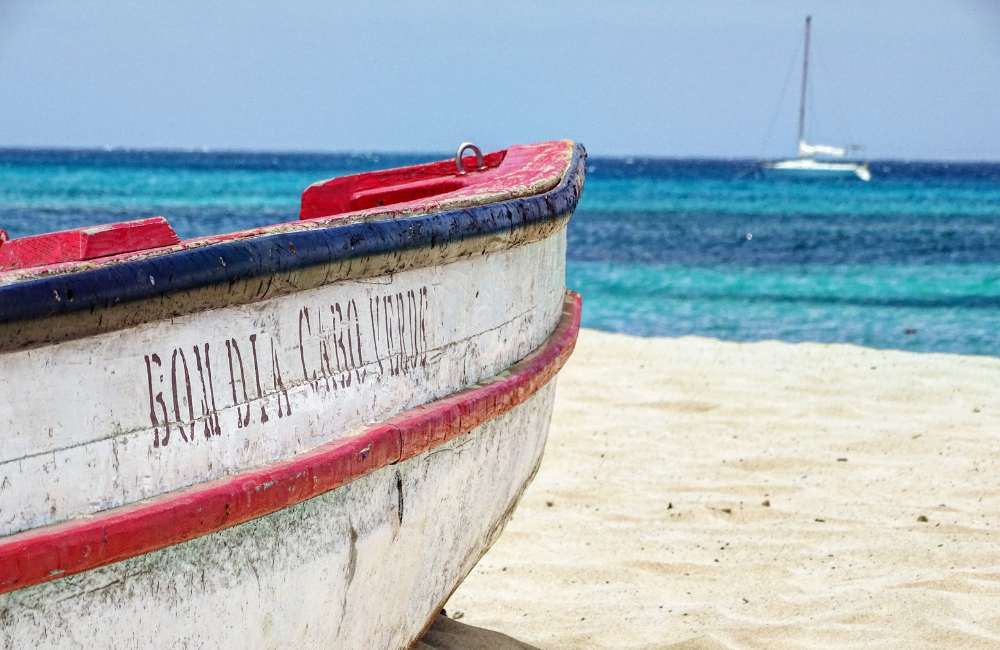
Cape Verde, also called Cabo Verde, is an island country off the west coast of Africa. 

Even though it has strong links to Europe and is a popular beach destination for UK travellers, it is not usually treated as “Europe” for travel insurance. 

So if you are searching for Cape Verde travel insurance, do not assume a Europe policy will do the job.

Cover your trip today

Planning a trip to Cape Verde? Get comprehensive travel insurance for medical needs, trip interruptions, and more with Rise & Shield. Quick & easy.

Why do people ask if Cape Verde is in Europe for travel insurance?

Because travel insurance regions do not always follow simple geography.

This is where things get mildly annoying. Some destinations outside mainland Europe are still included by some insurers in “Europe” cover.

That is why travellers get used to the idea that if a place feels close to Europe, popular with European holidaymakers, or tied to Europe historically, it might sneak into a Europe policy.

Cape Verde usually does not work like that. 

Across the current search results, insurers and comparison sites are pretty consistent: Cape Verde is normally treated as a worldwide destination for travel insurance, not a European one.
What travel insurance region should you choose for Cape Verde

What travel insurance region should you choose for Cape Verde?

At Rise & Shield, choose Worldwide for Cape Verde.

That means:

  • Worldwide (excluding North America), if your trip to Cape Verde does not route through North America
  • Worldwide (including North America,) if your trip does route through North America

This matters more than people think. Choosing the wrong destination region is one of those mistakes that feels tiny when you buy the policy and much less tiny when you need help abroad.

If you want to double-check destinations before buying, see our Destinations page.

Ready for unlimited adventure? Get travel insurance that covers over 150 activities and 190 destinations.

Why is Cape Verde not usually classed as Europe for travel insurance?

Because Cape Verde is in Africa, most insurers price it as a worldwide destination.

Geographically, Cabo Verde sits in the Atlantic Ocean off the west coast of Africa. That alone does not automatically decide how every insurer will classify it, but in practice, the market trend is pretty clear: Cape Verde is usually outside Europe for insurance purposes.

So while the question “is Cape Verde in Europe for travel insurance?” is completely fair, the answer is still no for most policies.

Why does choosing the right region matter

Why does choosing the right region matter?

Because your insurance should match your actual itinerary.

The UK government’s advice is simple: your insurance should cover your destination, itinerary, activities, and emergency costs. That is the bit people skip when they are in a hurry and just want the cheapest option.

For travel insurance to Cape Verde, the region is step one. After that, check the rest of the trip properly:

  • where you are going
  • how you are getting there
  • what activities you plan to do
  • whether you have any medical conditions to think about
If you want a broader guide to choosing cover, read our Adventure Travel Insurance guide.

Cover your trip today

Planning a trip to Cape Verde? Get comprehensive travel insurance for medical needs, trip interruptions, and more with Rise & Shield. Quick & easy.

Do you still need travel insurance for Cape Verde if you are only going for a beach holiday?

Yes. Even a straightforward resort trip still needs proper cover.

Cape Verde may look like a classic fly-and-flop destination, but the practical risks do not disappear just because you are planning more pool than hiking. 

The UK Foreign Office says GHIC cards are not accepted in Cape Verde, and it also says healthcare on the islands is basic and limited.

That matters.

If something goes wrong, you do not want to discover halfway through a medical emergency that you bought the wrong region, skipped proper cover, or assumed your GHIC would sort it out. Spoiler: it will not.

Before you travel, it is smart to check the latest UK Foreign Travel Advice for Cape Verde and the health guidance on TravelHealthPro.

My Pro Tip: We also have this handy foreign travel advice tool to help you stay safe. Check the current travel warnings for Cape Verde before you travel.
What else should you check before buying travel insurance for Cape Verde

What else should you check before buying travel insurance for Cape Verde?

Check the route, the activities, and the fine print.

A quick checklist will save you a lot of future swearing:

  • Your route: if you pass through North America, buy the region that includes it
  • Your activities: water sports, quad biking, diving, hiking, and guided excursions can all affect cover
  • Your health: declare anything relevant and make sure your policy matches your needs
  • Latest advice: check for current safety or health alerts before you fly
  • Your documents: read the wording, not just the headline benefits
If you want a sensible pre-trip refresher, our travel safety tips page is a good place to start.

Ready for unlimited adventure? Get travel insurance that covers over 150 activities and 190 destinations.

Is Cape Verde safe enough to travel to without worrying about insurance?

No destination is safe enough to skip insurance.

Right now, official UK advice says healthcare in Cape Verde is limited, GHIC is not accepted, and travellers should pay attention to current health updates. 

That does not mean “do not go”. It means “go prepared”.

That is the real point of travel insurance for Cape Verde. It is not there because you expect disaster. 

It is there because islands, flights, illness, delays, medical transfers, and travel admin have a talent for becoming expensive at speed.

What is our final answer on Cape Verde travel insurance

What is our final answer on Cape Verde travel insurance?

Cape Verde is not in Europe for travel insurance, so choose Worldwide cover.

At Rise & Shield, we place Cape Verde within the Worldwide region.

Choose Worldwide (excluding North America) if your trip does not pass through North America, and Worldwide (including North America) if it does.

Simple question. Important answer. And definitely one worth getting right before you travel.

Ready for unlimited adventure? Get travel insurance that covers over 150 activities and 190 destinations.

FAQs About Cape Verde Travel Insurance

Is Cape Verde in Europe for travel insurance?

No. Cape Verde is usually not classed as Europe for travel insurance and is typically treated as a worldwide destination.

Is Cape Verde classed as worldwide for travel insurance?

Yes. At Rise & Shield, Cape Verde sits in the Worldwide region.

Do I need travel insurance for Cape Verde if I am staying in a resort?

Yes. Even for a resort holiday, you still need cover for medical issues, delays, cancellations, and other unexpected costs.

Does GHIC work in Cape Verde?

No. GHIC cards are not accepted in Cape Verde.

Where should I check travel advice before going?

Check the UK Foreign Travel Advice for Cape Verde and TravelHealthPro before you travel.

Do I need Worldwide, including North America for Cape Verde?

Only if your journey passes through North America. If it does not, Worldwide, excluding North America is the right choice.

Cover your trip today

Planning a trip to Cape Verde? Get comprehensive travel insurance for medical needs, trip interruptions, and more with Rise & Shield. Quick & easy.

My final thoughts

And there you have it: Is Cape Verde in Europe when buying travel insurance? No, Cape Verde is not in Europe for travel insurance, so always choose Worldwide cover. Safe and happy travels!

Read More
Adventure Travel Insurance_ What It Is, What It Covers, and How to Choose the Right Policy
Everything About Travel Insurance

Adventure Travel Insurance: What It Is, What It Covers, and How to Choose the Right Policy

I’ll be honest: most people only think about adventure travel insurance when something goes wrong.

And because I’m Head of Operations at Rise & Shield, I see the same “something went wrong” patterns again and again.

A twisted ankle that turns into a hospital bill. A “harmless” activity that turns out to be excluded. A trek that’s technically “not mountaineering” but still sits above an altitude limit in the fine print.

Adventure is the fun part. Sorting out the boring-but-important stuff is my job.

So in this guide, I’m going to explain adventure travel insurance. What it is. Why it matters. When you need it. The common traps. And how to buy cover that actually matches the trip you’re taking.

Ready? Let’s roll.

My Quick Takeaways

If you only read one section, make it this one.

  1. Adventure travel insurance is travel insurance that specifically includes the activities you’re doing (and the risks that come with them).

  2. “Standard” policies often exclude activities, altitude, off-piste, or anything that looks remotely spicy.

  3. Before you buy, check these three things: Is your exact activity covered (not just something vaguely similar)? Are there limits (altitude, depth, supervision, safety kit)? Does it include strong emergency medical and evacuation support for remote places?

  4. It’s non-negotiable when the trip is built around the activity (trekking, skiing, diving, biking, climbing) or you’ll be in remote areas.

  5. Buy insurance as soon as you book, so you’re covered for cancellations before you even leave home.

What Is Adventure Travel Insurance

What Is Adventure Travel Insurance?

Adventure travel insurance is travel insurance designed to cover trips where you’re doing activities that carry a higher risk than a typical “museum and a nice lunch” holiday.

In practice, that means one thing: it’s insurance that’s set up to cover your medical and travel costs if things go wrong while you’re doing the activities you actually plan to do.

Here’s why this matters.

Many travel insurance policies cover medical emergencies, cancellations, delays, and lost baggage in a general sense.

But they often limit or exclude claims that happen while you’re doing certain sports or adventure activities, or above certain altitude/depth thresholds.

So the job of “adventure sports travel insurance” (and the more intense cousin, “extreme sports travel insurance”) is to remove those gaps by explicitly covering the activities and conditions your trip includes.

And that brings up an interesting point. What’s the difference between adventure travel insurance and extreme sports travel insurance? Let me explain.

Ready for unlimited adventure? Get travel insurance that covers over 150 activities and 190 destinations.

Adventrue Travel Insurance vs. Extreme Sports Insurance

People ask me this a lot: What’s the difference between adventure travel insurance and extreme sports travel insurance?

The frustrating answer is: it depends on how the insurer categorises the activity.

Some insurers use “adventure” to mean things like guided trekking, kayaking, snorkelling, zip-lining, and recreational scuba within certain limits.

“Extreme” often means anything that’s higher risk, more technical, or more remote. 

Think: off-piste skiing, mountaineering, high altitude trekking, skydiving, or downhill mountain biking at a bike park where gravity has a personal vendetta.

But here’s the real-world difference that matters more than the label...

Incidental vs Main Purpose

Incidental vs Main Purpose

Some policies are happy to cover an activity if it’s incidental (a small part of a broader trip), but not if the whole trip is built around it.

That can catch people out, because your idea of “incidental” and an insurer’s idea of “incidental” are not always the same. 

If you’re flying to Nepal to trek, the trek is not incidental.

If you’re doing a city break and decide to take a guided kayak tour, that might be incidental. The point is: be clear about what you’re actually doing.

Cover your trip today

Planning a trip? Get comprehensive travel insurance for medical needs, trip interruptions, and more with Rise & Shield. Quick & easy.

Limits and Conditions

Even when a policy “covers” an activity, it may only cover it under certain conditions:

  • altitude limits for trekking
  • depth limits for scuba
  • on-piste only for skiing
  • supervised only (licensed guide/operator required)
  • safety kit requirements

You’ll see this kind of detail in activity-specific policy wording. For example, some abseiling cover can require a licensed operator and a certified safety kit.

Limits and Conditions

What Does Adventure Travel Insurance Cover?

Let’s keep this simple. A solid adventure travel insurance policy is still built on the same foundations as normal travel insurance.

The difference is that it’s configured to include your activities and the realistic costs of getting you help in adventurous places.

These are the big cover areas most travellers care about:

Emergency Medical Expenses

If you need medical treatment abroad, this is the part that pays for it (subject to policy terms, limits, and exclusions). 

GOV.UK is very clear that medical costs can be extremely expensive if you don’t have appropriate insurance.

Ready for unlimited adventure? Get travel insurance that covers over 150 activities and 190 destinations.

Evacuation and Repatriation

If you need to be transported to medical care (or back home), this is where evacuation and repatriation come in. For remote trips, this isn’t a “nice to have”. It’s the whole point.

Trip Cancellation and Curtailment

If you have to cancel before you go, or cut your trip short, this can protect the money you’ve already spent (again, subject to policy terms). That’s why major UK advice bodies recommend buying your insurance as soon as you book.

My Pro Tip: Not familiar with these terms? Check out my guide on trip interruption insurance.

Delays and Missed Connections

Flights get delayed. Connections get missed. Sometimes weather decides your itinerary is merely a suggestion.

Baggage and Equipment

Baggage and Equipment

This varies a lot. If you’re travelling with expensive kit, you need to check limits and conditions carefully.

Personal Liability

If you accidentally injure someone or damage property, liability cover can matter.

MoneyHelper notes that many policies include personal liability cover, often with significant limits, but you still need to check what’s included.

And on that note, what can actually go wrong? How can adventure travel insurance help if things go awry? Let’s find out.

Ready for unlimited adventure? Get travel insurance that covers over 150 activities and 190 destinations.

What Can Go Wrong?

Here are some typical scenarios to show how adventure travel insurance can protect you.

Scenario: You roll your ankle on a trail and can’t walk out.

What good cover helps with: medical treatment + transport/evacuation support

Scenario: Altitude illness hits hard at 4,800m.

What good cover helps with: treatment + evacuation support (if needed)

Scenario: Your bag with key kit goes missing in transit.

What good cover helps with: baggage/equipment benefits (subject to limits)

Scenario: A storm cancels your flight and you can’t start your tour.

What good cover helps with: delay/missed departure/cancellation (depending on circumstances)

When Do You Need Adventure Travel Insurance

When Do You Need Adventure Travel Insurance?

Here’s my favourite decision checklist. If you answer “yes” to any of these, you’re firmly in adventure travel insurance territory.

Is your trip built around an activity?

Trekking. Skiing. Diving. A bike tour. Climbing. A multi-activity itinerary. If the activity is the reason you’re going, you want cover built for it.

Will you be remote or far from proper medical facilities?

Remote places are brilliant. They’re also… remote. Getting help can be complex and costly.

Cover your trip today

Planning a trip? Get comprehensive travel insurance for medical needs, trip interruptions, and more with Rise & Shield. Quick & easy.

Are you going to altitude (even if it’s “just hiking”)?

Many popular treks are above 3,000m, and altitude limits are one of the most common “gotcha” points in policies.

Are you doing anything that insurers often exclude by default?

This includes activities people assume are “normal holiday stuff”, but can be excluded depending on the policy.

UK commentary has highlighted that even activities like snorkelling, sea kayaking, or horse riding may not be included in some single-trip policies unless you check.

Are you travelling with expensive kit?

If your trip depends on your gear, you need to check how your belongings and specialist equipment are treated.

If you’ve answered “yes” to any of these questions, then you need adventure travel insurance. But how do you get the best adventure travel insurance for your trip? Let me help.

How to Choose the Best Adventure Travel Insurance Policy for Adventure Sports

How to Choose the Best Adventure Travel Insurance Policy for Adventure Sports

People love the phrase “best travel insurance for adventure sports”. I get it. You want the one that just works.

But “best” is personal. It depends on your activities, destination(s), trip cost, and what you’d struggle to pay out of pocket.

So here’s the framework I use (and yes, it’s simple on purpose).

Step 1: List Your Activities

This is where most mistakes happen.

“Hiking” isn’t always treated the same as “trekking”.

“Skiing” might mean on-piste only.

“Cycling” might not include mountain biking downhill.

“Diving” might have depth limits.

Also note whether it’s guided, supervised, or done with a licensed operator. Some policies build those requirements into cover.

My Pro Tip: At Rise & Shield, we make checking your activities quick and easy. Just use our online adventure activity checker tool to see what’s covered and what’s not.

Cover your trip today

Planning a trip? Get comprehensive travel insurance for medical needs, trip interruptions, and more with Rise & Shield. Quick & easy.

Step 2: Check the Limits

Altitude is the big one for trekking.

At Rise & Shield, for example, our Adventure Extreme add-on is designed to cover high-altitude trekking up to 6,500m, and we explicitly talk about this on our trekking pages because it’s such a common gap in standard cover.

If you’re heading for treks like Everest Base Camp or Kilimanjaro, that altitude detail matters.

For scuba, depth limits matter.

For skiing, on-piste vs off-piste matters.

For climbing, supervised vs solo matters.

The best adventure travel insurance policy is the one that matches the reality of your trip.

Step 3_ Read the Exclusions

Step 3: Read the Exclusions

There are a few exclusions that pop up across the industry, and you should be aware of them:

  • Excessive alcohol or drug use: GOV.UK notes that many travel insurance policies won’t cover events that happen after excessive alcohol or recreational drugs.
  • Travel against official advice: travelling against FCDO advice is commonly flagged as a reason cover can be invalidated. ABI’s travel insurance FAQs are very direct about this.

A quick note on that last one: if advice changes after you’re already abroad, the situation can be different, but the key habit is simple. Check the travel advice before you go.

Step 4: Check Who Can Buy

A lot of travel insurers are built for a specific market (like UK residents travelling from the UK).

One of the things we lean into at Rise & Shield is “anywhere-to-anywhere” cover, covering over 190 destinations regardless of nationality.

This matters if you’re an expat, a digital nomad, or you’re already abroad when you realise you need cover.

Ready for unlimited adventure? Get travel insurance that covers over 150 activities and 190 destinations.

Step 5: Check Benefit Limits and Excess

MoneyHelper makes a good point: the cheapest insurance policy isn’t necessarily the best, and you should check excesses and limits carefully.

This is especially relevant for adventure trips because:

  • Medical costs can be high,
  • Evacuation can be complicated,
  • You may need to claim under multiple sections (medical + belongings + delays).

How Rise & Shield Handles Adventure Travel Insurance

I’m obviously biased here. But I’ll keep it practical.

When we built Rise & Shield, the goal was to make travel insurance that actually fits modern travel.

People don’t travel in neat little boxes anymore. They combine destinations. They add activities. They go for two weeks… then extend.

So our approach is...

One Policy, Built for Adventure

One Policy, Built for Adventure

We talk a lot about covering hundreds of activities, because the activity list is where travellers get burned the most.

Our activities page spells out that we cover “100s of activities”, including examples like trekking up to 6,500m, scuba diving (to specific limits), and off-piste skiing.

You’ll also see us reference 190+ adventure activities in our broader “why us” messaging, and we publish policy documents so you can check the fine print before you buy.

Base Cover + Add-Ons 

One thing we’re transparent about is that some activities are included as standard, and other higher-risk categories require add-ons.

For example, our policy documents reference 99 activities included as standard.

But for more intense trips (high altitude, specific sports categories), we use add-ons like Adventure Plus or Adventure Extreme to match the risk properly.

You’ll see that structure on activity-specific pages like mountain biking, where we point travellers towards the right add-on depending on what kind of riding they’re doing.

Cover your trip today

Planning a trip? Get comprehensive travel insurance for medical needs, trip interruptions, and more with Rise & Shield. Quick & easy.

High-Altitude Cover With Clear Limits

High altitude is one of the most common reasons adventure travellers discover their policy isn’t fit for purpose.

So we don’t hide it. We put it right on the page.

Our trekking insurance messaging states that our Extreme Adventure add-on includes high-altitude trekking cover up to 6,500m, and our dedicated “trekking up to 6,500m” page goes into even more detail, including emergency medical cover and helicopter evacuation with pre-approval (subject to terms and conditions).

Anywhere-to-anywhere Destinations

If you’re travelling in a more flexible way (multi-country, one-way tickets, starting outside your “home” country), destinations matter.

Our Destinations page explains that we cover over 190 countries and position ourselves as an anywhere-to-anywhere provider.

Bonus: The Trips We See A Lot

If you want links that are actually useful, these are the ones people tend to click because they match real trips:

Now that you’ve done your research and realised you need adventure travel insurance, how do you buy it? Here’s my simple guide.

One Policy, Built for Adventure

How To Buy Adventure Travel Insurance (My 5 Step Guide)

Let’s make this painfully easy.

Step 1: Lock in your destination(s) and dates

Even if you’re backpacking and your route is loose, get clear on the countries you’re likely to visit. (You can adjust later if your insurer allows changes.)

Step 2: Write down every activity you plan to do

Include the obvious one (the big trek) and the “maybe” ones (rafting day, diving, quad biking, etc.). People underestimate the maybes. Then they get annoyed when it matters.

Step 3: Check the activity list and limits

Don’t just look for the word “covered”. Look for conditions: altitude, depth, off-piste, guided requirements, safety kit.

Step 4: Choose your cover level based on what would hurt financially

  • If you’re going remote, prioritise medical and evacuation support.
  • If your trip is expensive upfront, prioritise cancellation/curtailment
  • If you’ve got expensive kit, check baggage/equipment limits.

Step 5: Buy early

This is one of the few pieces of insurance advice that’s genuinely universal. Buying as soon as you book helps protect you from issues that happen before departure, not just while you’re away.

Fix: If your policy says “licensed guide required”, treat that as a rule, not a suggestion.

Ready for unlimited adventure? Get travel insurance that covers over 150 activities and 190 destinations.

Common Adventure Travel Insurance Mistakes I See Often

This section is basically me saving you from the same headaches I watch other travellers go through.

Mistake 1: Assuming “standard cover” includes your activity

It might. It might not. UK commentary and data-based write-ups have repeatedly highlighted that activities people think are “normal” can be excluded in some policies unless you check.

Fix: Check the activity list before you buy. If you can’t find the answer quickly, that’s a red flag.

Mistake 2: Calling it “just hiking” when it’s actually high altitude trekking

Altitude limits are sneaky, and they matter.

Fix: Use the maximum altitude of your route as your reference point, not what you personally consider “hard”.

Mistake 3: Ignoring conditions like supervision or safety kit

Some activities are covered only if you use a licensed operator or specific equipment.

Fix: If your policy says “licensed guide required”, treat that as a rule, not a suggestion.

Mistake 4_ Buying too late

Mistake 4: Buying too late

If you buy your insurance the day before you fly, you’ve missed the point of cancellation cover. 

MoneyHelper and GOV.UK both recommend buying before you go, and ideally as soon as you book.

Fix: Make it part of the booking ritual. Flights, accommodation, insurance. Done.

Mistake 5: Travelling against FCDO advice and expecting cover to work

This is one of those “please don’t shoot the messenger” moments. Travelling against FCDO advice is likely to invalidate travel insurance.

Fix: Check the advice before you go. If the advice changes mid-trip, read your insurer’s position and the guidance carefully.

Mistake 6: Not declaring medical conditions (or assuming it doesn’t matter)

GOV.UK specifically advises getting insurance that covers any existing physical or mental health conditions.

Fix: Declare what needs to be declared. If you’re unsure, ask before you buy.

My Pro Tip: Again, Rise & Shield makes this easy. You can learn about how we deal with pre-existing conditions here.

Cover your trip today

Planning a trip? Get comprehensive travel insurance for medical needs, trip interruptions, and more with Rise & Shield. Quick & easy.

FAQs About Adventure Travel Insurance

Here are my answers to some of the most frequently asked questions about adventure travel insurance.

What is adventure travel insurance?

It’s travel insurance that covers you for the activities you plan to do (like trekking, skiing, diving, and climbing), plus the usual travel insurance basics. 

It’s important because many standard policies exclude higher-risk activities unless they’re listed and included.

Does normal travel insurance cover adventure sports?

Sometimes, but often with limits. Some policies include a set of sports as standard, while others exclude certain activities unless you add extra cover. 

Always check the activity list and any conditions (like altitude or supervision requirements) before you travel.

FAQs About Adventure Travel Insurance

What’s the difference between adventure sports and extreme sports travel insurance?

There’s no universal definition. “Extreme” often means higher-risk or more technical activities, or anything that involves higher altitude, off-piste terrain, speed, or remote locations. 

The practical difference is whether your exact activity is covered under the insurer’s category and conditions.

Do I need extreme sports travel insurance for trekking?

If it’s high altitude, remote, or technically demanding, you may need a higher level of activity cover than standard travel insurance provides.

The key is to match your route’s maximum altitude and activity type to what the policy actually covers.

Am I covered if I decide to do an activity spontaneously

Am I covered if I decide to do an activity spontaneously?

It depends. Some insurers require the activity to be included in your plan at purchase or covered under your current policy category.

If you add activities mid-trip, you may need to upgrade. The safest move is to assume “spontaneous” can cause gaps unless you’ve checked.

Does adventure travel insurance cover high-altitude trekking?

Some policies do, many don’t, and many have altitude limits that can catch people out.

If you’re trekking above 3,000m, check the stated altitude limit in your policy. Rise & Shield, for example, states trekking covers up to 6,500m with the Adventure Extreme add-on.

Does it cover helicopter evacuation?

Some policies include it in certain circumstances, but it can come with conditions like medical necessity, approval processes, and location constraints. Always read the wording carefully.

Rise & Shield’s high-altitude trekking page clearly includes helicopter evacuation with pre-approval (subject to terms).

Ready for unlimited adventure? Get travel insurance that covers over 150 activities and 190 destinations.

Can travel insurance be invalidated by alcohol or drugs?

Many policies won’t cover events that happen after excessive alcohol consumption or drug use, and GOV.UK explicitly warns about this. ABI guidance also highlights exclusions around excess alcohol.

Can travel insurance be invalidated if I travel against FCDO advice?

Often, yes. Travelling against FCDO advice is likely to invalidate travel insurance. Check FCDO advice before you go.

My Final Thoughts

My Final Thoughts

And there you have it: Adventure travel insurance doesn’t need to be complicated. It just needs to be accurate.

If you take nothing else away from this post, take this:

Match your policy to your trip. Not your vibe. Not your optimism. Not your mate’s “it’ll be fine”.

Your actual trip:

  • where you’re going
  • what you’re doing
  • how high/deep/remote it gets
  • what would cost you a fortune if it went wrong

If you want a quick shortcut, start with our Rise & Shield Activities page and work outward from there. That’s the fastest way to sanity-check whether your trip sits in standard cover or needs an add-on.

And if you’re trekking at altitude, don’t guess. Use the route’s maximum altitude and make sure your cover is built for it.

When you’re ready, you can also browse:

Adventure should feel bold, not reckless. Get the boring admin done properly, then go earn the better story.

Cover your trip today

Planning a trip? Get comprehensive travel insurance for medical needs, trip interruptions, and more with Rise & Shield. Quick & easy.

Read More
What Is Trip Interruption Insurance_ Curtailment + Travel Disruption Explained
Everything About Travel Insurance

What Is Trip Interruption Insurance? Curtailment + Travel Disruption Explained

Trip interruption insurance is travel insurance cover that can help reimburse you for non-refundable, prepaid trip costs (and sometimes extra travel expenses) if you have to cut your trip short after it’s already started.

And yes, I get asked this one a lot.

Here’s the thing that trips people up: in the UK, “trip interruption” is often described as curtailment (literally: cutting your trip short)

In our Rise & Shield policy wording, curtailment is essentially returning home early before your scheduled return date.

So in this guide, I’ll explain trip interruption insurance, show you what it usually covers (and doesn’t), and then map it to how it works in Rise & Shield. All without the salesy nonsense.

Ready? Let’s roll.

My Quick Takeaways

  • Trip interruption insurance = cover for ending your trip early due to a covered reason (UK term: curtailment).
  • It’s different from trip cancellation insurance (before you go) and travel disruption insurance (delays/missed departures).
  • In Rise & Shield, Cancellation & Curtailment can cover non-refundable deposits and amounts paid (or contracted to pay) for travel and accommodation you don’t use, as long as it’s necessary and unavoidable.
  • If you curtail for medical reasons, you’ll typically need a doctor’s certificate abroad, and our medical emergency service must be contacted before you make arrangements to return home.
  • If your issue is a delay/missed connection, that usually sits under a separate section (in our wording: Outward Delay / Missed Departure or Connection / Abandonment).
Trip Interruption Insurance Explained

Trip Interruption Insurance Explained

Imagine you’re halfway through your holiday. You’ve paid for hotels, tours, internal flights, the whole glorious spreadsheet of travel optimism.

Then something happens that genuinely means you can’t continue, and you need to head home early.

Trip interruption insurance (curtailment) is designed to protect you from losing money on parts of the trip you can’t use anymore, as long as the reason is covered and the curtailment is necessary and unavoidable.

Three quick examples:

  • You become seriously ill abroad and can’t continue your trip.
  • A close relative back home is hospitalised after a serious accident, and you need to return early.
  • Your travelling companion suffers an unforeseen injury, and the trip can’t continue as planned.
My Pro Tip: Always check the exact covered reasons and terms in your policy wording and schedule of cover.

Ready for unlimited adventure? Get travel insurance that covers over 150 activities and 190 destinations.

Trip Interruption vs Trip Cancellation vs Travel Disruption Insurance

This is where most confusion happens. People search “travel interruption insurance” or “travel disruption insurance” and assume it’s all one bucket. It usually isn’t.

Here’s the simplest way to think about it:

  1. Trip cancellation (before you travel): You can’t go at all, so you need help with non-refundable costs you’ve already paid.
  2. Trip interruption/curtailment (after you’ve started): You have to end the trip early, and may claim for unused accommodation and certain additional travel expenses.
  3. Travel disruption (during travel): Your transport is delayed, disrupted, or you miss a connection, often covered under a separate section with specific conditions.
My Pro Tip: If your trip ends early, you’re looking at trip interruption/curtailment. If your trip is delayed or you miss a connection, you’re looking at travel disruption.

Got that? Excellent. Next, let’s look at what trip interruption insurance covers.

Trip Interruption vs Trip Cancellation vs Travel Disruption Insurance

What Does Trip Interruption Insurance Typically Cover?

Most trip interruption (curtailment) coverage focuses on two things:

  • Unused, non-refundable prepaid costs (especially accommodation you can’t use).
  • Additional travel expenses you have to pay because you need to return early.

In Rise & Shield, our Cancellation & Curtailment section is built around the idea of covering non-refundable deposits and amounts you’ve paid (or are contracted to pay) for travel and accommodation you don’t use because you can’t start or complete your trip, as long as it’s necessary and unavoidable.

Cover your trip today

Planning a trip? Get comprehensive travel insurance for medical needs, trip interruptions, and more with Rise & Shield. Quick & easy.

For curtailment specifically, it can include unused accommodation and certain additional travel expenses that are not recoverable from any other source, when you cut the trip short after it begins due to covered reasons (for example, unforeseen illness/injury/death involving you, a close relative, a travelling companion, or someone you were going to stay with).

My Pro Tip: “Not recoverable from any other source” matters. Always check what you can reclaim from your airline, tour operator, accommodation provider, or card provider first. It can reduce delays and keeps your claim clean.

And on that note, let’s look at what’s not covered by trip interruption insurance.

What’s Not Covered

What’s Not Covered

Every insurer differs, but a few exclusions show up again and again. In Rise & Shield, examples include things like:

  • Simply not wanting to travel (disinclination to travel).
  • Circumstances you already knew about before booking that were likely to cause cancellation/curtailment.
  • Provider failure/default (financial or otherwise), or a provider failing to supply the service.
  • Costs you can recover elsewhere (airline, hotel, tour operator, etc.).
  • Certain losses related (directly or indirectly) to adverse weather (depending on the section and scenario).

Ready for unlimited adventure? Get travel insurance that covers over 150 activities and 190 destinations.

And here’s a big one I wish more people understood before they book:

One-day Tours and Short Excursions Are Often Treated Differently

In our wording, Cancellation & Curtailment excludes costs for one-day tours/excursions, rental vehicles, or activities booked separately from your main trip arrangements, and anything purchased after you’ve left home.

However (and this is important for adventure travellers): that exclusion does not apply to multi-day tours or activities that form a material part of your trip and were booked before departure (including, but not limited to, safaris and guided treks) whether they were part of a package or booked separately.

If you’re planning something like a multi-day trek (say, the Inca Trail), that nuance can make a real difference.

How Rise & Shield Handles Trip Interruption (Curtailment)

How Rise & Shield Handles Trip Interruption (Curtailment)

Here’s the straight answer, mapped to our wording.

What We Call It

Trip interruption = Curtailment / Cutting Short Your Trip (returning home early before the scheduled return date).

What It Can Pay For

Subject to your chosen cover level and the limits shown in your schedule, Cancellation & Curtailment can cover:

  • Non-refundable deposits and amounts paid (or contracted to pay) for travel and accommodation you don’t use, if you can’t start or complete the trip, and it’s necessary and unavoidable.
  • For curtailment specifically, it can include unused accommodation and certain additional travel expenses, as long as they’re not recoverable from another source.

Examples of Covered Reasons

Our policy sets out covered reasons for cancellation/curtailment such as unforeseen bodily injury, illness or death of you, a close relative, a travelling companion, or the person you were due to stay with, plus certain serious situations involving a close relative (such as hospitalisation due to a serious accident/illness).

The Two Conditions that Matter Most

The Two Conditions that Matter Most

Here are the most important bits:

  • Medical curtailment: You’ll typically need a doctor’s certificate from the attending doctor abroad confirming you need to return home.
  • Contact before arranging: Our medical emergency service must be contacted before you make arrangements to curtail the trip and return home.

If you want to explore cover options in general, start here: Compare Our Plans. (And yes, I am biased. It’s literally my job.)

Cover your trip today

Planning a trip? Get comprehensive travel insurance for medical needs, trip interruptions, and more with Rise & Shield. Quick & easy.

What About “Travel Disruption Insurance”?

People use travel disruption insurance as a catch-all phrase for delays, missed departures, missed connections, strikes, and general travel chaos.

In Rise & Shield, those topics sit under a separate section: Outward Delay / Missed Departure or Connection / Abandonment.

Let me explain in more detail.

Missed Departure or Connection

If scheduled public transport fails/is disrupted, or the car you’re travelling in breaks down or is involved in an accident, and it stops you getting to the airport/port/station on time.

This section can reimburse reasonable additional accommodation and travelling expenses (up to your schedule limits).

Abandonment

If strike/industrial action, adverse weather, mechanical breakdown, or an accident to the aircraft/sea vessel results in you abandoning your outward trip (subject to conditions, including a minimum delay), this section can pay for loss of accommodation and travel charges that are not recoverable from another source.

Read the conditions carefully (seriously).

This section comes with specific conditions (like getting written confirmation of the cause/length of delay, and allowing sufficient connection time for missed connections). That detail matters.

Next, let me teach you what to do if you need to claim on your trip interruption policy.

Before You Claim On Insurance, Check What Your Airline_Travel Provider Owes You

Before You Claim On Insurance, Check What Your Airline/Travel Provider Owes You

If your trip is disrupted by a flight delay or cancellation, you may have rights to care, re-routing, refunds, or compensation depending on circumstances.

It’s often worth checking official guidance first, because travel insurers may only cover what you can’t recover elsewhere.

Two solid places to start:

Then, if you still have unrecoverable costs, that’s where travel insurance may come into play.

Cover your trip today

Planning a trip? Get comprehensive travel insurance for medical needs, trip interruptions, and more with Rise & Shield. Quick & easy.

Trip Interruption (Curtailment) Claim Checklist

If you’re in the middle of a stressful situation, here’s what helps most, for almost any insurer.

Proof of What You Paid

  • Booking confirmations.
  • Invoices/receipts.
  • Proof of payment (card statement, receipt, etc.).

Proof of What You Couldn’t Use (and Why)

  • Updated itinerary / evidence of early return.
  • Written confirmation from travel providers where relevant.

Medical Evidence (if Medical Curtailment)

  • A doctor’s certificate from the attending doctor abroad confirming the need to return home.
  • Any relevant medical notes you’re able to obtain.

Don’t Freestyle the Logistics

  • Contact the emergency assistance service before making arrangements to curtail and return home (where required).

Keep Receipts for Extra Costs

  • Additional transport.
  • Additional accommodation.
  • Necessary travel expenses related to getting home.

Before we wrap up this guide, let’s address some frequently asked questions I often deal with.

FAQs About Trip Interruption Insurance

FAQs: Trip Interruption Insurance

Here are my answers to the most burning questions about trip interruption insurance.

Is trip interruption insurance the same as curtailment?

In practice, yes. “Trip interruption” is commonly used (especially in the US) to describe what UK policies call curtailment: ending your trip early and returning home before the scheduled return date.

Does trip interruption cover delays and missed connections?

Not usually. Delays and missed connections are typically covered under a separate “travel disruption” type section (in our wording, that’s the Outward Delay / Missed Departure / Abandonment section).

Ready for unlimited adventure? Get travel insurance that covers over 150 activities and 190 destinations.

Can I claim if I choose to come home early because I’m fed up?

That’s the classic “no”. Policies commonly exclude disinclination to travel or choosing not to continue for non-covered reasons.

Are excursions and tours covered?

It depends. In Rise & Shield, certain one-day tours/excursions booked separately are treated differently, but multi-day tours/activities that form a material part of your trip and were booked before departure can be covered (including things like safaris and guided treks).

What’s the single most important thing to do if I need to curtail for medical reasons?

Two things: get a doctor’s certificate abroad confirming the need to return home, and contact the emergency assistance service before making arrangements to return.

My Final Thoughts

My Final Thoughts

If you remember one thing, make it this: Trip interruption insurance is about having to end your trip early.

Travel disruption insurance is about delays, missed departures, and logistical chaos. They’re related, but they’re not the same.

If you’re planning a trip where a change of plans could get expensive (multi-stop itineraries, remote adventures, guided treks, or anything with chunky pre-paid bookings), understanding curtailment cover is absolutely worth five minutes of your time.

And could save you a lot of money later.

My boring-but-necessary reminder: This article is for general information only. Always read your policy wording and your schedule of cover to confirm your limits, conditions, and exclusions.
Want to explore cover for your next trip? Start here, or browse by destination.

Cover your trip today

Planning a trip? Get comprehensive travel insurance for medical needs, trip interruptions, and more with Rise & Shield. Quick & easy.

Read More
How Much Travel Medical Insurance Do I Need
Everything About Travel Insurance

How Much Travel Medical Insurance Do I Need?

How much travel medical insurance do I need?

Most travellers should aim for at least £2 million of medical cover for Europe, and £5 million+ for worldwide travel (especially if the USA is involved).

If you’re doing adventure travel, going remote, or heading somewhere evacuation could be costly, higher limits are usually the sensible play.

That’s the top-line answer.

Now join me as I show you how to choose the right medical limit (without getting lost in insurance jargon). I’ll use Rise & Shield’s plans as real-world examples.

Ready to learn more? Let’s roll.

Ready for unlimited adventure? Get travel insurance that covers over 150 activities and 190 destinations.

What “Travel Medical Insurance” Actually Needs to Cover

When people search “how much travel medical insurance do I need”, they’re usually talking about the pot of money that could pay for things like:

  • Emergency doctor visits
  • Hospital treatment and surgery
  • Ambulance fees
  • Medication
  • Emergency evacuation (sometimes including helicopter rescue)
  • Medical repatriation back home (when medically necessary)

This is the serious stuff; the “I’ve broken something expensive, and it’s attached to my body” category.

Quick But Important Note

Travel insurance medical cover is not the same as private medical insurance.

For example, at Rise & Shield our cover is designed for sudden and unforeseen illness or injury (and it’s subject to the policy terms, limits and exclusions). It’s not meant to fund planned treatment abroad.

Always read the policy wording before you buy.

The Simplest Way to Decide: Pick a Medical Limit Based on Your Trip

The Simplest Way to Decide: Pick a Medical Limit Based on Your Trip

Here’s the 5-step framework I use when helping customers (and honestly, when choosing cover for my own travel):

Step 1: Where Are You Going?

Different places = wildly different healthcare costs.

Here are a few trustworthy rule-of-thumb benchmarks from UK consumer travel guidance:

  • MoneyHelper suggests £1m+ for Europe and £2m+ for the USA (as a “good policy” baseline).
  • ABTA suggests £2m for Europe and £5m worldwide.

Those numbers are fantastic guardrails. If you’re heading somewhere expensive (USA) or remote (trekking regions), I’m firmly in the “bigger limit, fewer regrets” camp.

Step 2: How Remote (or Adventurous) is Your Trip?

This is the part people underestimate.

  • City break: you’re close to hospitals, transport is easy, evacuation is unlikely.
  • Trek / safari / expedition / ski: you’ve increased the chance of injury and the cost/logistics of getting you treated.

Remote + adventurous is where higher limits stop being “nice to have” and start being “basic self-respect”.

Step 3: How Long Are You Away?

More days = more exposure.

Even if you’re healthy, the probability of needing treatment rises over time. A two-week holiday and a three-month trip are not the same game.

Cover your trip today

Planning a trip? Get comprehensive travel insurance for medical needs, trip interruptions, and more with Rise & Shield. Quick & easy.

Step 4: Do You Have Pre-Existing Medical Conditions?

If you have conditions that need declaring, the “how much medical cover do I need for travel insurance?” question becomes two questions:

  1. Is my condition covered (or excluded)?
  2. If it is covered, what medical limit am I buying?

Also: if you don’t declare what needs to be declared, a claim can be rejected. Consumer advice sources repeatedly warn about this for a reason.

My Pro Tip: Learn more about how we treat pre-existing conditions at Rise Shield.

Step 5: What’s Your Personal Risk Tolerance?

Some people are happy with “minimum viable cover”.

I… am not those people. After all, I work in insurance. I’m a self-confessed scardycat, but like gran said, “Better safe than sorry.”

I prefer the “I’d like to keep my savings and not sell my kidney to pay for the other kidney” approach.

So… How Much Medical Travel Insurance Do I Need In Real Numbers

So… How Much Medical Travel Insurance Do I Need In Real Numbers?

Let’s turn this into a practical cheat sheet.

My Simple Guide to Choosing a Medical Limit

I’d usually aim for:

  • Europe (standard holidays): £1m–£2m minimum (many travellers choose £2m+)
  • Worldwide excluding USA (standard holidays): £2m–£5m+ (lean higher if you’re remote/adventurous)
  • Worldwide including USA: £5m+ is a sensible target (healthcare can be extremely expensive)
  • Adventure / remote / high-risk logistics: strongly consider £5m+, often £6m+ where available (especially when evacuation could be costly)

Ready for unlimited adventure? Get travel insurance that covers over 150 activities and 190 destinations.

Where Rise & Shield Fits In (Real Plan Examples)

On our plan comparison, our medical limits (GBP) look like this:

  • Essentials: £3,000,000 medical and related expenses
  • Plus: £6,000,000 medical and related expenses
  • Elite: £7,500,000 medical and related expenses

And evacuation & repatriation is provided as part of that medical section (up to the stated limit depending on plan).

What Does That Mean in Plain English?

£3m (Essentials) is already above the basic “good policy” baseline that many UK guidance sources talk about for Europe/USA.

£6m (Plus) is where a lot of adventurous travellers feel more comfortable, especially if they’re doing activities, going remote, or travelling long-haul.

£7.5m (Elite) is the “maximum buffer” choice for people who want the highest medical limit available on our range, often because the destination/itinerary makes medical logistics pricier.

The GHIC_EHIC Trap_ Helpful, Yes, But Not a Substitute

The GHIC/EHIC Trap: Helpful, Yes, But Not A Substitute

If you’re travelling in Europe, a UK GHIC/EHIC can help you access state healthcare in certain situations. Which is great.

But it is not travel insurance.

It won’t necessarily cover:

  • private treatment
  • mountain rescue
  • medical repatriation
  • cancellations
  • lost baggage
  • all the extra costs that stack up around an emergency

If you’re eligible, take it as well as travel insurance.

Next, let’s look at some typical examples to explain the amounts you need.

Typical Medical Scenarios and Minimum Cover

Typical Medical Scenarios And Minimum Cover

Here are the most common trip types I see, and what I’d usually recommend:

Scenario A: Weekend in Paris / Rome / Barcelona

If you’re asking “how much emergency medical travel insurance do I need” for a standard European trip:

  • You’re typically fine aiming for £1m–£2m minimum
  • If you like extra buffer (I do), go higher

MoneyHelper’s “good policy” baseline suggests £1m+ for Europe.

Scenario B: USA Road Trip

USA is where medical costs can go nuclear.

For the USA, I’d personally aim for £5m+ where possible, even though some consumer guidance cites £2m as a baseline.

My Pro Tip: If you take nothing else from this article: don’t skimp on USA medical limits.

Cover your trip today

Planning a trip? Get comprehensive travel insurance for medical needs, trip interruptions, and more with Rise & Shield. Quick & easy.

Scenario C: Trekking in Nepal / Kilimanjaro / Remote Adventure

Now we’re in “logistics are half the cost” territory.

This is where limits like £6m+ start to feel more appropriately matched to the risk, especially if evacuation could be involved.

Rise & Shield’s Plus (£6m) or Elite (£7.5m) are common choices for these kinds of trips.

Scenario D: Ski Trip

Skiing injuries are common, and you’re more likely to need scans, hospital care, or repatriation.

Higher medical limits + correct activity cover are the combo that matters here (medical limit alone isn’t enough if the activity isn’t covered).

My Pro Tip: Rise & Shield makes it easy to check which activities are covered. Just use this handy, interactive adventure activity checker.

Scenario E: Long-term Travel / Digital Nomad Style

If you’re away for weeks or months, I’d lean toward:

  • a higher medical limit
  • checking how the policy treats ongoing care
  • and making sure you understand exclusions (especially anything pre-existing)

Next, let’s look at what medical cover won’t help with.
What Medical Cover Won’t Fix

What Medical Cover Won’t Fix

This is where people get caught out.

Even if you buy a huge medical limit, claims can still be declined if:

  • the condition or activity is excluded
  • you didn’t declare something that needed declaring
  • the situation wasn’t “sudden and unforeseen”
  • you didn’t follow medical advice / policy requirements during a claim

That’s why I always say: medical limit matters, but it’s not the only thing that matters.

My Quick Checklist: Choosing the Right Medical Limit in 2 Minutes

When you’re comparing policies, ask:

  • Where am I going? (Europe vs USA vs remote)
  • How adventurous is this trip? (hiking, diving, skiing, altitude)
  • How hard is rescue/transport? (cities vs mountains vs rural)
  • What would worst-case logistics look like? (evac + hospital + flight home)
  • Do I have any medical conditions to declare?
  • Does the policy clearly include repatriation/evacuation within the medical limit?

If any of those answers make you go “oh…”, choose a higher limit.

Medical Cover FAQs

Medical Cover FAQs

Here are the most frequently asked questions about medical cover limits that we should all be aware of.

How much travel medical insurance do I need?

A practical target for many travellers is £2m for Europe and £5m+ worldwide, with higher limits sensible for adventure or remote travel.

How much medical cover do I need for travel insurance in Europe?

At least £1m, and many guidance sources point to £2m as a stronger minimum. Also consider carrying a GHIC/EHIC if eligible. Just don’t treat it as a replacement for insurance.

How much medical travel insurance do I need for the USA?

I’d strongly consider £5m+ if available, because costs can escalate quickly.

Ready for unlimited adventure? Get travel insurance that covers over 150 activities and 190 destinations.

How much emergency medical travel insurance do I need for adventure travel?

Adventure travel often benefits from higher limits (think £5m+, often £6m+) because injuries plus evacuation logistics can get expensive. Rise & Shield’s Plus and Elite plans, for example, offer £6m and £7.5m medical limits.

Is higher medical cover always better?

Not automatically, only if the rest of the policy matches your trip (activities covered, exclusions understood, pre-existing conditions handled properly). But if everything else is equal, a higher limit usually buys you peace of mind.

Medical Cover FAQs

My Final Thoughts

And there you have it: If you want the no-nonsense answer to “how much travel medical insurance do I need?”:

  • Europe: aim for £2m if you can (minimum £1m)
  • Worldwide / remote / adventure: aim for £5m+ (often £6m+)
  • USA: take the highest sensible limit you can get (seriously)

Safe travels!

Cover your trip today

Planning a trip? Get comprehensive travel insurance for medical needs, trip interruptions, and more with Rise & Shield. Quick & easy.

Read More
Why you need travel insurance for Norway
Everything About Travel Insurance

Norwegian Fjords Cruise Insurance: What You Actually Need

I still remember the moment I first saw a photo of the Norwegian fjords from a ship’s deck.

Steep green walls, waterfalls tumbling into still water, tiny villages tucked into the shoreline… and my brain went: I need to go there.

About five minutes later, my “daydream brain” was interrupted by my “Head of Operations brain”, which politely asked:

“Cool. But what happens if you break an ankle halfway up a fjord, or the ship has to divert and you miss your flight home?”

That’s where Norwegian fjords cruise insurance comes in.

In this guide, I’ll walk you through why fjords cruises are different from a normal city break, what good cruise insurance should cover, and how we handle it at Rise & Shield. 

All in plain English, no jargon, just the stuff you actually need to know.

Ready? Let’s roll.

Ready for unlimited adventure? Get travel insurance that covers over 150 activities and 190 destinations.

Why Norwegian fjords cruises need specific insurance

A Norwegian fjords cruise feels tame on the brochure: no icebergs smashing into the hull, no polar bears, just pretty villages and waterfalls.

But from an insurance point of view, fjords trips are still cruises in remote places, and that changes the risk profile.

Here’s why proper Norwegian fjords cruise insurance matters.

1. Many cruise lines expect proof of cruise cover

A lot of major cruise lines now require suitable travel insurance before they’ll let you board, especially for routes that go into more remote regions.

And yes, Norwegian fjords itineraries are often on that list. If you can’t show proof of cruise cover, you may be denied boarding at your own expense.

That’s not scare tactics; that’s just how the cruise industry operates now.

What your Norway travel insurance does in real life

2. You’re often far from big hospitals

Norwegian healthcare is excellent, but fjord towns and small ports aren’t exactly next door to major hospitals. If something serious happens on board or during a shore excursion, you might need:

  • Treatment in a local clinic or hospital
  • Transfer to a larger facility
  • Repatriation home if you can’t continue your trip

The UK government specifically recommends having appropriate travel insurance that can handle local treatment and medical evacuation in Norway.

As a type 1 diabetic, my personal rule is simple: if I’m going somewhere remote, I don’t leave home without solid medical cover.

3. Cruise itineraries are more fragile than city breaks

With a fjords cruise, everything is linked:

  • Flights to the embarkation port
  • The ship’s schedule and ports of call
  • Pre- and post-cruise hotels
  • Transfers and trains in between

If one domino falls (just think: severe weather, strikes, a mechanical issue), it can throw off the whole itinerary. 

Good fjords cruise insurance helps absorb those shocks: missed departure, delays, unused prepaid costs and so on.

Cover your trip today

Planning a trip to Norway? Get comprehensive travel insurance for medical needs, trip interruptions, and more with Rise & Shield. Quick & easy.

4. Shore excursions come with extra risk

Most fjords itineraries include things like:

  • RIB or Zodiac boat tours
  • Fjord kayaking
  • Short hikes or viewpoints
  • Scenic railways and coach trips

Even if you stick to fairly gentle excursions, you’re still outdoors, on water, and sometimes in cold, changeable weather.

If a slip, fall, or medical issue happens there, you want your insurance to be crystal clear about how those activities are covered.

Travel insurance for Norway FAQs

How Norwegian fjords cruise insurance typically works

You’ll see two broad approaches in the market:

  1. Standard travel insurance with a cruise add-on
  2. Specialist cruise policies

Either way, for Norwegian fjords cruise insurance, look out for these core elements.

Medical and repatriation cover

This is non-negotiable. You’ll want:

  • Emergency medical treatment on board or ashore
  • Hospital stays
  • Medical evacuation if needed
  • Repatriation back home if you can’t safely continue your trip

Schengen visa rules for some nationalities set €30,000 as a minimum emergency medical limit, and many experts recommend treating that as an absolute floor, not a target.

Ready for unlimited adventure? Get travel insurance that covers over 150 activities and 190 destinations.

Cruise-specific cancellation and disruption

Good cruise cover should help with:

  • Cancelling the trip before departure for a covered reason
  • Cutting the trip short due to illness or emergencies
  • Travel delay and missed departure
  • Extra costs to catch up with the cruise, where covered

Some specialist cruise policies also offer niche benefits like missed ports, missed pre-booked excursions or cabin confinement, features that only make sense on cruises.

Is Norway in Europe for travel insurance

Baggage and personal belongings

Your kit is doing a lot of travelling: airports, transfers, the ship, and excursions. Look for:

  • Baggage cover for loss, theft and damage
  • Reasonable single-item and valuables limits
  • Some cover for delayed baggage

Clear rules around cruises and activities

This is the bit people often skip (and regret later):

  • Does the policy explicitly cover cruises? (Some standard policies exclude them unless you add cruise cover.)
  • Are your planned excursions listed in the activities section or covered under a specific upgrade?
  • Are there rules about only taking part in organised, guided activities with licensed operators?

If your insurer won’t cover a RIB trip, kayak excursion or certain walks because they’re classed as “adventure activities”, that’s something you want to know before you’re on the gangway, not after.

Cover your trip today

Planning a trip to Norway? Get comprehensive travel insurance for medical needs, trip interruptions, and more with Rise & Shield. Quick & easy.

How Rise & Shield handles Norwegian fjords cruises

At Rise & Shield, fjords cruises sit right in the sweet spot between our Norway travel insurance and our Arctic cruise cover.

Here’s how it usually works when I’m helping someone (or planning my own fantasy itinerary):

1. Start with the core Norway cover

You begin with a standard travel insurance policy that covers Norway, the same core structure we use on our Norway destination page:

  • Emergency medical expenses
  • Evacuation and repatriation
  • Trip cancellation and curtailment
  • Baggage and personal belongings
  • Travel delays and missed departures
  • 24/7 emergency assistance

The exact limits depend on the level of cover you choose, but the idea is simple: if something serious happens on your Norwegian trip, you’re not facing the bills alone.

Ready for unlimited adventure? Get travel insurance that covers over 150 activities and 190 destinations.

2. Add Adventure Plus for fjords cruises and excursions

If your itinerary includes a fjords cruise or coastal voyage, we generally expect you to add our Adventure Plus upgrade. That’s the part built for:

  • Norwegian fjords cruises and small-ship coastal trips
  • Organised excursions like fjord kayaking, Zodiac-style boat tours and certain guided hikes
  • Other adventure-leaning activities that are listed in your policy wording

We already use a similar combo – Travel Elite + Adventure Plus – for Arctic cruises and polar expeditions, where we cover things like organised kayaking, snowshoeing and camping as part of an official itinerary.

My pro tip: You can learn more in my deep dive into polar cruise insurance.

For fjords cruises, the principle is the same:

If it’s on the ship’s or tour operator’s activity list, and it appears in our activities section or Adventure Plus wording, we’re usually in good shape.

(Usual disclaimer: policies do have limits and conditions. Always double-check your specific activities against the policy wording before you hit “Book now”.)

Choosing the right level of cover for your Norway trip

What we don’t cover

There are a few things we can’t cover on fjords cruises, and it’s better to be upfront:

  • Independent or unorganised extreme adventures outside of recognised operators
  • Activities that aren’t listed or are clearly excluded in the policy wording
  • Trips where there’s no qualified medical support on board. For more extreme regions, we insist on an onboard doctor and treatment room. That’s standard for reputable expedition ships anyway.
  • Pre-existing medical conditions that weren’t declared and accepted at the time you bought your policy.

If you’re ever unsure, ask us or your broker to confirm in writing before you pay your final cruise balance.

Ready for unlimited adventure? Get travel insurance that covers over 150 activities and 190 destinations.

Norwegian fjords cruise insurance: FAQs

Let’s tackle some frequently asked questions I get about Norwegian fjord cruise insurance.

Do I really need special insurance for a Norwegian fjords cruise?

Yes, you do need to make sure cruises and fjord-style excursions are covered.

That might mean a cruise add-on or a policy like ours, where you add Adventure Plus to your Norway cover.

Many cruise lines now require proof of cruise-appropriate cover and can deny boarding if you don’t have it.

What should fjords cruise insurance include at a minimum?

At a bare minimum, I’d look for:

  • Emergency medical and repatriation cover
  • Cancellation and curtailment
  • Travel delay and missed departure
  • Baggage and personal belongings
  • Clear wording that includes cruises and your planned activities

If you’re booking long or expensive itineraries, consider higher cancellation and medical limits for extra breathing room.

Cover your trip today

Planning a trip to Norway? Get comprehensive travel insurance for medical needs, trip interruptions, and more with Rise & Shield. Quick & easy.

Does my normal Norway travel insurance automatically cover a fjords cruise?

Not always. Some policies treat cruises as a separate risk and exclude them unless you add a cruise option.

With Rise & Shield, you start with Norway travel insurance, then add Adventure Plus if you’re cruising the fjords or booking more adventurous excursions.

If in doubt, don’t guess. Always check your documents or ask.

Are shore excursions covered?

Generally, we cover organised excursions that:

  • Are run by a recognised operator or your cruise line
  • Match the activity levels listed in your policy or add-ons

If you’re planning anything outside the usual fjords menu (like technical climbing or very hardcore hikes), that’s definitely something to clear with us in advance.

Travel Insurance Norway

Can I get fjords cruise insurance if I have a pre-existing condition?

In many cases, yes.

You’ll need to declare your pre-existing medical conditions during the quote process so we can assess the risk and confirm whether we can cover them (sometimes with an extra premium).

My pro tip: You can learn more on this page about how we handle pre-existing medical conditions.

As someone who travels with type 1 diabetes, I know that part is a bit tedious, but it’s absolutely worth doing properly so you’re not left exposed if you do need to claim.

Ready for unlimited adventure? Get travel insurance that covers over 150 activities and 190 destinations.

My final thoughts

And there you have it: A Norwegian fjords cruise looks calm and effortless in the photos; glassy water, quiet villages, and you on deck with a hot drink and ridiculous views.

Behind the scenes, though, there are ships, ports, airlines and weather systems all dancing together to make that magic happen.

Most of the time it goes perfectly. Occasionally, it doesn’t.

That’s why I like going into trips like this with Norwegian fjords cruise insurance that actually fits what I’m doing, not just a generic “yeah, you’re probably covered” policy.

For me, that means:

  • Solid medical and repatriation cover
  • Proper cruise and delay benefits
  • Clear wording around fjords excursions and activities
  • A provider (like Rise & Shield) that already understands Arctic, polar and adventure travel, not just beach breaks

If you’re planning your own fjords adventure, my suggestion is simple:

  1. Map out what you’re actually doing (ship, ports, excursions, side trips).
  2. Check that your policy and any add-ons line up with that reality.
  3. Get your documents sorted before final payment and keep them handy for check-in.

Then you can do what you’re really there for: stand on deck in the cool air, watch waterfalls pour off cliff faces into the fjord, and enjoy the fact that if something does go sideways, you’ve already done the boring grown-up bit.

Read More
Purchasing Travel Insurance for a Safari Vacation - My Practical Guide
Everything About Travel Insurance

Purchasing Travel Insurance for a Safari Vacation: My Practical Guide

Not sure how to purchase travel insurance for a safari vacation? Don’t worry.

I work for a travel insurer, so I spend a lot of time looking at what actually happens when trips go wrong and how to prepare for it.

Safaris are some of the most magical trips people take. And also some of the most expensive and remote!

That’s exactly why purchasing travel insurance for a safari vacation deserves more than a rushed click on the cheapest policy.

In this guide, I’ll walk you through what safari travel insurance is, why it matters, what to look for, and how to avoid the common mistakes I see all the time.

Ready? Let’s roll.

Ready for unlimited adventure? Get travel insurance that covers over 150 activities and 190 destinations.

What is Safari Travel Insurance?

When people say “safari insurance”, they’re usually talking about standard travel insurance that explicitly covers safari activities and destinations.

You’re not buying a completely different product. You’re buying a good travel policy that:

  • Includes your typical safari countries (like Tanzania, Kenya, South Africa).
  • Covers safari-related activities (game drives, bush walks, light aircraft flights).
  • Has strong medical, evacuation and cancellation limits that match the cost and remoteness of your trip.

The label isn’t important. The details are.

How is Safari Cover Different from Basic Travel Insurance

How is Safari Cover Different from Basic Travel Insurance?

Safari cover and basic travel insurance aren’t the same. Basic policies can fall short because safaris involve:

  • Remote lodges, camps and airstrips.
  • Limited access to hospitals and clinics.
  • Expensive, non-refundable packages.
  • Activities some insurers class as “higher risk”.

Safari-friendly cover usually gives you:

  • Higher medical and evacuation limits.
  • Clear wording for game drives and bush walks.
  • Strong cancellation cover for pre-paid safari packages.

Always check whether safaris and game drives are mentioned as included activities.

Ready for unlimited adventure? Get travel insurance that covers over 150 activities and 190 destinations.

Do I Really Need Special Travel Insurance for a Safari?

Yes! You need travel insurance that specifically includes safari cover.

Remember, you’re often hours from a major hospital, riding in open vehicles, sometimes walking in big-animal territory, and flying on small bush planes.

If something goes wrong, medical evacuations and last-minute changes can be eye-wateringly expensive.

You don’t necessarily need a policy called “Safari Plan”, but you do need:

  • Activities like game drives and bush walks to be covered.
  • Medical and evacuation limits that make sense for remote travel.
  • Cancellation cover that actually matches your safari cost.
What can go Wrong on Safari (and How Insurance Helps)

What Can Go Wrong on Safari (and How Insurance Helps)?

From what I see, it’s usually not “lion attack” drama. It’s more everyday issues in far-from-everyday places. Some typical issues include:

  • Stomach bugs or infections needing treatment.
  • Sprains, slips or minor injuries on walks or around camp.
  • Missed connections due to delayed flights into safari hubs.
  • Lost or delayed bags with all your safari clothing and camera gear.
  • Last-minute cancellations due to illness or family emergencies.

Travel insurance, including safari cover, helps turn a crisis into an inconvenience instead of a financial disaster.

Ready for unlimited adventure? Get travel insurance that covers over 150 activities and 190 destinations.

What Should Safari Travel Insurance Include?

There are several important things that every safari policy must include. Let’s look at each in turn, starting with medical expenses and emergency evacs.

Medical Expenses and Emergency Evacuation on Safari

Medical cover is the part I’d never skimp on.

For safari trips, I look for:

  • High medical expense limits (not just a token amount).
  • Emergency medical evacuation from lodges and parks.
  • Cover for transport to the nearest appropriate medical facility, not just “any hospital”.

Remember, the nearest clinic might be hours away by 4x4 or small aircraft. That kind of logistics does not come cheap.

Repatriation Back Home

Repatriation Back Home

Repatriation is the cost of getting you safely back to your home country after a serious illness or injury.

On safari, if something major happens, it’s not just one, quick ambulance ride. It can involve:

  • Evacuation off the reserve.
  • Treatment in a regional hospital.
  • A medically supervised flight home once you’re stable.

You want clear, robust cover limits here so money isn’t a barrier to getting home.

Trip Cancellation and Interruption for Expensive Safaris

The costs for safaris add up quickly: internal flights, park fees, lodge nights, and transfers.

When purchasing travel insurance for a safari vacation, your cancellation limit should roughly match the non-refundable cost of your trip, including:

  • Deposits on lodges and camps.
  • Pre-paid safari packages.
  • Internal flights linked to your itinerary.

If you need to cancel before you go, or cut your trip short due to a covered reason, this is the section that helps you recoup those costs.

Ready for unlimited adventure? Get travel insurance that covers over 150 activities and 190 destinations.

Baggage, Camera Gear and Gadgets

You need safari insurance that can also cover the cost of your baggage, cameras and gear.

Most policies cover baggage and personal effects up to a certain limit per item and in total. If you’re travelling with expensive camera gear, check:

  • Single-item limits for electronics and lenses.
  • Overall baggage limit.
  • Whether you can add extra cover or list high-value items.

If your policy’s per-item limit is much lower than the value of your camera body, you may want to insure it separately or upgrade your cover.

safari travel insurance

Adventure Activities and Exclusions

Remember, not all safari activities are automatically covered. And this is where many people get caught out.

You should always check the policy’s list of covered and excluded activities, especially if you’re planning:

  • Walking safaris or bush walks.
  • Night drives.
  • Hot air balloon rides.
  • Boat safaris.

If in doubt, ask the insurer to confirm in writing that your planned activities are covered.

My Pro Tip: Rise & Shield makes it easy to see what activities are covered. Just use this handy, interactive activity checker.

Ready for unlimited adventure? Get travel insurance that covers over 150 activities and 190 destinations.

Does Safari Insurance Cover Different Countries?

Yes, it does. The good news is that it’s easy to purchase travel insurance for a safari vacation, no matter where you’re going.

Buying Travel Insurance for a Safari in Tanzania

The core principles are the same, but Tanzania has some unique safari hotspots like Serengeti and Ngorongoro Crater.

When buying travel insurance for safari in Tanzania, make sure:

  • Tanzania is listed as a covered destination.
  • Activities like guided game drives are covered.
  • Internal light aircraft flights, if used, don’t fall into an exclusion.
My Pro Tip: Again, Rise & Shield makes checking your covered destinations quick and easy. They've got this handy destination tool.

The same goes if you’re combining Kilimanjaro with a safari. Your policy should cover both high-altitude trekking and wildlife viewing.

Does Safari Insurance Cover Different Countries

What About Kenya, South Africa or Multi-Country Safaris?

Plenty of itineraries hop between countries: Kenya and Tanzania, or South Africa and Botswana, for example. Your policy should:

  • Cover all the countries you’re visiting.
  • Cover safari activities in each of them.
  • Treat internal flights and border crossings as part of your trip, not as out-of-scope extras.

It’s usually easier to buy one policy that covers the entire journey, rather than juggling multiple separate ones.

Ready for unlimited adventure? Get travel insurance that covers over 150 activities and 190 destinations.

When Should I Buy Travel Insurance for My Safari?

Ideally, as soon as you start paying deposits.

Buying early means your cancellation cover is in place from the time the policy starts. If something serious happens between paying your safari deposit and departure, you’re protected (subject to the policy terms).

Leave it to the last minute, and you might find a known medical issue or a new situation isn’t covered.

Can I Buy Cover After Booking My Safari?

You can usually still buy travel insurance right up until you depart, but:

  • You may lose out on some cancellation benefits if you wait.
  • Anything that has already happened (illness, injury, new diagnosis) will normally be treated as a pre-existing situation.

So yes, you can still get cover, but earlier is almost always better.

How Do I Compare Safari Insurance Policies

How Do I Compare Safari Insurance Policies?

I like to line policies up against a short checklist:

  • Medical cover: Is the limit high enough for a remote trip?
  • Evacuation: Does it include evacuation from safari areas?
  • Repatriation: Is there a clear, strong limit?
  • Cancellation: Does it match what you’ve actually paid?
  • Activities: Are game drives, bush walks and any extras clearly included?
  • Baggage: Are your valuables reasonably covered?
  • Excesses: How much will you pay towards each claim?

If a policy fails on more than one of these, I keep looking.

Ready for unlimited adventure? Get travel insurance that covers over 150 activities and 190 destinations.

How Does Rise & Shield Handle Safari Cover?

Because I work with Rise & Shield, I obviously know our product best, but the principles above apply no matter who you choose.

With our safari travel insurance, the goal is simple: make it easy for travellers (and their families) to get cover that actually fits their trip, rather than a generic “maybe it works” policy.

You can:

  • Get travel insurance including safari cover for trips to popular safari regions.
  • Add other adventure elements to the same policy, where eligible.
  • See key limits and benefits clearly before you buy.

Still, I’ll always say this: don’t just take the marketing page’s word for it. Read the policy wording and ask questions if anything’s unclear.

Next, let’s look at some frequently asked questions about safari insurance.

Frequently Asked Questions About Safari Travel Insurance

Frequently Asked Questions About Safari Travel Insurance

Here are some of the most frequently asked questions about safari travel insurance, how to purchase it, and what it does.

Do you need special travel insurance for safari?

Strictly speaking, you need travel insurance that explicitly covers safaris and related activities, not just any basic policy.

Look for:

  • Safari activities listed as included (game drives, bush walks).
  • Remote-area evacuation.
  • Strong medical and cancellation limits.

If a policy is vague or silent about safaris, I’d be cautious.

Ready for unlimited adventure? Get travel insurance that covers over 150 activities and 190 destinations.

Does travel insurance including safari cover walking safaris and night drives?

Not always. Some insurers treat walking safaris and night drives as higher-risk activities.

When in doubt:

  • Check the activities section of the policy wording.
  • Look for “walking safaris” or similar wording.
  • Ask the insurer to confirm in writing if it’s not crystal clear.

Assume nothing, especially with anything involving being on foot around wildlife.

Will safari insurance cover me for other adventures, like Kilimanjaro or gorilla trekking?

Sometimes a single policy can cover multiple adventures in one trip, but only if:

  • All activities are listed as covered.
  • The altitude limits (for trekking Kilimanjaro) match your plans.
  • The destinations are all included.

If you’re combining Kilimanjaro, gorilla trekking, and safari, you definitely want to double-check your activity list and limits.

Ready for unlimited adventure? Get travel insurance that covers over 150 activities and 190 destinations.

Are self-drive safaris covered?

Self-drive safaris are a grey area in many policies.

In general:

  • Travel insurance may cover your medical costs if you’re injured.
  • The hire car itself is usually covered by separate rental insurance, not your travel policy.
  • Off-road driving or driving in restricted areas can cause issues.

If self-drive is a key part of your trip, ask your insurer specifically how claims would work.

Is safari travel insurance more expensive than regular cover?

It can be slightly more expensive, but usually for good reasons:

  • Higher risk environment than a city break.
  • More expensive evacuation and logistics.
  • Higher overall trip cost to insure.

What you’re really paying for is the ability to access good care quickly, rather than the cheapest possible premium.

Ready for unlimited adventure? Get travel insurance that covers over 150 activities and 190 destinations.

What documents should I carry with me on safari?

I’d always keep:

  • A copy (digital and/or printed) of your policy certificate.
  • The emergency assistance phone number and email.
  • Your policy number.
  • Any relevant medical info if you have pre-existing conditions.

Save the emergency details on your phone and share them with your safari guide or tour leader as well.

My Final Thoughts

My Final Thoughts

And there you have it: Purchasing travel insurance for a safari vacation isn’t about being paranoid. It’s about being realistic: you’re spending serious money to visit wild, remote places.

The right cover:

  • Protects you if something goes wrong medically.
  • Helps you recover the cost of a trip you can’t take.
  • Gives you backup when you’re far from home and normal systems.

Whether you choose Rise & Shield’s safari travel insurance or another provider, the key is the same: read the details, ask questions, and make sure your policy matches the trip you’re actually taking, not the one an algorithm guessed you might be on.

If future you is watching the sun set over the savannah instead of arguing with a call centre, you’ll know you made a good call.

Read More
Travel Insurance with Helicopter Rescue - Costs, Cover, and What Trekkers Need to Know
Everything About Travel Insurance

Travel Insurance with Helicopter Rescue: Costs, Cover, and What Trekkers Need to Know

If you’re reading this, you’re probably planning something a little more spicy than a beach flop. 

Maybe Kilimanjaro. Maybe Everest Base Camp. Maybe a gnarly via ferrata in the Dolomites. 

Either way, you’ve clocked the same uncomfortable truth I have: when things go wrong on a mountain, you’re a long way from an A&E waiting room.

That’s why I built the little Helicopter Rescue Cost & Trek Risk Checker below. Pop your details in, get a rough risk profile, and (crucially!) see the kind of real-world evacuation costs people end up facing.

Let’s unpack what “helicopter rescue cover” actually means, what it usually costs, and how to make sure you’re not buying a policy that folds the moment the altitude starts.

Ready? Let’s roll.

What Counts as “Helicopter Rescue” Anyway

What Counts as “Helicopter Rescue” Anyway?

In travel insurance land, helicopter rescue usually sits under emergency medical evacuation. 

That means a helicopter is used to get you to proper medical care when you’re injured or seriously ill and can’t be safely moved any other way.

It’s not the same as:

  • being airlifted because you’re tired and want to go home early, or
  • a “search mission” because you wandered off route and got lost.

That difference matters a lot, and I’ll come back to it.

Now, on to my handy helicopter rescue cost and altitude sickness risk checker tool.

Helicopter Rescue Cost & Trek Risk Checker

Pop in your trek details for a rough risk profile and a real-world helicopter evacuation cost range. This is a planning estimate, not a medical assessment or a binding quote.

Your risk profile

    Typical helicopter evacuation cost

    $—
    Get insurance with heli evac
    Important: These figures are illustrative, based on published rescue rates and reported incidents. Actual costs vary by operator, location, weather, and whether rescue is state-funded. Insurance cover for evacuation usually applies when medically necessary and authorised by the emergency assistance team.
    How Much Does a Helicopter Rescue Cost

    How Much Does a Helicopter Rescue Cost?

    Short version: thousands, and sometimes eye-watering tens of thousands.

    Costs depend on altitude, remoteness, permits, weather, number of flight hours, and where you are in the world. Published examples and operator guidance put typical rescues in these ranges:

    • Kilimanjaro: Often around $5,000–$10,000, depending on where the helicopter can land and how high you are.
    • Nepal Himalaya (e.g., Everest Base Camp/Annapurna regions): Commonly $4,500–$10,000+ per person for evac flights.
    • Dolomites / Italian Alps: Helicopters can be billed by the minute, and bills over €10k happen. One trekking guide estimates about €90 per flight minute.
    • French Alps: Some rescue services are state funded, so you may not get a bill in certain cases. In neighbouring regions (Italy/Switzerland), you often do.
    • Polar regions: In polar regions (especially Antarctica/remote Arctic), a helicopter/medical evacuation can easily run $100,000–$200,000+ per person.

    So yeah. Even a “simple” evac can cost more than your whole trip.

    Ready for unlimited adventure? Get travel insurance that covers over 150 activities and 190 destinations.

    When Does Travel Insurance Cover Helicopter Rescue?

    Most adventure insurers do cover helicopter evacuation when it’s medically necessary and authorised by their emergency assistance team.

    That “authorised” bit is not fluff. It usually means:

    1. You or your guide contacts the insurer’s emergency line.
    2. Their medical team confirms evac is needed.
    3. They arrange/pay for the helicopter (or reimburse you later if you had to pay first).

    If you skip step 1 and just hop into a helicopter because it seemed like a good idea at the time, you can end up in a messy claims fight.

    When Does Travel Insurance Cover Helicopter Rescue

    Medical Evacuation Vs Search and Rescue (The Trap People Miss)

    Here’s the annoying truth: many policies will pay for a helicopter to evacuate you if you’re ill or injured, but won’t pay for a helicopter to find you if you’re lost.

    So if you stray off-route, disappear into cloud, and local rescue teams launch a search, that may fall outside cover unless your policy explicitly includes search and rescue benefits.

    Ready for unlimited adventure? Get travel insurance that covers over 150 activities and 190 destinations.

    What to check in your policy before you trek

    You don’t need to read 40 pages of policy wording with a highlighter. Just check these:

    Emergency Medical Limit

    Heli rescue usually comes out of your emergency medical pot. Make sure it’s high enough for remote places. Big trekking insurers typically offer multi-million medical limits.

    Altitude and Activity Limits

    If the policy says it covers trekking to 4,600m and you’re going to 5,895m… you already know how that ends. Many trekking policies require you to select the correct altitude/activity band.

    Authorisation Requirement

    Most insurers say helicopter rescue must be medically necessary and approved by their assistance team, not self-selected.

    Excess and Sub-limits

    Some policies have heli-specific caps (like £5k) even when medical limits are high. That’s worth spotting early.

    Do You Usually Have to Pay Upfront

    Do You Usually Have to Pay Upfront?

    Sometimes yes, sometimes no. In places like Nepal, operators may ask for a deposit or proof of cover first. In others, the insurer coordinates payment directly once authorised.

    My rule: assume you might need to front some costs and keep a credit limit available, then be pleasantly surprised if you don’t.

    How to Lower Your Chances of Needing a Helicopter

    I’ll keep this simple. No lecture, just real-world basics:

    • Take acclimatisation seriously. Most evac flights in high-altitude regions are altitude-related, not dramatic falls.
    • Don’t rush your itinerary. Faster ascent = higher risk.
    • Go with a reputable operator. Good guides spot trouble early and know the right evacuation protocols.
    • Be honest about fitness and health. Nobody wins if you pretend you’re more conditioned than you are.

    This doesn’t make you invincible. It just moves the odds in your favour.

    Common Questions I Get About Helicopter Rescue Cover

    Common Questions I Get About Helicopter Rescue Cover

    If you’re feeling confused, you’re not alone. I often get asked a bunch of questions about trekking insurance with helicopter rescue. Here are the most common questions:

    Is Helicopter Rescue Included in Normal Travel Insurance?

    Often not. Standard holiday policies may cover hiking on marked trails but exclude high-altitude trekking or helicopter rescue for those activities.

    If you’re trekking high, you want a policy that explicitly includes trekking/altitude and helicopter evacuation.

    Do I Need Helicopter Rescue Cover for Kilimanjaro?

    Yes. Rescue on Kili can involve helicopter evac and costs commonly enter the $5k–$10k zone.

    Even if your operator is good at getting people down on foot, helicopters are used for serious cases, and you don’t want to gamble against that bill.

    Ready for unlimited adventure? Get travel insurance that covers over 150 activities and 190 destinations.

    Do I Need It for Everest Base Camp or Annapurna?

    Absolutely. Helicopter evac is a known part of the medical safety net in Nepal’s trekking regions, and typical costs are several thousand dollars.

    What about the Alps or Dolomites?

    Still worth having. Rescue may be free in parts of France, but in Italy and Switzerland it’s often billed, and in the Dolomites helicopter minutes can add up quickly.

    Will GHIC/EHIC Cover Helicopter Rescue in Europe?

    GHIC/EHIC can help with state-provided medical treatment, but it doesn’t replace travel insurance and won’t reliably cover mountain rescue or private evacuation. Think of it as a safety supplement, not your main plan.

    What to check in your policy before you trek

    If I’m Lost, Will My Insurance Pay for the Helicopter to Find Me?

    Not always. Many policies exclude search and rescue for being lost, even if they cover medical evacuation. If you want that cover, look for a clear “search and rescue” benefit.

    What if I’m Trekking Solo?

    Solo trekking can change everything. Some policies exclude or restrict solo treks (just look at our activities to get an idea), especially at altitude. Check the “solo trekking/mountaineering” clauses and don’t assume you’re covered.

    Is Helicopter Rescue the Same as an Air Ambulance?

    Pretty much, but context matters. A helicopter evac is usually short-range (mountain to clinic). “Air ambulance” can include longer flights between cities/countries. Both typically fall under emergency medical evacuation.

    Ready for unlimited adventure? Get travel insurance that covers over 150 activities and 190 destinations.

    Can Insurers Refuse a Claim?

    Yes, if:

    • you weren’t doing a covered activity,
    • you exceeded the altitude limit you bought,
    • evac wasn’t medically necessary, or
    • you didn’t contact the emergency line for authorisation.

    That’s why matching your policy to your trek matters more than the price.

    What Details Should I Keep Handy on the Trek?

    I always travel with:

    If a guide needs to call an evacuation, you want that info ready, not buried in a spam folder.

    My Final Thoughts

    My Final Thoughts

    And there you have it: If you’re trekking high or remote, helicopter rescue cover isn’t a luxury. It’s the difference between a scary day in the mountains and a financially catastrophic one.

    Use the tool at the top to get a feel for your risk and the kind of evac costs people face in your region. Then make sure your policy clearly covers:

    • your altitude,
    • your activities,
    • medical evacuation.

    When you’re ready, grab a proper quote that matches your trek and gives you genuine peace of mind.

    Read More