
Best Travel Insurance for Australia_ How to Choose the Right Policy (2026 Guide)
Best Travel Insurance

Best Travel Insurance for Australia: How to Choose the Right Policy (2026 Guide)

Looking for the best travel insurance for Australia? Australia is one of those trips that feels like a proper life moment.

It’s big. It’s far. It’s not cheap. 

And once you’re there, you’re often doing the kind of stuff that makes travel worth it: road trips, reef days, surf lessons, hikes, scuba dives, island hops, and “yeah, we’ll just wing it” plans that somehow turn into a three-week itinerary.

I’m Abie, Head of Ops at Rise & Shield, and I spend my working life thinking about what goes wrong on trips… so you don’t have to.

This guide is here to help you find and buy the best travel insurance for Australia, without getting trapped in fine print.

I’ll show you what to prioritise, how to compare policies fast, and when “cheap” is secretly expensive.

Ready? Let’s roll.

My Quick Takeaways

If you only read one section, make it this one.

  1. Travel insurance isn’t usually a legal requirement to visit Australia as a tourist, but it’s strongly recommended. Some visas can include a condition to maintain adequate health insurance, so always check your visa conditions.
  2. Australia has excellent healthcare, but visitors can still face costs. Ambulance services aren’t covered by Medicare and fees vary by state, so a single emergency call-out can get pricey fast.
  3. If you’re a UK traveller, the UK–Australia reciprocal healthcare agreement can help with essential and urgent care, but it’s not a substitute for travel insurance and won’t cover big-ticket items like medical evacuation.
  4. For most travellers, the “best” policy is the one that nails these three things: Strong emergency medical cover (and 24/7 assistance), evacuation/repatriation support (especially if you’re going remote) and cover that matches your trip cost and activities (surfing, scuba, hiking, etc.)
  5. If you want the quick route, start here and build from this Australia travel insurance policy.

Cover your trip today

Planning a trip to Australia? Get comprehensive travel insurance for medical needs, trip interruptions, and more with Rise & Shield. Quick & easy.

Do I Need Travel Insurance for Australia?

If you’re asking this, you already know the answer in your gut.

Australia is generally safe, organised, and has great hospitals. But “great hospitals” doesn’t mean “free for everyone”, and it definitely doesn’t mean you want to fund a medical mess out of pocket.

Here’s the practical reality:

  • If you’re not covered by reciprocal arrangements, treatment costs can be high.
  • Even if you are covered by a reciprocal arrangement (like UK visitors), reciprocal cover is not a substitute for travel insurance and it does not cover everything (especially evacuation).
  • Ambulance costs are a classic gotcha. Medicare doesn’t cover ambulance transport in Australia, and fees vary by state.

So do you “need” travel insurance for Australia?

If you’d struggle to pay for medical treatment, an ambulance call-out, a last-minute flight home, or a cancelled £3,000+ trip… then yes. Properly.
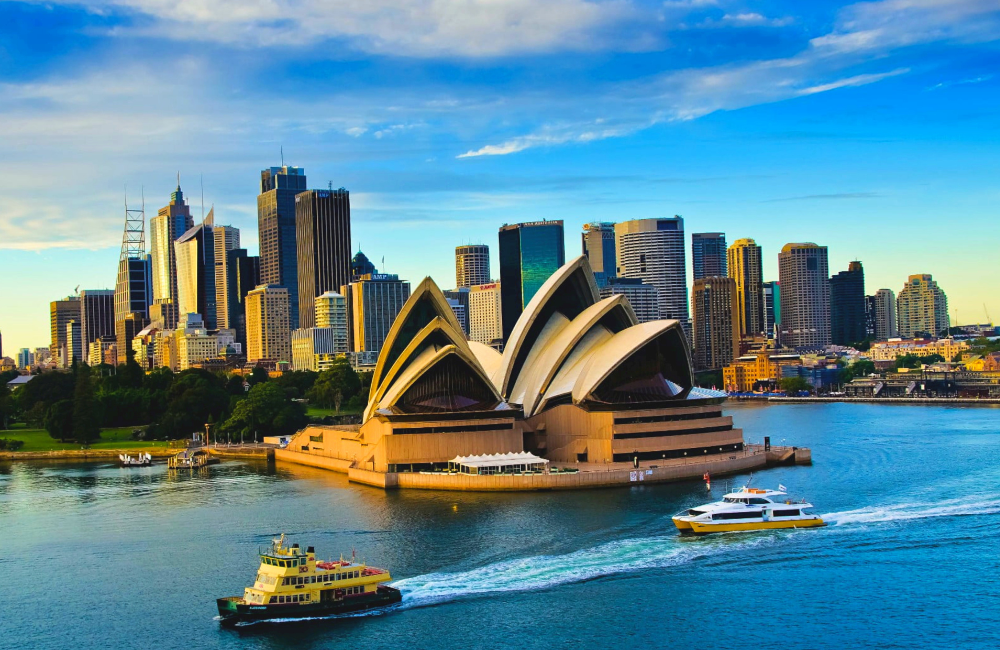
Australia Travel Requirements

Australia Travel Requirements

For many tourists, Australia doesn’t require proof of travel insurance at the border in the way some destinations do.

However, some Australian visas can be granted with conditions that require you to maintain “adequate health insurance” during your stay (this includes condition 8501 for certain visas).

The Department of Home Affairs is explicit that you must maintain adequate health insurance if your visa has condition 8501, and they also note that some visas require evidence of adequate health insurance arrangements.

My best advice here is very unglamorous: Check your visa grant letter and conditions before you fly.

Travel Insurance for Visitors to Australia

This is where most “best travel insurance for Australia” articles fall down. They either oversimplify or they drown you in jargon.

Let’s do neither.

Ready for unlimited adventure? Get travel insurance that covers over 150 activities and 190 destinations.

UK Travellers: The UK-Australian Reciprocal Healthcare Agreement

If you’re visiting Australia from the UK, you may be eligible for Medicare for essential and urgent medical care under the UK–Australia reciprocal healthcare arrangement.

You can enrol through Services Australia

That’s the good news.

The important part is the limit: reciprocal healthcare isn’t travel insurance.

Australia’s own official travel advice (Smartraveller) says reciprocal healthcare is not a substitute for insurance, and it specifically warns that medical evacuations aren’t covered by reciprocal arrangements and can cost thousands.

Also, Australia’s healthcare system can still involve costs even with reciprocal access.

The UK’s Australia travel health advice notes that essential and urgent hospital treatment is free, but GP visits and prescriptions can involve charges, and you may recover some costs through Medicare.

In other words: RHCA can help with some treatment. It won’t protect your trip finances, your cancellation costs, your baggage, or a medical evacuation situation.
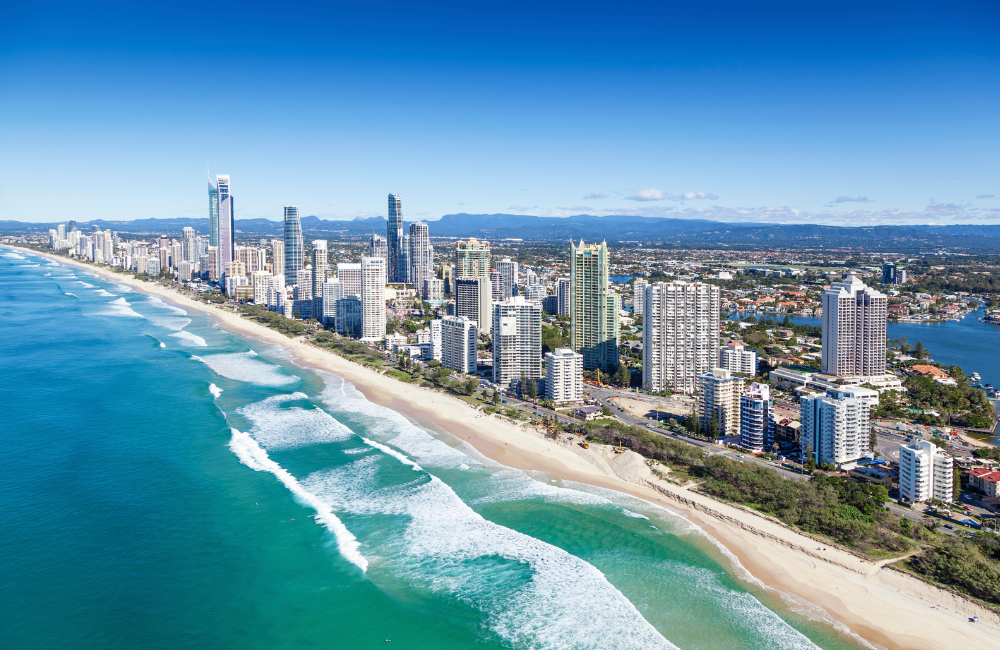
USA Travellers_ Why You Should Assume You’ll End Up Paying

USA Travellers: Why You Should Assume You’ll End Up Paying

If you’re travelling from the USA to Australia, don’t assume you’ll get any reciprocal support. If you’re not covered by a reciprocal arrangement, costs can be high.

That’s why travel insurance to Australia from the USA tends to be very “medical-first”. The best policy for USA-to-Australia travellers typically prioritises:

  • emergency medical expenses
  • 24/7 emergency assistance
  • evacuation/repatriation support
  • trip cancellation (because long-haul trips are expensive to cancel)

Cover your trip today

Planning a trip to Australia? Get comprehensive travel insurance for medical needs, trip interruptions, and more with Rise & Shield. Quick & easy.

Other Visitors To Australia

If you’re visiting Australia from somewhere else, the safest default is: Assume you’re responsible for healthcare costs unless you’ve confirmed otherwise.

And regardless of where you’re from, remember the big one…

Ambulance Costs

Ambulance transport isn’t covered by Medicare in Australia, and fees vary state to state.

To make this real:

  • NSW Ambulance lists charges from 1 July 2025 for NSW residents as a call-out fee plus a per-kilometre charge.
  • NSW Ambulance also lists full costs for interstate and overseas residents (emergency call-out plus per-kilometre charges).
  • Victoria’s Department of Health publishes a fee schedule for ambulance services, and Ambulance Victoria notes you pay for ambulance services unless you have membership/concession/other coverage.

This is one of the reasons I’m such a pain about “medical cover + assistance” being the core of a good policy.

Because emergencies don’t ask permission before they invoice you. And on that note, what should the best Australian travel insurance policy cover? Let’s find out.

What Should The Best Travel Insurance For An Australia Trip Include

What Should the Best Travel Insurance for an Australia Trip Include?

When people say “best travel insurance for Australia”, they usually mean: “Tell me what to buy so I don’t regret it.”

So here’s my straightforward checklist.

Ready for unlimited adventure? Get travel insurance that covers over 150 activities and 190 destinations.

My Australia Travel Policy Checklist

  1. Emergency medical expenses (with strong limits): If something goes wrong, this is the foundation.
  2. 24/7 emergency assistance: This matters more than people realise. It’s not just “money”. It’s help coordinating care and next steps.
  3. Evacuation and repatriation support: Especially if you’ll be in remote areas. Official Australian travel advice explicitly points out evacuations can cost thousands and reciprocal healthcare won’t cover it.
  4. Trip cancellation and curtailment: Australia trips often involve chunky upfront costs. You want cover that reflects what you’ve actually prepaid.
  5. Delays and missed connections: Long-haul flights, stopovers, internal connections… the odds of disruption are higher than your average weekend hop.
  6. Baggage and valuables (with realistic limits): Especially if you’re carrying cameras, laptops, diving kit, etc.
  7. Activities cover that matches what you’ll do: This is the “best policy” difference-maker for Australia, because people go there to live, not just to sit.

A quick buying tip from the UK government: buy travel insurance as soon as possible after booking your trip, and read the small print and exclusions.
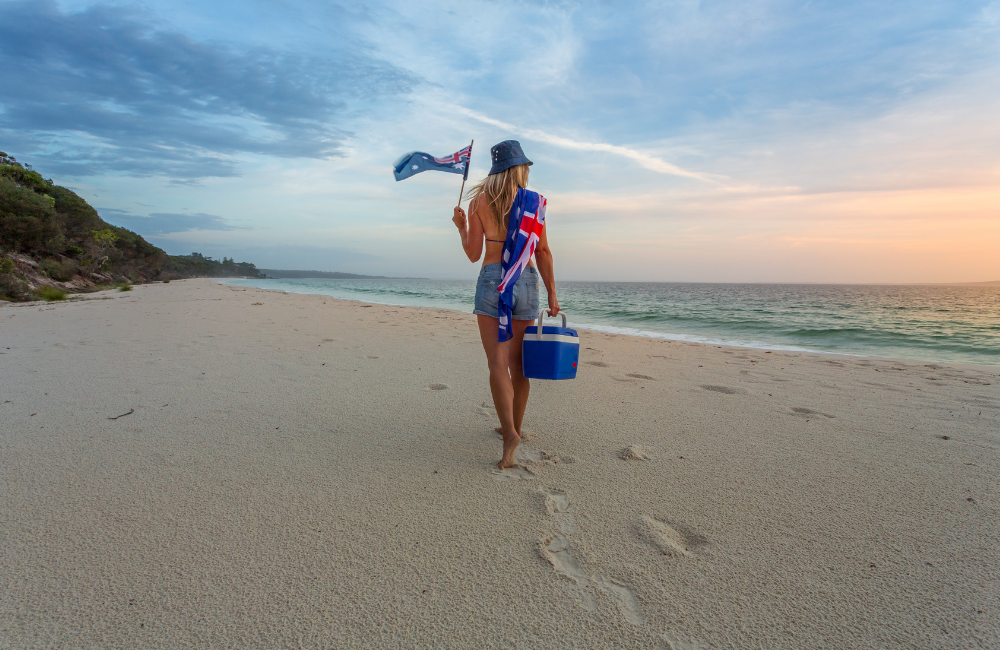
What You Do In Australia Matters (A Lot)

What You Do In Australia Matters (A Lot)

Two travellers can both say, “I’m going to Australia.”

One is doing Sydney, brunch, and a couple of museums.

The other is doing a campervan road trip, surf lessons, a reef day, a hike, and maybe a scuba dive because “how often are we here?”

Those are different insurance needs.

Here are the big Australia travel styles I see most often, and what to check for each.

You can learn more about .

Ready for unlimited adventure? Get travel insurance that covers over 150 activities and 190 destinations.

Road Trips and Driving Holidays

Road trips are a core part of travelling in Australia.

Insurance-wise, your main focus is:

  • medical cover (because accidents happen)
  • trip disruption (because delays and changes happen)
  • belongings (because you live out of your bag for weeks)

If you’re doing a long, multi-stop journey, backpacking-style cover is often a better fit than a basic “single hotel” holiday approach.

backpacking travel insurance here

Water Days_ Snorkelling, Scuba Diving and Surfing

Water Days: Snorkelling, Scuba Diving and Surfing

Australia makes water sports feel inevitable. Which is wonderful.

Just don’t assume all policies treat water activities the same way.

If scuba is on your list, check depth limits and whether guided/instructor-led dives are required.

If surfing is on your list, make sure the activity is explicitly covered.

Here are some useful links (because yes, we’ve built cover around how people actually travel in Australia):

Ready for unlimited adventure? Get travel insurance that covers over 150 activities and 190 destinations.

Hikes, National Parks and Treks

Australia hiking ranges from casual coastal tracks to proper multi-day adventures.

Most travellers don’t set out to do something extreme. They just… end up doing more than expected.

That’s why I always recommend checking your activities up front. At Rise & Shield, we make checking your adventure activities quick and easy. Just use this handy activities tool.

Travel Insurance for Australia_ Backpackers, Long Trips and Working Holidays

Travel Insurance for Australia: Backpackers, Long Trips and Working Holidays

If you’re travelling Australia properly (moving around, changing plans, staying longer), your insurance needs change. Here’s what you need to know about the best travel insurance for Australia.

Backpackers and Long-Haul Travellers

If you’re hopping cities, doing internal flights, staying in hostels, and generally living your best chaotic life, you want a policy that’s comfortable with:

  • longer durations
  • multiple stops
  • activities sprinkled throughout the trip
My Pro Tip: Check out our backpacker trip insurance for more info.

Working Holiday and Longer Stays

Working Holiday and Longer Stays

Some visas may include a requirement to maintain adequate health insurance during your stay (condition 8501 applies to some visas).

The Department of Home Affairs provides official guidance on this and also notes that some visas require evidence of adequate health insurance arrangements.

So if you’re staying longer (working holiday, student, extended travel), check your visa conditions and make sure your cover matches your stay.

Already in Australia (Already Abroad Travel Insurance)

This happens more than you’d think. People land, start travelling, then realise they’re uninsured.

We built a specific option for this scenario: Already abroad travel insurance.

Travel Insurance to Australia Comparison_ How to Choose the Best Policy in 10 Minutes

Travel Insurance to Australia Comparison: How to Choose the Best Policy in 10 Minutes

You do not need to read 14 PDFs and lose the will to live.

Use a scorecard.

Here’s a simple comparison template you can copy into a notes app and use to compare any insurer:

MY “BEST AUSTRALIA TRAVEL POLICY” SCORECARD

  1. Medical cover limit: ______________________

  2. Evacuation and repatriation included? (Yes/No): ______________________

  3. 24/7 emergency assistance included? (Yes/No): ______________________

  4. Trip cancellation limit: ______________________

  5. Trip curtailment limit: ______________________

  6. Baggage limit: ______________________

  7. Single item limit (gadgets/valuables): ______________________

  8. Excess (how much you pay first): ______________________

  9. Are my activities covered? (List them): ______________________

  10. Any key conditions? (Depth/altitude/supervision/off-piste): ____________________________________________________________________________________________________________________________________________________________________________________________________________________________

  11. Pre-existing medical conditions: declared/covered? (Yes/No): ____________

  12. Can I buy/extend while travelling? (Yes/No): ______________________

  13. Destinations covered (any exclusions)?: __________________________________________________________________________________________________________________________________________________________

Use my scorecard to find “best” for you, not “best” according to a random affiliate page that’s trying to punt whatever pays the highest commission.

But, if you don’t feel like doing the work, I have a simple solution: Rise & Shield.

Cover your trip today

Planning a trip to Australia? Get comprehensive travel insurance for medical needs, trip interruptions, and more with Rise & Shield. Quick & easy.

Why I Recommend Rise & Shield as the Best Travel Insurance for Australia

I’ll be direct: if you want the best travel insurance for Australia, you want a policy that matches how people travel in Australia.

That’s how we’ve approached it.

Start here: Travel insurance for Australia.

Here’s who we tend to be a great fit for:

  1. People doing more than just the basics: If your trip includes surfing, scuba, hiking, road trips, and “maybe we’ll do that too”, you’ll appreciate having a policy built around activity cover.
  2. Backpackers and travellers moving around a lot: If your Australia trip is part of a longer journey, or you’re travelling in a flexible way.
  3. People who want clarity before they buy: If you’re the kind of person who wants to check the documents (I respect you), start on our policy wording page.
  4. And if you’re planning other destinations before or after Australia, our destination hub is handy.

Next, let me teach you how to buy the best Australia travel insurance.
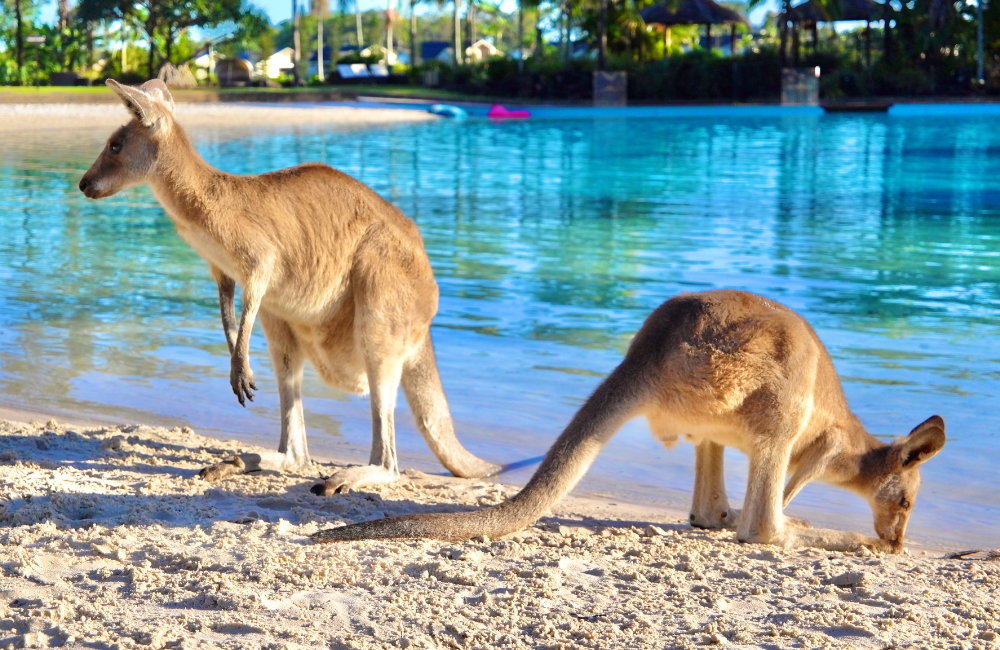
How to Buy the Best Travel Insurance for Australia

How to Buy the Best Travel Insurance for Australia

Buying travel insurance for Australia is easy. I’ve refined it into 5 simple steps.

Step 1: Confirm your trip structure

One base? Multiple stops? Campervan? Internal flights?

Step 2: List activities honestly

Surfing. Scuba. Hiking. Anything you’ll try “just once”.

Step 3: Set cover limits based on your real risk

Medical first. Assistance first. Then cancellation based on what you’ve prepaid.

Step 4: Check exclusions and conditions

This is where “best” lives or dies.

Step 5: Buy as soon as you book

The UK government advises buying travel insurance as soon as possible after booking and reading the small print and exclusions.

Ready for unlimited adventure? Get travel insurance that covers over 150 activities and 190 destinations.

Common Mistakes I See People Make

Let me share some common mistakes I see people make when searching for the best Australia travel insurance. That way, we can all learn from them.

Mistake 1: “Australia is safe, so I don’t need insurance”

Safety and cost aren’t the same thing. You can have a safe trip and still have an expensive medical problem.

Mistake 2: Relying on reciprocal healthcare as full cover

Reciprocal healthcare is helpful, but official Australian travel advice is clear: it’s not a substitute for travel insurance, and evacuation isn’t covered.

Mistake 3: Forgetting about ambulance costs

Ambulance transport isn’t covered by Medicare in Australia, and fees vary by state.

Mistake 4: Not checking activities

Australia is basically an activity buffet. Make sure your policy matches what you’ll do.

Mistake 5: Buying too late

If you buy right before you fly, you’ve lost a lot of the value of cancellation protection.

Step 3_ Read the Exclusions

Best Travel Insurance for Australia FAQs

Let’s wrap up my guide on the best travel insurance for Australia by answering some frequently asked questions.

Do I need travel insurance for Australia?

It’s not usually a legal requirement for tourists, but it’s strongly recommended.

Australia has great healthcare, but visitors can still face costs, and ambulance transport isn’t covered by Medicare.

Also, some visas may require you to maintain adequate health insurance, so check your visa conditions.

Is travel insurance mandatory for Australia?

Often, no for standard tourist visits, but some visas can have conditions requiring adequate health insurance (like condition 8501). 

Always check your visa grant letter and the official visa conditions. 

Cover your trip today

Planning a trip to Australia? Get comprehensive travel insurance for medical needs, trip interruptions, and more with Rise & Shield. Quick & easy.

What should Australia travel insurance cover?

At minimum: emergency medical expenses, 24/7 assistance, and evacuation/repatriation support. Then add cancellation, delays, and baggage based on your trip costs and valuables.

Does travel insurance cover medical bills in Australia?

Yes, travel insurance typically covers eligible emergency medical treatment (subject to the policy).

If you’re a UK traveller, reciprocal healthcare may cover some essential and urgent care under Medicare, but it doesn’t replace travel insurance.

What’s the best travel insurance for a trip to Australia?

The best policy is the one that matches your trip.

Strong medical cover, emergency assistance, evacuation support, and activities cover (surfing/scuba/hiking) are the usual deciding factors.

If you want a straightforward option built for how people travel, start here: Australia travel insurance.

Ready for unlimited adventure? Get travel insurance that covers over 150 activities and 190 destinations.

What if I’m travelling from the USA to Australia?

Assume you’re responsible for costs unless you’ve confirmed otherwise.

Prioritise strong medical cover, 24/7 assistance, evacuation/repatriation support, and cancellation for long-haul prepaid trips.

Does Medicare cover ambulance transport in Australia?

No. Ambulance transport isn’t covered by Medicare in Australia; fees vary by state, and charges can be significant.

My Final Thoughts

My Final Thoughts

And there you have it: If you’re flying to the other side of the world, don’t gamble on the boring stuff. Get cover that fits your actual trip.

If you want a clean starting point, here it is: The best travel insurance for Australia.

And if you’re doing anything remotely adventurous (which… it’s Australia, so you probably are), check your activities here.

Cover your trip today

Planning a trip to Australia? Get comprehensive travel insurance for medical needs, trip interruptions, and more with Rise & Shield. Quick & easy.


Read More
Martin Lewis Travel Insurance: What to Know
Best Travel Insurance

Martin Lewis Travel Insurance: What to Know

If you’ve landed here after frantically typing “Martin Lewis travel insurance” into Google, you’re in the right place. 

In the next few minutes, I’ll walk you through who (or rather what) Martin Lewis travel insurance actually is.

Expect rapid-fire pros and cons, a peek inside the buying process, the nitty-gritty of claims, plus a final verdict that could save your next trip from turning into an epic face-plant.

Stick around; you’ll be back to planning that cliff-side selfie in no time.

Ready? Let’s roll.

Ready for unlimited adventure? Get travel insurance that covers over 150 activities and 190 destinations.

Who is Martin Lewis Travel Insurance?

“Martin Lewis travel insurance” isn’t actually a standalone insurance company.

It’s a bit of a misnomer. Martin Lewis is a well-known British money-saving guru (the founder of MoneySavingExpert) who dishes out advice on all things finance, including travel insurance

In other words, you can’t buy a policy from Martin Lewis (he’s not an insurer), but you can follow his guidance to find a good deal.

Martin’s advice is famously no-nonsense: for example, he warns holidaymakers to get travel insurance ASAB (“as soon as you book”) – because if you wait until the day before take-off, you won’t be covered if an illness or emergency forces you to cancel.

My Pro Tip: Read more about it in my Can You Buy Travel Insurance After Booking a Flight guide.

Essentially, Martin Lewis' travel insurance advice is about shopping smart and early.

His MoneySavingExpert site even has a Travel Insurance Finder and regularly updated picks for the cheapest decent policies.

He’s not selling his own insurance; rather, he’s pointing travellers to insurers that meet minimum cover levels at low prices.

In short, Martin Lewis is the guy who helps you find travel insurance, not a brand of insurance himself. It’s a bit like a travel insurance coach shouting from the sidelines, “Don’t overpay, and don’t you dare travel without it!” 

Is it really that good? Well, let’s dig in and see.

Pros and Cons of Martin Lewis Travel Insurance

Pros and Cons of Martin Lewis Travel Insurance

Speaking as someone who’s scrutinised more policies than I’ve had cups of tea, I find Martin Lewis’s travel insurance advice comes with clear pros and cons:

Ready for unlimited adventure? Get travel insurance that covers over 150 activities and 190 destinations.

The Pros

Martin’s tips are grounded in facts and consumer-first principles.

He emphasises getting adequate cover at a bargain price, which is great for travellers on a budget.

For instance, his team highlights policies that meet minimum recommended cover (£1+ million medical, £2,000+ cancellation, etc.) while remaining cheap.

You’ll often find exclusive discounts or promo codes via his site (e.g. an Admiral policy with an MSE discount), a nice perk for your wallet.

Martin also tailors his advice to different needs: he suggests specialist insurers like Avanti, Staysure, or AllClear for older travellers or those with medical conditions, and he reminds folks to add on cruise cover if they’re sailing, since standard policies might not cover missed port stops or helicopter evacuations (more on that later).

In short, the pro of “Martin Lewis travel insurance” is that you’re benefiting from trusted, research-backed recommendations. But there are also some negatives.

The Cons of Martin Lewis Travel Insurance

The Cons

On the flip side, Martin’s approach has some limitations.

For one, there’s no single “Martin Lewis” policy. You’ll still have to pick from various insurers he lists, which can be a bit overwhelming if you were hoping for a one-click solution.

Additionally, his top picks are often “no-frills” options chosen for price, not for stellar customer service.

In fact, the MoneySavingExpert site explicitly notes its cheapest picks are judged on price not feedback, so you might need to do extra homework on an insurer’s reputation.

Another potential con: specialised needs may not be fully met by the cheapest general policies. 

Martin himself has flagged that many standard travel insurance policies exclude adventurous activities or cruises unless you add upgrades.

So, if you’re planning to go bungee jumping in New Zealand or skiing off-piste, the ultra-cheap policy that Martin’s site finds might not automatically cover those. 

You’d have to ensure you add the right cover or choose a pricier policy.

Lastly, because Martin’s advice is broad and aimed at the masses, it may not delve deeply into niche coverage nuances.

For example, adventure travellers or digital nomads might find the recommendations lacking certain extras (like gadget cover or high-altitude trekking cover) that a specialist policy would include.

So yes, the downside is that while Martin Lewis will help you find a good deal, that deal might not include every bell and whistle you personally need. There’s a bit of legwork required to fine-tune your choice.

But what if you’re set on buying a recommended policy from Martin Lewis?

Ready for unlimited adventure? Get travel insurance that covers over 150 activities and 190 destinations.

How to Buy a Martin Lewis Travel Insurance Policy?

Alright, so you’ve decided to follow Martin’s advice. How do you actually buy travel insurance using his approach?

Since there’s no single Martin Lewis insurance product, the process usually goes like this:

Do Your Research on MoneySavingExpert (MSE)

Do Your Research on MoneySavingExpert (MSE):

Head to MSE’s travel insurance section or articles.

Martin’s team often publishes updated guides (e.g. “Cheap Travel Insurance” or specific guides for over-65s, family policies, etc.).

These guides list insurers and deals that currently offer good value.

For example, you might see recommendations like Coverwise, Admiral, or Staysure with starting prices and what they cover.

MSE also has a Travel Insurance comparison tool.

Use these resources to identify a few policies that fit your needs (consider your destination, trip length, age, and any medical conditions or activities).

Ready for unlimited adventure? Get travel insurance that covers over 150 activities and 190 destinations.

Compare and Choose Your Policy:

Don’t just grab the first name on the list.

Martin’s mantra is to compare widely, and I agree. So, take the shortlist from MSE and maybe cross-check on comparison sites.

Ensure the policy you lean toward meets your needs – coverage amount, activities covered, excess level, etc.

If you’re older or have medical issues, use Martin’s tip to try the MoneyHelper medical directory to find specialist insurers.

Basically, shop around smartly, guided by Martin’s pointers.

Purchase Via the Recommended Link or Directly

Purchase Via the Recommended Link or Directly:

Martin Lewis often provides links (sometimes marked with an * for affiliate, which helps keep his site free). You can click through those to buy.

These links take you to the insurer’s site with the promo applied.

Alternatively, once you know the insurer and policy name (say, Coverwise Bronze), you can go directly to that insurer’s website or phone them.

My Pro Tip: Read my Coverwise Travel Insurance Review before you do.

There’s no extra fee for buying through MSE’s referral; in fact, you might get a small discount or bonus.

The key is to double-check all details as you fill in your info. Be honest about pre-existing conditions, declare all the countries you’re visiting, and so on (Martin would insist on full disclosure to avoid invalidating your cover). 

Finally, pay for the policy and boom, you’re insured.

Just remember Martin’s golden rule: get it ASAB – buy that policy as soon as you’ve booked your trip, not at the last minute. That way, your holiday deposit is protected from day one.

Ready for unlimited adventure? Get travel insurance that covers over 150 activities and 190 destinations.

How to Manage Your Martin Lewis Travel Insurance?

So, you’ve bought a travel insurance policy following Martin Lewis’s advice – what now? Managing your policy is essentially the same as managing any travel insurance:

Save Your Policy Documents

You’ll receive an email with your policy schedule and wording (or a link to download them).

Save a digital copy on your phone and maybe print a hard copy. Make a note of your policy number and the insurer’s emergency contact number.

As a habit, I always store the 24/7 emergency phone number in my phone contacts and on paper in my wallet (just in case my phone has a tantrum).
Review Your Coverage Details

Review Your Coverage Details

Even though you likely chose the policy based on Martin’s minimum cover suggestions, give the fine print a skim.

Ensure you know the key exclusions and conditions. Martin’s philosophy is “read the fine print” and as someone who writes about this stuff, I couldn’t agree more.

Check things like: Do you need to inform the insurer if you extend your trip? Are high-value items covered only if declared? 

It’s a bit dull, I know, but it pays off if something unexpected happens.

Ready for unlimited adventure? Get travel insurance that covers over 150 activities and 190 destinations.

Make Any Necessary Updates

If anything changes after purchase, say you develop a new medical condition or you decide to add a risky activity to your plans, inform your insurer.

For example, if you bought a basic policy but later think “Actually, I’m going to try skydiving in Dubai,” you may need to call the insurer and upgrade your cover (an extra premium for a sports add-on).

Failing to update them could mean a claim related to that change gets rejected.

Martin Lewis’s advice often highlights disclosure: always tell your insurer about changes in health or itinerary.

In fact, on a recent TV segment, he emphasised updating your insurer if you have any new medical developments before you travel, to stay covered (it’s the kind of fine-print detail people overlook).

The rule of thumb: when in doubt, ring the insurer’s customer service and ask. They’re there to help adjust your policy as needed.

Manage Via the Insurer’s Portal or Support

Manage Via the Insurer’s Portal or Support

Many insurers (especially ones Martin recommends) have online portals where you can log in, view your policy, and make simple changes like address updates or get new copies of documents.

If tech isn’t your thing, good old phone or email works too. Just reach out to the insurer’s support.

Since Martin Lewis pointed you to a Financial Conduct Authority-regulated insurer, you can expect a basic level of customer service. Use it whenever you need reassurance or clarification about your cover.

Got that? Great. Now, let’s see what to do when you must make a claim.

Ready for unlimited adventure? Get travel insurance that covers over 150 activities and 190 destinations.

How to Make Claims

Nobody wants to imagine their holiday going pear-shaped, but if you do need to make a claim on your travel insurance, here’s how to handle it calmly and effectively:

Contact Your Insurer ASAP

The moment you realise you might need to claim, inform your insurer’s claims department or emergency assistance line.

For medical emergencies or major incidents abroad, most insurers have a 24/7 helpline – call it as soon as it’s practical (from the hospital if you’re able).

They can often pre-approve treatment or advise you on next steps.

For less urgent claims (like a stolen camera or a trip cancellation), you usually have to notify the insurer within a set time frame (often 30 days of returning home, for example).

Don’t delay. Prompt notification is key.

Gather Evidence and Paperwork

Gather Evidence and Paperwork

Travel insurers love their paperwork, so you’ll need to become a temporary detective. Keep all relevant documents to support your claim.

If your luggage is stolen, get a written police report within 24 hours if possible. If your flight is cancelled, get an official letter or email from the airline confirming the cancellation.

For medical claims, keep hospital bills, receipts for prescriptions, doctor’s notes – anything that shows what happened and what you paid.

My Pro Tip: Use your phone to snap photos of receipts or reports as backups. Insurers also often ask for proof of ownership for valuable items, so hang onto purchase receipts for your gadgets or have bank statements as evidence. Essentially, you want a paper trail for every pound you’re claiming.

Ready for unlimited adventure? Get travel insurance that covers over 150 activities and 190 destinations.

Fill Out the Claim Form Accurately

Upon contacting the insurer, they’ll either direct you to an online claims portal or send you a claim form (sometimes you can download it).

Take your time and fill it in thoroughly. Include all details and answer every question. If you’re claiming multiple things (e.g. a medical expense and a trip interruption), make sure to complete the sections for each.

It’s not the most thrilling form you’ll ever fill, but accuracy here can make or break your claim. Make a copy of the completed form for yourself, just in case.

Submit and Follow Up

Submit and Follow Up

Send your claim form and supporting documents to the insurer (via email or upload, as instructed).

Typically, insurers will assess and get back to you with any further questions or a decision. If they need additional info, respond promptly.

Once everything is in, you might have to be patient. Claims can take a few weeks (or longer in complex cases). Don’t be shy to politely chase for updates if it’s dragging on.

Ready for unlimited adventure? Get travel insurance that covers over 150 activities and 190 destinations.

Settlement or Appeal

If all goes well, you’ll get your payout. Hooray!

The insurer will either pay you by bank transfer or cheque. However, if the claim is denied or partially paid and you disagree, you have the right to appeal.

First, escalate within the insurer (their complaints procedure will be in the policy).

And if you’re still unsatisfied, since all the insurers Martin Lewis recommends are regulated in the UK, you can take it to the Financial Ombudsman Service.

Hopefully, it never gets to that, but it’s good to know you’re not without options if a claim feels unfairly handled.

Other Martin Lewis Travel Insurance Online Reviews

Other Martin Lewis Travel Insurance Online Reviews

If you’re googling around, you’ll find that plenty of folks online have weighed in on Martin Lewis’s travel insurance advice, from bloggers to forum users.

The consensus? Martin’s guidance is generally held in high regard as a starting point for finding good cover, but people also add their two pence based on personal experiences.

Several independent review sites and blogs basically echo Martin’s key points.

They often mention that Martin Lewis emphasises value over rock-bottom price, i.e. the cheapest policy isn’t always the best if it won’t pay out when needed.

This is something I’ve seen reiterated in travel forums: travellers appreciate that Martin highlights things like minimum cover levels and policy features, not just cost.

Ready for unlimited adventure? Get travel insurance that covers over 150 activities and 190 destinations.

Additionally, bloggers note Martin’s knack for pointing out gaps in standard policies.

For example, one online guide mentioned how Martin frequently recommends specialist insurers for older travellers or those with pre-existing conditions, naming brands like Avanti, Staysure, AllClear, and Saga that come up often in his discussions.

This aligns with what actual customers say too: if you’re 75 with a heart condition, the crowd wisdom (influenced by Martin) is to skip the generic comparison sites and go straight to these specialist providers who won’t baulk at insuring you.

I’ve also read some cautionary tales in forums: occasional gripes that the super-cheap policies from comparison sites (some of which Martin lists) had high excesses or slow claims handling.

For instance, a few travellers on MoneySavingExpert’s forum shared experiences where an insurer was very inexpensive but made them jump through hoops for a claim.

These aren’t so much criticisms of Martin Lewis as they are reminders that you get what you pay for. In fairness, Martin does alert people that his cheapest picks are no-frills, and he provides options for higher-cover policies if you’re willing to pay a bit more.

Ready for unlimited adventure? Get travel insurance that covers over 150 activities and 190 destinations.

Another thing others online point out is Martin’s focus on timely purchase.

Social media is full of folks quoting his ASAB mantra – “get your insurance as soon as you book”.

There’s a sort of collective head-nodding to that advice, often followed by anecdotes of someone’s friend who didn’t do so and then fell ill before the trip, losing thousands.

Martin’s warning stories on TV (like “please don’t be the person who asks me for help when it’s too late”) have clearly struck a chord.

So, broadly speaking, the online travel community respects his advice for its practicality.

My Final Verdict

My Final Verdict: Martin Lewis Travel Insurance

So, is Martin Lewis travel insurance worth the hype?

Here’s my verdict: Martin Lewis’s travel insurance advice is a fantastic baseline for most travellers.

If you’re a regular holidaymaker looking for a good deal and solid cover, following Martin’s guidance will likely serve you very well.

He’ll help you avoid rip-offs and under-insuring yourself. 

Ready for unlimited adventure? Get travel insurance that covers over 150 activities and 190 destinations.

However – and it’s a big “however” – his advice is by nature general. It doesn’t cater specifically to the adrenaline junkies, the off-the-beaten-path explorers, the “I’m going trekking in Nepal and then scuba diving in Bali” crowd.

And that’s where a specialist like me raises an eyebrow and points to alternatives like Rise & Shield.

In my experience, Rise & Shield is better suited for adventure travellers and here’s why: it’s an insurer that was built with adventurous souls in mind.

Remember those gaps I mentioned earlier – activities not covered, limited emergency support? 

Rise & Shield fills them.

This policy covers helicopter rescue for medical emergencies. Yes, if you’re stuck on a mountain at 4,000m with altitude sickness, they can send in the chopper.

It also automatically includes cover for 99 common adventure activities and lets you upgrade to cover over 190 adventure pursuits – basically almost any thrilling activity you can name is covered in some way.

Martin Lewis’s recommended policies, by contrast, often exclude a lot of these or require paying extra per activity. With Rise & Shield, the breadth is built-in or easily added.

Ready for unlimited adventure? Get travel insurance that covers over 150 activities and 190 destinations.

Another area is medical coverage.

Martin’s picks typically meet a minimum (like £5m medical cover which is decent), but Rise & Shield goes big on this: their top plan offers up to £6 million for emergency medical expenses and includes things like robust emergency evacuation and repatriation benefits.

Plus, you get a 24/7 emergency assistance team who know how to handle adventure-related incidents – they’ve been there, done that.

This kind of robust medical emergency supportrobust medical emergency benefits is a lifesaver (literally) if you’re in a remote corner of the world.

From my perspective, that level of cover is worth the slightly higher premium for anyone pushing beyond the usual tourist trail.

Ready for unlimited adventure? Get travel insurance that covers over 150 activities and 190 destinations.

Now, I’m not saying Rise & Shield is the end-all-be-all for everyone.

If you’re just nipping to Paris for a weekend, a simple policy from Martin’s bargain list might do you just fine. But if you’re like me – someone who lives for adventure travel – then you want an insurer that’s as adventurous as you are.

I’ve seen Rise & Shield step up for customers in ways big-brand cheap insurers might not, whether it’s coordinating a complex multi-country medical evacuation or covering an obscure sport (looking at you, zorbing enthusiasts!).

For adventure travellers, Rise & Shield offers peace of mind that generic policies often can’t match.

So my final verdict: Martin Lewis will get you a good deal, but Rise & Shield will get you a policy that truly has your back in extreme situations.

And when you’re hanging off a cliff (figuratively… hopefully) or stranded in a jungle, that difference matters.

My Final Thoughts

My Final Thoughts

And there you have it: Martin Lewis has done all travellers a favour by making the boring bit of trip planning – insurance – accessible, affordable, and even kinda conversational.

I applaud his advice; I follow it in spirit (and I’ve quoted his “ASAB” rule to countless friends). 

But as someone deeply embedded in the travel insurance industry, I’ll leave you with this: your insurance should match your travel style.

The good news is you have options. Rise & Shield is one I recommend – it’s built for adventure, by people who understand adventure. Now, go forth and explore safely and confidently. Happy travels!

Read More