Coverwise Travel Insurance Review: My Month-Long Backpacking Experience in China
Best Travel Insurance

Coverwise Travel Insurance Review: My Month-Long Backpacking Experience

Looking for an honest, quick Coverwise travel insurance review

A few months ago I went on a one-month backpacking trip through China, and I want to share my honest review of Coverwise travel insurance’s standard policy, which I purchased for that adventure.

I’ll walk you through what Coverwise is, what the standard policy includes, how the buying and claims process works, and where it shines or doesn’t.

As a frequent traveller and adventure junkie, I’ll also note a few areas where I found Coverwise can perform better.

Ready? Let’s roll.

Ready for unlimited adventure? Get travel insurance that covers over 150 activities and 190 destinations.

What Is Coverwise Travel Insurance?

Coverwise is a UK-based travel insurance provider known for its low prices and high coverage limits. 

They act as an intermediary for policies underwritten by AXA, one of the world’s largest insurers.

In plain terms, you buy the policy from Coverwise, but big-name AXA is the one backing it, which gave me some peace of mind that there’s a global network if things go wrong.

My Pro Tip: Curious about AXA? I wrote an in-depth AXA travel insurance review. Check it out.

I opted for Coverwise’s “Standard” single-trip policy, their most basic tier out of seven (they offer Standard, Standard Plus, Bronze, Silver, Silver Plus, Gold, Platinum).

Even as the entry-level cover, I was pleasantly surprised by how much it included:

  • Trip cancellation and curtailment, 
  • 24/7 emergency medical assistance, 
  • up to £20 million in emergency medical cover, 
  • personal liability, 
  • baggage cover, 
  • legal expenses, 
  • and travel delay/disruption cover.

Those are pretty robust benefits for a budget policy. For context, £20 million medical cover is among the highest in the market and more than enough for any hospital bills abroad.

It’s the kind of generous medical limit you usually see on pricier plans, so having that as standard was reassuring, especially since I was headed to remote parts of China where a serious injury could mean costly evacuations.

Ready for unlimited adventure? Get travel insurance that covers over 150 activities and 190 destinations.

Another standout feature: Coverwise includes cover for 100+ sports and activities as standard. This is not as much as what Rise & Shield offers, but it's pretty solid.

For example, I did some hiking in China and knew I’d be covered (Coverwise covers hiking up to 3,000m altitude in the standard policy).

I didn’t end up doing anything extreme enough to test the limits, but knowing activities like scuba diving, cycling, kayaking, and even bungee jumping were covered by default gave me extra confidence.

By comparison, many insurers either exclude these or make you pay for an adventure sports add-on. Coverwise’s approach here is great value for adrenaline-seekers on a budget.

That said, note that truly extreme activities (think high-altitude mountaineering above 3,000m or unguided off-piste skiing) are not covered unless you upgrade to their specialist policies like winter sports. 

Again, this is pretty normal for mainstream travel insurance. Let’s continue my Coverwise travel insurance review by looking at how it compares to the wider market.

How Does Coverwise Compare to the Wider Market

How Does Coverwise Compare to the Wider Market? 

In terms of coverage, I’d say it punches above its weight for the price.

You’re getting benefits (like that £20 million medical cover and broad sports cover) that some mid-range or premium policies offer, but at a budget price.

The company has been around since 2010 and is regulated out of Gibraltar/UK. They pride themselves on good customer service and “traditional values” (their words).

In fact, Coverwise has excellent customer ratings on review sites: an average 4.7/5 on Trustpilot from tens of thousands of reviews.

Many travellers praise its competitive rates and value for money, often noting it was the cheapest option for the cover provided.

This tracks with my experience: I found Coverwise via a price comparison site, where it consistently came up as one of the least expensive options for the coverage levels I wanted.

So, at first glance, Coverwise’s standard policy looked almost “too good for the price”. It was comprehensive on paper, yet very affordable.

Of course, an insurance policy only truly proves its worth when you actually need to use it.

Before I talk about how it was to buy and manage a policy, and what I learned about the claims process (even though I never had to make a claim, thankfully), let's look at some pros and cons of using Coverwsie travel insurance.

Ready for unlimited adventure? Get travel insurance that covers over 150 activities and 190 destinations.

Pros and Cons of Coverwise Travel Insurance

Here’s what you need to know before you buy a Coverwise policy.

Pros

  • Super Affordable: Consistently one of the cheapest travel insurance options for the coverage provided. Ideal for budget travellers and backpackers who want solid cover without paying a fortune.
  • Very High Medical Coverage: £20 million emergency medical expenses limit on standard policies. This includes hospital bills, repatriation, and 24/7 emergency assistance via AXA, giving you a strong safety net abroad.
  • Backed by a Reputable Insurer: Underwritten by AXA, a global insurance giant. You benefit from AXA’s worldwide assistance infrastructure (useful if you need support or evacuation from abroad) and its experience in handling large volumes of travel policies.

It's not all sunshine and roses. Here are some disadvantages of Coverwise travel insurance:

Ready for unlimited adventure? Get travel insurance that covers over 150 activities and 190 destinations.

Cons

  • Claims Process Can Be Difficult: Numerous reviews report slow or frustrating claims handling, with lengthy delays, repeated paperwork requests, and strict interpretations of policy terms. Claims are managed by AXA via an online portal, which can feel impersonal. Some customers feel valid claims get denied on technicalities, leading to dissatisfaction.
  • Strict Documentation Requirements: In the event of a claim, expect to provide extensive proof. For example, a missed flight due to illness required a doctor’s note which can be impractical to get last-minute. Failing to meet the exact requirements (or not declaring every past medical detail) may result in non-payment.
  • Not Ideal for Extreme Adventures: Standard policy excludes very high-risk activities. For instance, no cover for trekking above 3,000m altitude, mountaineering, or off-piste skiing without a guide. If your trip involves extreme sports or expeditions, you’d need to find a specialist insurer like Rise & Shield. Coverwise isn’t designed for the far extremes of adventure.
  • Limited to UK/EU Residents: This is a big one. You can only purchase Coverwise if you’re resident of the UK or certain European countries. It’s unavailable to travellers from many other countries. (In comparison, some providers, like Rise & Shield, offer policies regardless of residency, which is handy for expats or nomads.)
  • Claims Helpline Hours: The dedicated claims phone line (if not using the online portal) operates only during UK business hours. In a global travel context, this might not be convenient if you need to speak to someone immediately about a new claim out of hours. (Emergency medical assistance is 24/7, but claim filing isn’t 24/7 by phone.)
  • Website and Communication Issues: The Coverwise website, while functional, is a bit dated and not always easy to navigate. Some users reported difficulty reading certain pages or finding info. Additionally, a few complained about confusing communication during claims (e.g., correspondence with spelling mistakes or hard-to-understand explanations), which can add to the frustration when you’re already stressed over a claim.

As you can see, the pros are significant, mainly cost and coverage, but the cons largely revolve around how claims are handled and some coverage limitations for edge-case scenarios.

It’s a trade-off many are willing to make for the savings, but it’s important to go in with eyes open.

So, what if you still want to buy a Coverwasie travel insurance policy? Let’s continue my Coverwise review and look at how you’ll do that.

Buying and Managing My Coverwise Policy

Buying and Managing My Coverwise Policy

Purchasing my Coverwise policy was straightforward and entirely online.

I actually used a comparison website to get quotes, saw Coverwise at the top with a great price, and clicked through to their website.

The online form was easy to fill out, inputting my trip details (one month in Asia, worldwide cover excluding USA), my personal info, and declaring any pre-existing medical conditions.

They advertise that they can cover a wide range of pre-existing conditions (like asthma, diabetes, etc.), often without a huge premium hike, which is a big plus if you have health issues. 

In fact, some reviewers specifically praised Coverwise for offering cheap coverage for older travellers and those with medical conditions who often struggle to find affordable insurance elsewhere.

Ready for unlimited adventure? Get travel insurance that covers over 150 activities and 190 destinations.

Within minutes of payment, I received an email with my policy documents, including the Insurance Policy Document (a ~40-page PDF with all the fine print) and a handy Insurance Product Information Document (IPID) that summarised the key cover limits.

I printed out the certificate to carry with me (Chinese immigration never asked, but some countries want proof of insurance).

Coverwise also has a Members Area on their site where you can log in to retrieve documents or make certain requests. I tried it out of curiosity.

It’s pretty basic in design (their website UI does feel a bit 2000s-era), but it worked.

There’s even a feature where you can quickly do things like resend your documents or correct traveller details online without having to call. Not bad!

Coverwise and Emergencies

Coverwise and Emergencies

Thankfully, I never needed emergency assistance during my trip, but I did take note of the 24/7 medical assistance hotline Coverwise provided.

It’s operated by AXA Assistance, with worldwide offices, so in theory, help would be available wherever I went. I kept the number in my phone, just in case.

Managing Your Coverwise Policy

Managing the policy was minimal effort.

I didn’t have to make any changes, but if I did, Coverwise’s customer service was a quick phone call or email away. 

Many other customers have noted that Coverwise’s staff are helpful and explain things clearly.

tl&dr:

Overall, buying and setting up my Coverwise cover was quick and painless. For a backpacker juggling a million trip prep details, that ease is appreciated.

Next, let’s talk about something I fortunately didn’t have to do: filing a claim.

I’ll share what the process would have been and what others have experienced when making claims with Coverwise.

How to File a Claim with Coverwise (and What Reviews Say)

How to File a Claim with Coverwise (and What Reviews Say)

Even though I never made a claim on my policy (the trip went smoothly – knock on wood!), I made a point to research Coverwise’s claims process and read up on other travellers’ experiences.

After all, an insurance policy is only as good as its payout when you need it. This is an area where I noticed some important things to consider.

Filing a Claim

Filing a claim with Coverwise is done through AXA’s systems.

Specifically, Coverwise directs you to use the AXA online claims portal for most travel insurance claims.

You create an account, submit your claim details and documents, and you can track status updates there.

The upside of an online portal is convenience. There’s no waiting on hold, and you get notified whenever there’s progress on your claim.

If you prefer phone or have an issue with the website, you can call AXA’s travel claims line during business hours (UK number provided).

Essentially, Coverwise themselves don’t handle the claim in-house; it’s handled by AXA’s claims team. This isn’t unusual for an insurer of this type, but it’s good to know who you’ll actually be dealing with.

Ready for unlimited adventure? Get travel insurance that covers over 150 activities and 190 destinations.

Claims Feedback

So, how smooth is the claims experience? It depends who you ask. I’ve seen a mix of feedback:

Some travellers report hassle-free claims – for example, one forum user mentioned they “submitted a claim through [Coverwise/AXA] – all went fine”.

These tend to be folks who had straightforward cases with proper documentation, and they were pleased with the quick resolution.

However, a number of others had a rougher time. 

A common complaint in negative reviews is that claims get rejected on technicalities or “unfair grounds.”

For instance, one person fell ill en route to the airport and missed their flight, but Coverwise/AXA refused the claim because he hadn’t obtained a doctor’s note at 3 am; something he pointed out was unrealistic (who goes to A&E for a stomach bug in the middle of the night?).

Others mention AXA, citing undisclosed pre-existing conditions as a reason to deny claims, even in cases where the medical issue wasn’t previously known.

One reviewer dealing with a mental health-related cancellation said Coverwise wrongly labelled it pre-existing despite evidence to the contrary, and delayed the case beyond the 8-week complaint window, forcing an ombudsman involvement. That’s pretty concerning.

But wait. It gets’ worse.

Ready for unlimited adventure? Get travel insurance that covers over 150 activities and 190 destinations.

Slow Processing

Another theme is slow and arduous processing.

Quite a few customers describe having to submit and re-submit documents, long periods of silence, and needing to chase up for updates.

In an aggregated review analysis, it was noted that responses on claims sometimes took weeks or even months, and the correspondence could be difficult and drawn-out.

I even read that no one was singing Coverwise’s praises about the claims process itself i.e., even some people who eventually got paid weren’t thrilled with how painful the process felt.

The Reality Check

The Reality Check

Now, keep in mind, dissatisfied voices tend to be louder in reviews.

Coverwise has a 94% positive rating on Trustpilot, and many of those people never had to claim (they’re rating the purchase and value).

The negatives (maybe ~3% of reviews) often come from claims experiences.

This is common across insurance companies: when claims go smoothly, people rarely shout from the rooftops; but if something goes wrong, you definitely hear about it.

What concerned me in Coverwise’s case was the pattern of complaints about technical loopholes.

Some reviewers felt that because the policies are so cheap, the insurer (AXA) tries extra hard to avoid paying out by invoking fine print.

One harsh comment that stuck with me was: “They are cheap but don’t be fooled to think you are covered – they don’t pay out”. Ouch.

How Was My Experience with Coverwise Travel Insurance

How Was My Experience with Coverwise Travel Insurance?

Since I never claimed, I can’t personally vouch for either side.

What I take from all this is: if you buy Coverwise, read your policy carefully and understand the requirements.

If you have any kind of medical history in the past couple years, declare it upfront (even if it was something minor like a one-off GP visit).

If you need to claim, be prepared to provide thorough documentation, doctor reports, receipts, proof of travel disruption, you name it. 

And be patient but persistent with the AXA claims handlers. The coverage is legit (AXA can and does pay valid claims), but you need to follow their process to the letter.

Ready for unlimited adventure? Get travel insurance that covers over 150 activities and 190 destinations.

On a related note, this is an area where I’ll admit I see Rise & Shield doing things differently. 

Rise & Shield promises a more hassle-free claims process with a more personal touch on support. 

Speed and responsiveness matter when you’re stressed with a hospital bill or a stolen backpack on the road. It’s one reason I’m inclined to lean towards specialist insurers now.

Now, after weighing all that and having used Coverwise for my China trip, here’s my personal verdict in this Coverwise travel insurance review.

My Final Verdict

My Final Verdict

Overall, my experience with Coverwise’s standard policy was positive for what I needed.

For a month of backpacking in China, it gave me comprehensive coverage on paper, and I travelled with peace of mind.

I didn’t have to test the policy with a claim (and I’ll be honest, not having to make a claim is the best outcome with any insurance!).

From the standpoint of cost vs. benefit, Coverwise delivered fantastic value.

I can see why so many travellers, especially from the UK, use it for their holidays and short adventures.

Would I use Coverwise again? Possibly: but with some reservations.

Ready for unlimited adventure? Get travel insurance that covers over 150 activities and 190 destinations.

If I were doing a similar short trip that isn’t too extreme, and I wanted to save money, Coverwise would be on my list.

However, knowing what I do now, I’m also more aware of the potential headaches if something did go wrong.

The tales of drawn-out claims and technical gotchas worry me a bit.

As someone who frequently travels to offbeat places and pushes the adventure envelope, I’m willing to pay a bit more for an insurer that I feel will 100% have my back when the chips are down.

You’ve probably picked up that I have a connection with Rise & Shield (after all, I’m writing on their blog!). And it’s true: I’m a huge fan of what they offer.

Ready for unlimited adventure? Get travel insurance that covers over 150 activities and 190 destinations.

Rise & Shield is an adventure travel insurer that prides itself on top-notch claim support, higher-risk coverages, and flexibility for people like me who wander.

I acknowledge my bias, but it’s based on genuine belief: if I had an accident while trekking in the Himalayas or needed a quick evacuation, I trust that R&S’s 24/7 emergency line and hassle-free claims process would make life easier in that critical moment.

They also cover many things by default that others don’t, for example, 150+ adventure activities (versus Coverwise’s 100) and options for trekking up to 6,500m and other extreme add-ons that cater to serious adventurers.

For someone like me, that’s a big deal.

So, while Coverwise absolutely offers a great product for the average trip, I’d personally choose Rise & Shield for my next big adventure. In fact, I likely will for my future travels. 

It comes down to this: I’d rather spend a bit more upfront to ensure smoother support if I have to make a claim, and to have cover tailored to the crazy stuff I get up to (hello, skydiving and mountain climbs!).

Rise & Shield ticks those boxes for me in a way Coverwise (and many traditional insurers) don’t.

Coverwise Travel Insurance Frequently Asked Questions

Coverwise Travel Insurance Frequently Asked Questions

Got some more burning questions before I conclude my Coverwise travel insurance review? Here are the answers:

Who underwrites Coverwise travel insurance and why does that matter?

Coverwise policies are underwritten by AXA Insurance, one of the world’s largest insurers.

That means while you buy your cover from Coverwise, AXA’s global medical-assistance network handles emergencies and any claims you file, giving you big-brand backing at a budget price.

Does Coverwise cover pre-existing medical conditions?

Yes, many stable pre-existing conditions (e.g. diabetes, asthma, controlled heart issues) can be declared and, in most cases, covered for a small extra premium.

When you complete the medical screening, answer every question honestly, failing to declare something can invalidate a later claim.

How do I make a claim with Coverwise if something goes wrong?

Claims are submitted online via the AXA Travel Insurance claims portal. Create an account, upload your documents (receipts, medical reports, police reports, etc.), and track progress there.

For urgent medical situations, call the 24/7 AXA Assistance helpline first – the number is on your policy certificate.

What sports and activities are included as standard?

Over 100 activities, from trekking (up to 3,000m) and kayaking to bungee jumping and scuba diving (down to 18m), are automatically covered on standard policies.

More hazardous pursuits (high-altitude trekking, off-piste skiing, technical climbing) require a specialist winter-sports or adventure add-on, or a different insurer.

How long can my trip be, and can I extend cover while I’m away?

Single-trip Coverwise policies run up to 90 days. You can’t extend a policy once travel has started, so if you’re planning a longer backpacking stint you’ll need a provider offering long-stay or backpacker insurance.

Does Coverwise provide COVID-19 protection?

Yes. If you, a travelling companion, or someone you’re due to stay with tests positive and you have to cancel or cut short your trip, you’re covered for cancellation/curtailment (with a doctor’s note).

Emergency medical costs abroad for COVID-19 are also covered. Government travel bans or quarantine-on-arrival rules, however, are not.

My Final Thoughts

My Final Thoughts

And there you have it: This concludes my Coverwise travel insurance review. Coverwise is a strong contender, and my month in China with their policy was worry-free.

Just be diligent with understanding the policy terms and keep your documentation in order, should you need to claim.

But if you know you’ll be engaging in more adventurous activities or you simply want that extra assurance of responsive claim support, consider going with a specialist like Rise & Shield.

Disclaimer: The above review is based on my personal experience and research up to 2025. Always read the latest policy documents and reviews before choosing an insurance provider.
Read More
Travel Insurance Excess: What It Means and How It Works
Everything About Travel Insurance

Travel Insurance Excess: What It Means and How It Works

What does excess mean in travel insurance? 

Simply put, travel insurance excess is the amount you agree to pay towards any claim before your insurer picks up the rest.

If you’re from the US or Australia, you might know this concept by a different name. It’s essentially the deductible on your policy.

In this post, I’ll explain in clear, friendly terms what a travel insurance excess is, why it exists, how it’s applied (per claim or per policy), how to choose the right excess for your needs, and whether excess waivers (no-excess options) are worth it.

I’ll even share a few real-world examples (in good old British pounds) to illustrate how excess can affect your claim payout.

Ready? Let’s roll.

Ready for unlimited adventure? Get travel insurance that covers over 150 activities and 190 destinations.

What Is a Travel Insurance Excess?

A travel insurance excess is the portion of any claim that you are responsible for paying yourself.

It’s usually a fixed amount stated in your policy. For example, if your policy has a £100 excess, and you make a claim for £500, you would pay the first £100, and the insurance would cover the remaining £400.

Essentially, the insurer “deducts” the excess from the payout.

According to the Rise & Shield policy wording, the excess is defined as “the amount you must pay as part of certain claims”, and this amount is per person, per section of the policy.

In practical terms, “per person, per section” means that each insured person and each area of coverage (section) has its own excess.

If two people on the same policy both have medical claims, each might have to pay the excess. 

If you claim under two different sections (say, one claim for medical expenses and another for lost baggage), an excess could apply to each section separately.

Excess vs Deductible

Excess vs Deductible

Don’t get confused by terminology. Excess and deductible refer to the same thing.

UK policies use “excess,” while in the US (and some other countries) the term “deductible” is used. Both mean the amount deducted from your claim payout or paid by you when you claim.

Not every part of a travel insurance policy carries an excess.

Often, certain benefits come with no excess at all (sometimes noted as “Nil” excess).

For instance, personal accident benefits or travel delay compensations might have no excess, meaning the insurer pays from the first pound up to the limit.

Always check the policy’s summary of benefits to see which sections have an excess and which don’t.

In the Rise & Shield plans, most claim sections (like baggage, medical, cancellation, etc.) carry a standard £100 excess per claim, whereas some specific benefits have Nil excess.

I’ll dive into examples soon, but first, let’s understand why this excess exists in the first place.

Why Insurers Use an Excess

Why Insurers Use an Excess

You might be wondering, why does this travel insurance excess thing exist at all? Insurers include an excess on policies for a few good reasons:

To Deter Very Small or Frivolous Claims

If there were no excess, people might claim for every minor loss or inconvenience. 

A £10 souvenir, a 30-minute flight delay, you name it. Handling countless small claims would drive up administrative costs and ultimately premiums for everyone.

An excess creates a threshold so that insurance is used for significant losses, not trivial ones.

To Discourage Fraud or Misuse

An excess also adds a hurdle for anyone thinking of making a false claim.

If a fraudster knows they’ll have to pay, say, £100 out of pocket to get a payout, they’ll be less inclined to invent claims.

It’s a way for insurers to ensure policyholders have some “skin in the game.”

Ready for unlimited adventure? Get travel insurance that covers over 150 activities and 190 destinations.

To Share Risk With the Traveller

By accepting an excess, you agree to shoulder a small portion of the risk.

In return, the insurer can charge you a lower premium. Essentially, an excess helps keep the cost of the insurance down.

If insurers covered every claim in full with no contribution from the insured, they’d have to charge higher premiums to cover the increased claim costs.

With an excess, premiums are a bit more affordable because the insurer isn’t paying out the first part of each claim.

To Give You Choice and Flexibility

Many insurers allow you to choose your excess amount (within a range) when buying a policy. 

This lets you decide between a higher premium with a low/no excess, or a lower premium with a higher excess. It caters to different travellers’ preferences on risk versus cost. I’ll talk more about choosing the excess in a moment.

In short, the excess is there to make insurance sustainable and fair for everyone. It means we, as travellers, won’t bother claiming £5 and £10 incidents, and insurance can focus on the bigger issues when we truly need help.

Per Claim vs Per Policy Excess

Per Claim vs Per Policy Excess

One important detail to understand is how often the excess is applied. Is it taken once per policy (only the first claim), or for each claim you make? This can vary by insurer and policy:

Per Claim (Per Section) Excess

This is the most common scenario. For each separate claim or incident, the standard excess will apply.

For example, if you catch a stomach bug and claim medical expenses, you pay the excess on that claim.

Later in the trip if your camera gets stolen and you make a baggage claim, you’ll again have the excess deducted on that separate claim.

Each incident is treated on its own.

With Rise & Shield’s policy, the excess is per person and per section, which effectively means each claim on each section will have the £100 excess taken. 

So if you have multiple unrelated issues, you’re likely to incur the excess each time.

Per Policy (Maximum) Excess

Per Policy (Maximum) Excess

Some travel insurance policies set a maximum total excess per policy. This means there’s an upper cap on how much you pay out of pocket in excess, no matter how many claims you file. 

For instance, a policy might say “£100 excess per claim, up to a maximum of £300 in total excess per policy.”

If you made three claims of £100 excess each, you’d hit the £300 cap. After that, any further claims in that policy period wouldn’t deduct another excess. This structure is less common, but it exists.

As Confused.com notes in their travel insurance guide, “Some insurers have an excess per claim... Others have a maximum excess per policy, which limits how much you pay for all claims under the same policy.”

 Always read the policy details to see if such a cap applies.

What Does This Mean for Us

What Does This Mean for Us?

In practice, most single-trip travel insurance policies in the UK apply the excess on a per-claim basis.

Annual multi-trip policies may occasionally cap the excess for the year, but many still apply it per incident.

Rise & Shield’s policies, for example, do not have an annual cap listed. You would pay the £100 each time you have a new covered claim, except in sections where the excess is nil or a special excess applies.

Speaking of special excesses: note that sometimes a policy might have a different excess for particular situations.

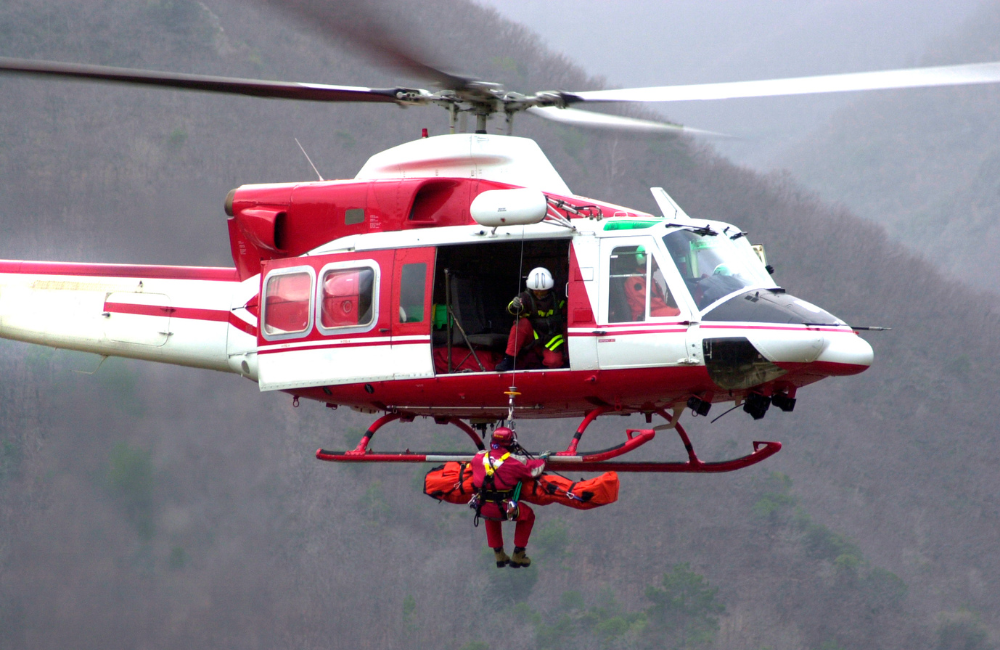
A good example in our case is emergency helicopter rescue.

Normally, medical claims abroad have a £100 excess, but if you require a helicopter evacuation for medical reasons, the policy excess jumps to £1,000 for that rescue. (This is a unique case to discourage unnecessary helicopter evacuations, as I’ll explain later.) 

The key takeaway is that you should check each coverage section in your policy for its excess terms. It could be £0 on some claims, £100 on most, and higher for specific scenarios.

How Much Excess Should You Choose

How Much Excess Should You Choose?

When buying travel insurance, you might have a choice of excess amounts.

Common options might be £0 (no excess), £50, £100, £250, etc.

Choosing the excess is essentially deciding how much you’re willing to pay out of pocket if you claim, versus how much you want to pay upfront in premium. Here’s how to think about it:

Lower Excess Vs Higher Excess

A low excess (or zero excess) means you’ll get more back if you need to claim, but you’ll usually pay a higher premium for that benefit.

Conversely, opting for a higher excess (e.g. £250) can reduce your premium cost, because you’re agreeing to cover a bigger first chunk of any loss. It’s a trade-off between what you pay now (premium) and what you might pay later (excess if you claim).

Assess Your Risk and Budget

Assess Your Risk and Budget

Consider your personal situation and the trip you’re insuring.

Are you risk-averse and want peace of mind that you won’t have to pay much if something goes wrong? Then a low excess or even an excess waiver (no excess) might appeal, even if it costs a bit more.

On the other hand, if you’re on a tight budget for the trip and willing to take on a small risk, accepting a higher excess could save you money on the policy.

Just be sure you can comfortably afford to pay that excess amount in an emergency. Never choose an excess so high that paying it would be a hardship for you.

Frequency of Travel and Claims

If you travel often or have an annual policy, think about the chances of multiple claims.

With a per-claim excess, multiple incidents mean multiple excess payments. If you suspect you might end up claiming several times (for example, a long adventurous trip with gear and activities), a lower excess or cap might actually save you money in the long run.

If you rarely claim or it’s a short, chill holiday, you might gamble on a higher excess since the odds of claiming are low.

Typical Value of Items You’d Claim

Typical Value of Items You’d Claim

Here’s another angle: look at what you might claim for.

If you’re mostly worried about big-ticket emergencies (like hospitalisation, major trip cancellation) and not minor losses, a higher excess is less of an issue because any claim would likely be much larger than the excess.

But if you think you might need to claim smaller things (a £200 delayed baggage spending, a £150 doctor visit, etc.), a large £250 excess would wipe out most of those claims.

In such cases, a lower excess makes claiming “worth it.”

What’s My Opinion?

As a traveller, I usually lean toward the standard £100 excess on my policies, which is a common middle ground.

It keeps premiums reasonable while not exposing me to huge out-of-pocket costs.

I personally avoid ultra-high excesses (like £500), because I know that would discourage me from claiming at all unless something truly disastrous happened.

Everyone’s risk tolerance is different, though. Choose an excess that you feel comfortable with both in your wallet and your peace of mind.

But wait a minute, what about travel insurance excess waivers? Let me explain.

Are Excess Waivers Worth It

Are Excess Waivers Worth It?

You might have seen an option to buy an “excess waiver” or a no-excess policy. This means you pay an additional fee (or choose a plan) so that the excess is waived if you need to claim. This effectively makes your excess £0.

The question is, is it worth paying extra for no excess? Let’s look at some pros and cons.

Ready for unlimited adventure? Get travel insurance that covers over 150 activities and 190 destinations.

Pros of No-Excess Travel Insurance:

Here are the advantages of a no-excess travel insurance policy.

Full Reimbursement

If you have no excess, any valid claim gets paid in full up to the policy limits.

You won’t have £50 or £100 deducted off the top. This is especially nice for smaller claims, where an excess might otherwise eat up most of your payout.

With a waiver, even a £50 claim for a doctor visit could be reimbursed (whereas with a £100 excess you’d get nothing back in that scenario).

No Out-of-pocket Surprise at Claim Time

Psychologically and practically, it’s comforting not to have to pay anything when something goes wrong.

When I’m stressed, dealing with a stolen wallet or a flight cancellation, not having to shell out an extra £100 to make a claim is a relief.

If you end up making multiple claims on one trip, having no excess means you avoid paying an excess each time, which could otherwise add up.

Makes Claiming Worthwhile

With no excess, you’re more likely to claim what you’re entitled to.

Travellers often don’t bother claiming for moderate losses because “ah, the £100 excess means I’d only get a few quid back.”

A no-excess policy means you won’t forfeit part of your coverage due to the excess. Even those moderate claims will be paid, which can be more “worth it” for you.

Sounds fantastic, right? Wait. There’s more.

Cons of an Excess Waiver

Cons of an Excess Waiver:

Here’s why I think an excess waiver isn’t real value.

Higher Premium

There’s no free lunch. If the insurer isn’t going to deduct an excess, they charge you more upfront.

No-excess policies are usually more expensive than the same coverage with an excess.

For example, one might compare a single-trip policy costing £20 with a £100 excess versus perhaps £30 with no excess.

I found that a basic policy with a £250 excess might start around £2.80, whereas a no-excess version could start around £5.64. That’s roughly double. The difference varies, but you will pay a premium for the waiver.

Limited Availability

Not every insurer offers an excess waiver. Your choice of providers might be narrower.

If you need specialised cover (for example, insurance for hiking Kilimanjaro), you might have fewer no-excess options or might not get the waiver on those parts of the cover.

Waiver May Not Apply to All Claims

Here’s a nuance: even if you purchase a “no excess” option, some sections might still carry a compulsory excess. Always check the fine print.

In some policies, the waiver might exclude certain things (for instance, there could still be an excess on personal liability claims or on that infamous helicopter evacuation).

So you might still end up paying an excess in particular scenarios. It’s important to know exactly what your excess waiver covers.

What Do I Think

What Do I Think?

Given these points, whether an excess waiver is worth it depends on your preference and trip details.

If paying an extra £10-£20 in premium to remove a £100 excess gives you peace of mind, and you can afford it, many would say it’s worth it for the psychological comfort alone.

On the other hand, if you’re okay covering that first £100 yourself and would rather save on the premium, that’s perfectly sensible too.

Either way, always do the math: compare the additional premium vs. the excess amount and think about your likelihood of claiming.

And talking about maths, let’s get into some real-world examples.

Real-World Cost Scenarios

Real-World Cost Scenarios

Let’s bring all this theory to life with a few scenarios.

These examples use typical figures (in GBP) from the Rise & Shield policy to show how the excess affects claim outcomes:

Ready for unlimited adventure? Get travel insurance that covers over 150 activities and 190 destinations.

Medical Emergency Abroad

I once got nasty food poisoning in Southeast Asia and racked up a £300 hospital bill.

With my travel insurance excess of £100, I paid the first £100 to the clinic, and the insurance covered the remaining £200.

Had I opted for a zero-excess policy, I’d have been refunded the full £300.

On the flip side, if the hospital bill had only been £80 total, a £100 excess means I wouldn’t be able to claim anything (because the expense didn’t exceed the excess).

This illustrates that with an excess, very small claims effectively aren’t claimable. Insurance kicks in only beyond that threshold.

Lost Baggage Claim

Lost Baggage Claim

Imagine your checked bag gets lost by the airline.

You have coverage up to, say, £1,000 for baggage on your policy, with the standard £100 excess. You had £800 worth of belongings in that bag.

In a successful claim, the insurer would deduct £100 and pay you £700 to cover the loss.

If your bag’s contents were valued at only £100, again, you’d get nothing (since it equals the excess amount).

With no excess, you’d have gotten the full amount of any loss up to the policy limit.

Many travellers face this decision: “Is it worth claiming my £120 broken suitcase if I’ll only get £20 after the £100 excess?” Sometimes it’s not, which is exactly why the excess exists as we discussed.

Tech Gadget Claim

Tech Gadget Claim

My friend had his £500 phone stolen on a trip.

After the £100 excess, the insurance paid him £400. He was glad he had coverage, though he still had to chip in that first hundred.

If he had chosen a higher voluntary excess, say £250, he would have only received £250 back, meaning he absorbed half the loss himself. That shows how a high excess can significantly reduce your payouts.

Ready for unlimited adventure? Get travel insurance that covers over 150 activities and 190 destinations.

Helicopter Evacuation Rescue

This is the big one.

While trekking in the Himalayas, I always keep in mind that if I get acute mountain sickness and need a helicopter lift, our Rise & Shield policy has a special £1,000 excess for helicopter rescue. 

Helicopter evacuations are very expensive (often several thousands of pounds), so the policy stipulates that I (the insured) must cover the first £1,000 of that cost, and the insurance covers the rest.

For example, if a helicopter evac costs £5,000, I’d be on the hook for £1,000, and the insurance would pay £4,000.

That may sound steep, but without insurance, I’d face the entire £5,000 bill alone!

The higher excess here is designed to discourage unnecessary airlifts and help keep the insurance sustainable (unfortunately, there have been cases of fraudulent or avoidable helicopter rescues in adventure travel, so this £1,000 excess is there to prevent misuse).

Here’s My Takeaway

Here’s My Takeaway

Always call the insurer’s emergency assistance and get approval before an evacuation, and know that you’ll need to contribute if a chopper ride is needed. 

My Pro Tip: Check out our in-depth Helicopter Evacuations page for more on how we handle these situations and why that excess exists.

As you can see, the excess can significantly impact your out-of-pocket cost when something goes wrong. It’s important to be aware of what your excess is for each kind of claim.

I always advise fellow travellers: mentally prepare you’ll pay that excess amount if an incident happens. If you’re comfortable with that, you’ve set the right excess for yourself.

Now, let’s look at some commonly asked questions about travel insurance excess.

Travel Insurance Excess Frequently Asked Questions

Travel Insurance Excess Frequently Asked Questions

What does an excess mean on travel insurance?

It’s the amount you pay out-of-pocket on a claim. In other words, the insurer will subtract the “excess” from any payout they make to you.

For example, if you have a £100 excess and you make a claim for £500, you’ll be responsible for £100 and the insurer pays £400. 

Think of it as the portion of the loss deducted from the insurance settlement (hence why it’s called a deductible in some countries).

An excess applies per the terms of your policy, usually for each claim/incident, unless stated otherwise. It’s there to prevent lots of tiny claims and to keep premiums affordable.

Ready for unlimited adventure? Get travel insurance that covers over 150 activities and 190 destinations.

What is the maximum excess I’d have to pay under one policy?

This depends on the policy. Many travel insurance policies do not cap the total excess, meaning if you have multiple claims, you’ll pay the excess each time.

However, some insurers set a maximum aggregate excess for the policy term.

For instance, they might cap your total excess payments at, say, £200, even if you make several claims. After you’ve paid £200 worth of excess, any further claims wouldn’t require another payment.

This isn’t very common, so assume you’ll pay your policy’s standard excess for each separate claim unless the policy specifically mentions a cap.

Always check your policy’s wording or ask the insurer.

Can I get travel insurance with no excess (excess waiver)

Can I get travel insurance with no excess (excess waiver)?

Yes, some insurers offer a no-excess policy or an “excess waiver” add-on.

This means if you make a claim, you won’t have to pay an excess at all. The insurer covers the claim from the first pound.

You either purchase a plan that has £0 excess standard, or pay extra on a policy to waive the excess. The advantage is you get full payouts on claims; the trade-off is a higher premium upfront.

For example, you might pay a bit more for the policy so that you don’t lose £100 on every claim.

Whether it’s worth it comes down to personal preference and the cost difference. If a no-excess policy only costs slightly more, it can be great for peace of mind.

Just remember to read the fine print: an excess waiver might not eliminate all types of excess. Certain claims (like some high-risk sections or medical equipment) could still have a compulsory excess even on “no excess” policies

The waiver usually applies to the standard excess, but check for any exceptions. Always confirm with the insurer what “no excess” truly covers.

Ready for unlimited adventure? Get travel insurance that covers over 150 activities and 190 destinations.

Is an “excess” the same as a “deductible”?

Yes. These two words mean the same thing in the context of insurance.

“Excess” is commonly used in the UK and many other countries, whereas “deductible” is used in the US and Canada.

In travel insurance, if an American friend tells you they have a $200 deductible on their policy, it’s equivalent to you having a £150-£200 excess on yours.

Both terms indicate the amount the insured must pay before the insurance benefits kick in.

So, don’t let the different terminology confuse you when comparing policies internationally; just align the numbers and coverage.

My Final Thoughts

My Final Thoughts

And there you have it: Understanding your travel insurance excess is key to avoiding surprises when you make a claim. 

It might seem like a dull detail, but take it from me, when you’re in a sticky situation abroad, knowing exactly what you’ll pay out-of-pocket helps you plan and stress less.

Personally, I consider the excess a form of “cooperation” between me and the insurer: I handle the small stuff, they handle the big stuff.

A quick disclaimer to keep us all safe: The numbers and examples I’ve given (like the £100 standard excess and £1,000 helicopter excess) are based on the Rise & Shield policy at the time of writing.
These amounts can change, and different policies will vary.
Always read your own policy wording and check the latest details. It’s wise to review the policy documents or ask your insurer if anything is unclear.
And if you ever need to make a claim, know the procedure; you can start with our Claims Centre for guidance on what to do.

Travel insurance excess is not something to fear. It’s something to understand. Safe travels, and may you only ever pay that excess in hypothetical examples rather than real life!

Read More
Can You Buy Travel Insurance After Booking a Flight_ Yes. Here’s How (and Why You Should)
Everything About Travel Insurance

Can You Buy Travel Insurance After Booking a Flight? Yes. Here’s How (and Why You Should)

I remember staring at my freshly booked Ryanair ticket to Kraków and realising I’d forgotten the one thing every travel forum nags you about: insurance. 

Surely I’d missed the boat, right? Wrong.

You can buy travel insurance after booking a flight.

Even after you’ve taken off!

Below, I give you the straight answer in two sentences, the exact steps to sort it in minutes, and the small‑print traps most travellers overlook (hint: waiting periods matter).

Ready? Let’s roll.

Ready for unlimited adventure? Get travel insurance that covers over 150 activities and 190 destinations.

Quick Answer: Can You Buy Travel Insurance After Booking a Flight?

Yes. You can purchase a stand‑alone travel policy any time after booking a flight: days, hours, or even mid‑trip. 

The earlier you do it, the wider the cover (think cancellation, missed connections, and lost deposits).

Delay and you still get protection for medical emergencies and baggage, but anything that’s already happened stays on you. That’s the trade‑off in plain English.

Why It’s Okay to Wait (But Not Too Long)

Booking flights first and insurance later isn’t the cardinal sin the internet makes it out to be. 

Airlines push add‑ons at checkout, but you’re rarely locked in. Stand‑alone insurers (hi, Rise & Shield) operate independently and don’t care when or where you bought your ticket, so long as calamity hasn’t already struck.

Let me explain the difference between airline add-ons and stand-alone travel insurance.

Airline Add‑Ons vs Stand‑Alone Policies

Airline Add‑Ons vs Stand‑Alone Policies

Here’s a handy table showing the differences between airline add-on insurance policies and adventure travel insurance:

Feature

Typical Airline Insurance

Rise & Shield Policy

Emergency medical cover

Often capped at £100k–£250k and excludes private hospitals

Up to £6 million worldwide

Cancellation cover

Ticket refund only (rarely covers hotels, tours)

Up to £6,000

Baggage & personal effects

£500–£1 000 total; single‑item limits < £250

Up to £2,500 total; single‑item up to £350

Adventure activities

Usually limited to “incidental” beach sports; no trekking > 3,000 m

99+ activities included as standard, plus optional Adventure Plus & Extreme packs

Already abroad purchase

Not offered

Yes. “Already Departed” add‑on with a 48‑hour wait period

Note: The waiting‑period rules and medical limits are correct as of 27 June 2025; check Rise & Shield Policy Wording for updates.

But wait. Why does all of this matter? Surely airline travel insurance is enough, right?

Not really. It makes a big difference between what you’re covered for and what’s not included. Let me explain:

  • No medical‑bill horror stories: I’ve seen airline add‑ons refuse £40,000 helicopter evacuations in the Alps because their cap was £25,000. Rise & Shield’s medical ceiling is measured in millions, not thousands.
  • Cover the whole trip, not just the seat: Airline policies focus on the flight; independent insurers treat your journey as door‑to‑door. That means hotel deposits, tour balances and onward trains are protected.
  • Adventure‑ready: From hiking the Tatras to summiting Kilimanjaro, a standalone cover lets you tick the “high altitude trekking” box. Airline bolt‑ons simply don’t recognise these sports.
  • Flexibility when plans change: Need to bump your valuables limit after buying a new GoPro? Easy online upgrade with Rise & Shield; airline add‑ons are fixed.
  • Last‑minute safety net: If you realise mid‑trip that cliff‑jumping voided your airline cover, you can still buy Rise & Shield’s “Already Travelling” policy and be fully protected two days later.

Now, let’s get into the details. Time I show you how to get travel insurance after you’ve booked that flight.

How to Add Travel Insurance After Booking Your Flight

How to Add Travel Insurance After Booking Your Flight

If you’re googling how to add travel insurance after booking flight, here are the no‑nonsense steps you must complete.:

Note: It takes around 10–15 minutes (or roughly one kettle‑boil and a biscuit dunk) to buy travel insurance after booking a flight.

  1. Check your status (clock’s ticking): Still pre‑departure? You qualify for cancellation benefits. Already overseas? Rise & Shield will cover you after a 48‑hour wait.
  2. Gather the basics: Have your passport details, trip dates, and destination ready. The travel insurance quote forms ask for these.
  3. Open two tabs: Use a comparison site in one, Rise & Shield’s quote page in the other. Compare medical limits against local healthcare costs (e.g., £10 million for the USA, £1 million is fine for Poland).
  4. Read the destination fine‑print: Some countries demand minimum medical cover (the Schengen zone wants €30 000; Cuba asks for proof on arrival). Make sure your chosen limit exceeds the threshold.
  5. Add your adventure and valuables packs: Trekking Kilimanjaro, scuba diving, ski‑packs, gadget cover, tick only what you genuinely plan to do or carry.
  6. Pay, download, triple‑save: Keep a PDF on your phone, email one to yourself and print a page if you’re old‑school. Add the 24/7 assistance number as a contact.
  7. Set a renewal reminder: Travelling long‑term? Pop a calendar alert a week before policy expiry so you can extend online from the nearest hammock.

One biscuit later, and you’re insured.

But what if you forgot to buy travel insurance and you only remember when already abroad? I have an answer for that, too. Let’s roll.

Ready for unlimited adventure? Get travel insurance that covers over 150 activities and 190 destinations.

Buying Insurance While You’re Already Abroad

Forgot to buy travel insurance entirely? Not to worry. 

Rise & Shield has an “Already Travelling” option. 

It costs a little more, and there’s a 48‑hour waiting period before full benefits kick in. During those first two days, you’re only covered for sudden and unexpected life‑threatening accidents, but that’s precisely when Murphy’s Law likes to strike, so I’ll take it.

FAQs: Buying Travel Insurance After Booking Your Flight

FAQs: Buying Travel Insurance After Booking Your Flight

Got some burning questions about buying travel insurance after you’ve booked a flight? Let me help.

Can I buy travel insurance on the way to the airport?

Yes. As long as you haven’t checked in with a known problem (e.g., your flight is already cancelled), you can purchase a Rise & Shield policy online in under five minutes. 

Cover for trip cancellation starts the moment payment clears; medical protection begins instantly if you’re still in the UK, or after a 48‑hour wait if you’re already abroad.

Does insurance bought after booking cover flight cancellations?

It does, but only for events that occur after you’ve purchased the policy. If the airline announces a strike two days after you take out cover, you’re protected. If they announced it last week and you waited until today, no dice.

I’m already overseas, what exactly is covered during the 48‑hour waiting period?

Life‑threatening accidents, emergency repatriation and 24/7 medical assistance. Baggage, non‑emergency medical bills and trip interruption kick in once the waiting period ends.

Can I add adventure sports cover after booking my flight?

Absolutely. Rise & Shield lets you bolt on Adventure Plus or Extreme packs at any time before you buy your policy. Handy when your hostel mate convinces you to go paragliding.

Do I need to tell my airline that I’ve bought standalone insurance?

No. Your policy operates independently. Just keep your policy number handy and call the insurer, not the airline, if something goes wrong.

My Final Thoughts

My Final Thoughts

And there you have it: Can you buy travel insurance after booking a flight? 

Absolutely! You just need to act before disaster strikes. The sooner you lock in cover, the more benefits unlock, but even if you’re already on the road, there’s still a safety net.

I’ve used Rise & Shield both pre‑trip and mid‑expedition; the online form takes about five minutes, and confirmation lands in your inbox before the espresso cools.

Yes, you’ll pay a touch more if you’re already abroad and the first 48 hours only cover life‑threatening injuries, but that beats footing a five‑figure med‑evac bill. So minimise faff, protect your adventure and grab a quote from Rise & Shield now.
Read More
Is Barbados Safe: A Complete Guide to What Should Know
Travel Safety

Is Barbados Safe: A Complete Guide to What You Should Know

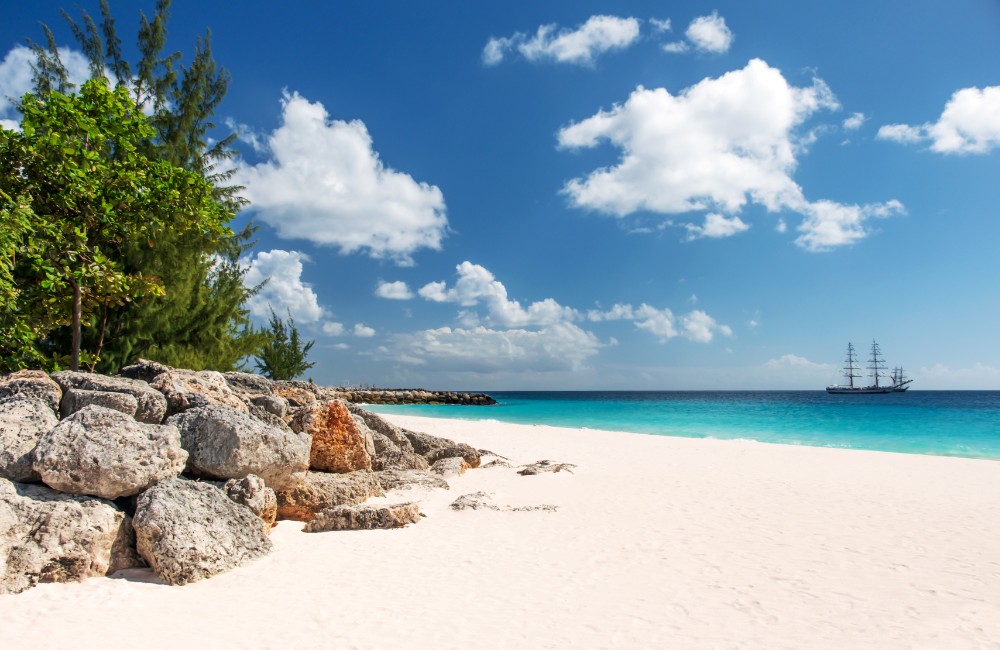
When someone mentions Barbados, you picture white sandy beaches, turquoise waters, and maybe sipping a cold drink while the waves gently lap at your toes.

But, the question I keep hearing is, “Is Barbados safe?” It’s a fair question, especially when you’re planning your next big adventure.

So, after diving into research and chatting with fellow travellers, I’ve put together this guide to answer just that.

Ready? Let’s roll.

Ready for unlimited adventure? Get travel insurance that covers over 150 activities and 190 destinations.

How Safe is Barbados Now?

Barbados is widely considered one of the safest destinations in the Caribbean. 

It's not just me saying this. Barbados consistently ranks as a low-risk destination for tourists. Violent crime is rare, and locals are known for their warmth and hospitality. 

My Pro Tip: Curious about other safe destinations? Check out my guide on the safest places to travel.

Cover your trip today

Planning a trip to Barbados? Get comprehensive travel insurance for medical needs, trip interruptions, and more with Rise & Shield. Quick & easy.

That said, no place is entirely free of risks, right?

It's important to note that in 2024, the island experienced a notable increase in homicides, recording at least 50 murders, up from 21 in 2023.

Despite this uptick, Barbados maintains a lower crime rate compared to many of its Caribbean neighbours, like Antigua

Proof? In 2024, Barbados had a crime index of 47.1, which is lower than that of the Bahamas at 56.5 and Jamaica at 68.1.

Yes, petty theft can be an issue in crowded areas or tourist hotspots, but a bit of common sense, like keeping your valuables tucked away, goes a long way.

From my research, the island has taken major steps to prioritise tourism safety, especially as it remains a key part of the economy.

Police presence is strong in popular areas, and local tourism boards actively promote visitor safety. 

Besides this, there are some common safety concerns in Barbados that every traveller should be aware of. Let’s tackle them next.

Current Safety Concerns in Barbados

Current Safety Concerns in Barbados

Is Barbados safe? It is, but beware of the following safety concerns:

Petty Theft and Scams

Barbados is generally a safe destination, but petty theft can occasionally happen, especially in crowded tourist spots.

It’s nothing out of the ordinary. Remember my other post about how safe Cyprus is? It’s the same here; the kind of stuff you’d be cautious of in any popular travel destination. 

Keep your belongings secure, avoid flashing valuables, and you’ll likely have nothing to worry about. Locals and visitors alike agree that the island feels welcoming and secure.

And while scams are rare, they do exist in small pockets.

For instance, some travellers have reported being overcharged by unofficial taxis. Stick to registered taxi services or rent a car to avoid this.

Speaking of which, let’s talk about the roads.

Ready for unlimited adventure? Get travel insurance that covers over 150 activities and 190 destinations.

Driving in Barbados

Driving in Barbados is an adventure in itself. The roads are narrow, winding, and often shared with energetic local drivers.

Add in the fact that Barbadians drive on the left-hand side of the road, and you’ve got a unique experience for first-time visitors! If you’re renting a car, stay alert and stick to well-marked roads, especially if you're driving after sunset.
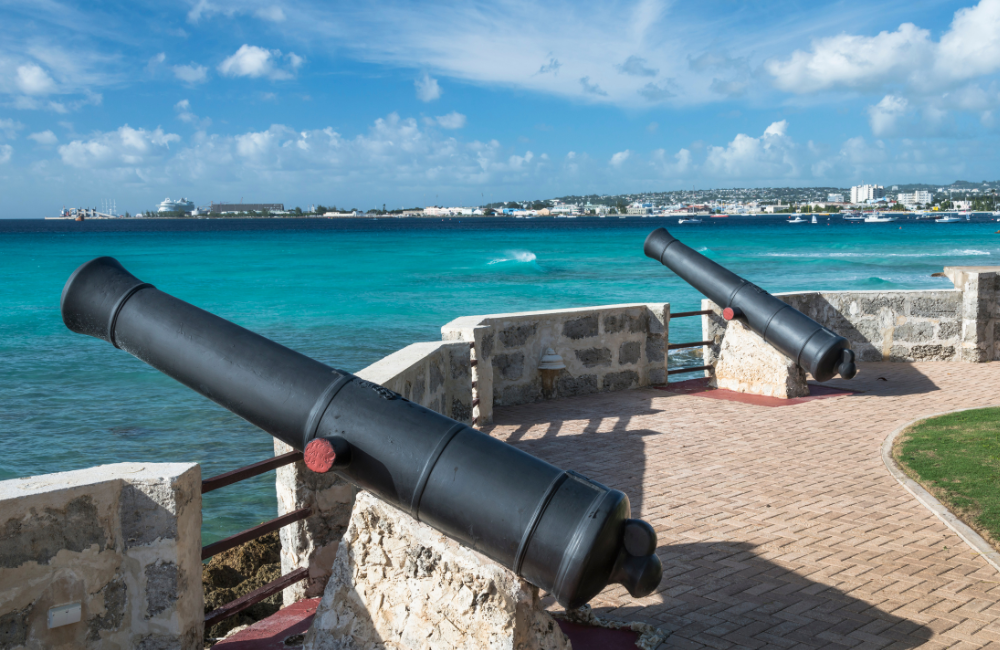
Road conditions are generally good near the main towns, but rural areas can be a bit rougher.

For peace of mind, plan your driving routes in advance and avoid heading too far off the beaten path at night.

Now, while you’re out exploring, there’s another factor to keep in mind: the weather.

Hurricane Season

Hurricane Season

Barbados is in the Caribbean, which means hurricane season is a fact of life.

Running from June to November, the island rarely experiences direct hits, but storms can still disrupt travel plans. Heavy rains or strong winds can make outdoor adventures tricky, especially during peak hurricane months.

The good news?

Barbados is well-prepared for tropical weather, with reliable infrastructure and clear communication during storm warnings.

If you’re visiting during hurricane season, stay updated on local forecasts and pack a flexible itinerary. But let’s not stop here. There’s one last thing worth mentioning.

Ready for unlimited adventure? Get travel insurance that covers over 150 activities and 190 destinations.

Late Nights and Isolated Areas

Barbados is a lively island, and many visitors feel perfectly safe walking around at night, especially in bustling areas like St. Lawrence Gap.

That said, isolated beaches and poorly lit areas are best avoided after dark, just to play it safe. It’s the kind of precaution you’d take anywhere, not just here.

Stick to the vibrant, well-lit areas where you can enjoy the island’s charm without a care.

And really, isn’t it better to end your day on a high note, relaxing somewhere lively with good music and a chilled drink?

LGBTQ+ Travel in Barbados

LGBTQ+ Travel in Barbados

Now, this is an important topic. Barbados is known for its friendliness, but LGBTQ+ travellers should note that same-sex relationships remain somewhat taboo in certain circles. 

The good news is that legally, attitudes are shifting. The government has taken steps to decriminalise same-sex intimacy, which is a huge step forward.

That said, most LGBTQ+ travellers report feeling welcomed on the island, particularly in tourist-heavy areas and resorts.

Cover your trip today

Planning a trip to Barbados? Get comprehensive travel insurance for medical needs, trip interruptions, and more with Rise & Shield. Quick & easy.

Like anywhere, discretion can be wise, especially in more rural or traditional communities. But rest assured, Barbados is becoming more inclusive with each passing year.

Ready to explore Barbados? Let me share some of my favourite safety tips for travellers going to Barbados.

6 Top Safety Tips for Tourists in Barbados

6 Top Safety Tips for Tourists in Barbados

Here are 6 of my favourite travel safety tips if you want to explore Barbados like a local.

Ready for unlimited adventure? Get travel insurance that covers over 150 activities and 190 destinations.

1. Get Travel Insurance

Let’s start with the big one: travel insurance. Honestly, this should be a non-negotiable for any trip, but it’s especially important when heading somewhere tropical.

From unexpected flight cancellations during hurricane season to those “oops” moments while scuba diving or hiking, travel insurance has your back. 

Plus, it gives you peace of mind, which is priceless when you’re trying to enjoy paradise.

2. Secure Your Valuables

2. Secure Your Valuables

Barbados might feel like a carefree paradise, but keeping your belongings secure is just common sense. 

Use your hotel’s safe for passports, cash, and electronics whenever you’re out and about. If you’re exploring local markets or taking a sunset stroll, consider carrying a discreet money pouch or bag with zippers to avoid tempting opportunistic thieves.

Speaking of strolling, let’s look at where to wander after dark…

Ready for unlimited adventure? Get travel insurance that covers over 150 activities and 190 destinations.

3. Stick to Well-Lit Areas at Night

Barbados has an amazing nightlife scene, especially in areas like St. Lawrence Gap and Holetown

These spots are buzzing with energy and full of fellow travellers and locals alike. But if you’re venturing out after dark, stick to well-lit, bustling areas and avoid secluded streets or quiet beaches. 

The vibe is so much better where the action is anyway: live music, good food, and lively company!
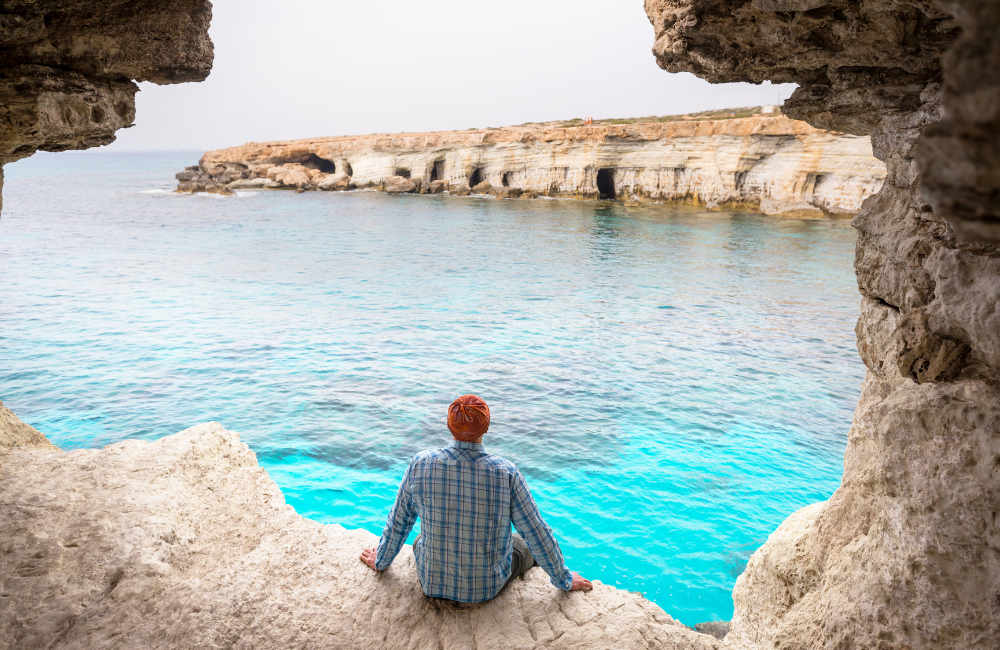
But the island isn’t just about nightlife; it’s got some stunning beaches. Let’s chat about safety in the water.

4. Be Cautious When Swimming

4. Be Cautious When Swimming

Barbados’ beaches are the stuff of postcards, but the waters can be unpredictable, especially along the rugged east coast. 

That side of the island is known for its strong currents and waves that are better suited to experienced surfers than casual swimmers.

My Pro Tip: Don’t forget to grab some surf travel insurance before you visit.

For a safer swim, stick to the west and south coasts, where the waters are calmer and lifeguarded beaches are the norm. 

And always keep an eye on those red flags. They’re there for a reason.

Ready for unlimited adventure? Get travel insurance that covers over 150 activities and 190 destinations.

5. Plan for Hurricanes

As dreamy as the Caribbean is, hurricane season can shake things up. 

Barbados rarely takes a direct hit, but heavy rains and strong winds can still make an appearance between June and November. If you’re visiting during this time, plan ahead.

Make sure your travel insurance covers cancellations or delays, and keep an eye on local weather forecasts. 

Most resorts and hotels are well-prepared for storms, so you’ll likely be in good hands. Now, one last tip to round things out…

6. Respect Local Customs

6. Respect Local Customs

Barbados isn’t just beautiful; it’s culturally rich, with a deep history and proud traditions. From music and dance to its culinary heritage, there’s so much to learn and appreciate. 

When visiting churches, historic sites, or even casual gatherings, showing respect goes a long way. Dress modestly when required, and be mindful of your tone and mannerisms.

Barbadians are known for their warmth and friendliness, and embracing their way of life will only make your trip more memorable.

Why Visit Barbados

Why Visit Barbados?

If you’re asking yourself, “Why should I visit Barbados?” my counter would be, “Why not?” 

This island is a paradise of contrasts. You’ve got vibrant nightlife, world-class beaches, and mouthwatering cuisine. 

Seriously, if you haven’t tried flying fish and cou-cou, you’re missing out.

Then there’s the nature. I’m a sucker for dramatic coastlines and the feeling of standing somewhere that takes your breath away. 

Barbados doesn’t disappoint. You’ve got places like Bathsheba Beach with its wild beauty, and the underground wonder of Harrison’s Cave.

And let’s not forget the people. Every traveller I’ve spoken to says the same thing: the locals make Barbados unforgettable.

Cover your trip today

Planning a trip to Barbados? Get comprehensive travel insurance for medical needs, trip interruptions, and more with Rise & Shield. Quick & easy.

My Final Thoughts

And there you have it: So, is Barbados safe? The answer is a resounding yes. With its low crime rate, friendly locals, and stunning natural beauty, Barbados is a destination you can feel good about exploring. Like anywhere, it’s wise to keep your wits about you, but the island’s safety record speaks for itself.
Read More
Is Cyprus Safe for Families, Solo Travellers, and More
Travel Safety

Is Cyprus Safe for Families, Solo Travellers, and More?

Is Cyprus safe? Yes, it absolutely is! But (and there is always a but…) like any destination, there’s more to the story. 

Whether you’re a family looking for sun-soaked beaches, a solo traveller chasing Mediterranean sunsets, or a couple seeking a romantic escape, Cyprus has something magical to offer. 

But what about hidden risks? What should you know about driving, local customs, or even wildlife before you pack your bags?

In this guide, I’ll share everything you need to know to enjoy your time on this stunning island with total peace of mind. From practical travel safety tips to insider advice, I’ve got you covered.

Ready? Let’s roll.

Ready for unlimited adventure? Get travel insurance that covers over 150 activities and 190 destinations.

How Safe is Cyprus Now?

How safe is Cyprus now? Very safe! Cyprus consistently ranks as one of the safest places in world, with low crime rates and a warm, welcoming vibe that makes it perfect for any adventure. 

Whether you're strolling through ancient ruins, sunbathing on pristine beaches, or exploring charming villages tucked away in the hills, you'll feel at ease knowing safety is rarely a concern here.

But let’s be honest. No destination is completely without its challenges. That’s where being informed makes all the difference to your trip.

My Pro Tip: Before you go, check out the UK Foreign Travel Advisory. It’s my go-to resource for travel updates, from local laws and customs to health advice. Trust me, a quick read could save you from any surprises along the way.

So, is Cyprus as dreamy and safe as it sounds? Absolutely. Like Malta, Cyprus boasts low crime rates and a friendly atmosphere.

But what about those little details that could impact your trip? Let’s dive into the current safety concerns in Cyprus and make sure you’re fully prepared for your adventure. Stay with me!

Current Safety Concerns in Cyprus

Current Safety Concerns in Cyprus

Even in a place as safe as Cyprus, a savvy traveller knows it’s worth being aware of potential challenges. Let’s break down a few key areas so you can feel fully prepared for your adventure.

Ready for unlimited adventure? Get travel insurance that covers over 150 activities and 190 destinations.

Driving in Cyprus: The Good and the Not-So-Good

Driving in Cyprus is mostly a breeze. The roads are well-maintained, and you’ll be driving on the left side. This is good news if you’re coming from the UK, like I am! 

But here’s the thing: some rural roads, especially in the mountains, can be narrow and winding. If you’re not confident behind the wheel, they might feel a bit daunting.

My Pro Tip: If you’re hiring a car, opt for something compact and pay extra attention to the locals. Cypriots tend to have a more “relaxed” approach to road rules. 

Stick to the speed limits, buckle up, and you’ll be fine.

Petty Crime: Rare, But Worth Mentioning

Petty Crime: Rare, But Worth Mentioning

Pickpocketing and petty theft are rare in Cyprus, but they can happen in tourist hotspots like Paphos and Ayia Napa, especially during the busy summer months. 

Keep your valuables close, use a money belt or crossbody bag, and don’t leave belongings unattended on the beach.

I always say: “A little extra caution goes a long way.” You don’t want to spend your trip sorting out a stolen phone or wallet when you could be exploring ancient ruins!

Wildlife: A Few Surprises

Wildlife: A Few Surprises

Cyprus is home to stunning natural beauty, but some of its wildlife might catch you off guard. 

While the island doesn’t have any dangerous predators, there are snakes, including the blunt-nosed viper, which is venomous. 

The chances of encountering one are slim, but if you’re hiking in the countryside, stick to marked trails and wear sturdy shoes.

Oh, and if you’re visiting the coast, watch out for jellyfish. Most aren’t harmful, but a sting can still ruin your day at the beach. 

A bit of vinegar in your first aid kit can work wonders if you do get stung.

Ready for unlimited adventure? Get travel insurance that covers over 150 activities and 190 destinations.

Political Division: What It Means for You

Cyprus’s ongoing division between the Greek Cypriot south and the Turkish Cypriot north isn’t something you’ll notice much as a tourist. 

The UN buffer zone separating the two regions is well-managed, and you can even cross the border at designated checkpoints if you fancy exploring both sides of the island.

Just make sure to carry your passport, and avoid photographing anything near the buffer zone. This area is a sensitive area, and the last thing you want is to get into trouble over a quick snap.

LGBTQ+ Travel in Cyprus

LGBTQ+ Travel in Cyprus

Cyprus is generally welcoming to LGBTQ+ travellers, especially in its more tourist-heavy areas like Limassol, Paphos, and Ayia Napa. 

Same-sex relationships are legal, and the younger generation is increasingly open-minded, creating a relaxed atmosphere for visitors. 

You’ll find a few LGBTQ+ friendly bars and events, particularly in the summer months, when the island comes alive with a festive energy.

That said, Cyprus is still a conservative society in some respects, particularly in rural areas or among older generations. 

Public displays of affection, regardless of orientation, are less common here and might draw attention. 

As always, respect for the local culture is key.

Now that we’ve covered the key safety concerns, you’re already ahead of most travellers. But there’s still more to think about when it comes to making your trip as seamless as possible. 

Next up, let’s explore how to stay prepared and protected during your Cypriot adventure. Ready? Let’s keep rolling!

5 Top Safety Tips for Tourists in Cyprus

5 Top Safety Tips for Tourists in Cyprus

Let’s talk about staying safe and stress-free during your time in Cyprus. These tips aren’t just practical; they’re the kind of advice I’d share with a friend over coffee before their big trip.

Ready for unlimited adventure? Get travel insurance that covers over 150 activities and 190 destinations.

1. Get Travel Insurance

This one’s a no-brainer, right? Even in a safe destination like Cyprus, things can go wrong. Think: a delayed flight, a lost bag, or an unexpected trip to the doctor. 

Travel insurance for Cyprus gives you that priceless peace of mind.

Personally, I never travel without it. It’s one of those things you hope you won’t need but will be eternally grateful for if you do. 

And if you’re looking for flexible, no-nonsense coverage, well, you know where to find it (hint hint; check out Rise & Shield).
2. Stay Hydrated and Sun-Smart

2. Stay Hydrated and Sun-Smart

Cyprus is gloriously sunny, but that Mediterranean heat can catch you off guard. Dehydration and sunburn are two of the easiest ways to ruin your day, especially if you’re exploring outdoors.

Carry a reusable water bottle, wear a hat, and slap on high-SPF sunscreen. And trust me, take breaks in the shade. It’s not a race to see how much you can cram into one day!

Ready for unlimited adventure? Get travel insurance that covers over 150 activities and 190 destinations.

3. Be Mindful of Local Customs

Cyprus is a blend of cultures, and while the island is tourist-friendly, it’s important to respect local customs.

When visiting religious sites, for example, make sure you’re dressed modestly I find that covering your shoulders and knees is usually a safe bet.

4. Watch Out for the Sea

4. Watch Out for the Sea

The beaches in Cyprus are stunning, but the waters can occasionally be deceptive. Strong currents and unexpected waves are more common than you’d think, especially on windy days.

Look for lifeguard flags before diving in, and stick to designated swimming areas. 

If you’re travelling with kids, keep a close eye on them near the water. There’s nothing more precious than peace of mind when it comes to your family’s safety.

5. Keep Emergency Numbers Handy

5. Keep Emergency Numbers Handy

Nobody likes to think about emergencies, but it’s always better to be prepared.

Save important numbers, like the local police (112), ambulance (199), and the nearest embassy, in your phone.

I also keep a small, laminated card with emergency contacts in my wallet. Jjust in case my phone dies or gets misplaced. It’s a tiny thing, but it can make a big difference when you need it most.

With safety sorted and practical tips in hand, you’re ready to fully embrace everything Cyprus has to offer.

But what makes this island truly unforgettable? Let me show you why Cyprus deserves a spot on your travel list.

Why Visit Cyprus

Why Visit Cyprus?

Why visit Cyprus? Because it’s a place where history, natural beauty, and warm hospitality come together in the most magical way. 

This island isn’t just a destination. It’s an experience that stays with you long after you’ve left its sun-kissed shores.

Imagine starting your day wandering through ancient ruins, where every stone whispers tales of gods and warriors. 

By midday, you’re lounging on a pristine beach, the Mediterranean breeze carrying away any stress you thought you’d brought with you. 

And as the sun sets? You’re sipping local wine in a quaint taverna, savouring dishes so rich with flavour they practically sing on your taste buds.

Well, if you’re wondering, “?” you’ll be pleased to know that, much like Cyprus, Greece is considered a safe destination for travellers with plenty of precautions in place.

Ready for unlimited adventure? Get travel insurance that covers over 150 activities and 190 destinations.

But it’s not just the scenery or the food. It’s the people. 

Cypriots have a way of making you feel like you belong, whether it’s a shopkeeper sharing a local legend or a stranger offering directions with a smile. 

It’s the kind of place where connections matter, and you’ll leave feeling like you’ve made a few.

Whether you’re an adventurer chasing hiking trails, a history buff uncovering ancient secrets, or a traveller simply looking to recharge, Cyprus is a place that gives back tenfold.

My Final Thoughts

And there you have it: So, is Cyprus safe? Yes. But it’s also so much more than that. It’s a destination that calls to the dreamers, the wanderers, and the adventurers alike.

Now the only question is: when will you answer the call? And will you remember to get travel insurance before you go?
Read More
Is Antigua Safe for Travellers: The Island’s True Face
Travel Safety

Is Antigua Safe for Travellers? The Island’s True Face

Is Antigua safe? It’s a question I asked myself before booking my ticket to this Caribbean gem.

With its powdery beaches, turquoise waters, and vibrant culture, Antigua seems like paradise. But behind the postcard-perfect views, what’s the reality for travellers like you and me?

Don’t worry, I’ve got the answers. From local tips to common safety concerns, I’ll walk you through everything you need to know.

Ready? Let’s roll.

Ready for unlimited adventure? Get travel insurance that covers over 150 activities and 190 destinations.

Is Antigua Safe for Tourists?

The good news is, yes, Antigua is generally a safe destination. 

The island is known for its friendly locals and laid-back vibe, making it a welcoming spot for travellers.

That said, like anywhere, Antigua isn’t without its quirks. So, it’s worth keeping an eye on foreign travel advisories.

Petty theft can happen, especially in busy tourist areas, so keep an eye on your belongings. If you’re visiting during hurricane season (June to November), it’s smart to check weather updates regularly.

And when it comes to health, the biggest precaution is to pack some bug spray. I found that the mosquitoes here can be a nuisance.

While all of this sounds great, let’s dive a bit deeper into the current safety concerns in Antigua. Like Granny said, “Forewarned is forearmed.”
Current Safety Concerns in Antigua

Current Safety Concerns in Antigua

Here are the current safety concerns in Antigua:

Petty Crime in Antigua

Let’s be real: no destination is entirely free of petty crime, and Antigua is no exception. 

While the island is generally safe, pickpocketing and occasional scams can happen in busy areas like markets or popular tourist spots. 

One common scam involves “helpful” locals offering unsolicited assistance and then demanding a tip.

Sounds familiar? Yes, because it’s a common scam in Malta.

My Pro Tip: Stick to well-lit, populated areas, especially at night, and don’t flash expensive jewellery or gadgets. A little discretion goes a long way in keeping your trip stress-free.

Ready for unlimited adventure? Get travel insurance that covers over 150 activities and 190 destinations.

Weather Risks in Antigua

Antigua’s tropical charm comes with one caveat. Hurricanes. Yes, hurricanes

Typically, hurricane season runs from June to November. 

While direct hits are rare, storms can still disrupt or delay your travel plans. Thank goodness for travel insurance!

If you’re visiting during this time, stay updated with weather forecasts and have a backup plan.

I downloaded a weather app (Windy is my favourite) before I went. Weather apps are lifesavers when it comes to tracking storms and planning your day around sudden rain showers.
Health and Hygiene Concerns in Antigua

Health and Hygiene Concerns in Antigua

You’ll find Antigua’s tap water safe in most areas, but bottled water is a better choice if you’re unsure. 

The real health nuisance, though, is mosquitoes, especially at dawn and dusk. Make sure you’ve got insect repellent in your bag at all times.

For food, I recommend sticking to busy local restaurants. Not only are they safer, but they also serve some of the best Caribbean flavours you’ll ever taste. Don’t leave without trying jerk chicken or fresh-caught fish.

Transport Safety in Antigua

Transport Safety in Antigua

Getting around Antigua is easy, but there are a few quirks to watch for. 

Roads can be narrow and winding, and some aren’t well-lit at night. If you’re renting a car, take it slow. Locals know the roads better than you do. 

I found that taxis are generally safe, but make sure you’re using licensed ones.

My Pro Tip: Skip public buses unless you’re up for a real adventure. They’re cheap but unpredictable, and schedules are more of a suggestion than a rule!

Ready to explore Antigua? Here are some of my favourite safety tips for tourists in Antigua.

7 Top Safety Tips for Tourists in Antigua

7 Top Safety Tips for Tourists in Antigua

If you want to explore Antigua like a local and be safe while doing it, you should follow these safety tips. They worked for me and I’m sure they’ll work for you.

Ready for unlimited adventure? Get travel insurance that covers over 150 activities and 190 destinations.

1. Get Travel Insurance

Let’s face it: no one plans for accidents, but they happen. 

Whether it’s a sudden illness, a missed flight, or the unexpected cost of replacing a stolen phone, travel insurance can save the day. 

Antigua might feel like paradise, but even in paradise, things can go wrong. I chose Rise & Shield.

Why Rise & Shield?

It’s what I use every time I travel. Their coverage is tailored for adventure-loving explorers like you and me, with minimal restrictions and maximum peace of mind. Don’t skimp on this. It’s worth every penny.

2. Stay Aware of Your Surroundings

2. Stay Aware of Your Surroundings

Busy areas like markets or festival grounds are buzzing with energy and opportunists. 

Keep your belongings close and avoid distractions. I’ve learned the hard way that it’s easy to lose track of things when you’re admiring the scenery or snapping a photo.

My Pro Tip: A small crossbody bag or money belt is a game-changer for hands-free exploring without worry.

Ready for unlimited adventure? Get travel insurance that covers over 150 activities and 190 destinations.

3. Avoid Isolated Beaches or Areas After Dark

Antigua’s beaches are stunning, but they can feel deserted in the evening. 

While crime rates are low, it’s always better to stick to well-populated spots after sunset. That’s a rule I live by wherever I go.

If you’re itching for a night beach stroll, go with a group or stick to resorts with private beaches and security. And if you’re travelling solo? 

Well, I recommend you check out my safety tips for guys or my safety tips for women guides. Both cater to solo travellers and share insights you won’t find on Wikipedia.
4. Use Licensed Taxis or Arrange Transport Through Your Accommodation

4. Use Licensed Taxis or Arrange Transport Through Your Accommodation

As seasoned travellers, we all know that not all taxis are created equal. 

Licensed taxis are safe and reliable, while unregulated ones might not be worth the risk. I always ask my hotel to arrange transport. Sure, it may sound lazy, but it saves hassle and keeps things simple and safe.

Ready for unlimited adventure? Get travel insurance that covers over 150 activities and 190 destinations.

5. Keep Valuables in a Hotel Safe

This might sound obvious, but trust me, you’d be surprised how many travellers carry their passports or extra cash around “just in case.”

Locking valuables in your hotel safe ensures you can relax without that nagging worry about what’s in your bag.

6. Be Mindful of Weather Forecasts During Hurricane Season

6. Be Mindful of Weather Forecasts During Hurricane Season

When it comes to the weather, don’t take chances. 

Hurricane season is no joke, and even minor storms can throw a wrench in your plans. I always keep an eye on the forecast and plan excursions around clear skies.

My Pro Tip: If the weather turns, use the downtime to explore indoor spots like museums or savour a long lunch at a beachside café. The Museum of Antigua and Barbuda is a must-see!

Ready for unlimited adventure? Get travel insurance that covers over 150 activities and 190 destinations.

7. Respect Local Customs and Culture

Antigua has a rich cultural heritage, and showing respect for local customs goes a long way in making your visit smooth and enjoyable. 

Dress modestly when you’re not on the beach, and be polite when interacting with locals. A smile and a simple “thank you” can work wonders.

If you’re visiting during Carnival or other cultural events, ask locals about the traditions. They’ll love sharing their stories, and you’ll gain a deeper appreciation for the island.

Now that you’ve got my Antigua safety tips backing you up, I bet you’re rearing to go and explore, right? 

But wait. Why are thousands of travellers heading to Antigua yearly? Here’s why.

Why Visit Antigua

Why Visit Antigua?

Imagine strolling along powdery white-sand beaches, the warm Caribbean breeze carrying the faint scent of sea salt. 

The turquoise waters glisten under the sun, inviting you for a scuba dive. If you’re anything like me, you’ll feel like you’ve stepped into a postcard.

But Antigua isn’t just about beaches (though they’re hard to beat)

History buffs will love Nelson’s Dockyard, a UNESCO World Heritage Site where you can practically hear the echoes of British naval history. 

And let’s not forget Antigua’s festivals. Carnival, in particular, is a riot of colour, music, and pure joy.

Every corner of this island tells a story, and every sunset feels like a gift. Trust me, Antigua isn’t just a place; it’s an experience.

Ready for unlimited adventure? Get travel insurance that covers over 150 activities and 190 destinations.

My Final Thoughts

And there you have it: is Antigua safe? It sure is! But, like most of the safest places to travel, you still need to keep your wits about you. Remember to get travel insurance from Rise & Shield before you go.
Read More
Heymondo Reviews: Everything You Didn’t Know
Best Travel Insurance

Heymondo Reviews: Everything You Didn’t Know

Looking for Heymondo reviews? I’ve got your back.

I know, when it comes to travel, insurance is your safety net. 

And if Heymondo has caught your eye, you might be wondering, "Is Heymondo legit?" 

Whether you're planning a short trip or a long adventure, their offerings seem to promise peace of mind. But do they deliver? I took a deep dive to learn more about this travel insurance provider.

Ready to see what I learned? Let’s roll.

What Is Heymondo Insurance

What Is Heymondo Insurance?

Heymondo bills itself as the go-to for globetrotters, offering insurance plans for single trips, annual jaunts, or those lengthy sabbaticals where you’re "finding yourself" in Bali

Their app is one of their big selling points, boasting features like 24/7 medical chat and free assistance calls. It’s all very modern, very slick; like they’ve handed your travel safety over to a team of tech-savvy problem solvers. 

Handy? Absolutely. Revolutionary? Maybe not.

But here’s where things get interesting. Heymondo isn’t some seasoned veteran with decades of experience to back their big promises. 

They were founded in 2017, fairly young in the world of travel insurance

It makes me wonder, can a company this new really have the expertise to handle your emergencies when you’re stuck in the middle of nowhere? 

Sure, the app is shiny, but what about the grit and reliability when things go wrong?

Now don’t get me wrong: I see the appeal. They’re trying to cater to a generation glued to their phones (and I’m guilty as charged!); I respect the effort. 

But here’s a thought: are we relying too much on bells and whistles while overlooking what truly matters? Like comprehensive coverage and actual reliability? 

I’ve been around long enough to know that apps don’t solve every problem. Sometimes, it’s the human on the other end of the phone that makes all the difference.

But, before I form an opinion, let’s continue this Heymondo review and look at its pros and cons.

Ready for unlimited adventure? Get travel insurance that covers over 150 activities and 190 destinations.

Pros and Cons of Heymondo Insurance

Here are the pros and cons of Heymondo’s insurance policies.

Pros:

  • High medical assistance limit of up to $10 million USD.
  • User-friendly mobile app with free assistance calls.
  • Comprehensive options for trip cancellation and baggage protection.

Cons:

  • Policies don’t cover pre-existing conditions or routine check-ups.
  • Age limit of 69 years excludes older travelers.
  • Claims process can be slow, according to some reviews.

Now that we’ve looked at the pros and cons, let’s see what’s included in a typical Heymondo policy.

What's Included in Heymondo Insurance Policies

What's Included in Heymondo Insurance Policies?

Heymondo travel insurance covers essential aspects, such as:

Emergency Medical Expenses and Assistance

Let’s start with the big one: medical expenses. Heymondo promises to cover emergency medical costs up to $10 million USD.

Sounds impressive, right? And it’s crucial if you’re suddenly facing a hospital bill in a country where healthcare isn’t exactly free. 

But here’s the catch: this only applies to emergencies. 

If you’re dealing with something more routine, like managing a chronic condition or a follow-up appointment, you’re on your own. It’s good for peace of mind, but don’t mistake it for a golden ticket to free healthcare abroad.

Trip Cancellation and Interruption

Trip Cancellation and Interruption

Cancelled trips are a nightmare, and Heymondo offers to soften the blow. They’ll reimburse you for non-refundable costs if your plans go sideways due to illness, emergencies, or even unexpected work demands. 

Sounds great on paper, but like most insurance policies, there’s a list of conditions and exclusions long enough to make your head spin. 

The moral of the story? Read the fine print before you book that non-refundable safari or cruise.

Ready for unlimited adventure? Get travel insurance that covers over 150 activities and 190 destinations.

Baggage Protection for Loss, Theft, or Damage

Ever stood at the luggage carousel, watching every bag except yours make the rounds? 

Heymondo says they’ve got your back if your luggage is lost, stolen, or damaged. While it’s a lifesaver for some, don’t expect a quick payout. 

Numerous Heymondo reviews suggest you might be chasing paperwork for weeks before seeing a penny. Still, if you’re the type to travel with half your life in your suitcase, it’s worth considering.

24_7 Global Support Through Their App

24/7 Global Support Through Their App

Now, this is where Heymondo shines, or so they’d like you to think. Their app offers 24/7 global support, including a medical chat and free assistance calls. 

It’s a sleek feature that appeals to tech-savvy travellers who want instant access to help. 

But let’s be real. An app is only as good as the team behind it. 

Will you get the swift response you need, or will it feel like you’re shouting into the void? For simple questions, the app is handy. For a full-blown crisis? You might still be wishing for a more personal touch.

Let's continue my Heymondo review. Next? What's not covered by Heymondo after reading the fine print.

What's Not Included in Heymondo Policies

What's Not Included in Heymondo Policies?

No insurance is perfect, and Heymondo is no exception. They do not cover:

Pre-existing Medical Conditions

This one’s a heartbreaker for anyone with chronic illnesses or long-standing health issues. 

Heymondo doesn’t cover pre-existing medical conditions, which means if your asthma flares up or your diabetes needs attention while you’re abroad, you’re footing the bill. 

For travellers like me, managing a condition day-to-day, this feels like a glaring hole in their coverage. 

Sure, emergencies are covered, but what about the predictable challenges that come with travelling with a medical condition? 

It’s a reminder that "comprehensive" doesn’t always mean "complete."

Ready for unlimited adventure? Get travel insurance that covers over 150 activities and 190 destinations.

Routine Medical Check-Ups

Let’s face it: travel can be unpredictable, but some things aren’t. You might need a quick health check or medication refill, especially if you’re travelling long-term.

Unfortunately, Heymondo doesn’t cover routine medical check-ups. 

While this isn’t a dealbreaker for short trips, it’s something to consider if you’re planning a months-long adventure. Without this, you’ll need to budget for those routine costs on your own.

Extreme Sports or Activities Without Additional Coverage

Extreme Sports or Activities Without Additional Coverage

Thinking about backpacking, scuba diving, or scaling a cliff face? Proceed with caution. 

Heymondo’s standard policy doesn’t cover extreme sports or high-risk activities unless you pay for extra coverage. 

It’s a letdown for thrill-seekers who assume "adventure" is part of the package. If your trip revolves around adrenaline-fueled fun, make sure to check if your activity is on their exclusion list. 

Better yet, find travel insurance that embraces your adventurous spirit from the start with over 99 adventure activities included as standard.

Ready for unlimited adventure? Get travel insurance that covers over 150 activities and 190 destinations.

Using a Heymondo Policy

Wondering how to buy and use a Heymondo travel insurance policy? Here’s how you do it:

Step 1: Choose Your Plan Online

First, I headed to Heymondo’s website. It’s pretty intuitive! You start by picking the type of coverage you need: single trip, annual multi-trip, or long stay. 

I plugged in my destination, travel dates, and a few personal details. 

Then, I saw the premium adjust in real time as I tinkered with add-ons like trip cancellation coverage.

 It was satisfying to see the numbers update instantly, but I couldn’t help but wonder if all the "customisation" was just a fancy way of hiking up the price.
Step 2: Customise Your Coverage

Step 2: Customise Your Coverage

Once the basics were sorted, I dived into the nitty-gritty. Heymondo lets you add extra features, like coverage for high-risk activities or enhanced baggage protection. 

I appreciated the transparency in seeing exactly what I was paying for, but the options felt overwhelming. 

By the time I’d ticked a few boxes, my "affordable" policy was looking less so. A word to the wise: keep an eye on the price tag as you go.

Ready for unlimited adventure? Get travel insurance that covers over 150 activities and 190 destinations.

Step 3: Activate Your Policy

After payment, activating the policy was simple. I received a confirmation email with all my documents and instructions for downloading their app. 

No lengthy forms or back-and-forth emails, which was a relief. 

I liked that everything was digital. There’s no need to carry a folder of paperwork on my travels. Still, I couldn’t shake the feeling that the app would be the ultimate test.

Step 4: Use the Heymondo App on the Go

Step 4: Use the Heymondo App on the Go

Downloading and setting up the Heymondo app was easy, but navigating it took a minute to figure out. 

From there, I explored the features: incident reporting, a 24/7 medical chat, and assistance calls. It all looked good on the surface, but I kept wondering, “How would it hold up in an actual emergency?”

For smaller issues, like a lost item or a minor illness, the app seemed convenient. But if something serious happened, would it still feel this smooth?

Ready for unlimited adventure? Get travel insurance that covers over 150 activities and 190 destinations.

Step 5: Seek Assistance When Needed

The real value of Heymondo’s policy lies in how you use it when things go wrong. With the app, I practised reporting a mock incident and found the process straightforward.

It’s a nice feature for the tech-savvy, but if you’re someone who prefers human interaction over app notifications, this might feel a little cold. 

For now, I’d say it’s a mixed bag. Good for the basics, but time will tell if it delivers in a pinch.

So what happens when an actual disaster strikes? How do you file a claim with Heymondo? Let’s find out.

Filing a Claim with Heymondo

Filing a Claim with Heymondo

Filing a claim with Heymondo travel insurance was pretty straightforward. Here’s what I learned while playing around with their app.

Step 1: Gather Your Documentation

The first thing I learned about filing a claim with Heymondo is that documentation is king. 

You’ll need proof of the incident, such as receipts, police reports for theft, or medical records for emergencies. I imagined myself fumbling through my phone gallery to find receipts from a busy market in Morocco

My Pro Tip: Keep all your paperwork organised from the start. Without it, your claim will likely hit a dead end.
Step 2: Submit Your Claim Through the App or Website

Step 2: Submit Your Claim Through the App or Website

Next, I explored how to actually file the claim. The app and website both guide you step-by-step through the process. 

I opened the app, selected "File a Claim," and uploaded a few sample documents just to test it out. 

It felt quick and simple. Tap, upload, done.

Step 3: Wait for Processing

Step 3: Wait for Processing

Once the claim is submitted, the waiting game begins. Reviews suggest Heymondo can be hit or miss here. 

Some users rave about fast reimbursements, while others report weeks of back-and-forth emails asking for "just one more document." 

From what I’ve gathered, minor claims like delayed flights or small medical bills seem to process faster. But if you’re dealing with something larger, you might need patience and persistence.

Ready for unlimited adventure? Get travel insurance that covers over 150 activities and 190 destinations.

Step 4: Follow Up If Needed

This step can make or break your experience. If your claim feels like it’s stuck in limbo, don’t be afraid to follow up. Users have reported mixed success here. 

Some got updates quickly, while others felt like they were chasing shadows. If timely resolutions are important to you, this could be a sticking point. 

My advice? Be polite but persistent. You might need to give them a nudge to keep things moving.

Step 5: Receive Your Reimbursement

Step 5: Receive Your Reimbursement

Finally, if everything checks out, you’ll get reimbursed. Payments are typically made via bank transfer or PayPal, which is convenient. 

But don’t celebrate just yet! There’s no guarantee the amount will fully cover your loss. 

After running through the process in my mind, I couldn’t help but feel like it was a roll of the dice. If everything goes smoothly, you’ll walk away happy. If not, it might leave a sour taste in your mouth.

But is this just my experience? What do other Heymondo reviews reveal?

Other Online Reviews of Heymondo Insurance

Other Online Reviews of Heymondo Insurance

When I delved into customer feedback on Heymondo, I found a mixed bag of experiences. 

On Trustpilot, many travellers praise the app's user-friendliness and the promptness of Heymondo's medical support. 

One user mentioned, "The app is intuitive, and when I had a medical emergency abroad, their response was swift and reassuring."

However, not all reviews are glowing. 

Ready for unlimited adventure? Get travel insurance that covers over 150 activities and 190 destinations.

Some customers express frustration with the claims process, particularly regarding delays in reimbursements for lost baggage. 

A reviewer noted, "Filing a claim was straightforward, but getting my money back took longer than expected." 

But there’s more. The age restrictions in their policies have been a point of contention for older travellers, who feel excluded from coverage.

It's evident that while Heymondo offers appealing features, individual experiences vary. 

My two cents? As always, it's wise to read through these Heyomondo reviews and consider your specific needs before making a decision.

Ready to wrap up this Heymondo review? Let’s do it.

My Final Verdict

My Final Verdict

Heymondo’s travel insurance does a decent job covering the basics for most travellers. Their high medical coverage limit and user-friendly app are undoubtedly strong points. 

If you’re someone who values convenience and tech-driven solutions, Heymondo might fit the bill. However, after digging deeper and comparing options, it’s clear they’re not the undisputed champion of travel insurance.

For instance, in my Heymondo vs SafetyWing comparison, SafetyWing stood out for digital nomads and long-term travellers, particularly those seeking affordable plans with fewer age restrictions. 

Similarly, while writing my detailed True Traveller insurance review, I noticed that True Traveller offers better coverage for adventurous activities without forcing you to jump through extra hoops. 

Heymondo, on the other hand, feels a bit limited.

So, here’s my verdict: Heymondo is solid for casual travellers who want a straightforward, app-based solution. 

But for those with specific needs, like a love for adventure, there are Heymondo alternatives, like Rise & Shield. In the end, choosing the right policy comes down to what you value most in your travel insurance.

Ready for unlimited adventure? Get travel insurance that covers over 150 activities and 190 destinations.

My Final Thoughts

And there you have it: This concludes my Heymondo review. Is it everything you thought it would be? I know where I’m putting my money (and safety): in the hands of Rise & Shield. Why? Because it's travel insurance I trust.
Read More
Is Malta Safe for Tourists: Everything You Need to Know
Travel Safety

Is Malta Safe for Tourists? Everything You Need to Know

Malta is known for golden beaches, crystal-clear waters, and yes; its streets are steeped in history. It’s no wonder Malta calls out to adventurers like us. 

But if you’re anything like me, safety is always on your mind when picking a destination. So, is Malta safe to travel to? 

Whether you’re planning a solo escape, a family holiday, or a food-fueled adventure (hello, pastizzi!), this question matters. 

Lucky for you, I’ve done the homework, and I’m here to spill all the details.

Ready? Let’s roll.

Ready for unlimited adventure? Get travel insurance that covers over 150 activities and 190 destinations.

How Safe Is Malta to Travel To?

Let me get straight to the point: Malta is incredibly safe. Like, “I’d-walk-down-a-dark-alley-without-a-second-thought” safe. 

This tiny Mediterranean gem boasts one of the lowest crime rates in Europe, and it’s consistently ranked as one of the safest countries in the world for tourists.

In fact, recent stats show that crime here is mostly petty. Think pickpocketing in crowded areas. Violent crime? Practically unheard of. 

And honestly, as someone who’s travelled to places that made me clutch my bag like my life depended on it, Malta feels like a refreshing breath of safe, sea-salted air.

So, how safe is Malta?

Safe enough that you can relax, soak up the sun, and focus on more important things, like whether to have another espresso or try a second plate of seafood pasta.

Is Malta Safe for Solo Female Travelers and Women

Is Malta Safe for Solo Female Travelers and Women?

Travelling solo can feel both liberating and nerve-wracking, especially if you’re a woman. You want to explore the world without constantly looking over your shoulder, right? 

That’s where Malta shines. 

When I asked a few solo female travellers about their experiences in Malta, the feedback was overwhelmingly positive. 

One traveller told me she felt completely at ease wandering through Valletta’s charming streets, even late in the evening. Another raved about how approachable and respectful the locals were when she asked for directions.

Ready for unlimited adventure? Get travel insurance that covers over 150 activities and 190 destinations.

So, is Malta safe for solo female travellers? Absolutely. 

The island’s low crime rate and friendly atmosphere make it a haven for adventurers travelling alone. 

Of course, common sense still applies. Keep your belongings secure, and trust your gut if something feels off. 

My Pro Tip: I recommend you brush up on some essential solo female travel safety tips before you go.

But from what I’ve seen and heard, Malta is as safe as it is beautiful, offering women the freedom to explore without constant worry.

But what about other genders? Here’s what I learned.

Is Malta Safe for LGBTQ+ Travellers

Is Malta Safe for LGBTQ+ Travellers?

Without a doubt. Let me tell you something that surprised me: Malta doesn’t just tolerate diversity. It celebrates it. 

This tiny island consistently ranks as one of the most LGBTQ+ friendly destinations on the planet. Malta has topped the ILGA-Europe Rainbow Index multiple years in a row.

Imagine walking hand in hand along St. Julian’s waterfront or dancing the night away in a lively bar, knowing you’re in a place that genuinely supports you. 

Still, as with any destination, stay mindful of cultural nuances and pick your spots wisely. But overall? Malta sets the bar high for inclusivity.

Let’s continue by looking at some of Malta’s common safety concerns.

Ready for unlimited adventure? Get travel insurance that covers over 150 activities and 190 destinations.

Is Malta a Safe Country? Common Safety Concerns

Malta is undoubtedly one of the safest countries I’ve visited, but like anywhere, it has its quirks. Let’s break down a few concerns you might want to keep in mind:

Pickpocketing in Crowded Areas

Pickpocketing in Crowded Areas

Let’s be real: crowds attract pickpockets, and Malta is no exception. Busy spots like Valletta’s main streets or bustling ferry terminals can be a magnet for petty thieves. 

When I was in Valletta, I kept my valuables zipped up tight and always slung my bag cross-body. Just in case. 

The good news? Reports of theft are rare compared to other popular destinations like Paris. Stay aware of your surroundings, and you’ll likely be just fine.

Ready for unlimited adventure? Get travel insurance that covers over 150 activities and 190 destinations.

Tourist Scams

Thankfully, scams aren’t rampant in Malta, but that doesn’t mean they’re non-existent. 

Some tourists have mentioned overpriced taxi rides or “special” deals that aren’t so special after all. 

I always recommend agreeing on a price upfront when using local cabs or sticking to rideshare apps. It’s a small step that can save you a lot of frustration later.

Nightlife Safety

Nightlife Safety

Malta has a vibrant nightlife scene, particularly in areas like Paceville. It’s lively and fun, but it can get rowdy after dark. 

When I ventured out for a drink (or two), I stuck to well-lit streets and avoided overindulging. 

My Pro Tip: Keep an eye on your drink, and don’t hesitate to leave if a situation feels off.

Ready for unlimited adventure? Get travel insurance that covers over 150 activities and 190 destinations.

TL;DR: Is Malta a Safe Country Overall?

In short: yes, it is. Violent crime is almost unheard of, and even petty crime is relatively low compared to other tourist hotspots. 

Locals are welcoming, and the laid-back Mediterranean vibe makes it easy to relax. As long as you stay mindful of the usual travel precautions, you’ll find Malta to be as safe as it is stunning.

And talking about the usual travel precautions, let me share some of my favourite travel safety tips for visiting Malta.

5 Practical Travel Safety Tips for Visiting Malta

5 Practical Travel Safety Tips for Visiting Malta

Want to explore Malta like a savvy traveller? Here are my go-to tips for staying safe while soaking in all the island’s beauty:

Ready for unlimited adventure? Get travel insurance that covers over 150 activities and 190 destinations.

1. Get Travel Insurance for Malta

I’ll be honest: unexpected mishaps can happen anywhere, even in Malta. 

Whether it’s a lost bag, a delayed flight, or a sudden health issue (trust me, as a type-1 diabetic, I always prepare), having travel insurance for Malta is a must. 

It’s the easiest way to travel with peace of mind, knowing you’re covered no matter what.

2. Keep Your Valuables Secure

2. Keep Your Valuables Secure

Busy areas like Valletta or ferry terminals can get crowded, making them prime spots for pickpockets. 

I always use a cross-body bag with hidden zippers and keep only the essentials on me.

Bonus tip? If you’re using public transport, keep an eye on your belongings during the ride.

3. Stay Hydrated in the Summer

3. Stay Hydrated in the Summer

Malta’s summer sun is no joke. When I visited, I underestimated just how hot it could get. Lesson learned. 

Always carry a reusable water bottle, wear sunscreen, and take breaks in the shade when needed. Trust me, your body will thank you after a long day exploring those stunning ancient ruins.

Ready for unlimited adventure? Get travel insurance that covers over 150 activities and 190 destinations.

4. Avoid Isolated Areas After Dark

While Malta is very safe, it’s always smart to stick to well-lit, busier areas at night. 

When I wandered around in the evening, I kept to the main streets and avoided shortcuts through quiet alleys. It’s a simple habit that keeps you feeling secure, no matter where you are.

5. Prepare with Comprehensive Advice

5. Prepare with Comprehensive Advice

Yes, this is a shameless plug. Still, it is valuable info. Travelling soon? 

Don’t miss out on my other holiday travel safety tips to ensure you’re ready for anything. These tips cover everything from packing smart to navigating new destinations confidently.

By following my five tips, you’ll explore Malta with the confidence of a local and the preparation of a seasoned traveller.

How Safe is Malta Compared to Other Popular Destinations

How Safe is Malta Compared to Other Popular Destinations?

When it comes to safety, Malta holds its own against some of the Mediterranean’s most beloved destinations. 

Take Greece, for example. 

Both countries are famous for their warm hospitality, rich histories, and jaw-dropping landscapes. But when I compared notes with fellow travellers, Malta seemed to edge ahead in terms of overall peace of mind.

Ready for unlimited adventure? Get travel insurance that covers over 150 activities and 190 destinations.

Crime in Malta is minimal, even in tourist-heavy areas, and its compact size makes it easier to navigate safely. 

Greece, on the other hand, can be a bit more hit-or-miss depending on where you go. That’s not to say Greece isn’t safe. Far from it! 

In fact, if you’re curious, check out my other guide: Is it safe to travel to Greece right now? for a full breakdown.

Ultimately, both destinations are excellent choices for travellers, but Malta’s low crime rate and laid-back vibe make it feel like a little oasis of calm in the heart of the Mediterranean. 

What do you think: does Malta sound like your next adventure? Not convinced? Before I wrap up this blog post, let me see if I can’t sell Malta to you.

Why Malta is a Great Choice Despite Safety Concerns

Why Malta is a Great Choice Despite Safety Concerns

When I think of Malta, the first thing that comes to mind is its incredible charm. This little island has a way of making you feel right at home.

I still remember sitting at a café in Valletta, sipping a perfectly brewed espresso while gazing at centuries-old architecture that seemed to whisper stories of knights and battles long past.

Visitors I’ve spoken to rave about Malta’s stunning beaches, like the Blue Lagoon, where the water is so clear you’d think it was photoshopped. It’s perfect for scuba diving!

Others can’t get enough of its vibrant culture, whether it’s a lively festa (village festival) or the mouthwatering local dishes like rabbit stew and fresh seafood.

Despite any initial worries you might have about safety, Malta truly delivers on its promise of being a safe, welcoming, and unforgettable destination. 

Whether you’re wandering ancient streets, diving into turquoise waters, or chatting with friendly locals, you’ll feel the magic of Malta at every turn.

Ready for unlimited adventure? Get travel insurance that covers over 150 activities and 190 destinations.

My Final Thoughts

And there you have it: is Malta safe? It is! So, what are you waiting for? Pack your bags, grab some travel insurance from Rise & Shield and see for yourself why this Mediterranean gem deserves a spot on your travel list. You won’t regret it!
Read More
Is It Safe to Travel to Greece Right Now
Travel Safety

Is It Safe to Travel to Greece Right Now?

Is it safe to travel to Greece right now?

That was the question running through my mind as I packed my bags and wondered if I’d melt under the Mediterranean sun. 

Greece is a place of ancient wonders, postcard-perfect islands, and the bluest waters I’ve ever seen. But safety? 

That’s something you can’t ignore. 

I had my doubts (and my sunscreen), but what I discovered might surprise you. From bustling cities to quiet villages, I’ve uncovered the good, the bad, and the downright unexpected. 

Ready to find out what I learned? Let’s roll.

Ready for unlimited adventure? Get travel insurance that covers over 150 activities and 190 destinations.

Is Greece Safe to Travel to?

Yes, Greece is generally safe to travel to right now. In fact, it’s one of the safest places I’ve explored, despite my knack for getting lost in the wrong neighbourhoods! 

Petty crimes like pickpocketing can happen in crowded tourist hotspots, but with a bit of caution (and maybe a well-placed money belt), you’ll likely have nothing to worry about.

That said, Greece isn’t without its quirks. 

The summer heat can be brutal, especially for someone like me who prefers cold, crisp air over the blazing sun.

Wildfires and heatwaves are worth keeping tabs on, especially if you’re heading to rural or island areas.

Still, Greece’s charm outweighs any concerns. After all, there’s a reason millions of travellers keep coming back year after year.

But let’s be real: what’s a trip to Greece without knowing what makes it so special? Stick around to find out why Greece should be at the top of your travel list.

Why Greece Is Worth Visiting

Why Greece Is Worth Visiting

Why is Greece worth visiting? Oh, where do I even start? 

It’s one of those places that feels almost mythical and not just because of the ancient gods and legends. Every corner of Greece, from its sun-drenched islands to its mountainous villages, offers something extraordinary.

Let me paint you a picture. 

Imagine standing on the edge of a cliff in Santorini, watching the sun dip into the Aegean Sea as the whitewashed buildings glow golden. 

Or strolling through the ancient ruins of Delphi, feeling like you’ve stepped back in time. That’s Greece; where beauty meets history at every turn.

Ready for unlimited adventure? Get travel insurance that covers over 150 activities and 190 destinations.

And let’s not forget the food. 

I’m a foodie, and I couldn’t resist the endless plates of fresh seafood, tangy tzatziki, and grilled souvlaki. Pair that with a warm Greek welcome, and you’ll feel like you’ve known the locals for years.

But it’s not just about the postcard moments. 

What really struck me was the variety. One day I was hiking through the rugged gorges of Crete, and the next I was lounging on a secluded beach with crystal-clear waters. 

Greece is perfect for adventurers, history buffs, and even ocean-lovers like me.

Sure, the summer heat can be intense (I may or may not have retreated to the shade more times than I’d like to admit), and the tourist crowds can feel overwhelming in places like Athens or Mykonos. 

But honestly? It’s all worth it. There’s a magic to Greece that’s hard to describe but impossible to forget.

Did I inspire you? Great. But hold on. Let’s look at some safety concerns in Greece before you jet off.

Common Safety Concerns in Greece

Common Safety Concerns in Greece

Even in a place as dreamy as Greece, it’s smart to keep your guard up. 

While I had a mostly smooth experience, there were a few moments that made me double-check my travel instincts. Here’s what you need to know to keep your trip as safe as it is unforgettable.

Ready for unlimited adventure? Get travel insurance that covers over 150 activities and 190 destinations.

Petty Crime and Scams in Greece

Let’s start with the most common issue: petty crime. 

In Athens, particularly around Monastiraki Square and the metro, pickpockets are a real thing. 

I learned the hard way to keep my valuables zipped up and close. If you’re like me and tend to get lost in the sights (hello, Acropolis!), don’t make it easy for opportunistic thieves. 

A crossbody bag with zippers saved me a lot of stress.

Scams can also pop up, especially with things like overpriced taxi rides or "friendly" locals offering unsolicited help. 

My rule of thumb? Stick to official taxis or ride-share apps and politely decline random offers. Trust me, a little caution goes a long way.

Natural Disasters

Natural Disasters in Greece

Greece is breathtaking, but it’s not immune to nature’s wild side. 

Earthquakes are rare but not unheard of, especially in areas like Crete. Wildfires, on the other hand, are a bigger concern during the hot summer months.

I visited during peak wildfire season (June to September) and made it a point to check local alerts daily. Google “112 Greece Emergency Alerts” and thank me later.

My Pro Tip: Always have a backup plan if a wildfire or other natural disaster disrupts your itinerary. It’s all about staying flexible, even if it means swapping that beach day for a museum trip.

Health Concerns

Health Concerns in Greece

If you’re anything like me, staying healthy on a trip is a bit of a juggling act. 

As a type-1 diabetic, I had to be extra mindful of staying hydrated and keeping my insulin cool under the scorching Greek sun. 

Temperatures can soar in the summer, and it’s easy to underestimate how much water you’ll need. So, keep a bottle on hand, always.

COVID-19 precautions are pretty relaxed these days, but it’s good to double-check entry requirements and bring a mask for crowded indoor spaces, just in case.

Transportation Safety

Transportation Safety In Greece

Now, let’s talk about getting around. 

Those winding island roads? Gorgeous, but they’re no joke. If you’re renting a car, take it slow. The locals seem to have a sixth sense for hairpin turns, but I can’t say the same for myself. 

Ferries are generally safe, but they can be delayed or cancelled due to weather, so give yourself plenty of buffer time if you’re island-hopping.

And here’s a quick tip: If you’re prone to seasickness (yep, that’s me), pack motion sickness meds. You’ll thank yourself while staring at those endless blue waves.
7 Safety Tips for Travellers to Greece

7 Safety Tips for Travelers to Greece

Exploring Greece was one of the most rewarding adventures I’ve ever had, but staying safe took a little planning. 

Here are my tried-and-tested safety tips to ensure your trip is smooth sailing, because trust me, there’s nothing worse than unnecessary stress when you’re surrounded by beauty.

Ready for unlimited adventure? Get travel insurance that covers over 150 activities and 190 destinations.

1. Get Travel Insurance (Seriously, Just Do It)

Before I even booked my flight, I made sure I had travel insurance for Greece

Whether it’s a medical mishap, a cancelled ferry, or a lost bag, it’s worth the peace of mind. If you’re still shopping around, Rise & Shield has some great options. 

It’s like having a safety net for all the unexpected twists that travel can bring. But then, I’m also biased.

2. Keep Valuables Secure

2. Keep Valuables Secure

Athens’ bustling streets and the lively island markets are a feast for the senses, but they’re also hotspots for pickpockets. 

I kept my wallet in a zipped compartment and carried only what I needed for the day. 

My Pro Tip: Leave your passport locked in your accommodation and carry a photocopy instead.
3. Stay Updated on Alerts

3. Stay Updated on Alerts

Before heading out each morning, I checked local weather and emergency alerts. 

Greece’s 112 Emergency Service app was a lifesaver. It’s free, easy to use, and even sends real-time notifications for wildfires or other emergencies. 

Proactive? Maybe. But it made me feel like a well-prepared adventurer.

My Pro Tip: If you want to be even more proactive, check out some of my other travel safety tips.
4. Stick to Official Transportation

4. Stick to Official Transportation

Taxis in Greece can be hit or miss, and I learned quickly to stick to official ones or apps like Beat

It’s not just about avoiding overcharging; it’s about peace of mind when you’re navigating unfamiliar streets.

If you’re renting a car, double-check for hidden fees and practice patience, especially on those infamous winding island roads.

Ready for unlimited adventure? Get travel insurance that covers over 150 activities and 190 destinations.

5. Carry Cash (But Don’t Flash It)

Many small shops and tavernas prefer cash, so keeping some euros handy is essential. That said, I learned to withdraw only what I needed and stash the rest securely. 

Crowded places like Plaka or ferry terminals are prime spots for pickpockets, so don’t wave your wallet around like you’re handing out free money.
6. Download Helpful Apps

6. Download Helpful Apps

If you’ve been following this travel blog for a while, you know by now that I’m somewhat of a tech geek. And you know what? Technology was my travel buddy in Greece. 

Here are a few apps I couldn’t live without:

  • Currency Converter: A currency converter can help you double-check prices and avoid overpaying.
  • Google Maps: For navigating Athens’ winding streets or finding hidden beaches.
  • 112 Greece: You can use 112 Greece for safety alerts and emergency help.
  • A Translator App: While most Greeks speak excellent English, a little local language goes a long way. I used ChatGPT and Google Translate.
7. Join a Group Tour

7. Join a Group Tour

Whether you’re a solo traveller or just looking to add some structure to your trip, group tours can be a fantastic way to explore Greece safely. 

I joined a hiking group in Crete and found it not only eased some of my logistical worries but also introduced me to a few new friends. 

Plus, having a local guide means you don’t miss those hidden gems that most tourists walk right past. If you’re considering one, this guided hike in Crete is a great place to start. 

It was a highlight of my trip!

Ready for unlimited adventure? Get travel insurance that covers over 150 activities and 190 destinations.

My Final Thoughts

And there you have it: is it safe to travel to Greece right now? Sure it is! But, before you go, get some travel insurance and make sure you follow my advice.

Greece is an adventure worth experiencing. Looking for more inspiring locations and travel advice? Check out my other guides:

Read More
Is Peru Safe to Travel to
Travel Safety

Is Peru Safe to Travel to?

Let me guess: you’ve been dreaming of Machu Picchu, right?

Or maybe it’s the Nazca Lines, calling to your inner archaeologist. 

Peru is a treasure trove for adventurers and history buffs like you and me. But, is Peru safe to travel to? Is it safe to pack your bags and go right now?

The short answer? Yes, it’s generally safe. But let me break that down. Let’s look at the crime, dangers, and other things you must know before you go.

Ready? Let’s roll.

Is It Safe to Travel to Peru Right Now

Is It Safe to Travel to Peru Right Now?

Yes, Peru is safe to travel to and the vast majority of visitors have an incredible experience.

Petty crime, like pickpocketing, can be a nuisance in big cities like Lima and Cusco but you know the drill: keep your phone out of sight, and don’t flash cash or valuables.

But officials do urge caution, especially in remote areas. Stick to well-trodden tourist routes, and you’re golden. 

But do keep an eye on government travel sites, like the or the . They update advisories regularly.

Ready for unlimited adventure? Get travel insurance that covers over 150 activities and 190 destinations.

The Sacred Valley, Arequipa, and Lake Titicaca are perfectly fine. Just skip the dodgier neighbourhoods in urban areas.

According to recent travel advisories, Peru has no major safety red flags. 

I like to keep an eye on government travel sites, like the UK Foreign Office or the U.S. State Department. They update advisories regularly. Before you jet off, give those a quick read.
How Does Peru Compare to Its Neighbours

How Does Peru Compare to Its Neighbours?

Let’s be honest: South America gets a bad rap. But Peru stands out as one of the safer options.

It’s not squeaky clean and one of the safest countries in the world, like Iceland (few places are!), but compared to neighbouring countries like Colombia or Venezuela, Peru is a haven for tourists.

The big win here? 

Peru knows how much it relies on tourism. Locals are friendly, guides are professional, and authorities are quick to assist travellers. 

I’ve felt more secure planning a trip here than I have for other bucket-list destinations in the region.

So, is it safe to visit Peru? 

You bet. With travel insurance, a little street smarts and a pinch of caution, you’ll be climbing those ancient steps and snapping that iconic llama selfie in no time.

But if you need more convincing, let’s look at some of the common safety concerns in Peru.

Common Safety Concerns in Peru

Common Safety Concerns in Peru

Every destination comes with its quirks, right? Peru is no exception. 

From bustling cities to towering mountains, there are a few things you’ll want to keep in mind before diving into your adventure. Let’s break it down.

Ready for unlimited adventure? Get travel insurance that covers over 150 activities and 190 destinations.

Petty Crime in Urban Areas

Big cities like Lima and Cusco are vibrant and full of life, but they’re also where you’ll find pickpockets honing their craft. 

Crowded spots—markets, plazas, and public transport—are their playground. Much like what we saw in my Is It Safe To Travel To Paris guide.

So, what’s the move? Keep your bag zipped and close, and don’t wave your phone around like a beacon.

One thing I always do is use a money belt or stash cash in multiple places. It’s not glamorous, but it works. 

And hey, if you need to use your phone, find a quiet corner or a café. Trust me, staying aware of your surroundings can make a world of difference.

Health Risks (e.g., Altitude Sickness)

Health Risks (e.g., Altitude Sickness)

You’ve seen those jaw-dropping photos of the Andes, right? What you don’t see is the thin air that comes with them. 

Altitude sickness can hit even the most seasoned travellers. I’m not saying it will, but if you’re heading to spots like Cusco (3,400 meters above sea level) or Lake Titicaca (even higher), you might feel it.

My Pro Tip: Get high-altitude trekking insurance before you attempt any of these adventures.

Ready for unlimited adventure? Get travel insurance that covers over 150 activities and 190 destinations.

Here’s what I do: take it slow. Give your body a day or two to adjust, drink plenty of water, and skip the alcohol. 

Locals swear by coca tea, and I’ve found it helps. 

If you’re still feeling rough, pack acetazolamide or consult your doctor beforehand. Don’t let altitude sickness ruin your trip. It’s manageable if you’re prepared.

Transportation Safety

Transportation Safety

Travelling in Peru can feel like a mix between an adventure movie and a rollercoaster. 

Long-distance buses are affordable and efficient, but not all are created equal. 

Stick to reputable companies like Cruz del Sur or Peru Hop. They’ve got better safety records and, honestly, more comfortable seats.

Taxis? Use apps like Uber or Beat, or have your hotel arrange one for you. Random cabs on the street can be hit or miss. 

And if you’re planning to drive yourself, think twice. Roads can be unpredictable, and mountain passes are not for the faint of heart. Let the pros handle it.

Natural Hazards in Peru

Natural Hazards in Peru

Peru’s landscapes are stunning but unpredictable. If you’re like me and love trekking, keep an eye on the weather. 

Landslides and heavy rains can disrupt trails, especially during the wet season (November to April). Always check conditions before heading out.

Ready for unlimited adventure? Get travel insurance that covers over 150 activities and 190 destinations.

And let’s talk wildlife for a sec. While it’s rare to encounter anything dangerous, it’s good to know your boundaries. 

Those cute alpacas? They spit if annoyed. Snakes and spiders? Avoid tall grass and wear proper shoes. You’ll be fine. Trust me. Just stay aware and respect nature.

So, there you have it. A few simple precautions, and you’ll be ready to tackle Peru like a pro. 

But hold up. How safe is Peru to travel as a solo female? Here’s what I found out.

Is Peru Safe for Solo Female Travellers

Is Peru Safe for Solo Female Travellers?

Travelling solo as a woman in Peru is absolutely doable, but let’s not sugarcoat it. There are specific challenges to keep in mind. 

Catcalling, or piropo, is common in urban areas like Lima and Cusco. It can feel uncomfortable, but it’s mostly verbal and doesn’t escalate. 

My advice? Ignore it and keep walking. Confidence is key, even if you’re faking it. 

Trust your instincts and stick to well-lit areas, especially at night. In remote regions or while trekking, safety concerns are minimal, but always let someone know your plans. 

A quick message to your hotel or a family member goes a long way.

Ready for unlimited adventure? Get travel insurance that covers over 150 activities and 190 destinations.

My Pro Tip: Are you a solo female traveller? Check out these solo female travel safety tips you don’t want to miss out on.

I’ve heard from friends and fellow travellers who rave about their solo trips in Peru. 

One woman I met during my research said she felt safer hiking the Inca Trail (btw, see our Machu Picchu travel insurance page) with a small group than she does walking alone in her own city. 

Shout out to Skyhook. Their local guides, especially on popular routes, are attentive and professional. 

If you’re new to solo travel, consider joining a guided Peru tour for those more remote adventures. Not only is it safer, but you’ll also meet like-minded travellers along the way. 

Peru is a country where preparation and awareness can turn any potential risks into nothing more than minor inconveniences.

Would you feel comfortable exploring on your own? I think you might surprise yourself! And before you do, let me share some of my Peru safety travel tips.

5 Tips for Staying Safe in Peru

5 Tips for Staying Safe in Peru

Want to explore Peru like a pro? It’s all about preparation and staying smart on the ground. Here are my favorite safety tips, based on my own travel habits and a few lessons I’ve learned along the way.

Ready for unlimited adventure? Get travel insurance that covers over 150 activities and 190 destinations.

1. Get Travel Insurance for Peru

First things first: get travel insurance for Peru. Trust me, you’ll thank yourself later. 

Peru is full of adventure, but that also means unexpected mishaps, from a twisted ankle on a hike to delayed flights. 

If you’re like me and have a chronic condition like diabetes, insurance is non-negotiable. Look for plans that cover medical emergencies, evacuation (those mountains aren’t forgiving), and trip interruptions. 

I always say, “If you can’t afford travel insurance, you can’t afford to travel.”

2. Keep Valuables Out of Sight

2. Keep Valuables Out of Sight

Peru’s vibrant streets and markets are a feast for the senses. And for pickpockets. Use an anti-theft bag with zippers that lock or tuck your bag under your arm in crowded areas. 

I’ve even taken to using a simple decoy wallet for small bills and keeping my actual cash tucked away. Got a camera? Use a crossbody strap and keep it close. 

And here’s my secret weapon: carry a printed copy of your passport and leave the original locked in your hotel safe.

3. Stay Hydrated and Healthy

3. Stay Hydrated and Healthy

Altitude sickness is no joke, and staying hydrated is your first line of defence. But it’s not just the altitude. Peru’s tap water isn’t safe to drink. 

Invest in a reusable water bottle with a built-in filter. I always pack a small first-aid kit with essentials like Imodium, electrolyte tablets, and band-aids.

Feeling adventurous with street food? Go for it, just stick to busy stalls where the food is fresh and turnover is high. No one wants their trip ruined by a bad empanada.

Ready for unlimited adventure? Get travel insurance that covers over 150 activities and 190 destinations.

4. Be Smart About Transport

Whether it’s a taxi, bus, or tuk-tuk, transportation in Peru can be unpredictable. I always recommend downloading a rideshare app like Uber or Beat to avoid haggling with street taxis. 

If you’re taking a long-distance bus, book with reputable companies like Cruz del Sur. 

And don’t be shy about asking your hotel for recommendations. They’ve seen it all and will steer you right. 

My Bonus Tip: Avoid night buses if you can. The roads can be treacherous after dark.
5. Trust Local Advice

5. Trust Local Advice

When in doubt, ask a local. Peruvians are incredibly friendly and full of useful insights. 

Need to know the best route to Machu Picchu or which areas of town to avoid? They’ll give you the lowdown. 

I’ve had hotel staff go above and beyond, offering tips I couldn’t find online. 

Don’t hesitate to chat with your guide, shopkeeper, or even a fellow traveller at a café. Sometimes, the best safety tips come from the people who know the land like the back of their hand.

Ready for unlimited adventure? Get travel insurance that covers over 150 activities and 190 destinations.

My Final Thoughts

And there you have it: is Peru safe to travel to? Yes, Peru is safe to travel. But, before you go, grab travel insurance from Rise & Shield, read through my safety tips again, and you’ll be set for the adventure of a lifetime.
Read More