
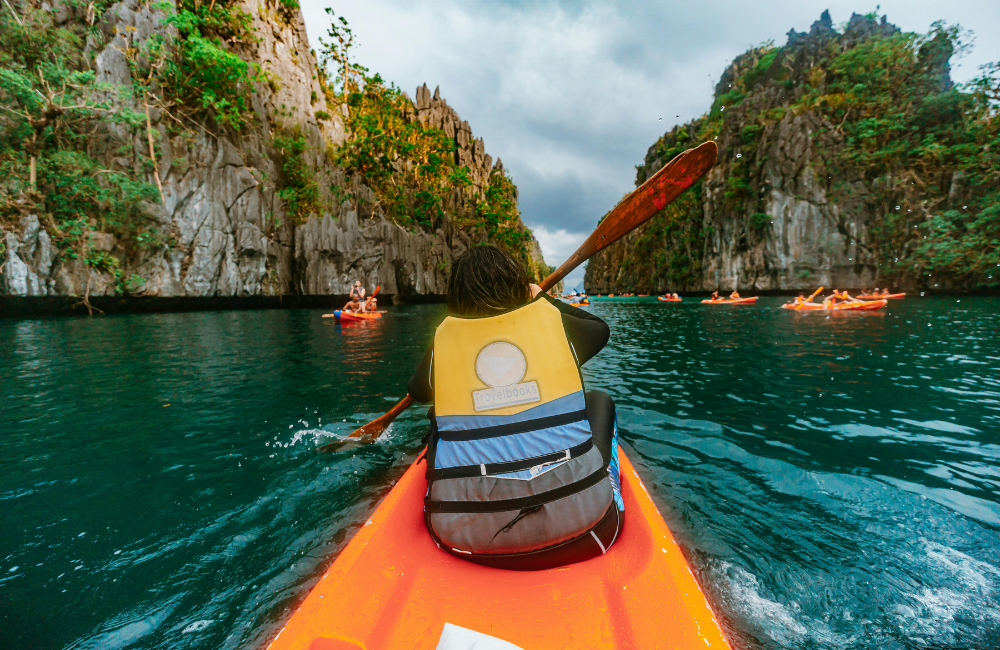
I’ll be honest: most people only think about adventure travel insurance when something goes wrong.
And because I’m Head of Operations at Rise & Shield, I see the same “something went wrong” patterns again and again.
A twisted ankle that turns into a hospital bill. A “harmless” activity that turns out to be excluded. A trek that’s technically “not mountaineering” but still sits above an altitude limit in the fine print.
Adventure is the fun part. Sorting out the boring-but-important stuff is my job.
So in this guide, I’m going to explain adventure travel insurance. What it is. Why it matters. When you need it. The common traps. And how to buy cover that actually matches the trip you’re taking.
Ready? Let’s roll.
My Quick Takeaways
If you only read one section, make it this one.
Adventure travel insurance is travel insurance that specifically includes the activities you’re doing (and the risks that come with them).
“Standard” policies often exclude activities, altitude, off-piste, or anything that looks remotely spicy.
Before you buy, check these three things: Is your exact activity covered (not just something vaguely similar)? Are there limits (altitude, depth, supervision, safety kit)? Does it include strong emergency medical and evacuation support for remote places?
It’s non-negotiable when the trip is built around the activity (trekking, skiing, diving, biking, climbing) or you’ll be in remote areas.
Buy insurance as soon as you book, so you’re covered for cancellations before you even leave home.
What Is Adventure Travel Insurance?
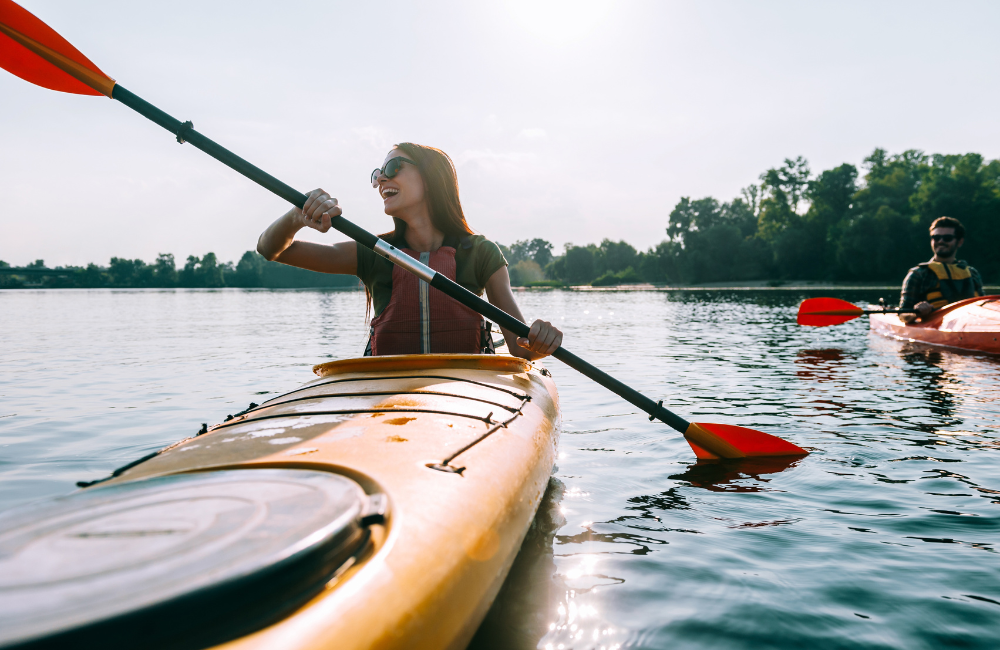
Adventure travel insurance is travel insurance designed to cover trips where you’re doing activities that carry a higher risk than a typical “museum and a nice lunch” holiday.
In practice, that means one thing: it’s insurance that’s set up to cover your medical and travel costs if things go wrong while you’re doing the activities you actually plan to do.
Here’s why this matters.
Many travel insurance policies cover medical emergencies, cancellations, delays, and lost baggage in a general sense.
But they often limit or exclude claims that happen while you’re doing certain sports or adventure activities, or above certain altitude/depth thresholds.
So the job of “adventure sports travel insurance” (and the more intense cousin, “extreme sports travel insurance”) is to remove those gaps by explicitly covering the activities and conditions your trip includes.
And that brings up an interesting point. What’s the difference between adventure travel insurance and extreme sports travel insurance? Let me explain.
Ready for unlimited adventure? Get travel insurance that covers over 150 activities and 190 destinations.
Adventrue Travel Insurance vs. Extreme Sports Insurance
People ask me this a lot: What’s the difference between adventure travel insurance and extreme sports travel insurance?
The frustrating answer is: it depends on how the insurer categorises the activity.
Some insurers use “adventure” to mean things like guided trekking, kayaking, snorkelling, zip-lining, and recreational scuba within certain limits.
“Extreme” often means anything that’s higher risk, more technical, or more remote.
Think: off-piste skiing, mountaineering, high altitude trekking, skydiving, or downhill mountain biking at a bike park where gravity has a personal vendetta.
But here’s the real-world difference that matters more than the label...
Incidental vs Main Purpose
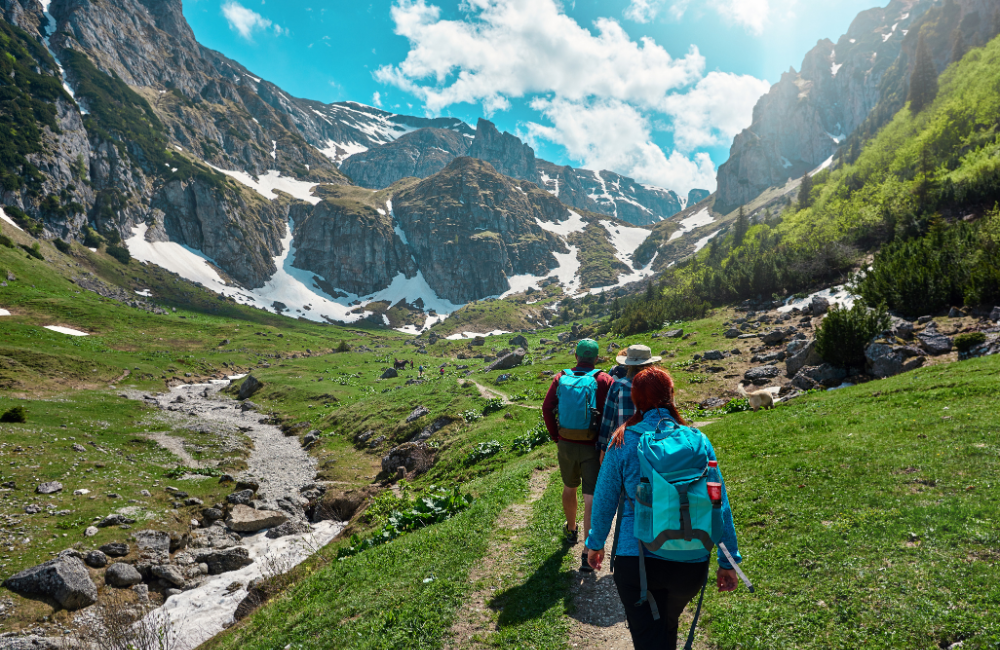
Some policies are happy to cover an activity if it’s incidental (a small part of a broader trip), but not if the whole trip is built around it.
That can catch people out, because your idea of “incidental” and an insurer’s idea of “incidental” are not always the same.
If you’re flying to Nepal to trek, the trek is not incidental.
If you’re doing a city break and decide to take a guided kayak tour, that might be incidental. The point is: be clear about what you’re actually doing.
Cover your trip today
Planning a trip? Get comprehensive travel insurance for medical needs, trip interruptions, and more with Rise & Shield. Quick & easy.
Limits and Conditions
Even when a policy “covers” an activity, it may only cover it under certain conditions:
- altitude limits for trekking
- depth limits for scuba
- on-piste only for skiing
- supervised only (licensed guide/operator required)
- safety kit requirements
You’ll see this kind of detail in activity-specific policy wording. For example, some abseiling cover can require a licensed operator and a certified safety kit.

What Does Adventure Travel Insurance Cover?
Let’s keep this simple. A solid adventure travel insurance policy is still built on the same foundations as normal travel insurance.
The difference is that it’s configured to include your activities and the realistic costs of getting you help in adventurous places.
These are the big cover areas most travellers care about:
Emergency Medical Expenses
If you need medical treatment abroad, this is the part that pays for it (subject to policy terms, limits, and exclusions).
GOV.UK is very clear that medical costs can be extremely expensive if you don’t have appropriate insurance.Ready for unlimited adventure? Get travel insurance that covers over 150 activities and 190 destinations.
Evacuation and Repatriation
If you need to be transported to medical care (or back home), this is where evacuation and repatriation come in. For remote trips, this isn’t a “nice to have”. It’s the whole point.
Trip Cancellation and Curtailment
If you have to cancel before you go, or cut your trip short, this can protect the money you’ve already spent (again, subject to policy terms). That’s why major UK advice bodies recommend buying your insurance as soon as you book.
My Pro Tip: Not familiar with these terms? Check out my guide on trip interruption insurance.
Delays and Missed Connections
Flights get delayed. Connections get missed. Sometimes weather decides your itinerary is merely a suggestion.
Baggage and Equipment
This varies a lot. If you’re travelling with expensive kit, you need to check limits and conditions carefully.
Personal Liability
If you accidentally injure someone or damage property, liability cover can matter.
MoneyHelper notes that many policies include personal liability cover, often with significant limits, but you still need to check what’s included.
And on that note, what can actually go wrong? How can adventure travel insurance help if things go awry? Let’s find out.
Ready for unlimited adventure? Get travel insurance that covers over 150 activities and 190 destinations.
What Can Go Wrong?
Here are some typical scenarios to show how adventure travel insurance can protect you.
Scenario: You roll your ankle on a trail and can’t walk out.
What good cover helps with: medical treatment + transport/evacuation support
Scenario: Altitude illness hits hard at 4,800m.
What good cover helps with: treatment + evacuation support (if needed)
Scenario: Your bag with key kit goes missing in transit.
What good cover helps with: baggage/equipment benefits (subject to limits)
Scenario: A storm cancels your flight and you can’t start your tour.
What good cover helps with: delay/missed departure/cancellation (depending on circumstances)
When Do You Need Adventure Travel Insurance?
Here’s my favourite decision checklist. If you answer “yes” to any of these, you’re firmly in adventure travel insurance territory.
Is your trip built around an activity?
Trekking. Skiing. Diving. A bike tour. Climbing. A multi-activity itinerary. If the activity is the reason you’re going, you want cover built for it.
Will you be remote or far from proper medical facilities?
Remote places are brilliant. They’re also… remote. Getting help can be complex and costly.
Cover your trip today
Planning a trip? Get comprehensive travel insurance for medical needs, trip interruptions, and more with Rise & Shield. Quick & easy.
Are you going to altitude (even if it’s “just hiking”)?
Many popular treks are above 3,000m, and altitude limits are one of the most common “gotcha” points in policies.
Are you doing anything that insurers often exclude by default?
This includes activities people assume are “normal holiday stuff”, but can be excluded depending on the policy.
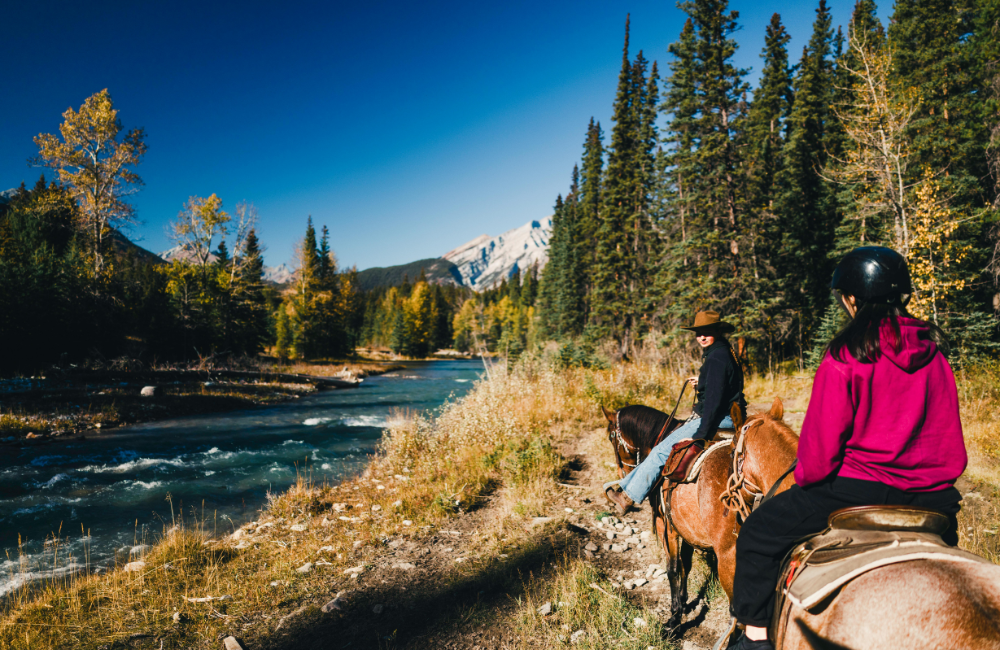
UK commentary has highlighted that even activities like snorkelling, sea kayaking, or horse riding may not be included in some single-trip policies unless you check.
Are you travelling with expensive kit?
If your trip depends on your gear, you need to check how your belongings and specialist equipment are treated.
If you’ve answered “yes” to any of these questions, then you need adventure travel insurance. But how do you get the best adventure travel insurance for your trip? Let me help.

How to Choose the Best Adventure Travel Insurance Policy for Adventure Sports
People love the phrase “best travel insurance for adventure sports”. I get it. You want the one that just works.
But “best” is personal. It depends on your activities, destination(s), trip cost, and what you’d struggle to pay out of pocket.
So here’s the framework I use (and yes, it’s simple on purpose).
Step 1: List Your Activities
This is where most mistakes happen.
“Hiking” isn’t always treated the same as “trekking”.
“Skiing” might mean on-piste only.
“Cycling” might not include mountain biking downhill.
“Diving” might have depth limits.
Also note whether it’s guided, supervised, or done with a licensed operator. Some policies build those requirements into cover.
My Pro Tip: At Rise & Shield, we make checking your activities quick and easy. Just use our online adventure activity checker tool to see what’s covered and what’s not.
Cover your trip today
Planning a trip? Get comprehensive travel insurance for medical needs, trip interruptions, and more with Rise & Shield. Quick & easy.
Step 2: Check the Limits
Altitude is the big one for trekking.
At Rise & Shield, for example, our Adventure Extreme add-on is designed to cover high-altitude trekking up to 6,500m, and we explicitly talk about this on our trekking pages because it’s such a common gap in standard cover.
If you’re heading for treks like Everest Base Camp or Kilimanjaro, that altitude detail matters.
For scuba, depth limits matter.
For skiing, on-piste vs off-piste matters.
For climbing, supervised vs solo matters.
The best adventure travel insurance policy is the one that matches the reality of your trip.
Step 3: Read the Exclusions
There are a few exclusions that pop up across the industry, and you should be aware of them:
- Excessive alcohol or drug use: GOV.UK notes that many travel insurance policies won’t cover events that happen after excessive alcohol or recreational drugs.
- Travel against official advice: travelling against FCDO advice is commonly flagged as a reason cover can be invalidated. ABI’s travel insurance FAQs are very direct about this.
A quick note on that last one: if advice changes after you’re already abroad, the situation can be different, but the key habit is simple. Check the travel advice before you go.
Step 4: Check Who Can Buy
A lot of travel insurers are built for a specific market (like UK residents travelling from the UK).
One of the things we lean into at Rise & Shield is “anywhere-to-anywhere” cover, covering over 190 destinations regardless of nationality.
This matters if you’re an expat, a digital nomad, or you’re already abroad when you realise you need cover.
Ready for unlimited adventure? Get travel insurance that covers over 150 activities and 190 destinations.
Step 5: Check Benefit Limits and Excess
MoneyHelper makes a good point: the cheapest insurance policy isn’t necessarily the best, and you should check excesses and limits carefully.
This is especially relevant for adventure trips because:
- Medical costs can be high,
- Evacuation can be complicated,
- You may need to claim under multiple sections (medical + belongings + delays).
How Rise & Shield Handles Adventure Travel Insurance
I’m obviously biased here. But I’ll keep it practical.
When we built Rise & Shield, the goal was to make travel insurance that actually fits modern travel.
People don’t travel in neat little boxes anymore. They combine destinations. They add activities. They go for two weeks… then extend.
So our approach is...

One Policy, Built for Adventure
We talk a lot about covering hundreds of activities, because the activity list is where travellers get burned the most.
Our activities page spells out that we cover “100s of activities”, including examples like trekking up to 6,500m, scuba diving (to specific limits), and off-piste skiing.
You’ll also see us reference 190+ adventure activities in our broader “why us” messaging, and we publish policy documents so you can check the fine print before you buy.
Base Cover + Add-Ons
One thing we’re transparent about is that some activities are included as standard, and other higher-risk categories require add-ons.
For example, our policy documents reference 99 activities included as standard.
But for more intense trips (high altitude, specific sports categories), we use add-ons like Adventure Plus or Adventure Extreme to match the risk properly.
You’ll see that structure on activity-specific pages like mountain biking, where we point travellers towards the right add-on depending on what kind of riding they’re doing.Cover your trip today
Planning a trip? Get comprehensive travel insurance for medical needs, trip interruptions, and more with Rise & Shield. Quick & easy.
High-Altitude Cover With Clear Limits
High altitude is one of the most common reasons adventure travellers discover their policy isn’t fit for purpose.
So we don’t hide it. We put it right on the page.
Our trekking insurance messaging states that our Extreme Adventure add-on includes high-altitude trekking cover up to 6,500m, and our dedicated “trekking up to 6,500m” page goes into even more detail, including emergency medical cover and helicopter evacuation with pre-approval (subject to terms and conditions).
Anywhere-to-anywhere Destinations
If you’re travelling in a more flexible way (multi-country, one-way tickets, starting outside your “home” country), destinations matter.
Our Destinations page explains that we cover over 190 countries and position ourselves as an anywhere-to-anywhere provider.
Bonus: The Trips We See A Lot
If you want links that are actually useful, these are the ones people tend to click because they match real trips:
- Adventure activities we cover (the best starting point for most travellers)
- Trekking insurance (quick overview)
- Travel insurance for trekking up to 6,500m (deep-dive for high altitude trips)
- Backpacking travel insurance (if you’re doing multi-country, longer trips)
- Safari travel insurance (if your trip includes game drives, bush walks, and similar activities)
- Snowboarding travel insurance (winter sports-specific add-on)
- Abseiling insurance (good example of supervision/kit conditions)
Now that you’ve done your research and realised you need adventure travel insurance, how do you buy it? Here’s my simple guide.
How To Buy Adventure Travel Insurance (My 5 Step Guide)
Let’s make this painfully easy.
Step 1: Lock in your destination(s) and dates
Even if you’re backpacking and your route is loose, get clear on the countries you’re likely to visit. (You can adjust later if your insurer allows changes.)
Step 2: Write down every activity you plan to do
Include the obvious one (the big trek) and the “maybe” ones (rafting day, diving, quad biking, etc.). People underestimate the maybes. Then they get annoyed when it matters.
Step 3: Check the activity list and limits
Don’t just look for the word “covered”. Look for conditions: altitude, depth, off-piste, guided requirements, safety kit.
Step 4: Choose your cover level based on what would hurt financially
- If you’re going remote, prioritise medical and evacuation support.
- If your trip is expensive upfront, prioritise cancellation/curtailment
- If you’ve got expensive kit, check baggage/equipment limits.
Step 5: Buy early
This is one of the few pieces of insurance advice that’s genuinely universal. Buying as soon as you book helps protect you from issues that happen before departure, not just while you’re away.
Fix: If your policy says “licensed guide required”, treat that as a rule, not a suggestion.Ready for unlimited adventure? Get travel insurance that covers over 150 activities and 190 destinations.
Common Adventure Travel Insurance Mistakes I See Often
This section is basically me saving you from the same headaches I watch other travellers go through.
Mistake 1: Assuming “standard cover” includes your activity
It might. It might not. UK commentary and data-based write-ups have repeatedly highlighted that activities people think are “normal” can be excluded in some policies unless you check.
Fix: Check the activity list before you buy. If you can’t find the answer quickly, that’s a red flag.
Mistake 2: Calling it “just hiking” when it’s actually high altitude trekking
Altitude limits are sneaky, and they matter.
Fix: Use the maximum altitude of your route as your reference point, not what you personally consider “hard”.
Mistake 3: Ignoring conditions like supervision or safety kit
Some activities are covered only if you use a licensed operator or specific equipment.
Fix: If your policy says “licensed guide required”, treat that as a rule, not a suggestion.
Mistake 4: Buying too late
If you buy your insurance the day before you fly, you’ve missed the point of cancellation cover.
MoneyHelper and GOV.UK both recommend buying before you go, and ideally as soon as you book.
Fix: Make it part of the booking ritual. Flights, accommodation, insurance. Done.
Mistake 5: Travelling against FCDO advice and expecting cover to work
This is one of those “please don’t shoot the messenger” moments. Travelling against FCDO advice is likely to invalidate travel insurance.
Fix: Check the advice before you go. If the advice changes mid-trip, read your insurer’s position and the guidance carefully.
Mistake 6: Not declaring medical conditions (or assuming it doesn’t matter)
GOV.UK specifically advises getting insurance that covers any existing physical or mental health conditions.
Fix: Declare what needs to be declared. If you’re unsure, ask before you buy.
My Pro Tip: Again, Rise & Shield makes this easy. You can learn about how we deal with pre-existing conditions here.
Cover your trip today
Planning a trip? Get comprehensive travel insurance for medical needs, trip interruptions, and more with Rise & Shield. Quick & easy.
FAQs About Adventure Travel Insurance
Here are my answers to some of the most frequently asked questions about adventure travel insurance.
What is adventure travel insurance?
It’s travel insurance that covers you for the activities you plan to do (like trekking, skiing, diving, and climbing), plus the usual travel insurance basics.
It’s important because many standard policies exclude higher-risk activities unless they’re listed and included.
Does normal travel insurance cover adventure sports?
Sometimes, but often with limits. Some policies include a set of sports as standard, while others exclude certain activities unless you add extra cover.
Always check the activity list and any conditions (like altitude or supervision requirements) before you travel.

What’s the difference between adventure sports and extreme sports travel insurance?
There’s no universal definition. “Extreme” often means higher-risk or more technical activities, or anything that involves higher altitude, off-piste terrain, speed, or remote locations.
The practical difference is whether your exact activity is covered under the insurer’s category and conditions.
Do I need extreme sports travel insurance for trekking?
If it’s high altitude, remote, or technically demanding, you may need a higher level of activity cover than standard travel insurance provides.
The key is to match your route’s maximum altitude and activity type to what the policy actually covers.
Am I covered if I decide to do an activity spontaneously?
It depends. Some insurers require the activity to be included in your plan at purchase or covered under your current policy category.
If you add activities mid-trip, you may need to upgrade. The safest move is to assume “spontaneous” can cause gaps unless you’ve checked.
Does adventure travel insurance cover high-altitude trekking?
Some policies do, many don’t, and many have altitude limits that can catch people out.
If you’re trekking above 3,000m, check the stated altitude limit in your policy. Rise & Shield, for example, states trekking covers up to 6,500m with the Adventure Extreme add-on.
Does it cover helicopter evacuation?
Some policies include it in certain circumstances, but it can come with conditions like medical necessity, approval processes, and location constraints. Always read the wording carefully.
Rise & Shield’s high-altitude trekking page clearly includes helicopter evacuation with pre-approval (subject to terms).
Ready for unlimited adventure? Get travel insurance that covers over 150 activities and 190 destinations.
Can travel insurance be invalidated by alcohol or drugs?
Many policies won’t cover events that happen after excessive alcohol consumption or drug use, and GOV.UK explicitly warns about this. ABI guidance also highlights exclusions around excess alcohol.
Can travel insurance be invalidated if I travel against FCDO advice?
Often, yes. Travelling against FCDO advice is likely to invalidate travel insurance. Check FCDO advice before you go.
My Final Thoughts
And there you have it: Adventure travel insurance doesn’t need to be complicated. It just needs to be accurate.
If you take nothing else away from this post, take this:
Match your policy to your trip. Not your vibe. Not your optimism. Not your mate’s “it’ll be fine”.
Your actual trip:
- where you’re going
- what you’re doing
- how high/deep/remote it gets
- what would cost you a fortune if it went wrong
If you want a quick shortcut, start with our Rise & Shield Activities page and work outward from there. That’s the fastest way to sanity-check whether your trip sits in standard cover or needs an add-on.
And if you’re trekking at altitude, don’t guess. Use the route’s maximum altitude and make sure your cover is built for it.
When you’re ready, you can also browse:
- the destinations we cover (useful if you’re travelling flexibly or starting outside your “home” country)
- our trekking insurance pages (if your trip involves altitude)
- backpacking cover (if you’re doing multi-country, longer trips)
Adventure should feel bold, not reckless. Get the boring admin done properly, then go earn the better story.
Cover your trip today
Planning a trip? Get comprehensive travel insurance for medical needs, trip interruptions, and more with Rise & Shield. Quick & easy.