
Not sure how to purchase travel insurance for a safari vacation? Don’t worry.
I work for a travel insurer, so I spend a lot of time looking at what actually happens when trips go wrong and how to prepare for it.
Safaris are some of the most magical trips people take. And also some of the most expensive and remote!
That’s exactly why purchasing travel insurance for a safari vacation deserves more than a rushed click on the cheapest policy.
In this guide, I’ll walk you through what safari travel insurance is, why it matters, what to look for, and how to avoid the common mistakes I see all the time.
Ready? Let’s roll.
Ready for unlimited adventure? Get travel insurance that covers over 150 activities and 190 destinations.
What is Safari Travel Insurance?
When people say “safari insurance”, they’re usually talking about standard travel insurance that explicitly covers safari activities and destinations.
You’re not buying a completely different product. You’re buying a good travel policy that:
- Includes your typical safari countries (like Tanzania, Kenya, South Africa).
- Covers safari-related activities (game drives, bush walks, light aircraft flights).
- Has strong medical, evacuation and cancellation limits that match the cost and remoteness of your trip.
The label isn’t important. The details are.
How is Safari Cover Different from Basic Travel Insurance?
Safari cover and basic travel insurance aren’t the same. Basic policies can fall short because safaris involve:
- Remote lodges, camps and airstrips.
- Limited access to hospitals and clinics.
- Expensive, non-refundable packages.
- Activities some insurers class as “higher risk”.
Safari-friendly cover usually gives you:
- Higher medical and evacuation limits.
- Clear wording for game drives and bush walks.
- Strong cancellation cover for pre-paid safari packages.
Always check whether safaris and game drives are mentioned as included activities.
Ready for unlimited adventure? Get travel insurance that covers over 150 activities and 190 destinations.
Do I Really Need Special Travel Insurance for a Safari?
Yes! You need travel insurance that specifically includes safari cover.
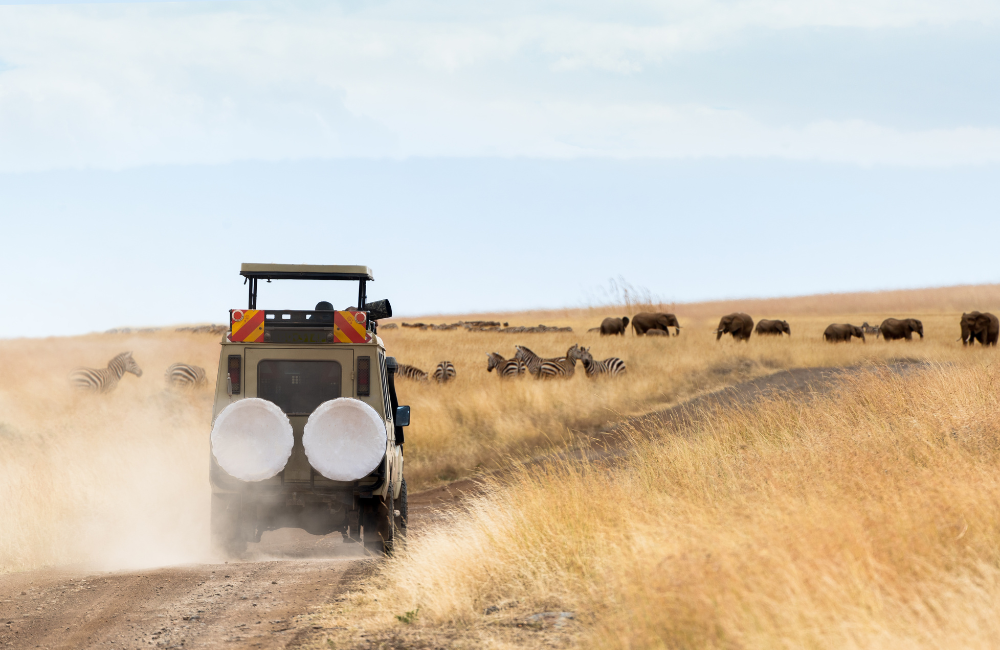
Remember, you’re often hours from a major hospital, riding in open vehicles, sometimes walking in big-animal territory, and flying on small bush planes.
If something goes wrong, medical evacuations and last-minute changes can be eye-wateringly expensive.
You don’t necessarily need a policy called “Safari Plan”, but you do need:
- Activities like game drives and bush walks to be covered.
- Medical and evacuation limits that make sense for remote travel.
- Cancellation cover that actually matches your safari cost.
What Can Go Wrong on Safari (and How Insurance Helps)?
From what I see, it’s usually not “lion attack” drama. It’s more everyday issues in far-from-everyday places. Some typical issues include:
- Stomach bugs or infections needing treatment.
- Sprains, slips or minor injuries on walks or around camp.
- Missed connections due to delayed flights into safari hubs.
- Lost or delayed bags with all your safari clothing and camera gear.
- Last-minute cancellations due to illness or family emergencies.
Travel insurance, including safari cover, helps turn a crisis into an inconvenience instead of a financial disaster.
Ready for unlimited adventure? Get travel insurance that covers over 150 activities and 190 destinations.
What Should Safari Travel Insurance Include?
There are several important things that every safari policy must include. Let’s look at each in turn, starting with medical expenses and emergency evacs.
Medical Expenses and Emergency Evacuation on Safari
Medical cover is the part I’d never skimp on.
For safari trips, I look for:
- High medical expense limits (not just a token amount).
- Emergency medical evacuation from lodges and parks.
- Cover for transport to the nearest appropriate medical facility, not just “any hospital”.
Remember, the nearest clinic might be hours away by 4x4 or small aircraft. That kind of logistics does not come cheap.
Repatriation Back Home
Repatriation is the cost of getting you safely back to your home country after a serious illness or injury.
On safari, if something major happens, it’s not just one, quick ambulance ride. It can involve:
- Evacuation off the reserve.
- Treatment in a regional hospital.
- A medically supervised flight home once you’re stable.
You want clear, robust cover limits here so money isn’t a barrier to getting home.
Trip Cancellation and Interruption for Expensive Safaris
The costs for safaris add up quickly: internal flights, park fees, lodge nights, and transfers.
When purchasing travel insurance for a safari vacation, your cancellation limit should roughly match the non-refundable cost of your trip, including:
- Deposits on lodges and camps.
- Pre-paid safari packages.
- Internal flights linked to your itinerary.
If you need to cancel before you go, or cut your trip short due to a covered reason, this is the section that helps you recoup those costs.
Ready for unlimited adventure? Get travel insurance that covers over 150 activities and 190 destinations.
Baggage, Camera Gear and Gadgets
You need safari insurance that can also cover the cost of your baggage, cameras and gear.
Most policies cover baggage and personal effects up to a certain limit per item and in total. If you’re travelling with expensive camera gear, check:
- Single-item limits for electronics and lenses.
- Overall baggage limit.
- Whether you can add extra cover or list high-value items.
If your policy’s per-item limit is much lower than the value of your camera body, you may want to insure it separately or upgrade your cover.
Adventure Activities and Exclusions
Remember, not all safari activities are automatically covered. And this is where many people get caught out.
You should always check the policy’s list of covered and excluded activities, especially if you’re planning:
- Walking safaris or bush walks.
- Night drives.
- Hot air balloon rides.
- Boat safaris.
If in doubt, ask the insurer to confirm in writing that your planned activities are covered.
My Pro Tip: Rise & Shield makes it easy to see what activities are covered. Just use this handy, interactive activity checker.
Ready for unlimited adventure? Get travel insurance that covers over 150 activities and 190 destinations.
Does Safari Insurance Cover Different Countries?
Yes, it does. The good news is that it’s easy to purchase travel insurance for a safari vacation, no matter where you’re going.
Buying Travel Insurance for a Safari in Tanzania
The core principles are the same, but Tanzania has some unique safari hotspots like Serengeti and Ngorongoro Crater.
When buying travel insurance for safari in Tanzania, make sure:
- Tanzania is listed as a covered destination.
- Activities like guided game drives are covered.
- Internal light aircraft flights, if used, don’t fall into an exclusion.
My Pro Tip: Again, Rise & Shield makes checking your covered destinations quick and easy. They've got this handy destination tool.
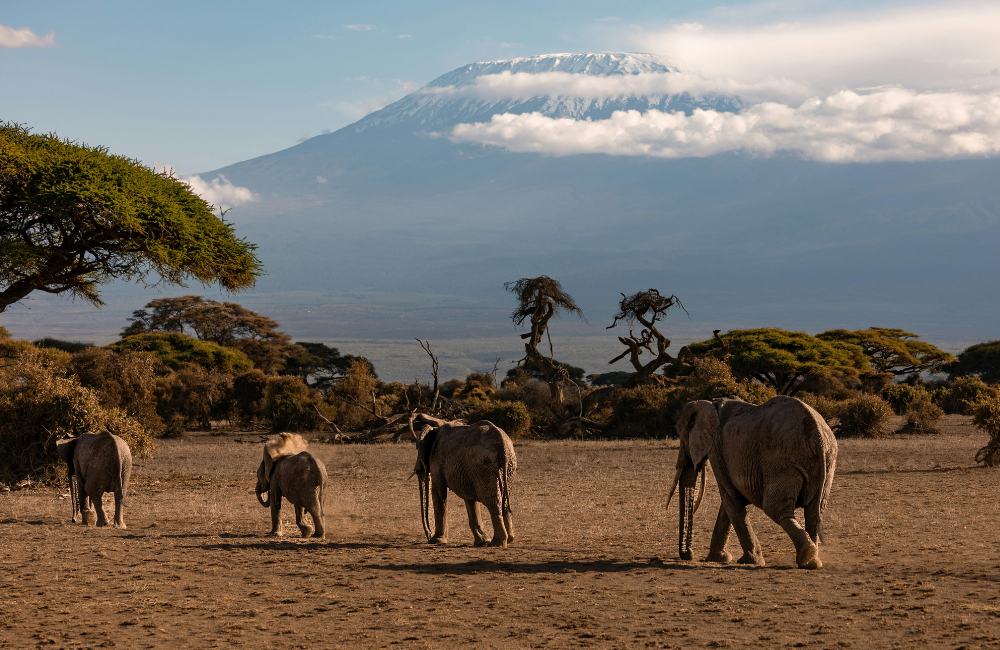
The same goes if you’re combining Kilimanjaro with a safari. Your policy should cover both high-altitude trekking and wildlife viewing.
What About Kenya, South Africa or Multi-Country Safaris?
Plenty of itineraries hop between countries: Kenya and Tanzania, or South Africa and Botswana, for example. Your policy should:
- Cover all the countries you’re visiting.
- Cover safari activities in each of them.
- Treat internal flights and border crossings as part of your trip, not as out-of-scope extras.
It’s usually easier to buy one policy that covers the entire journey, rather than juggling multiple separate ones.
Ready for unlimited adventure? Get travel insurance that covers over 150 activities and 190 destinations.
When Should I Buy Travel Insurance for My Safari?
Ideally, as soon as you start paying deposits.
Buying early means your cancellation cover is in place from the time the policy starts. If something serious happens between paying your safari deposit and departure, you’re protected (subject to the policy terms).
Leave it to the last minute, and you might find a known medical issue or a new situation isn’t covered.
Can I Buy Cover After Booking My Safari?
You can usually still buy travel insurance right up until you depart, but:
- You may lose out on some cancellation benefits if you wait.
- Anything that has already happened (illness, injury, new diagnosis) will normally be treated as a pre-existing situation.
So yes, you can still get cover, but earlier is almost always better.
How Do I Compare Safari Insurance Policies?
I like to line policies up against a short checklist:
- Medical cover: Is the limit high enough for a remote trip?
- Evacuation: Does it include evacuation from safari areas?
- Repatriation: Is there a clear, strong limit?
- Cancellation: Does it match what you’ve actually paid?
- Activities: Are game drives, bush walks and any extras clearly included?
- Baggage: Are your valuables reasonably covered?
- Excesses: How much will you pay towards each claim?
If a policy fails on more than one of these, I keep looking.
Ready for unlimited adventure? Get travel insurance that covers over 150 activities and 190 destinations.
How Does Rise & Shield Handle Safari Cover?
Because I work with Rise & Shield, I obviously know our product best, but the principles above apply no matter who you choose.
With our safari travel insurance, the goal is simple: make it easy for travellers (and their families) to get cover that actually fits their trip, rather than a generic “maybe it works” policy.
You can:
- Get travel insurance including safari cover for trips to popular safari regions.
- Add other adventure elements to the same policy, where eligible.
- See key limits and benefits clearly before you buy.
Still, I’ll always say this: don’t just take the marketing page’s word for it. Read the policy wording and ask questions if anything’s unclear.
Next, let’s look at some frequently asked questions about safari insurance.
Frequently Asked Questions About Safari Travel Insurance
Here are some of the most frequently asked questions about safari travel insurance, how to purchase it, and what it does.
Do you need special travel insurance for safari?
Strictly speaking, you need travel insurance that explicitly covers safaris and related activities, not just any basic policy.
Look for:
- Safari activities listed as included (game drives, bush walks).
- Remote-area evacuation.
- Strong medical and cancellation limits.
If a policy is vague or silent about safaris, I’d be cautious.
Ready for unlimited adventure? Get travel insurance that covers over 150 activities and 190 destinations.
Does travel insurance including safari cover walking safaris and night drives?
Not always. Some insurers treat walking safaris and night drives as higher-risk activities.
When in doubt:
- Check the activities section of the policy wording.
- Look for “walking safaris” or similar wording.
- Ask the insurer to confirm in writing if it’s not crystal clear.
Assume nothing, especially with anything involving being on foot around wildlife.
Will safari insurance cover me for other adventures, like Kilimanjaro or gorilla trekking?
Sometimes a single policy can cover multiple adventures in one trip, but only if:
- All activities are listed as covered.
- The altitude limits (for trekking Kilimanjaro) match your plans.
- The destinations are all included.
If you’re combining Kilimanjaro, gorilla trekking, and safari, you definitely want to double-check your activity list and limits.
Ready for unlimited adventure? Get travel insurance that covers over 150 activities and 190 destinations.
Are self-drive safaris covered?
Self-drive safaris are a grey area in many policies.
In general:
- Travel insurance may cover your medical costs if you’re injured.
- The hire car itself is usually covered by separate rental insurance, not your travel policy.
- Off-road driving or driving in restricted areas can cause issues.
If self-drive is a key part of your trip, ask your insurer specifically how claims would work.
Is safari travel insurance more expensive than regular cover?
It can be slightly more expensive, but usually for good reasons:
- Higher risk environment than a city break.
- More expensive evacuation and logistics.
- Higher overall trip cost to insure.
What you’re really paying for is the ability to access good care quickly, rather than the cheapest possible premium.
Ready for unlimited adventure? Get travel insurance that covers over 150 activities and 190 destinations.
What documents should I carry with me on safari?
I’d always keep:
- A copy (digital and/or printed) of your policy certificate.
- The emergency assistance phone number and email.
- Your policy number.
- Any relevant medical info if you have pre-existing conditions.
Save the emergency details on your phone and share them with your safari guide or tour leader as well.
My Final Thoughts
And there you have it: Purchasing travel insurance for a safari vacation isn’t about being paranoid. It’s about being realistic: you’re spending serious money to visit wild, remote places.
The right cover:
- Protects you if something goes wrong medically.
- Helps you recover the cost of a trip you can’t take.
- Gives you backup when you’re far from home and normal systems.
Whether you choose Rise & Shield’s safari travel insurance or another provider, the key is the same: read the details, ask questions, and make sure your policy matches the trip you’re actually taking, not the one an algorithm guessed you might be on.
If future you is watching the sun set over the savannah instead of arguing with a call centre, you’ll know you made a good call.