
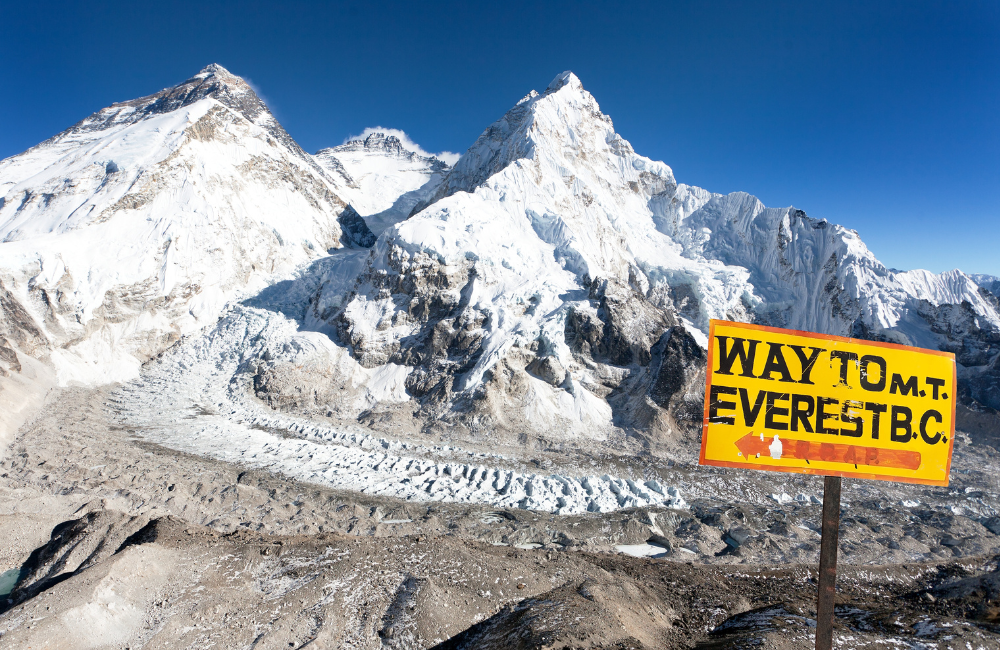
Ever found yourself daydreaming about trekking Kilimanjaro via the Machame Route, or hiking to Everest Base Camp?
I know I have. Obviously, with a cup of coffee in hand. Of course.
But the big question that hits once the caffeine wears off is: “Do I really need high-altitude trekking insurance, or is it just another expense?”
As someone who’s both an adventure junkie and admittedly budget-conscious, I’ve wrestled with this question myself.
After all, I live in Scotland where our highest mountain (Ben Nevis at 1,345m) is peanuts compared to the Himalayas.
So, is it worth getting special insurance just to trek where the air gets thin? Let’s dive in and see.
Spoiler alert: If you plan to trek anywhere above the clouds, the answer is a resounding yes. Get high-altitude trekking insurance here.
Ready? Let’s roll.
What Exactly Is High-Altitude Trekking Insurance?
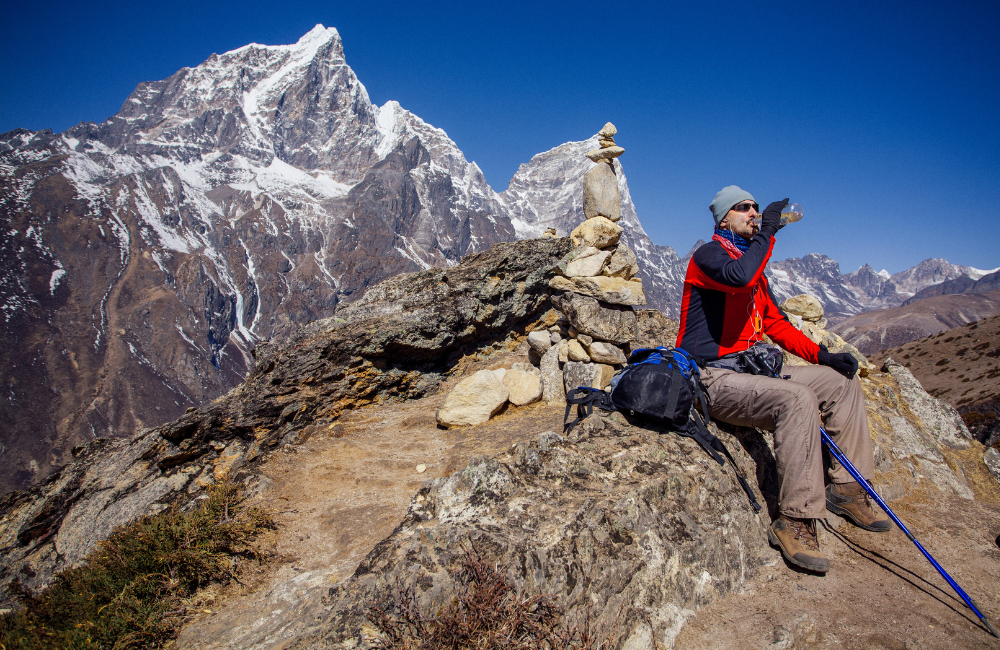
High-altitude trekking insurance is a specialised travel insurance designed for mountain adventures that go way beyond your average hill walk.
It typically covers trekking and hiking at elevations that standard travel insurance won’t touch.
Many regular travel policies quietly exclude coverage for trekking above certain altitudes (often around 3,000–4,000 meters.
That means if you’re halfway up a 5,364m trail to Everest Base Camp, your normal insurance might shrug and say, “You’re on your own.” Not good.
High-altitude insurance fills that gap.
It explicitly covers you for trekking at high elevations – whether that’s 4,000m passes in the Andes or 6,000m peaks in the Himalayas.
For example, our own Rise & Shield high-altitude policy covers treks up to 6,500m (because why stop at 6,000m like the other guys?).
In plain English, this kind of insurance is your financial safety net when you’re climbing where even trees don’t dare grow.
Ready for unlimited adventure? Get travel insurance that covers over 150 activities and 190 destinations.
So what does it actually include?
In general, a good high-altitude trekking insurance will protect you against the unique risks of extreme treks.
We’re talking things like emergency medical treatment for altitude sickness or injuries, helicopter evacuation from remote mountain locations, trip delays due to weather, and even coverage for that expensive trekking gear if it gets lost or damaged.
It’s all the stuff a normal travel policy might cover in a city, but tuned for the mountains.
Essentially, it’s designed so that if something goes wrong on a high-altitude adventure, you’re not left with a crisis and a colossal bill.
Why Standard Travel Insurance Isn’t Enough up There
You might be thinking, “I already have travel insurance. Won’t that cover me?”
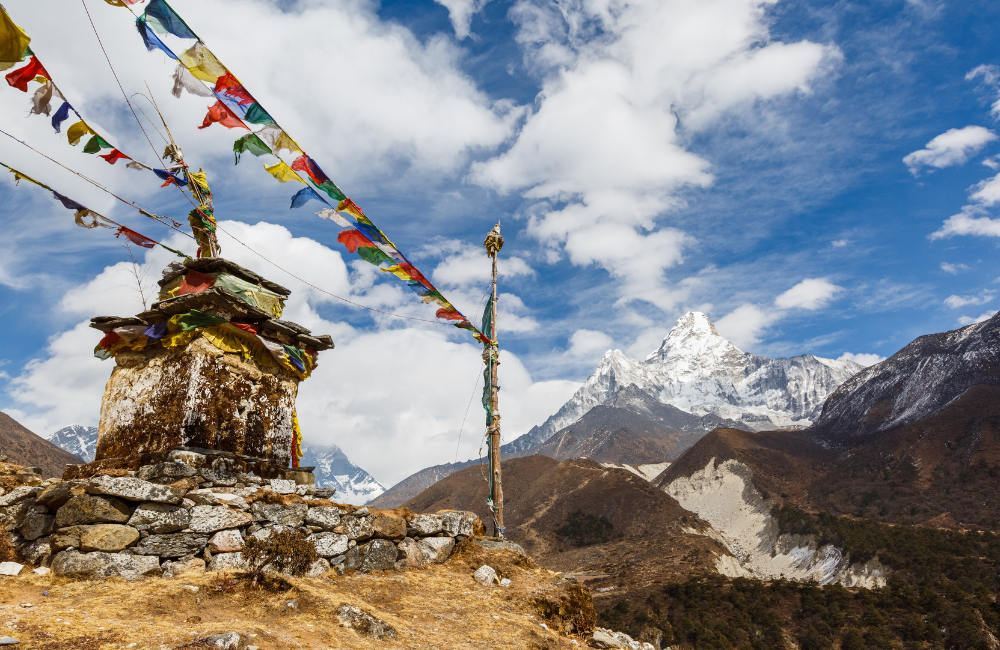
The hard truth is most standard travel insurance plans simply aren’t built for mountaineers or high-alt trekkers. They often have altitude caps buried in the fine print.
For instance, it’s common to see policies that cut off coverage at around 3,000m because anything above that is considered “mountaineering” territory.
And guess what? 3,000m is lower than a lot of popular trek destinations.
Even Mount Toubkal in Morocco is over 4,000m, and Everest Base Camp is about 5,364m.
If your insurance excludes high-altitude trekking, you’d basically be uninsured on those bucket-list hikes without even realising it.
It’s not just altitude limits. Yep. There’s more. Hold on to your hats (or trekking poles).
Ready for unlimited adventure? Get travel insurance that covers over 150 activities and 190 destinations.
Standard policies also might exclude specific high-altitude hazards.
For example, a regular travel policy might cover a broken leg from a slip in Paris, but not necessarily acute mountain sickness in the Himalayas.
Altitude sickness can hit even the fittest trekkers when you least expect it – headache, nausea, dizziness, the works. In severe cases, it’s life-threatening and requires immediate descent or evacuation.
A normal policy could say “Nope, altitude illness isn’t covered” because it’s tied to those excluded adventure activities. That’s a nasty surprise to discover at 5,000m when you’re feeling ill.
Then there’s the evacuation issue.
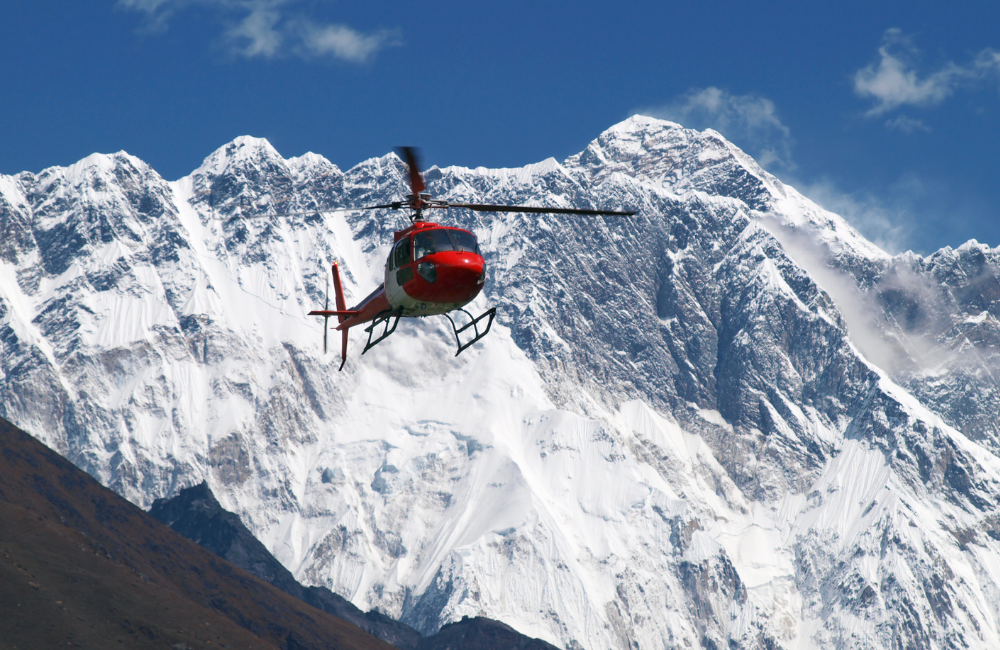
In cities or beaches, an ambulance can rush you to a hospital. On a high-altitude trek, the “ambulance” might be a helicopter.
Helicopter rescues are incredibly effective – and eye-wateringly expensive.
Without the right insurance, a single heli evac in the Everest region can cost anywhere from $5,000 to $20,000 USD out of pocket.
I don’t know about you, but I’d rather not have a surprise $10k charge on my credit card because I needed an airlift. (That’s like my coffee budget for life – I’m not giving that up!)
In short, regular insurance leaves critical gaps for high-altitude trekkers. And those gaps coincide with the most serious risks – altitude sickness, injuries far from roads, and emergency evacuations.
This is exactly why specialised high-altitude cover exists and why savvy adventurers (like me, after wising up) never hit the trail above the clouds without it.
The Real Risks When Trekking High Altitudes
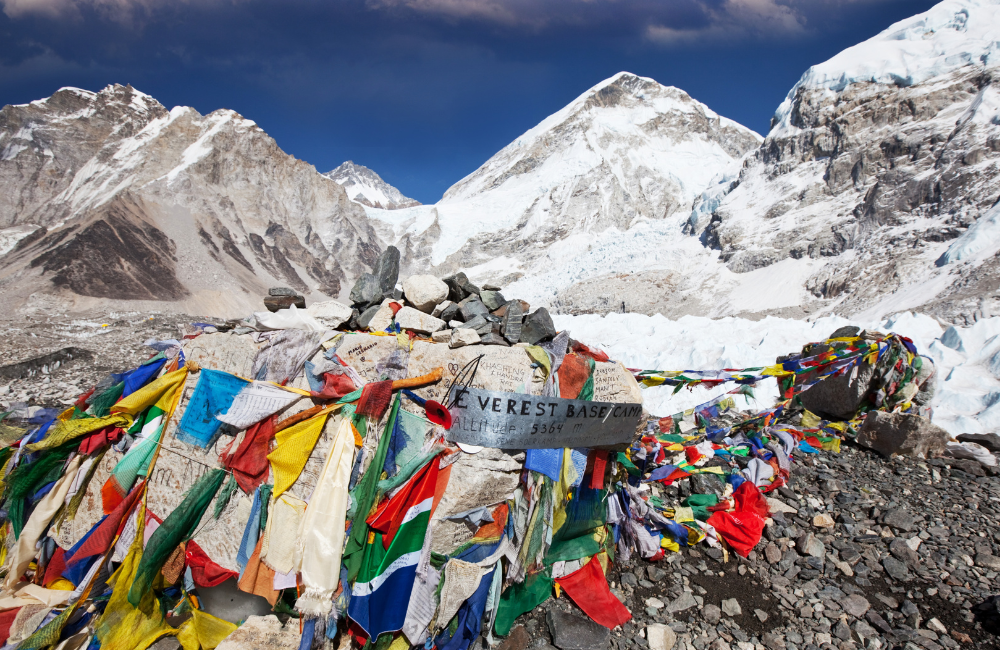
Let’s get real about what can go wrong up there.
I’m not trying to scare you – high-altitude treks are absolutely magical – but a bit of healthy respect for the environment goes a long way. When you’re trekking at 4,000m, 5,000m, or higher, the stakes are just different.
Ready for unlimited adventure? Get travel insurance that covers over 150 activities and 190 destinations.
Altitude Sickness is Real
Altitude sickness is the big one everyone talks about, and for good reason.
You can be a marathon runner or a gym buff, and still get hit with Acute Mountain Sickness (AMS) if your body doesn’t acclimate well.
In mild cases, it’s a headache and fatigue; in severe cases, it can escalate to HAPE or HACE (dangerous fluid buildup in lungs or brain).
The tricky part? You often can’t predict who it will affect.
I’ve seen super-fit hikers feel rotten while an older trekker cruises up with no issues. It’s unpredictable – one of those wildcards of high altitude.
If things take a serious turn, the only cure is getting to lower altitude fast, which is where that costly helicopter rescue might come in.
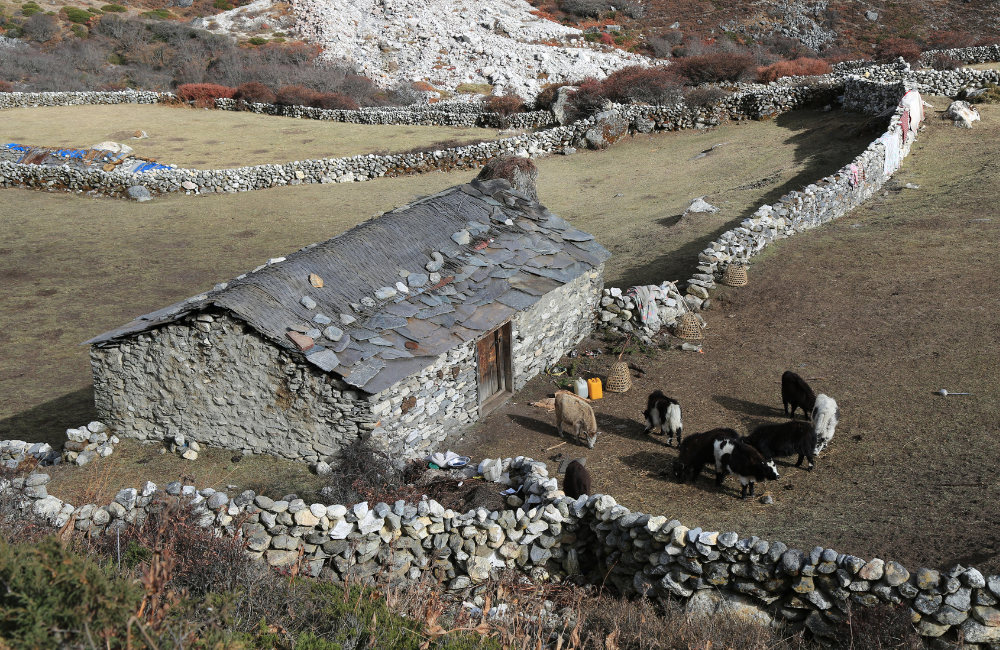
Speaking of rescues, remember that you’re often days away from the nearest road on these treks.
Help Is Far Away
If you twist an ankle badly on a remote trail or come down with something serious, you can’t just call a local taxi.
I always carry a satellite communicator for emergencies, but contacting help is only half the battle – extracting you is the other half.
High-altitude insurance shines here by covering specialised heli evacuation operations. It’s the kind of thing you hope you never need, but when you do, you really do.
Spolier alert: At Rise and Shield our high-altitude trekking insurance comes with 24/7 international emergency assistance.
And Even More Risks Like Mountain Weather
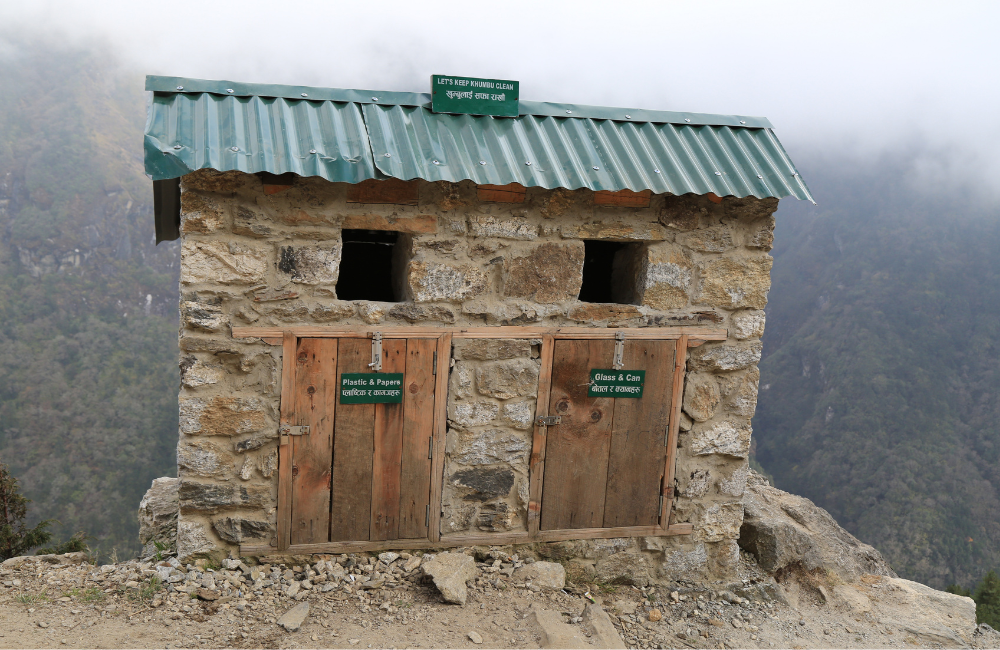
There are also more mundane but equally trip-ruining risks: bad weather is a prime example.
Mountain weather can go from sunny to a snowstorm in a blink. If a freak blizzard or heavy fog rolls in, you might get stranded, or your itinerary could go off schedule.
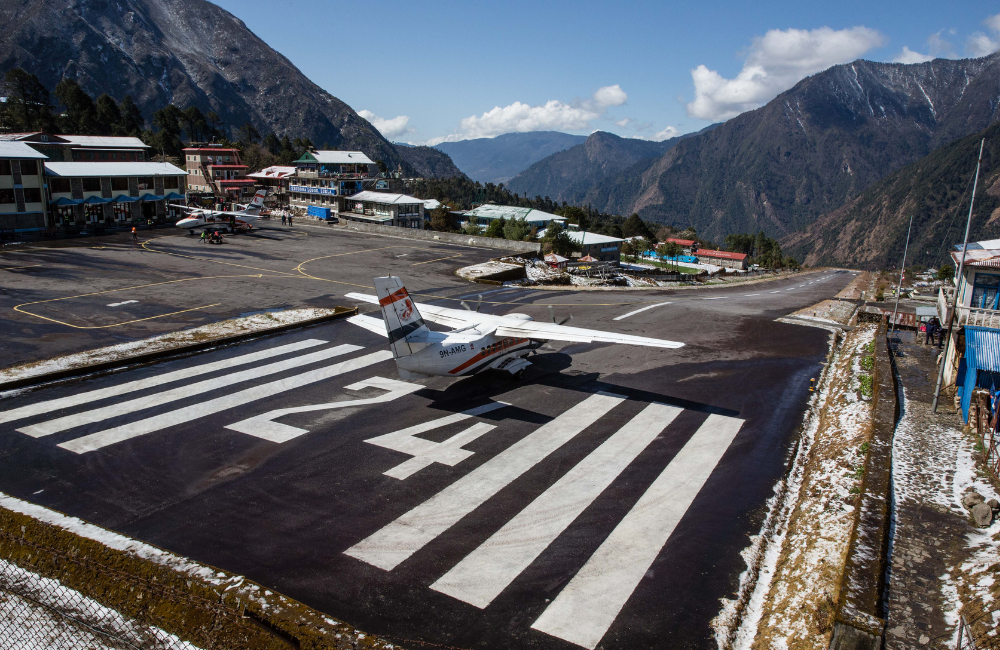
This happens a lot with flights in places like Lukla (the tiny airport to access Everest region) – days of flight delays due to weather are common.
Good high-altitude trekking insurance usually covers trip delays or interruptions caused by these kinds of scenarios, helping pay for extra lodging or rearranged travel plans so you’re not burning money every extra day stuck in a mountain town.
What About Your Costly Gear?
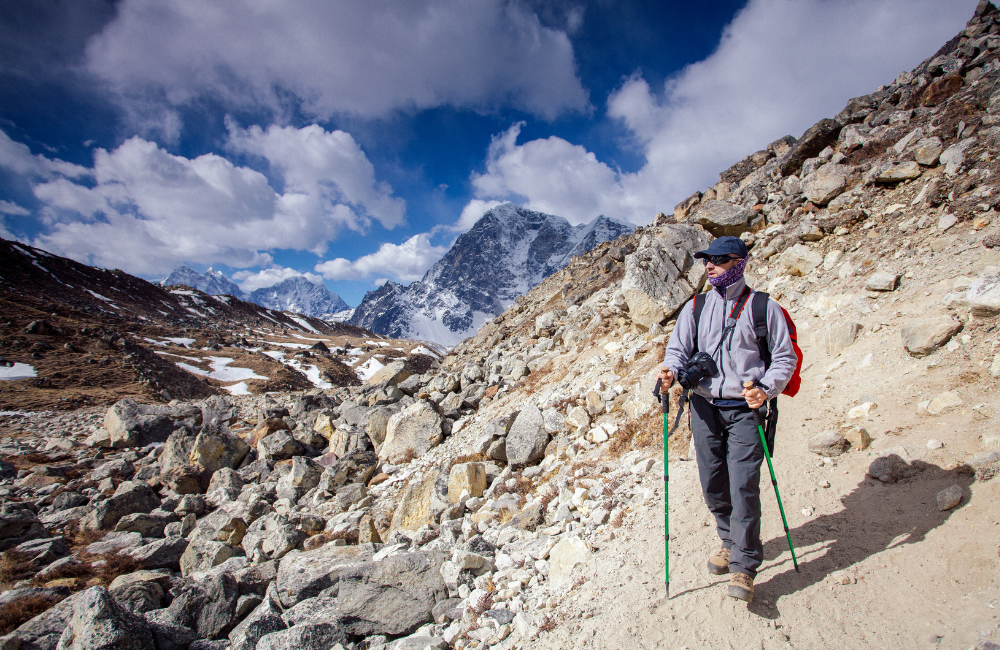
And let’s not forget the gear factor.
When I did my first high trek, I invested in some fancy equipment – down jacket, sleeping bag, good boots, even a continuous glucose monitor to manage my diabetes on the trail.
That gear is expensive.
If it gets lost in transit or a curious yak stomps on your backpack (hey, it happens), specialised policies often cover high-value adventure equipment.
It’s a nice perk that standard insurance might not fully provide for, or will cap at low limits.
Ready for unlimited adventure? Get travel insurance that covers over 150 activities and 190 destinations.
The Bottom Line
Okay, enough scaring you. Here’s the bottom line:
High-altitude trekking comes with unique risks that can lead to huge expenses or ruined plans if you’re not prepared.
The right insurance turns those nightmare scenarios into mere inconveniences.
When you’re acclimatising at base camp with a mug of tea (or instant coffee, if you’re like me), knowing you have a financial safety net lets you enjoy the experience without that gnawing “what if something goes wrong?” anxiety.
So, let’s answer the main question…
Is High-Altitude Trekking Insurance Really Worth It?
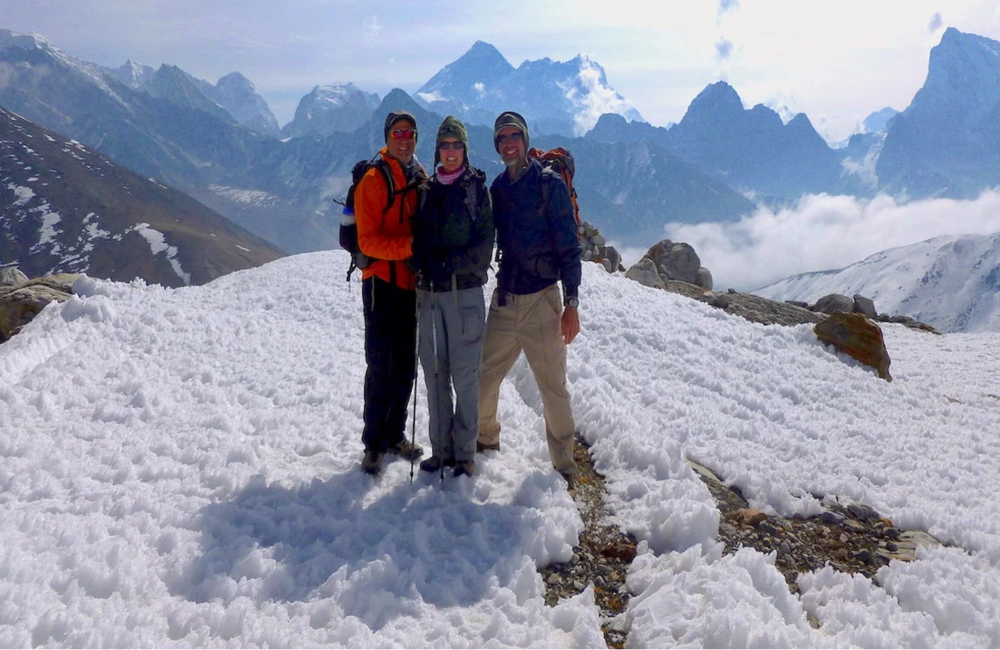
Okay, so we’ve identified that bad stuff can happen. But let’s tackle the actual question: Is the insurance worth it?
In my experience, absolutely yes. And here’s why it’s a no-brainer when you do the math and consider the alternatives.
Cost of Insurance vs Cost of Emergency
First, consider the cost of the insurance vs. the cost of an emergency.
High-altitude travel insurance isn’t free, but in the grand scheme, it’s usually a fraction of your trip cost.
A policy might be on the order of a few dozen dollars per week of trekking, depending on your coverage and age.
Meanwhile, a single high-altitude evacuation or hospital bill could wreck you financially.
As mentioned, a helicopter off the mountain could run $5k-$10k easily. A week in a Nepal hospital ICU for severe altitude sickness – also not cheap.
Compared to these, the insurance cost is tiny. It’s like an inverse lottery ticket: a small upfront fee to avoid “winning” a very expensive prize.
Peace of Mind is Priceless
Secondly, peace of mind has real value.
I say this as someone who used to skimp on insurance in my early travel days. (Young, invincible me thought a first-aid kit and optimism were all I needed. Ha!)
Now, having had a few mishaps and also being a type-1 diabetic traveller, I’ve learned to appreciate the peace of mind.
When I trekked in the Alps and later in the Himalayas, knowing I had proper coverage meant I could focus on the trail, the scenery, and not on “what if I get sick or fall off this ridge?”
Trust me, your mental bandwidth at 5,000m is better spent enjoying the view than worrying about how you’d pay for an emergency.
It’s Just Plain Responsible
There’s also an argument to be made about responsibility.
High mountains often have limited local medical infrastructure. If something happens to you, a lot of effort (and money) will go into saving your butt – from sherpa guides to pilots to doctors.
Having insurance isn’t just about you; it ensures those services get paid for without bankrupting you or relying on, say, a GoFundMe rescue (which, yes, has happened for uninsured trekkers).
In a way, it’s a responsible thing to do as an adventure traveller.
So yes, high-altitude trekking insurance is worth it in my book. It’s the kind of thing you pray is a waste of money because it means nothing went wrong – but if something does go wrong, it pays for itself many times over.
Think of it like your trusty climbing rope. Most of the time, you don’t really need the rope – until the moment you desperately do.
Ready for unlimited adventure? Get travel insurance that covers over 150 activities and 190 destinations.
Comparing Popular Options: World Nomads, SafetyWing, and Others
Perhaps you’ve heard of popular travel insurers like World Nomads or SafetyWing.
They’re common go-tos for backpackers and digital nomads. So how do they stack up for high-altitude trekking, and how does a specialist provider like us (Rise & Shield) compare?
Let’s dish some details.
World Nomads and High-Altitude Trekking Insurance
This company is a darling among many travellers for its flexibility and adventure sports coverage.
They do cover trekking, but pay attention to the altitude limits on their plans.
On World Nomads’ Standard Plan, coverage tops out at 6,000m elevation. If you plan to go higher (say, climbing Island Peak at 6,189m or even just to have a buffer), you’d need their Explorer Plan, which extends coverage up to about 6,500m.
It’s good that they offer that higher option, but it often comes at a higher premium.
Also, you must actively select the right plan/add-on for trekking; if you forget and assume standard coverage is enough, you could be out of luck above 6,000m.
My takeaway: World Nomads can work, but you have to buy the more expensive plan for serious altitude, and always double-check those terms. You can read more in my World Nomads review.
SafetyWing and High-Altitude Trekking Insurance
This one is known for super affordable “Nomad Insurance” aimed at long-term travellers.
Hell, I’ve used SafetyWing myself in the past for general travel, and it’s great for remote workers bouncing around countries.
My pro tip: Check out my SafetyWing review here for a detailed breakdown of what you can expect.
However, when it comes to high-altitude adventures, SafetyWing is not the strongest choice.
Their coverage for trekking tops out at 4,500m. That’s fine for something like the Inca Trail (~4,200m) but insufficient for Everest Base Camp, Kilimanjaro, or any trek above 4,500m.
In fact, Mount Kilimanjaro (5,895m) would be way above their limit – so a SafetyWing policy would leave you completely uninsured for a big chunk of that climb.
Moreover, SafetyWing does not cover helicopter evacuation in its standard travel policy. This is a critical point.
If you got into trouble on a high-alt trek with SafetyWing, you might have medical coverage to a point, but no paid rescue to get you off the mountain.
You’d have to foot the helicopter bill or find another way, which really defeats the purpose of having insurance for trekking mishaps.
Other Insurance Providers with High-Altitude Cover
There are other niche providers and country-specific options (some UK trekkers use True Traveller or the British Mountaineering Council insurance, for example).
My pro tip: I wrote a full True Traveller review if you want to learn more about them.
Many have similar altitude tiers or require special add-ons for trekking.
Some expedition companies recommend Global Rescue, which isn’t cheap but has no altitude limit and focuses heavily on evacuation services.
The downside is you pay a premium for that level of cover. The landscape can be a bit of a minefield – each insurer has its own list of what altitude or activities they cover by default.
This is exactly why I’m a fan of how we do things at Rise & Shield.
Ready for unlimited adventure? Get travel insurance that covers over 150 activities and 190 destinations.
We wanted to keep it simple: our Adventure Extreme add-on covers treks up to 6,500m – higher than the typical 6,000m cutoff many have.
No need to second-guess if your summit is covered. We also include emergency medical and evacuation (yes, that means helicopter rescue) as standard parts of the package.
It’s designed for high-altitude adventurers, so you’re not trying to force-fit a generic policy to an extreme scenario.
The best part is, we offer this globally – whether you’re a Brit or from elsewhere, and no matter where you’re trekking.
I might be biased, but we built this cover because I personally was frustrated by how patchy other options were for serious treks.
To be clear, whatever provider you choose, make sure you scrutinise their terms if you’re heading to high elevations.
Even World Nomads, with its generally good reputation, has those altitude caveats and possibly other conditions (e.g. using a licensed guide on certain routes).
The last thing you want is to assume you’re covered, only to have a claim denied on a technicality. When in doubt, ask the insurer specifically, “Do you cover trekking to X meters? Do you cover helicopter rescue from that area?”
If the answer is hesitant or jargon-filled, you might want to look elsewhere.
My pro tip: At Rise and Shield, we make understanding your policy easy. You don't even need to buy a policy to download and read our policy wording.
What to Look For in a High-Altitude Insurance Policy
By now you’re probably convinced you need the coverage (I hope!), but how do you pick the right policy?
Here’s my quick personal checklist. It’s the same whether I’m evaluating our own policy features or shopping around:
Altitude Limit
This is non-negotiable. Make sure the policy covers the maximum altitude you plan to reach (and then some).
If you’re doing Everest Base Camp at 5,364m, a policy covering only up to 5,000m won’t cut it. I always err on the side of a higher cap than I need, just in case.
As noted, many basic policies start diverging around the 4,000–5,000m mark, so know your numbers.
My pro tip: Check out our trekking insurance up to 6,500m for more info on high-altitude trekking cover.
Emergency Evacuation (Helicopter Rescue)
Verify that helicopter evacuations from remote areas are covered, and fully covered if possible. This is a big one – it can be a literal lifesaver.
If a policy is cheap but explicitly “does not cover helicopter rescue,” it’s a hard pass for high-alt treks. You want coverage that will get you off the mountain fast without a five-figure bill.
Medical Coverage for Injuries/Illness
Check the medical expense limit and ensure it’s high (some policies offer millions in coverage, which is great).
Importantly, it should include treatment for altitude-related issues (AMS, HAPE, HACE) and cover hospital stays or evacuations to a proper hospital.
Regular health insurance often won’t cover these specialised scenarios abroad, so your travel policy needs to pick up the slack
Trip Disruption & Delays
Look for coverage of trip cancellations, interruptions, or delays, especially those due to weather or other unpredictable events common in mountain adventures.
For example, if weather halts your trek or cancels your return flight from Lukla for three days, will your insurance pay for the extra accommodations and rebooking? Good trekking insurance should.
Gear and Baggage Coverage
If you’ve got expensive trekking gear, check the per-item and total value limits on baggage coverage. High-altitude expeditions often involve kit that’s pricier than a beach holiday’s.
The insurance should at least soften the blow if your $600 down jacket disappears in transit.
Clear Activity Definitions
Read the fine print on how the insurer defines “trekking” or “mountaineering.”
Are you covered if you use climbing ropes or crampons? (Some policies say trekking is fine, but mountaineering – meaning ropes – is not, unless you buy an extra add-on.)
If you plan a trek that involves a bit of scrambling or glacier crossing, make sure that’s still considered trekking under your policy. When in doubt, ask or find that definition in the policy wording.
That might seem like a lot to check, but trust me, it’s worth spending an evening going through this checklist.
I literally do this over a big mug of coffee (mandatory) and highlight policy PDFs like a college textbook.
It’s way better to catch any gaps or gotchas before you’re on the mountain. Your future self, blissfully trekking without incident or handling an emergency smoothly, will thank you.
Ready for unlimited adventure? Get travel insurance that covers over 150 activities and 190 destinations.
My Final Thoughts
There you have it: So, is high-altitude trekking insurance worth it? Absolutely.
It’s as essential as your hiking boots or your warm down jacket when you’re heading into thin air.
The freedom and thrill of trekking high in the mountains come with inherent risks, but the right insurance tilts the odds back in your favour – or at least takes the financial sting out of any misadventure.
These policies exist because adventurous souls like us need them. And honestly, it lets us be more adventurous. Got that? Now go get that free, quick quote.