Is Barbados Safe: A Complete Guide to What Should Know
Travel Safety

Is Barbados Safe: A Complete Guide to What You Should Know

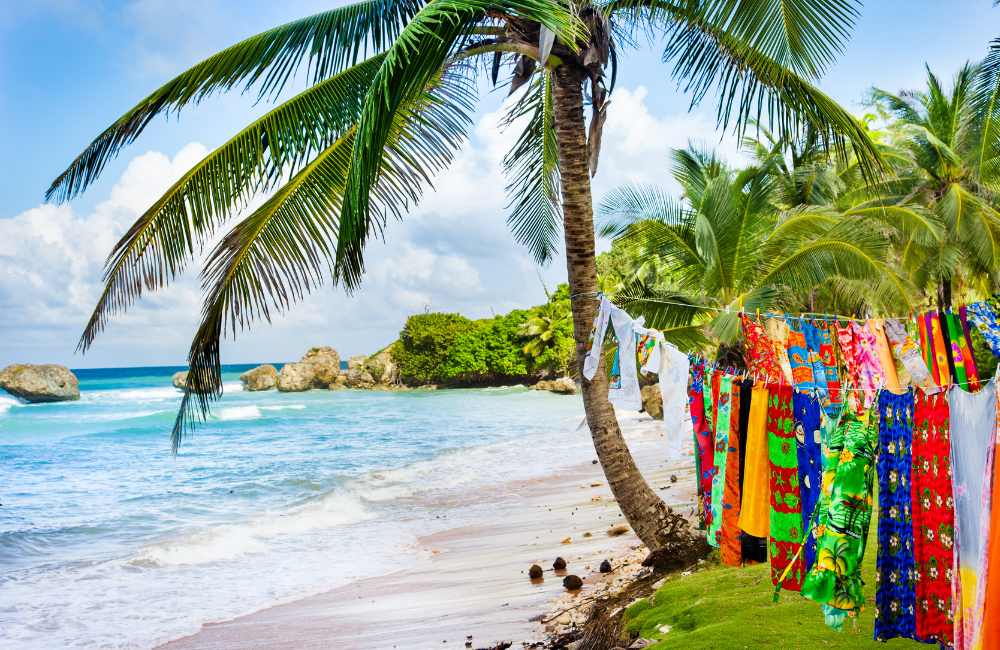
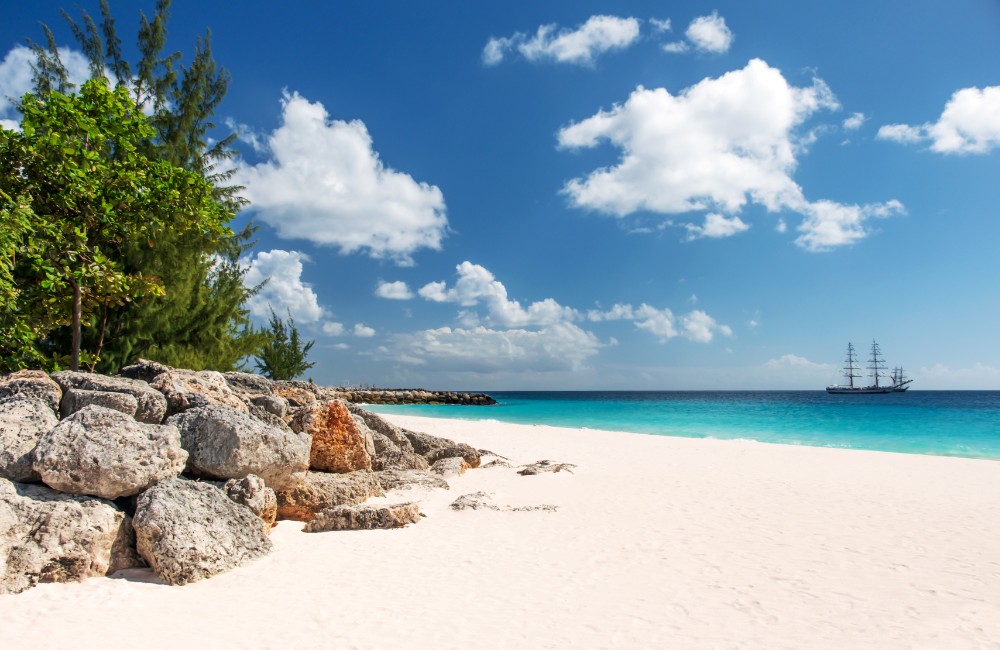
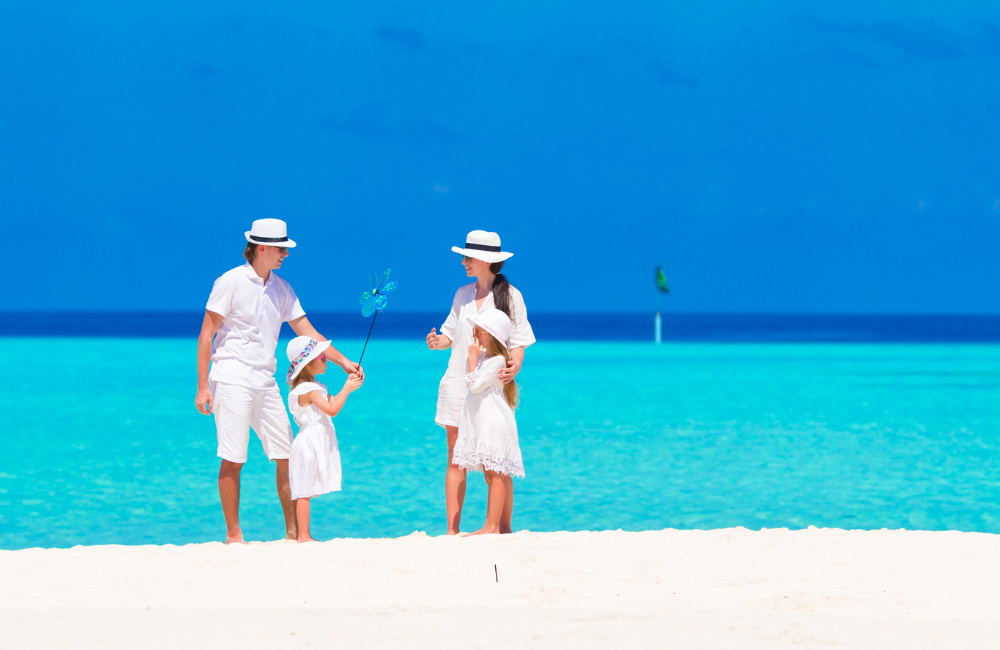
When someone mentions Barbados, you picture white sandy beaches, turquoise waters, and maybe sipping a cold drink while the waves gently lap at your toes.

But, the question I keep hearing is, “Is Barbados safe?” It’s a fair question, especially when you’re planning your next big adventure.

So, after diving into research and chatting with fellow travellers, I’ve put together this guide to answer just that.

Ready? Let’s roll.

Ready for unlimited adventure? Get travel insurance that covers over 150 activities and 190 destinations.

How Safe is Barbados Now?

Barbados is widely considered one of the safest destinations in the Caribbean. 

It's not just me saying this. Barbados consistently ranks as a low-risk destination for tourists. Violent crime is rare, and locals are known for their warmth and hospitality. 

My Pro Tip: Curious about other safe destinations? Check out my guide on the safest places to travel.

Cover your trip today

Planning a trip to Barbados? Get comprehensive travel insurance for medical needs, trip interruptions, and more with Rise & Shield. Quick & easy.

That said, no place is entirely free of risks, right?

It's important to note that in 2024, the island experienced a notable increase in homicides, recording at least 50 murders, up from 21 in 2023.

Despite this uptick, Barbados maintains a lower crime rate compared to many of its Caribbean neighbours, like Antigua

Proof? In 2024, Barbados had a crime index of 47.1, which is lower than that of the Bahamas at 56.5 and Jamaica at 68.1.

Yes, petty theft can be an issue in crowded areas or tourist hotspots, but a bit of common sense, like keeping your valuables tucked away, goes a long way.

From my research, the island has taken major steps to prioritise tourism safety, especially as it remains a key part of the economy.

Police presence is strong in popular areas, and local tourism boards actively promote visitor safety. 

Besides this, there are some common safety concerns in Barbados that every traveller should be aware of. Let’s tackle them next.

Current Safety Concerns in Barbados

Current Safety Concerns in Barbados

Is Barbados safe? It is, but beware of the following safety concerns:

Petty Theft and Scams

Barbados is generally a safe destination, but petty theft can occasionally happen, especially in crowded tourist spots.

It’s nothing out of the ordinary. Remember my other post about how safe Cyprus is? It’s the same here; the kind of stuff you’d be cautious of in any popular travel destination. 

Keep your belongings secure, avoid flashing valuables, and you’ll likely have nothing to worry about. Locals and visitors alike agree that the island feels welcoming and secure.

And while scams are rare, they do exist in small pockets.

For instance, some travellers have reported being overcharged by unofficial taxis. Stick to registered taxi services or rent a car to avoid this.

Speaking of which, let’s talk about the roads.

Ready for unlimited adventure? Get travel insurance that covers over 150 activities and 190 destinations.

Driving in Barbados

Driving in Barbados is an adventure in itself. The roads are narrow, winding, and often shared with energetic local drivers.

Add in the fact that Barbadians drive on the left-hand side of the road, and you’ve got a unique experience for first-time visitors! If you’re renting a car, stay alert and stick to well-marked roads, especially if you're driving after sunset.

Road conditions are generally good near the main towns, but rural areas can be a bit rougher.

For peace of mind, plan your driving routes in advance and avoid heading too far off the beaten path at night.

Now, while you’re out exploring, there’s another factor to keep in mind: the weather.

Hurricane Season

Hurricane Season

Barbados is in the Caribbean, which means hurricane season is a fact of life.

Running from June to November, the island rarely experiences direct hits, but storms can still disrupt travel plans. Heavy rains or strong winds can make outdoor adventures tricky, especially during peak hurricane months.

The good news?

Barbados is well-prepared for tropical weather, with reliable infrastructure and clear communication during storm warnings.

If you’re visiting during hurricane season, stay updated on local forecasts and pack a flexible itinerary. But let’s not stop here. There’s one last thing worth mentioning.

Ready for unlimited adventure? Get travel insurance that covers over 150 activities and 190 destinations.

Late Nights and Isolated Areas

Barbados is a lively island, and many visitors feel perfectly safe walking around at night, especially in bustling areas like St. Lawrence Gap.

That said, isolated beaches and poorly lit areas are best avoided after dark, just to play it safe. It’s the kind of precaution you’d take anywhere, not just here.

Stick to the vibrant, well-lit areas where you can enjoy the island’s charm without a care.

And really, isn’t it better to end your day on a high note, relaxing somewhere lively with good music and a chilled drink?

LGBTQ+ Travel in Barbados

LGBTQ+ Travel in Barbados

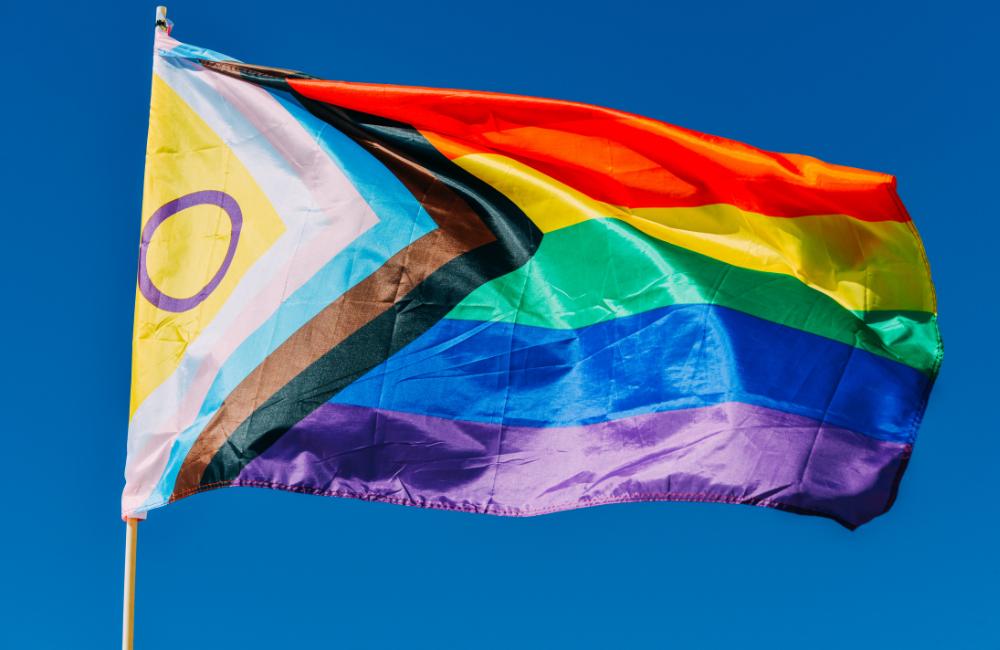
Now, this is an important topic. Barbados is known for its friendliness, but LGBTQ+ travellers should note that same-sex relationships remain somewhat taboo in certain circles. 

The good news is that legally, attitudes are shifting. The government has taken steps to decriminalise same-sex intimacy, which is a huge step forward.

That said, most LGBTQ+ travellers report feeling welcomed on the island, particularly in tourist-heavy areas and resorts.

Cover your trip today

Planning a trip to Barbados? Get comprehensive travel insurance for medical needs, trip interruptions, and more with Rise & Shield. Quick & easy.

Like anywhere, discretion can be wise, especially in more rural or traditional communities. But rest assured, Barbados is becoming more inclusive with each passing year.

Ready to explore Barbados? Let me share some of my favourite safety tips for travellers going to Barbados.

6 Top Safety Tips for Tourists in Barbados

6 Top Safety Tips for Tourists in Barbados

Here are 6 of my favourite travel safety tips if you want to explore Barbados like a local.

Ready for unlimited adventure? Get travel insurance that covers over 150 activities and 190 destinations.

1. Get Travel Insurance

Let’s start with the big one: travel insurance. Honestly, this should be a non-negotiable for any trip, but it’s especially important when heading somewhere tropical.

From unexpected flight cancellations during hurricane season to those “oops” moments while scuba diving or hiking, travel insurance has your back. 

Plus, it gives you peace of mind, which is priceless when you’re trying to enjoy paradise.

2. Secure Your Valuables

2. Secure Your Valuables

Barbados might feel like a carefree paradise, but keeping your belongings secure is just common sense. 

Use your hotel’s safe for passports, cash, and electronics whenever you’re out and about. If you’re exploring local markets or taking a sunset stroll, consider carrying a discreet money pouch or bag with zippers to avoid tempting opportunistic thieves.

Speaking of strolling, let’s look at where to wander after dark…

Ready for unlimited adventure? Get travel insurance that covers over 150 activities and 190 destinations.

3. Stick to Well-Lit Areas at Night

Barbados has an amazing nightlife scene, especially in areas like St. Lawrence Gap and Holetown

These spots are buzzing with energy and full of fellow travellers and locals alike. But if you’re venturing out after dark, stick to well-lit, bustling areas and avoid secluded streets or quiet beaches. 

The vibe is so much better where the action is anyway: live music, good food, and lively company!

But the island isn’t just about nightlife; it’s got some stunning beaches. Let’s chat about safety in the water.

4. Be Cautious When Swimming

4. Be Cautious When Swimming

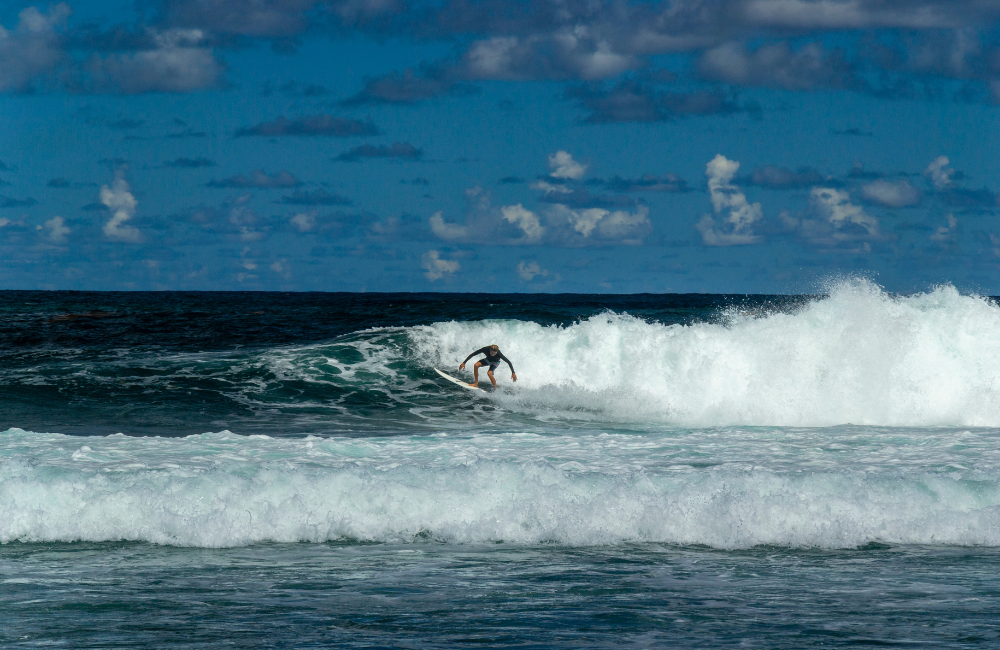
Barbados’ beaches are the stuff of postcards, but the waters can be unpredictable, especially along the rugged east coast. 

That side of the island is known for its strong currents and waves that are better suited to experienced surfers than casual swimmers.

My Pro Tip: Don’t forget to grab some surf travel insurance before you visit.

For a safer swim, stick to the west and south coasts, where the waters are calmer and lifeguarded beaches are the norm. 

And always keep an eye on those red flags. They’re there for a reason.

Ready for unlimited adventure? Get travel insurance that covers over 150 activities and 190 destinations.

5. Plan for Hurricanes

As dreamy as the Caribbean is, hurricane season can shake things up. 

Barbados rarely takes a direct hit, but heavy rains and strong winds can still make an appearance between June and November. If you’re visiting during this time, plan ahead.

Make sure your travel insurance covers cancellations or delays, and keep an eye on local weather forecasts. 

Most resorts and hotels are well-prepared for storms, so you’ll likely be in good hands. Now, one last tip to round things out…

6. Respect Local Customs

6. Respect Local Customs

Barbados isn’t just beautiful; it’s culturally rich, with a deep history and proud traditions. From music and dance to its culinary heritage, there’s so much to learn and appreciate. 

When visiting churches, historic sites, or even casual gatherings, showing respect goes a long way. Dress modestly when required, and be mindful of your tone and mannerisms.

Barbadians are known for their warmth and friendliness, and embracing their way of life will only make your trip more memorable.

Why Visit Barbados

Why Visit Barbados?

If you’re asking yourself, “Why should I visit Barbados?” my counter would be, “Why not?” 

This island is a paradise of contrasts. You’ve got vibrant nightlife, world-class beaches, and mouthwatering cuisine. 

Seriously, if you haven’t tried flying fish and cou-cou, you’re missing out.

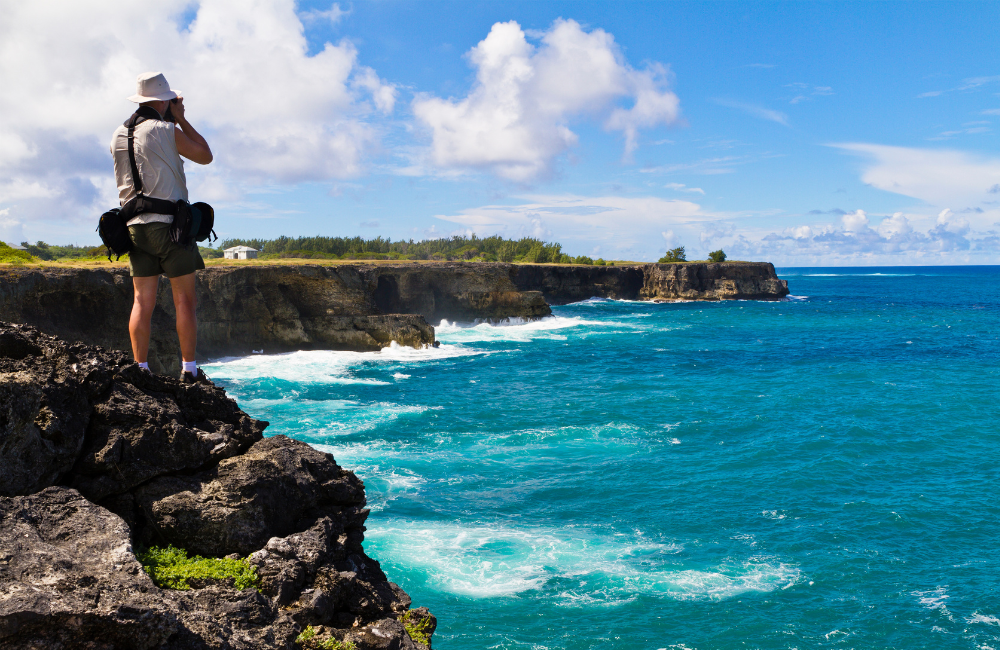
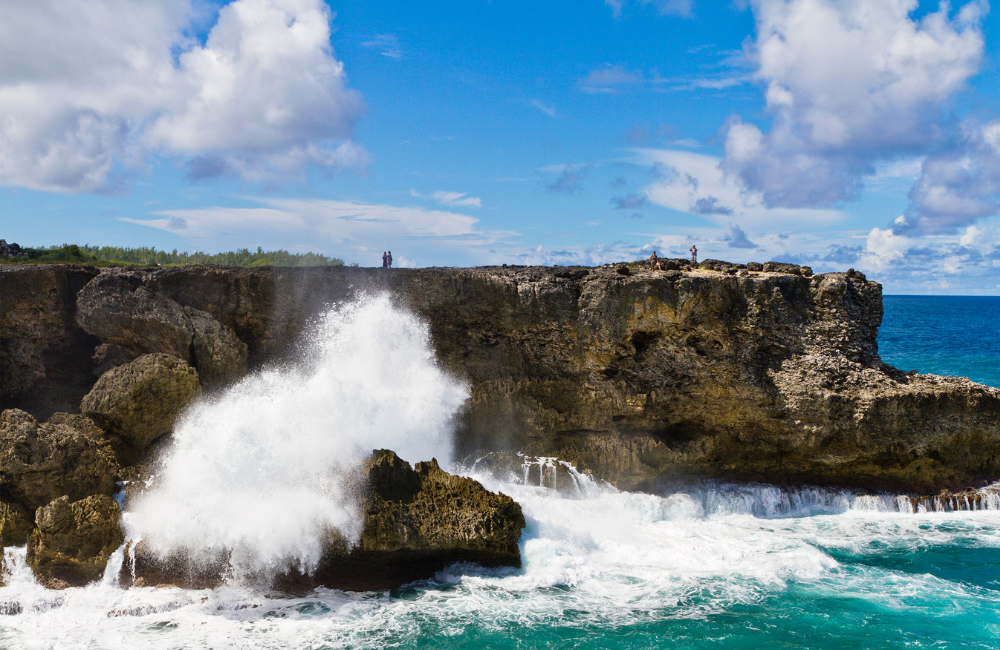
Then there’s the nature. I’m a sucker for dramatic coastlines and the feeling of standing somewhere that takes your breath away. 

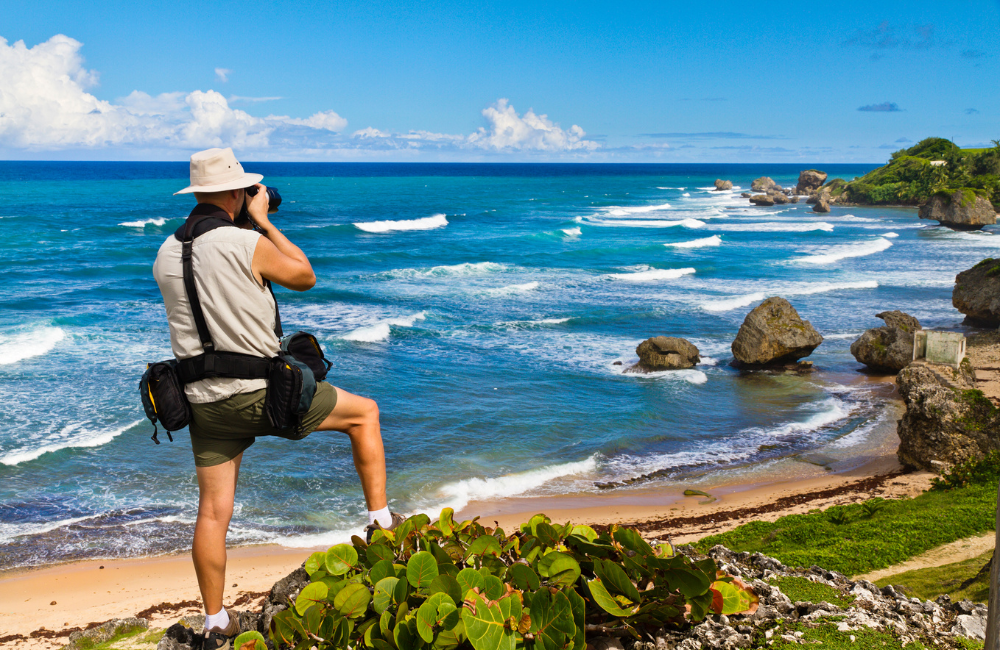
Barbados doesn’t disappoint. You’ve got places like Bathsheba Beach with its wild beauty, and the underground wonder of Harrison’s Cave.

And let’s not forget the people. Every traveller I’ve spoken to says the same thing: the locals make Barbados unforgettable.

Cover your trip today

Planning a trip to Barbados? Get comprehensive travel insurance for medical needs, trip interruptions, and more with Rise & Shield. Quick & easy.

My Final Thoughts

And there you have it: So, is Barbados safe? The answer is a resounding yes. With its low crime rate, friendly locals, and stunning natural beauty, Barbados is a destination you can feel good about exploring. Like anywhere, it’s wise to keep your wits about you, but the island’s safety record speaks for itself.
Read More
Is Cyprus Safe for Families, Solo Travellers, and More
Travel Safety

Is Cyprus Safe for Families, Solo Travellers, and More?

Is Cyprus safe? Yes, it absolutely is! But (and there is always a but…) like any destination, there’s more to the story. 

Whether you’re a family looking for sun-soaked beaches, a solo traveller chasing Mediterranean sunsets, or a couple seeking a romantic escape, Cyprus has something magical to offer. 

But what about hidden risks? What should you know about driving, local customs, or even wildlife before you pack your bags?

In this guide, I’ll share everything you need to know to enjoy your time on this stunning island with total peace of mind. From practical travel safety tips to insider advice, I’ve got you covered.

Ready? Let’s roll.

Ready for unlimited adventure? Get travel insurance that covers over 150 activities and 190 destinations.

How Safe is Cyprus Now?

How safe is Cyprus now? Very safe! Cyprus consistently ranks as one of the safest places in world, with low crime rates and a warm, welcoming vibe that makes it perfect for any adventure. 

Whether you're strolling through ancient ruins, sunbathing on pristine beaches, or exploring charming villages tucked away in the hills, you'll feel at ease knowing safety is rarely a concern here.

But let’s be honest. No destination is completely without its challenges. That’s where being informed makes all the difference to your trip.

My Pro Tip: Before you go, check out the UK Foreign Travel Advisory. It’s my go-to resource for travel updates, from local laws and customs to health advice. Trust me, a quick read could save you from any surprises along the way.

So, is Cyprus as dreamy and safe as it sounds? Absolutely. Like Malta, Cyprus boasts low crime rates and a friendly atmosphere.

But what about those little details that could impact your trip? Let’s dive into the current safety concerns in Cyprus and make sure you’re fully prepared for your adventure. Stay with me!

Current Safety Concerns in Cyprus

Current Safety Concerns in Cyprus

Even in a place as safe as Cyprus, a savvy traveller knows it’s worth being aware of potential challenges. Let’s break down a few key areas so you can feel fully prepared for your adventure.

Ready for unlimited adventure? Get travel insurance that covers over 150 activities and 190 destinations.

Driving in Cyprus: The Good and the Not-So-Good

Driving in Cyprus is mostly a breeze. The roads are well-maintained, and you’ll be driving on the left side. This is good news if you’re coming from the UK, like I am! 

But here’s the thing: some rural roads, especially in the mountains, can be narrow and winding. If you’re not confident behind the wheel, they might feel a bit daunting.

My Pro Tip: If you’re hiring a car, opt for something compact and pay extra attention to the locals. Cypriots tend to have a more “relaxed” approach to road rules. 

Stick to the speed limits, buckle up, and you’ll be fine.

Petty Crime: Rare, But Worth Mentioning

Petty Crime: Rare, But Worth Mentioning

Pickpocketing and petty theft are rare in Cyprus, but they can happen in tourist hotspots like Paphos and Ayia Napa, especially during the busy summer months. 

Keep your valuables close, use a money belt or crossbody bag, and don’t leave belongings unattended on the beach.

I always say: “A little extra caution goes a long way.” You don’t want to spend your trip sorting out a stolen phone or wallet when you could be exploring ancient ruins!

Wildlife: A Few Surprises

Wildlife: A Few Surprises

Cyprus is home to stunning natural beauty, but some of its wildlife might catch you off guard. 

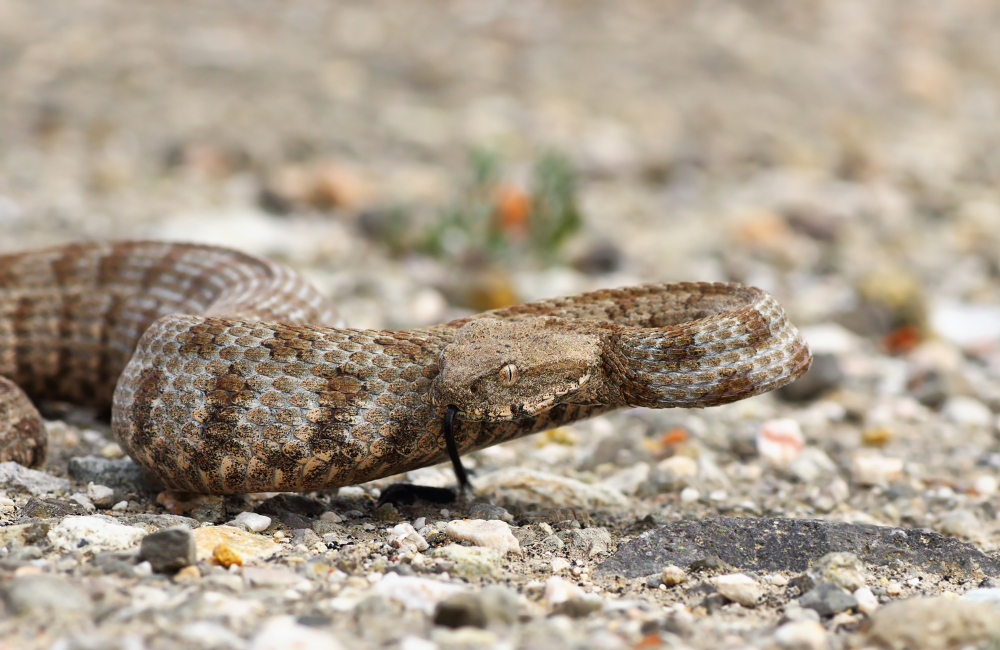
While the island doesn’t have any dangerous predators, there are snakes, including the blunt-nosed viper, which is venomous. 

The chances of encountering one are slim, but if you’re hiking in the countryside, stick to marked trails and wear sturdy shoes.

Oh, and if you’re visiting the coast, watch out for jellyfish. Most aren’t harmful, but a sting can still ruin your day at the beach. 

A bit of vinegar in your first aid kit can work wonders if you do get stung.

Ready for unlimited adventure? Get travel insurance that covers over 150 activities and 190 destinations.

Political Division: What It Means for You

Cyprus’s ongoing division between the Greek Cypriot south and the Turkish Cypriot north isn’t something you’ll notice much as a tourist. 

The UN buffer zone separating the two regions is well-managed, and you can even cross the border at designated checkpoints if you fancy exploring both sides of the island.

Just make sure to carry your passport, and avoid photographing anything near the buffer zone. This area is a sensitive area, and the last thing you want is to get into trouble over a quick snap.

LGBTQ+ Travel in Cyprus

LGBTQ+ Travel in Cyprus

Cyprus is generally welcoming to LGBTQ+ travellers, especially in its more tourist-heavy areas like Limassol, Paphos, and Ayia Napa. 

Same-sex relationships are legal, and the younger generation is increasingly open-minded, creating a relaxed atmosphere for visitors. 

You’ll find a few LGBTQ+ friendly bars and events, particularly in the summer months, when the island comes alive with a festive energy.

That said, Cyprus is still a conservative society in some respects, particularly in rural areas or among older generations. 

Public displays of affection, regardless of orientation, are less common here and might draw attention. 

As always, respect for the local culture is key.

Now that we’ve covered the key safety concerns, you’re already ahead of most travellers. But there’s still more to think about when it comes to making your trip as seamless as possible. 

Next up, let’s explore how to stay prepared and protected during your Cypriot adventure. Ready? Let’s keep rolling!

5 Top Safety Tips for Tourists in Cyprus

5 Top Safety Tips for Tourists in Cyprus

Let’s talk about staying safe and stress-free during your time in Cyprus. These tips aren’t just practical; they’re the kind of advice I’d share with a friend over coffee before their big trip.

Ready for unlimited adventure? Get travel insurance that covers over 150 activities and 190 destinations.

1. Get Travel Insurance

This one’s a no-brainer, right? Even in a safe destination like Cyprus, things can go wrong. Think: a delayed flight, a lost bag, or an unexpected trip to the doctor. 

Travel insurance for Cyprus gives you that priceless peace of mind.

Personally, I never travel without it. It’s one of those things you hope you won’t need but will be eternally grateful for if you do. 

And if you’re looking for flexible, no-nonsense coverage, well, you know where to find it (hint hint; check out Rise & Shield).
2. Stay Hydrated and Sun-Smart

2. Stay Hydrated and Sun-Smart

Cyprus is gloriously sunny, but that Mediterranean heat can catch you off guard. Dehydration and sunburn are two of the easiest ways to ruin your day, especially if you’re exploring outdoors.

Carry a reusable water bottle, wear a hat, and slap on high-SPF sunscreen. And trust me, take breaks in the shade. It’s not a race to see how much you can cram into one day!

Ready for unlimited adventure? Get travel insurance that covers over 150 activities and 190 destinations.

3. Be Mindful of Local Customs

Cyprus is a blend of cultures, and while the island is tourist-friendly, it’s important to respect local customs.

When visiting religious sites, for example, make sure you’re dressed modestly I find that covering your shoulders and knees is usually a safe bet.

4. Watch Out for the Sea

4. Watch Out for the Sea

The beaches in Cyprus are stunning, but the waters can occasionally be deceptive. Strong currents and unexpected waves are more common than you’d think, especially on windy days.

Look for lifeguard flags before diving in, and stick to designated swimming areas. 

If you’re travelling with kids, keep a close eye on them near the water. There’s nothing more precious than peace of mind when it comes to your family’s safety.

5. Keep Emergency Numbers Handy

5. Keep Emergency Numbers Handy

Nobody likes to think about emergencies, but it’s always better to be prepared.

Save important numbers, like the local police (112), ambulance (199), and the nearest embassy, in your phone.

I also keep a small, laminated card with emergency contacts in my wallet. Jjust in case my phone dies or gets misplaced. It’s a tiny thing, but it can make a big difference when you need it most.

With safety sorted and practical tips in hand, you’re ready to fully embrace everything Cyprus has to offer.

But what makes this island truly unforgettable? Let me show you why Cyprus deserves a spot on your travel list.

Why Visit Cyprus

Why Visit Cyprus?

Why visit Cyprus? Because it’s a place where history, natural beauty, and warm hospitality come together in the most magical way. 

This island isn’t just a destination. It’s an experience that stays with you long after you’ve left its sun-kissed shores.

Imagine starting your day wandering through ancient ruins, where every stone whispers tales of gods and warriors. 

By midday, you’re lounging on a pristine beach, the Mediterranean breeze carrying away any stress you thought you’d brought with you. 

And as the sun sets? You’re sipping local wine in a quaint taverna, savouring dishes so rich with flavour they practically sing on your taste buds.

Well, if you’re wondering, “?” you’ll be pleased to know that, much like Cyprus, Greece is considered a safe destination for travellers with plenty of precautions in place.

Ready for unlimited adventure? Get travel insurance that covers over 150 activities and 190 destinations.

But it’s not just the scenery or the food. It’s the people. 

Cypriots have a way of making you feel like you belong, whether it’s a shopkeeper sharing a local legend or a stranger offering directions with a smile. 

It’s the kind of place where connections matter, and you’ll leave feeling like you’ve made a few.

Whether you’re an adventurer chasing hiking trails, a history buff uncovering ancient secrets, or a traveller simply looking to recharge, Cyprus is a place that gives back tenfold.

My Final Thoughts

And there you have it: So, is Cyprus safe? Yes. But it’s also so much more than that. It’s a destination that calls to the dreamers, the wanderers, and the adventurers alike.

Now the only question is: when will you answer the call? And will you remember to get travel insurance before you go?
Read More
Is Antigua Safe for Travellers: The Island’s True Face
Travel Safety

Is Antigua Safe for Travellers? The Island’s True Face

Is Antigua safe? It’s a question I asked myself before booking my ticket to this Caribbean gem.

With its powdery beaches, turquoise waters, and vibrant culture, Antigua seems like paradise. But behind the postcard-perfect views, what’s the reality for travellers like you and me?

Don’t worry, I’ve got the answers. From local tips to common safety concerns, I’ll walk you through everything you need to know.

Ready? Let’s roll.

Ready for unlimited adventure? Get travel insurance that covers over 150 activities and 190 destinations.

Is Antigua Safe for Tourists?

The good news is, yes, Antigua is generally a safe destination. 

The island is known for its friendly locals and laid-back vibe, making it a welcoming spot for travellers.

That said, like anywhere, Antigua isn’t without its quirks. So, it’s worth keeping an eye on foreign travel advisories.

Petty theft can happen, especially in busy tourist areas, so keep an eye on your belongings. If you’re visiting during hurricane season (June to November), it’s smart to check weather updates regularly.

And when it comes to health, the biggest precaution is to pack some bug spray. I found that the mosquitoes here can be a nuisance.

While all of this sounds great, let’s dive a bit deeper into the current safety concerns in Antigua. Like Granny said, “Forewarned is forearmed.”
Current Safety Concerns in Antigua

Current Safety Concerns in Antigua

Here are the current safety concerns in Antigua:

Petty Crime in Antigua

Let’s be real: no destination is entirely free of petty crime, and Antigua is no exception. 

While the island is generally safe, pickpocketing and occasional scams can happen in busy areas like markets or popular tourist spots. 

One common scam involves “helpful” locals offering unsolicited assistance and then demanding a tip.

Sounds familiar? Yes, because it’s a common scam in Malta.

My Pro Tip: Stick to well-lit, populated areas, especially at night, and don’t flash expensive jewellery or gadgets. A little discretion goes a long way in keeping your trip stress-free.

Ready for unlimited adventure? Get travel insurance that covers over 150 activities and 190 destinations.

Weather Risks in Antigua

Antigua’s tropical charm comes with one caveat. Hurricanes. Yes, hurricanes

Typically, hurricane season runs from June to November. 

While direct hits are rare, storms can still disrupt or delay your travel plans. Thank goodness for travel insurance!

If you’re visiting during this time, stay updated with weather forecasts and have a backup plan.

I downloaded a weather app (Windy is my favourite) before I went. Weather apps are lifesavers when it comes to tracking storms and planning your day around sudden rain showers.
Health and Hygiene Concerns in Antigua

Health and Hygiene Concerns in Antigua

You’ll find Antigua’s tap water safe in most areas, but bottled water is a better choice if you’re unsure. 

The real health nuisance, though, is mosquitoes, especially at dawn and dusk. Make sure you’ve got insect repellent in your bag at all times.

For food, I recommend sticking to busy local restaurants. Not only are they safer, but they also serve some of the best Caribbean flavours you’ll ever taste. Don’t leave without trying jerk chicken or fresh-caught fish.

Transport Safety in Antigua

Transport Safety in Antigua

Getting around Antigua is easy, but there are a few quirks to watch for. 

Roads can be narrow and winding, and some aren’t well-lit at night. If you’re renting a car, take it slow. Locals know the roads better than you do. 

I found that taxis are generally safe, but make sure you’re using licensed ones.

My Pro Tip: Skip public buses unless you’re up for a real adventure. They’re cheap but unpredictable, and schedules are more of a suggestion than a rule!

Ready to explore Antigua? Here are some of my favourite safety tips for tourists in Antigua.

7 Top Safety Tips for Tourists in Antigua

7 Top Safety Tips for Tourists in Antigua

If you want to explore Antigua like a local and be safe while doing it, you should follow these safety tips. They worked for me and I’m sure they’ll work for you.

Ready for unlimited adventure? Get travel insurance that covers over 150 activities and 190 destinations.

1. Get Travel Insurance

Let’s face it: no one plans for accidents, but they happen. 

Whether it’s a sudden illness, a missed flight, or the unexpected cost of replacing a stolen phone, travel insurance can save the day. 

Antigua might feel like paradise, but even in paradise, things can go wrong. I chose Rise & Shield.

Why Rise & Shield?

It’s what I use every time I travel. Their coverage is tailored for adventure-loving explorers like you and me, with minimal restrictions and maximum peace of mind. Don’t skimp on this. It’s worth every penny.

2. Stay Aware of Your Surroundings

2. Stay Aware of Your Surroundings

Busy areas like markets or festival grounds are buzzing with energy and opportunists. 

Keep your belongings close and avoid distractions. I’ve learned the hard way that it’s easy to lose track of things when you’re admiring the scenery or snapping a photo.

My Pro Tip: A small crossbody bag or money belt is a game-changer for hands-free exploring without worry.

Ready for unlimited adventure? Get travel insurance that covers over 150 activities and 190 destinations.

3. Avoid Isolated Beaches or Areas After Dark

Antigua’s beaches are stunning, but they can feel deserted in the evening. 

While crime rates are low, it’s always better to stick to well-populated spots after sunset. That’s a rule I live by wherever I go.

If you’re itching for a night beach stroll, go with a group or stick to resorts with private beaches and security. And if you’re travelling solo? 

Well, I recommend you check out my safety tips for guys or my safety tips for women guides. Both cater to solo travellers and share insights you won’t find on Wikipedia.
4. Use Licensed Taxis or Arrange Transport Through Your Accommodation

4. Use Licensed Taxis or Arrange Transport Through Your Accommodation

As seasoned travellers, we all know that not all taxis are created equal. 

Licensed taxis are safe and reliable, while unregulated ones might not be worth the risk. I always ask my hotel to arrange transport. Sure, it may sound lazy, but it saves hassle and keeps things simple and safe.

Ready for unlimited adventure? Get travel insurance that covers over 150 activities and 190 destinations.

5. Keep Valuables in a Hotel Safe

This might sound obvious, but trust me, you’d be surprised how many travellers carry their passports or extra cash around “just in case.”

Locking valuables in your hotel safe ensures you can relax without that nagging worry about what’s in your bag.

6. Be Mindful of Weather Forecasts During Hurricane Season

6. Be Mindful of Weather Forecasts During Hurricane Season

When it comes to the weather, don’t take chances. 

Hurricane season is no joke, and even minor storms can throw a wrench in your plans. I always keep an eye on the forecast and plan excursions around clear skies.

My Pro Tip: If the weather turns, use the downtime to explore indoor spots like museums or savour a long lunch at a beachside café. The Museum of Antigua and Barbuda is a must-see!

Ready for unlimited adventure? Get travel insurance that covers over 150 activities and 190 destinations.

7. Respect Local Customs and Culture

Antigua has a rich cultural heritage, and showing respect for local customs goes a long way in making your visit smooth and enjoyable. 

Dress modestly when you’re not on the beach, and be polite when interacting with locals. A smile and a simple “thank you” can work wonders.

If you’re visiting during Carnival or other cultural events, ask locals about the traditions. They’ll love sharing their stories, and you’ll gain a deeper appreciation for the island.

Now that you’ve got my Antigua safety tips backing you up, I bet you’re rearing to go and explore, right? 

But wait. Why are thousands of travellers heading to Antigua yearly? Here’s why.
Why Visit Antigua

Why Visit Antigua?

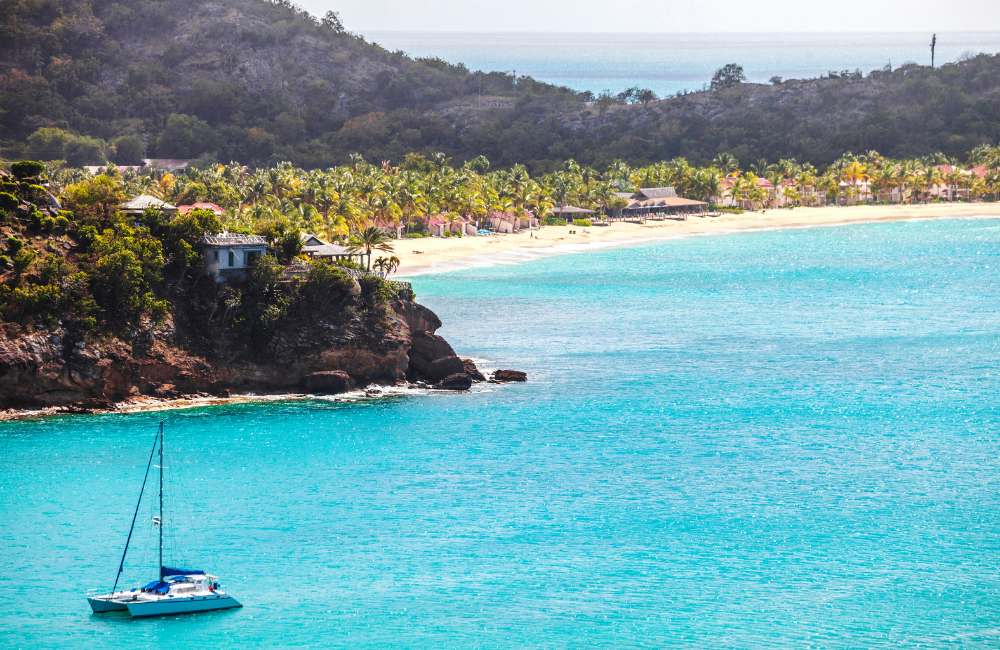
Imagine strolling along powdery white-sand beaches, the warm Caribbean breeze carrying the faint scent of sea salt. 
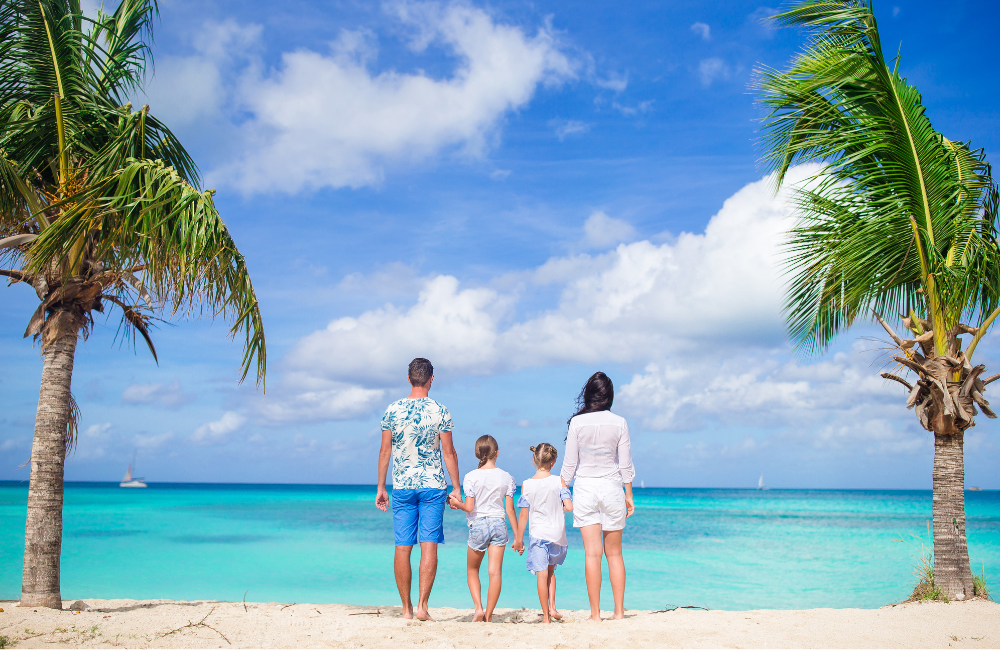
The turquoise waters glisten under the sun, inviting you for a scuba dive. If you’re anything like me, you’ll feel like you’ve stepped into a postcard.
But Antigua isn’t just about beaches (though they’re hard to beat)

History buffs will love Nelson’s Dockyard, a UNESCO World Heritage Site where you can practically hear the echoes of British naval history. 

And let’s not forget Antigua’s festivals. Carnival, in particular, is a riot of colour, music, and pure joy.

Every corner of this island tells a story, and every sunset feels like a gift. Trust me, Antigua isn’t just a place; it’s an experience.

Ready for unlimited adventure? Get travel insurance that covers over 150 activities and 190 destinations.

My Final Thoughts

And there you have it: is Antigua safe? It sure is! But, like most of the safest places to travel, you still need to keep your wits about you. Remember to get travel insurance from Rise & Shield before you go.
Read More
Is Malta Safe for Tourists: Everything You Need to Know
Travel Safety

Is Malta Safe for Tourists? Everything You Need to Know

Malta is known for golden beaches, crystal-clear waters, and yes; its streets are steeped in history. It’s no wonder Malta calls out to adventurers like us. 

But if you’re anything like me, safety is always on your mind when picking a destination. So, is Malta safe to travel to? 

Whether you’re planning a solo escape, a family holiday, or a food-fueled adventure (hello, pastizzi!), this question matters. 

Lucky for you, I’ve done the homework, and I’m here to spill all the details.

Ready? Let’s roll.

Ready for unlimited adventure? Get travel insurance that covers over 150 activities and 190 destinations.

How Safe Is Malta to Travel To?

Let me get straight to the point: Malta is incredibly safe. Like, “I’d-walk-down-a-dark-alley-without-a-second-thought” safe. 

This tiny Mediterranean gem boasts one of the lowest crime rates in Europe, and it’s consistently ranked as one of the safest countries in the world for tourists.

In fact, recent stats show that crime here is mostly petty. Think pickpocketing in crowded areas. Violent crime? Practically unheard of. 

And honestly, as someone who’s travelled to places that made me clutch my bag like my life depended on it, Malta feels like a refreshing breath of safe, sea-salted air.

So, how safe is Malta?

Safe enough that you can relax, soak up the sun, and focus on more important things, like whether to have another espresso or try a second plate of seafood pasta.

Is Malta Safe for Solo Female Travelers and Women

Is Malta Safe for Solo Female Travelers and Women?

Travelling solo can feel both liberating and nerve-wracking, especially if you’re a woman. You want to explore the world without constantly looking over your shoulder, right? 

That’s where Malta shines. 

When I asked a few solo female travellers about their experiences in Malta, the feedback was overwhelmingly positive. 

One traveller told me she felt completely at ease wandering through Valletta’s charming streets, even late in the evening. Another raved about how approachable and respectful the locals were when she asked for directions.

Ready for unlimited adventure? Get travel insurance that covers over 150 activities and 190 destinations.

So, is Malta safe for solo female travellers? Absolutely. 

The island’s low crime rate and friendly atmosphere make it a haven for adventurers travelling alone. 

Of course, common sense still applies. Keep your belongings secure, and trust your gut if something feels off. 

My Pro Tip: I recommend you brush up on some essential solo female travel safety tips before you go.

But from what I’ve seen and heard, Malta is as safe as it is beautiful, offering women the freedom to explore without constant worry.

But what about other genders? Here’s what I learned.

Is Malta Safe for LGBTQ+ Travellers

Is Malta Safe for LGBTQ+ Travellers?

Without a doubt. Let me tell you something that surprised me: Malta doesn’t just tolerate diversity. It celebrates it. 

This tiny island consistently ranks as one of the most LGBTQ+ friendly destinations on the planet. Malta has topped the ILGA-Europe Rainbow Index multiple years in a row.

Imagine walking hand in hand along St. Julian’s waterfront or dancing the night away in a lively bar, knowing you’re in a place that genuinely supports you. 

Still, as with any destination, stay mindful of cultural nuances and pick your spots wisely. But overall? Malta sets the bar high for inclusivity.

Let’s continue by looking at some of Malta’s common safety concerns.

Ready for unlimited adventure? Get travel insurance that covers over 150 activities and 190 destinations.

Is Malta a Safe Country? Common Safety Concerns

Malta is undoubtedly one of the safest countries I’ve visited, but like anywhere, it has its quirks. Let’s break down a few concerns you might want to keep in mind:

Pickpocketing in Crowded Areas

Pickpocketing in Crowded Areas

Let’s be real: crowds attract pickpockets, and Malta is no exception. Busy spots like Valletta’s main streets or bustling ferry terminals can be a magnet for petty thieves. 

When I was in Valletta, I kept my valuables zipped up tight and always slung my bag cross-body. Just in case. 

The good news? Reports of theft are rare compared to other popular destinations like Paris. Stay aware of your surroundings, and you’ll likely be just fine.

Ready for unlimited adventure? Get travel insurance that covers over 150 activities and 190 destinations.

Tourist Scams

Thankfully, scams aren’t rampant in Malta, but that doesn’t mean they’re non-existent. 

Some tourists have mentioned overpriced taxi rides or “special” deals that aren’t so special after all. 

I always recommend agreeing on a price upfront when using local cabs or sticking to rideshare apps. It’s a small step that can save you a lot of frustration later.

Nightlife Safety

Nightlife Safety

Malta has a vibrant nightlife scene, particularly in areas like Paceville. It’s lively and fun, but it can get rowdy after dark. 

When I ventured out for a drink (or two), I stuck to well-lit streets and avoided overindulging. 

My Pro Tip: Keep an eye on your drink, and don’t hesitate to leave if a situation feels off.

Ready for unlimited adventure? Get travel insurance that covers over 150 activities and 190 destinations.

TL;DR: Is Malta a Safe Country Overall?

In short: yes, it is. Violent crime is almost unheard of, and even petty crime is relatively low compared to other tourist hotspots. 

Locals are welcoming, and the laid-back Mediterranean vibe makes it easy to relax. As long as you stay mindful of the usual travel precautions, you’ll find Malta to be as safe as it is stunning.

And talking about the usual travel precautions, let me share some of my favourite travel safety tips for visiting Malta.

5 Practical Travel Safety Tips for Visiting Malta

5 Practical Travel Safety Tips for Visiting Malta

Want to explore Malta like a savvy traveller? Here are my go-to tips for staying safe while soaking in all the island’s beauty:

Ready for unlimited adventure? Get travel insurance that covers over 150 activities and 190 destinations.

1. Get Travel Insurance for Malta

I’ll be honest: unexpected mishaps can happen anywhere, even in Malta. 

Whether it’s a lost bag, a delayed flight, or a sudden health issue (trust me, as a type-1 diabetic, I always prepare), having travel insurance for Malta is a must. 

It’s the easiest way to travel with peace of mind, knowing you’re covered no matter what.

2. Keep Your Valuables Secure

2. Keep Your Valuables Secure

Busy areas like Valletta or ferry terminals can get crowded, making them prime spots for pickpockets. 

I always use a cross-body bag with hidden zippers and keep only the essentials on me.

Bonus tip? If you’re using public transport, keep an eye on your belongings during the ride.

3. Stay Hydrated in the Summer

3. Stay Hydrated in the Summer

Malta’s summer sun is no joke. When I visited, I underestimated just how hot it could get. Lesson learned. 

Always carry a reusable water bottle, wear sunscreen, and take breaks in the shade when needed. Trust me, your body will thank you after a long day exploring those stunning ancient ruins.

Ready for unlimited adventure? Get travel insurance that covers over 150 activities and 190 destinations.

4. Avoid Isolated Areas After Dark

While Malta is very safe, it’s always smart to stick to well-lit, busier areas at night. 

When I wandered around in the evening, I kept to the main streets and avoided shortcuts through quiet alleys. It’s a simple habit that keeps you feeling secure, no matter where you are.

5. Prepare with Comprehensive Advice

5. Prepare with Comprehensive Advice

Yes, this is a shameless plug. Still, it is valuable info. Travelling soon? 

Don’t miss out on my other holiday travel safety tips to ensure you’re ready for anything. These tips cover everything from packing smart to navigating new destinations confidently.

By following my five tips, you’ll explore Malta with the confidence of a local and the preparation of a seasoned traveller.

How Safe is Malta Compared to Other Popular Destinations

How Safe is Malta Compared to Other Popular Destinations?

When it comes to safety, Malta holds its own against some of the Mediterranean’s most beloved destinations. 

Take Greece, for example. 

Both countries are famous for their warm hospitality, rich histories, and jaw-dropping landscapes. But when I compared notes with fellow travellers, Malta seemed to edge ahead in terms of overall peace of mind.

Ready for unlimited adventure? Get travel insurance that covers over 150 activities and 190 destinations.

Crime in Malta is minimal, even in tourist-heavy areas, and its compact size makes it easier to navigate safely. 

Greece, on the other hand, can be a bit more hit-or-miss depending on where you go. That’s not to say Greece isn’t safe. Far from it! 

In fact, if you’re curious, check out my other guide: Is it safe to travel to Greece right now? for a full breakdown.

Ultimately, both destinations are excellent choices for travellers, but Malta’s low crime rate and laid-back vibe make it feel like a little oasis of calm in the heart of the Mediterranean. 

What do you think: does Malta sound like your next adventure? Not convinced? Before I wrap up this blog post, let me see if I can’t sell Malta to you.

Why Malta is a Great Choice Despite Safety Concerns

Why Malta is a Great Choice Despite Safety Concerns

When I think of Malta, the first thing that comes to mind is its incredible charm. This little island has a way of making you feel right at home.

I still remember sitting at a café in Valletta, sipping a perfectly brewed espresso while gazing at centuries-old architecture that seemed to whisper stories of knights and battles long past.

Visitors I’ve spoken to rave about Malta’s stunning beaches, like the Blue Lagoon, where the water is so clear you’d think it was photoshopped. It’s perfect for scuba diving!

Others can’t get enough of its vibrant culture, whether it’s a lively festa (village festival) or the mouthwatering local dishes like rabbit stew and fresh seafood.

Despite any initial worries you might have about safety, Malta truly delivers on its promise of being a safe, welcoming, and unforgettable destination. 

Whether you’re wandering ancient streets, diving into turquoise waters, or chatting with friendly locals, you’ll feel the magic of Malta at every turn.

Ready for unlimited adventure? Get travel insurance that covers over 150 activities and 190 destinations.

My Final Thoughts

And there you have it: is Malta safe? It is! So, what are you waiting for? Pack your bags, grab some travel insurance from Rise & Shield and see for yourself why this Mediterranean gem deserves a spot on your travel list. You won’t regret it!
Read More
Is It Safe to Travel to Greece Right Now
Travel Safety

Is It Safe to Travel to Greece Right Now?

Is it safe to travel to Greece right now?

That was the question running through my mind as I packed my bags and wondered if I’d melt under the Mediterranean sun. 

Greece is a place of ancient wonders, postcard-perfect islands, and the bluest waters I’ve ever seen. But safety? 

That’s something you can’t ignore. 

I had my doubts (and my sunscreen), but what I discovered might surprise you. From bustling cities to quiet villages, I’ve uncovered the good, the bad, and the downright unexpected. 

Ready to find out what I learned? Let’s roll.

Ready for unlimited adventure? Get travel insurance that covers over 150 activities and 190 destinations.

Is Greece Safe to Travel to?

Yes, Greece is generally safe to travel to right now. In fact, it’s one of the safest places I’ve explored, despite my knack for getting lost in the wrong neighbourhoods! 

Petty crimes like pickpocketing can happen in crowded tourist hotspots, but with a bit of caution (and maybe a well-placed money belt), you’ll likely have nothing to worry about.

That said, Greece isn’t without its quirks. 

The summer heat can be brutal, especially for someone like me who prefers cold, crisp air over the blazing sun.

Wildfires and heatwaves are worth keeping tabs on, especially if you’re heading to rural or island areas.

Still, Greece’s charm outweighs any concerns. After all, there’s a reason millions of travellers keep coming back year after year.

But let’s be real: what’s a trip to Greece without knowing what makes it so special? Stick around to find out why Greece should be at the top of your travel list.

Why Greece Is Worth Visiting

Why Greece Is Worth Visiting

Why is Greece worth visiting? Oh, where do I even start? 

It’s one of those places that feels almost mythical and not just because of the ancient gods and legends. Every corner of Greece, from its sun-drenched islands to its mountainous villages, offers something extraordinary.

Let me paint you a picture. 

Imagine standing on the edge of a cliff in Santorini, watching the sun dip into the Aegean Sea as the whitewashed buildings glow golden. 

Or strolling through the ancient ruins of Delphi, feeling like you’ve stepped back in time. That’s Greece; where beauty meets history at every turn.

Ready for unlimited adventure? Get travel insurance that covers over 150 activities and 190 destinations.

And let’s not forget the food. 

I’m a foodie, and I couldn’t resist the endless plates of fresh seafood, tangy tzatziki, and grilled souvlaki. Pair that with a warm Greek welcome, and you’ll feel like you’ve known the locals for years.

But it’s not just about the postcard moments. 

What really struck me was the variety. One day I was hiking through the rugged gorges of Crete, and the next I was lounging on a secluded beach with crystal-clear waters. 

Greece is perfect for adventurers, history buffs, and even ocean-lovers like me.

Sure, the summer heat can be intense (I may or may not have retreated to the shade more times than I’d like to admit), and the tourist crowds can feel overwhelming in places like Athens or Mykonos. 

But honestly? It’s all worth it. There’s a magic to Greece that’s hard to describe but impossible to forget.

Did I inspire you? Great. But hold on. Let’s look at some safety concerns in Greece before you jet off.

Common Safety Concerns in Greece

Common Safety Concerns in Greece

Even in a place as dreamy as Greece, it’s smart to keep your guard up. 

While I had a mostly smooth experience, there were a few moments that made me double-check my travel instincts. Here’s what you need to know to keep your trip as safe as it is unforgettable.

Ready for unlimited adventure? Get travel insurance that covers over 150 activities and 190 destinations.

Petty Crime and Scams in Greece

Let’s start with the most common issue: petty crime. 

In Athens, particularly around Monastiraki Square and the metro, pickpockets are a real thing. 

I learned the hard way to keep my valuables zipped up and close. If you’re like me and tend to get lost in the sights (hello, Acropolis!), don’t make it easy for opportunistic thieves. 

A crossbody bag with zippers saved me a lot of stress.

Scams can also pop up, especially with things like overpriced taxi rides or "friendly" locals offering unsolicited help. 

My rule of thumb? Stick to official taxis or ride-share apps and politely decline random offers. Trust me, a little caution goes a long way.

Natural Disasters

Natural Disasters in Greece

Greece is breathtaking, but it’s not immune to nature’s wild side. 

Earthquakes are rare but not unheard of, especially in areas like Crete. Wildfires, on the other hand, are a bigger concern during the hot summer months.

I visited during peak wildfire season (June to September) and made it a point to check local alerts daily. Google “112 Greece Emergency Alerts” and thank me later.

My Pro Tip: Always have a backup plan if a wildfire or other natural disaster disrupts your itinerary. It’s all about staying flexible, even if it means swapping that beach day for a museum trip.

Health Concerns

Health Concerns in Greece

If you’re anything like me, staying healthy on a trip is a bit of a juggling act. 

As a type-1 diabetic, I had to be extra mindful of staying hydrated and keeping my insulin cool under the scorching Greek sun. 

Temperatures can soar in the summer, and it’s easy to underestimate how much water you’ll need. So, keep a bottle on hand, always.

COVID-19 precautions are pretty relaxed these days, but it’s good to double-check entry requirements and bring a mask for crowded indoor spaces, just in case.

Transportation Safety

Transportation Safety In Greece

Now, let’s talk about getting around. 

Those winding island roads? Gorgeous, but they’re no joke. If you’re renting a car, take it slow. The locals seem to have a sixth sense for hairpin turns, but I can’t say the same for myself. 

Ferries are generally safe, but they can be delayed or cancelled due to weather, so give yourself plenty of buffer time if you’re island-hopping.

And here’s a quick tip: If you’re prone to seasickness (yep, that’s me), pack motion sickness meds. You’ll thank yourself while staring at those endless blue waves.
7 Safety Tips for Travellers to Greece

7 Safety Tips for Travelers to Greece

Exploring Greece was one of the most rewarding adventures I’ve ever had, but staying safe took a little planning. 

Here are my tried-and-tested safety tips to ensure your trip is smooth sailing, because trust me, there’s nothing worse than unnecessary stress when you’re surrounded by beauty.

Ready for unlimited adventure? Get travel insurance that covers over 150 activities and 190 destinations.

1. Get Travel Insurance (Seriously, Just Do It)

Before I even booked my flight, I made sure I had travel insurance for Greece

Whether it’s a medical mishap, a cancelled ferry, or a lost bag, it’s worth the peace of mind. If you’re still shopping around, Rise & Shield has some great options. 

It’s like having a safety net for all the unexpected twists that travel can bring. But then, I’m also biased.

2. Keep Valuables Secure

2. Keep Valuables Secure

Athens’ bustling streets and the lively island markets are a feast for the senses, but they’re also hotspots for pickpockets. 

I kept my wallet in a zipped compartment and carried only what I needed for the day. 

My Pro Tip: Leave your passport locked in your accommodation and carry a photocopy instead.
3. Stay Updated on Alerts

3. Stay Updated on Alerts

Before heading out each morning, I checked local weather and emergency alerts. 

Greece’s 112 Emergency Service app was a lifesaver. It’s free, easy to use, and even sends real-time notifications for wildfires or other emergencies. 

Proactive? Maybe. But it made me feel like a well-prepared adventurer.

My Pro Tip: If you want to be even more proactive, check out some of my other travel safety tips.
4. Stick to Official Transportation

4. Stick to Official Transportation

Taxis in Greece can be hit or miss, and I learned quickly to stick to official ones or apps like Beat

It’s not just about avoiding overcharging; it’s about peace of mind when you’re navigating unfamiliar streets.

If you’re renting a car, double-check for hidden fees and practice patience, especially on those infamous winding island roads.

Ready for unlimited adventure? Get travel insurance that covers over 150 activities and 190 destinations.

5. Carry Cash (But Don’t Flash It)

Many small shops and tavernas prefer cash, so keeping some euros handy is essential. That said, I learned to withdraw only what I needed and stash the rest securely. 

Crowded places like Plaka or ferry terminals are prime spots for pickpockets, so don’t wave your wallet around like you’re handing out free money.
6. Download Helpful Apps

6. Download Helpful Apps

If you’ve been following this travel blog for a while, you know by now that I’m somewhat of a tech geek. And you know what? Technology was my travel buddy in Greece. 

Here are a few apps I couldn’t live without:

  • Currency Converter: A currency converter can help you double-check prices and avoid overpaying.
  • Google Maps: For navigating Athens’ winding streets or finding hidden beaches.
  • 112 Greece: You can use 112 Greece for safety alerts and emergency help.
  • A Translator App: While most Greeks speak excellent English, a little local language goes a long way. I used ChatGPT and Google Translate.
7. Join a Group Tour

7. Join a Group Tour

Whether you’re a solo traveller or just looking to add some structure to your trip, group tours can be a fantastic way to explore Greece safely. 

I joined a hiking group in Crete and found it not only eased some of my logistical worries but also introduced me to a few new friends. 

Plus, having a local guide means you don’t miss those hidden gems that most tourists walk right past. If you’re considering one, this guided hike in Crete is a great place to start. 

It was a highlight of my trip!

Ready for unlimited adventure? Get travel insurance that covers over 150 activities and 190 destinations.

My Final Thoughts

And there you have it: is it safe to travel to Greece right now? Sure it is! But, before you go, get some travel insurance and make sure you follow my advice.

Greece is an adventure worth experiencing. Looking for more inspiring locations and travel advice? Check out my other guides:

Read More
Is Peru Safe to Travel to
Travel Safety

Is Peru Safe to Travel to?

Let me guess: you’ve been dreaming of Machu Picchu, right?

Or maybe it’s the Nazca Lines, calling to your inner archaeologist. 

Peru is a treasure trove for adventurers and history buffs like you and me. But, is Peru safe to travel to? Is it safe to pack your bags and go right now?

The short answer? Yes, it’s generally safe. But let me break that down. Let’s look at the crime, dangers, and other things you must know before you go.

Ready? Let’s roll.

Is It Safe to Travel to Peru Right Now

Is It Safe to Travel to Peru Right Now?

Yes, Peru is safe to travel to and the vast majority of visitors have an incredible experience.

Petty crime, like pickpocketing, can be a nuisance in big cities like Lima and Cusco but you know the drill: keep your phone out of sight, and don’t flash cash or valuables.

But officials do urge caution, especially in remote areas. Stick to well-trodden tourist routes, and you’re golden. 

But do keep an eye on government travel sites, like the or the . They update advisories regularly.

Ready for unlimited adventure? Get travel insurance that covers over 150 activities and 190 destinations.

The Sacred Valley, Arequipa, and Lake Titicaca are perfectly fine. Just skip the dodgier neighbourhoods in urban areas.

According to recent travel advisories, Peru has no major safety red flags. 

I like to keep an eye on government travel sites, like the UK Foreign Office or the U.S. State Department. They update advisories regularly. Before you jet off, give those a quick read.
How Does Peru Compare to Its Neighbours

How Does Peru Compare to Its Neighbours?

Let’s be honest: South America gets a bad rap. But Peru stands out as one of the safer options.

It’s not squeaky clean and one of the safest countries in the world, like Iceland (few places are!), but compared to neighbouring countries like Colombia or Venezuela, Peru is a haven for tourists.

The big win here? 

Peru knows how much it relies on tourism. Locals are friendly, guides are professional, and authorities are quick to assist travellers. 

I’ve felt more secure planning a trip here than I have for other bucket-list destinations in the region.

So, is it safe to visit Peru? 

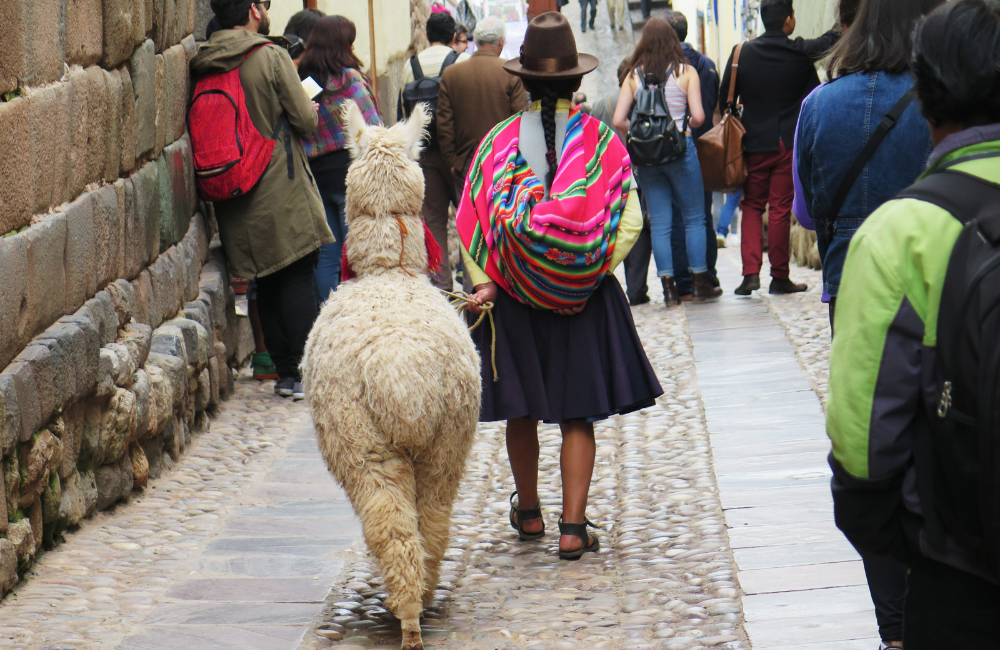
You bet. With travel insurance, a little street smarts and a pinch of caution, you’ll be climbing those ancient steps and snapping that iconic llama selfie in no time.

But if you need more convincing, let’s look at some of the common safety concerns in Peru.

Common Safety Concerns in Peru

Common Safety Concerns in Peru

Every destination comes with its quirks, right? Peru is no exception. 

From bustling cities to towering mountains, there are a few things you’ll want to keep in mind before diving into your adventure. Let’s break it down.

Ready for unlimited adventure? Get travel insurance that covers over 150 activities and 190 destinations.

Petty Crime in Urban Areas

Big cities like Lima and Cusco are vibrant and full of life, but they’re also where you’ll find pickpockets honing their craft. 

Crowded spots—markets, plazas, and public transport—are their playground. Much like what we saw in my Is It Safe To Travel To Paris guide.

So, what’s the move? Keep your bag zipped and close, and don’t wave your phone around like a beacon.

One thing I always do is use a money belt or stash cash in multiple places. It’s not glamorous, but it works. 

And hey, if you need to use your phone, find a quiet corner or a café. Trust me, staying aware of your surroundings can make a world of difference.

Health Risks (e.g., Altitude Sickness)

Health Risks (e.g., Altitude Sickness)

You’ve seen those jaw-dropping photos of the Andes, right? What you don’t see is the thin air that comes with them. 

Altitude sickness can hit even the most seasoned travellers. I’m not saying it will, but if you’re heading to spots like Cusco (3,400 meters above sea level) or Lake Titicaca (even higher), you might feel it.

My Pro Tip: Get high-altitude trekking insurance before you attempt any of these adventures.

Ready for unlimited adventure? Get travel insurance that covers over 150 activities and 190 destinations.

Here’s what I do: take it slow. Give your body a day or two to adjust, drink plenty of water, and skip the alcohol. 

Locals swear by coca tea, and I’ve found it helps. 

If you’re still feeling rough, pack acetazolamide or consult your doctor beforehand. Don’t let altitude sickness ruin your trip. It’s manageable if you’re prepared.

Transportation Safety

Transportation Safety

Travelling in Peru can feel like a mix between an adventure movie and a rollercoaster. 

Long-distance buses are affordable and efficient, but not all are created equal. 

Stick to reputable companies like Cruz del Sur or Peru Hop. They’ve got better safety records and, honestly, more comfortable seats.

Taxis? Use apps like Uber or Beat, or have your hotel arrange one for you. Random cabs on the street can be hit or miss. 

And if you’re planning to drive yourself, think twice. Roads can be unpredictable, and mountain passes are not for the faint of heart. Let the pros handle it.

Natural Hazards in Peru

Natural Hazards in Peru

Peru’s landscapes are stunning but unpredictable. If you’re like me and love trekking, keep an eye on the weather. 

Landslides and heavy rains can disrupt trails, especially during the wet season (November to April). Always check conditions before heading out.

Ready for unlimited adventure? Get travel insurance that covers over 150 activities and 190 destinations.

And let’s talk wildlife for a sec. While it’s rare to encounter anything dangerous, it’s good to know your boundaries. 

Those cute alpacas? They spit if annoyed. Snakes and spiders? Avoid tall grass and wear proper shoes. You’ll be fine. Trust me. Just stay aware and respect nature.

So, there you have it. A few simple precautions, and you’ll be ready to tackle Peru like a pro. 

But hold up. How safe is Peru to travel as a solo female? Here’s what I found out.

Is Peru Safe for Solo Female Travellers

Is Peru Safe for Solo Female Travellers?

Travelling solo as a woman in Peru is absolutely doable, but let’s not sugarcoat it. There are specific challenges to keep in mind. 

Catcalling, or piropo, is common in urban areas like Lima and Cusco. It can feel uncomfortable, but it’s mostly verbal and doesn’t escalate. 

My advice? Ignore it and keep walking. Confidence is key, even if you’re faking it. 

Trust your instincts and stick to well-lit areas, especially at night. In remote regions or while trekking, safety concerns are minimal, but always let someone know your plans. 

A quick message to your hotel or a family member goes a long way.

Ready for unlimited adventure? Get travel insurance that covers over 150 activities and 190 destinations.

My Pro Tip: Are you a solo female traveller? Check out these solo female travel safety tips you don’t want to miss out on.

I’ve heard from friends and fellow travellers who rave about their solo trips in Peru. 

One woman I met during my research said she felt safer hiking the Inca Trail (btw, see our Machu Picchu travel insurance page) with a small group than she does walking alone in her own city. 

Shout out to Skyhook. Their local guides, especially on popular routes, are attentive and professional. 

If you’re new to solo travel, consider joining a guided Peru tour for those more remote adventures. Not only is it safer, but you’ll also meet like-minded travellers along the way. 

Peru is a country where preparation and awareness can turn any potential risks into nothing more than minor inconveniences.

Would you feel comfortable exploring on your own? I think you might surprise yourself! And before you do, let me share some of my Peru safety travel tips.

5 Tips for Staying Safe in Peru

5 Tips for Staying Safe in Peru

Want to explore Peru like a pro? It’s all about preparation and staying smart on the ground. Here are my favorite safety tips, based on my own travel habits and a few lessons I’ve learned along the way.

Ready for unlimited adventure? Get travel insurance that covers over 150 activities and 190 destinations.

1. Get Travel Insurance for Peru

First things first: get travel insurance for Peru. Trust me, you’ll thank yourself later. 

Peru is full of adventure, but that also means unexpected mishaps, from a twisted ankle on a hike to delayed flights. 

If you’re like me and have a chronic condition like diabetes, insurance is non-negotiable. Look for plans that cover medical emergencies, evacuation (those mountains aren’t forgiving), and trip interruptions. 

I always say, “If you can’t afford travel insurance, you can’t afford to travel.”

2. Keep Valuables Out of Sight

2. Keep Valuables Out of Sight

Peru’s vibrant streets and markets are a feast for the senses. And for pickpockets. Use an anti-theft bag with zippers that lock or tuck your bag under your arm in crowded areas. 

I’ve even taken to using a simple decoy wallet for small bills and keeping my actual cash tucked away. Got a camera? Use a crossbody strap and keep it close. 

And here’s my secret weapon: carry a printed copy of your passport and leave the original locked in your hotel safe.

3. Stay Hydrated and Healthy

3. Stay Hydrated and Healthy

Altitude sickness is no joke, and staying hydrated is your first line of defence. But it’s not just the altitude. Peru’s tap water isn’t safe to drink. 

Invest in a reusable water bottle with a built-in filter. I always pack a small first-aid kit with essentials like Imodium, electrolyte tablets, and band-aids.

Feeling adventurous with street food? Go for it, just stick to busy stalls where the food is fresh and turnover is high. No one wants their trip ruined by a bad empanada.

Ready for unlimited adventure? Get travel insurance that covers over 150 activities and 190 destinations.

4. Be Smart About Transport

Whether it’s a taxi, bus, or tuk-tuk, transportation in Peru can be unpredictable. I always recommend downloading a rideshare app like Uber or Beat to avoid haggling with street taxis. 

If you’re taking a long-distance bus, book with reputable companies like Cruz del Sur. 

And don’t be shy about asking your hotel for recommendations. They’ve seen it all and will steer you right. 

My Bonus Tip: Avoid night buses if you can. The roads can be treacherous after dark.
5. Trust Local Advice

5. Trust Local Advice

When in doubt, ask a local. Peruvians are incredibly friendly and full of useful insights. 

Need to know the best route to Machu Picchu or which areas of town to avoid? They’ll give you the lowdown. 

I’ve had hotel staff go above and beyond, offering tips I couldn’t find online. 

Don’t hesitate to chat with your guide, shopkeeper, or even a fellow traveller at a café. Sometimes, the best safety tips come from the people who know the land like the back of their hand.

Ready for unlimited adventure? Get travel insurance that covers over 150 activities and 190 destinations.

My Final Thoughts

And there you have it: is Peru safe to travel to? Yes, Peru is safe to travel. But, before you go, grab travel insurance from Rise & Shield, read through my safety tips again, and you’ll be set for the adventure of a lifetime.
Read More
Is It Safe to Travel to Iceland Right Now
Travel Safety

Is It Safe to Travel to Iceland Right Now?

Is it safe to travel to Iceland right now? Absolutely!

If anywhere on Earth feels like stepping into a living postcard, it’s Iceland.

With its dramatic glaciers, volcanic landscapes, and the spellbinding Northern Lights, it’s easy to see why this Nordic gem tops so many travel bucket lists.

That said, nature here isn’t just beautiful; it’s wild and unpredictable. From sudden snowstorms to icy roads, the land of fire and ice demands a little extra preparation.

In this article, I’ll dive into everything you need to know to stay safe in Iceland.

We’ll cover crime (spoiler: there’s almost none), tips for handling the weather, and even some insider advice on avoiding tourist traps.

Ready? Let’s roll.

Ready for unlimited adventure? Get travel insurance that covers over 150 activities and 190 destinations.

Is It Safe to Travel to Iceland Right Now?

Yes, it’s safe to travel to Iceland right now!

This Nordic paradise is consistently ranked as one of the safest countries in the world, thanks to its low crime rates and well-maintained infrastructure.

But while Iceland’s serene towns and breathtaking landscapes feel like a haven, nature here doesn’t play by the rules.

Icy roads, sudden weather changes, and powerful natural elements are what travellers need to respect the most.

Of course, safety doesn’t just mean braving the elements. Let’s take a closer look at Iceland’s crime rates (or lack thereof).
Crime: Practically Non-Existent

Crime: Practically Non-Existent

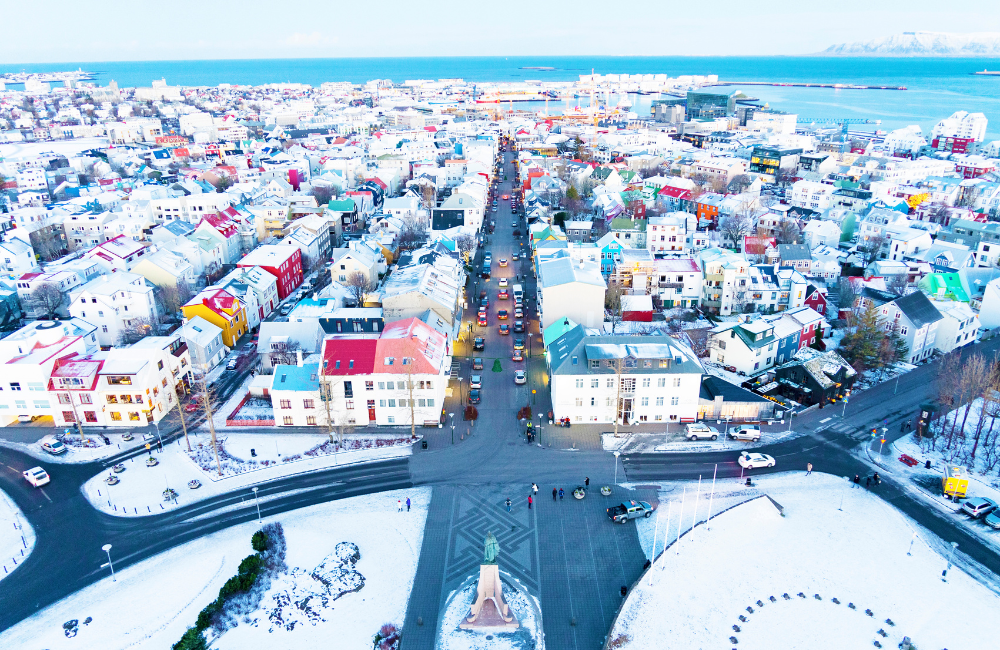
When I first visited Iceland, I couldn’t believe how safe it felt. Reykjavik, the bustling capital, is more like a cosy village than a typical city.

Crime here is practically unheard of. Violent crime especially is a rarity. You can walk the streets at night, even in the heart of winter, and feel completely at ease.

That’s not something I can say about many places I’ve travelled to.

That said, no place is entirely free of mishaps.

Ready for unlimited adventure? Get travel insurance that covers over 150 activities and 190 destinations.

While Iceland’s urban areas are safe, petty theft can happen if you’re not paying attention, especially around popular tourist spots.

If you’re anything like me, you probably keep your valuables close anyway, but it’s always worth a reminder.

My Pro Tip: Don’t leave bags or expensive gear unattended, even in Iceland’s famously friendly cafes. Check out my 2025 Travel Safety Tips for more clever ideas.

Overall, Iceland feels like a breath of fresh air when it comes to safety. But keep your common sense handy, it’s the ultimate travel companion.

And speaking of companions, let’s talk about how to handle the true challenge in Iceland: its weather.

Weather: Stunning but Unforgiving

Weather: Stunning but Unforgiving

Iceland’s weather is like the country itself: beautiful, dramatic, and a little unpredictable.

One moment, you’re marvelling at a crisp, blue-sky morning, and the next, you’re battling icy winds that feel like they’ve come straight from the Arctic.

Blizzards can appear out of nowhere, even in spring, and black ice on the roads is no joke. Trust me, Iceland doesn’t do “mild.”

Ready for unlimited adventure? Get travel insurance that covers over 150 activities and 190 destinations.

When packing for your trip, think layers.

I never travel to cold climates without a solid base layer, a windproof jacket, and sturdy boots that can handle ice and snow.

Gloves, a hat, and thermal socks? Non-negotiable.

And always keep an eye on Iceland’s weather alerts.

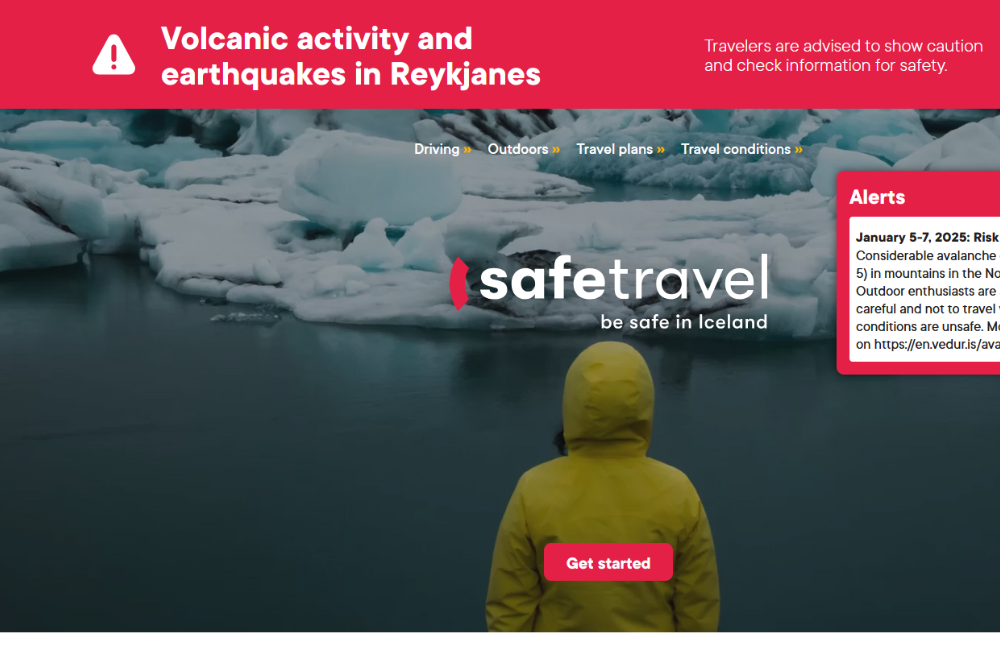
My Pro Tip: There’s a handy app called SafeTravel that I swear by. It’ll give you real-time updates and help you avoid driving into a storm.

The key to staying safe in Iceland’s weather is preparation. Dress warmly, respect the forecasts, and be ready for anything.

You’ll thank yourself when the wind starts howling. Up next, let’s talk about another safety topic: avoiding tourist traps and potential scams.

Scams and Tourist Traps

Scams and Tourist Traps

One of the things I love most about Iceland is how genuine and trustworthy the people are.

Scams are incredibly rare here. Yes, this isn’t the kind of place where you’ll get hustled in a market or tricked into an overpriced cab ride.

That said, no destination is completely free of a few tourist pitfalls.

My Pro Tip: Check out my guide on Is Paris Safe for Travel, to see some truly clever scams and tourist traps in action.

Ready for unlimited adventure? Get travel insurance that covers over 150 activities and 190 destinations.

The most common “trap” I’ve encountered in Iceland is overcharging at popular tourist hotspots.

Some restaurants, souvenir shops, or tour operators near major attractions might have higher-than-average prices.

It’s not malicious, but it’s worth keeping an eye on your spending.

For example, those cosy cafes near the Blue Lagoon? The coffee might warm your soul, but it could also cost you more than you’d expect.

My advice? Plan ahead.

Compare prices for tours and experiences online before booking, and don’t be afraid to ask locals for recommendations.

I find that they’re often more than happy to point you toward authentic, reasonably priced options.

Next, let’s tackle health and safety, an area that’s always on my mind as a traveller.

Health and Safety Considerations

Health and Safety Considerations

When it comes to health and safety, Iceland has you covered. The country boasts a top-notch healthcare system, and Reykjavik has excellent medical facilities.

That said, accessing healthcare as a visitor can get expensive if you don’t have travel insurance for Iceland.

Trust me on this one: insurance is your safety net, especially in a place where adventure can take you to some pretty remote spots.

Ready for unlimited adventure? Get travel insurance that covers over 150 activities and 190 destinations.

For travellers like me, managing health conditions like type-1 diabetes adds an extra layer of planning.

If you’re in the same boat, pack more supplies than you think you’ll need.

Cold weather can be unpredictable for insulin storage, so keep it insulated and at the right temperature. If anything goes wrong, pharmacies in Reykjavik are well-stocked, but it’s always better to be prepared.

As for pandemic concerns, Iceland has done a fantastic job managing public health.

Keep an eye on local updates before you go, and make sure your travel insurance includes medical coverage for unexpected illnesses.

You want peace of mind when you’re standing in awe under the Northern Lights.

Iceland’s Natural Hazards

Iceland’s Natural Hazards

Iceland’s landscapes are as awe-inspiring as they are untamed, and that’s part of their charm.

But with this raw beauty comes a few natural hazards that every traveller should respect.

Driving on icy roads, especially in winter, is a big one. Even seasoned drivers can find it tricky to navigate black ice or sudden snowdrifts.

If you’re renting a car, make sure it’s equipped with snow tyres, and always check road conditions before setting out.

My Pro Tip: SafeTravel and road.is are lifesavers for real-time updates. never go without 'em.

Ready for unlimited adventure? Get travel insurance that covers over 150 activities and 190 destinations.

Hiking in Iceland is another highlight, but it’s not without risks. Trails can be slippery, poorly marked, or subject to sudden weather changes.

I always pack essentials like a map, a fully charged phone, and plenty of layers when I hit the trails. And if you’re exploring remote areas, letting someone know your plans is a must.

Finally, Iceland’s geothermal areas are fascinating but can be dangerous if you’re not careful.

Stick to marked path. Yes, those bubbling pools and steaming vents might look inviting, but they can be scalding hot.

My Pro Tip: If you ever find yourself in a jam, Iceland’s emergency number is 112, and the SafeTravel app provides detailed guidance for staying safe.

A little caution goes a long way, letting you enjoy the adventure without any unwanted surprises. Now, let’s move on to some insider tips to make your trip even smoother!

6 Clever Safety Tips for Travellers in Iceland

6 Clever Safety Tips for Travellers in Iceland

Ready to explore Iceland? Here are 6 of my clever safety tips for travellers in Iceland.

Ready for unlimited adventure? Get travel insurance that covers over 150 activities and 190 destinations.

1. Get Travel Insurance

This might sound obvious, but travel insurance isn’t just a checkbox.

Iceland is safe, but accidents can happen, whether it’s slipping on icy roads or needing a doctor in a remote village.

I never travel without it, and knowing I’m covered lets me focus on the adventure.

2. Respect the Locals and Their Land

2. Respect the Locals and Their Land

Icelanders are some of the friendliest people I’ve met, but they’re also fiercely protective of their environment.

Stick to marked trails, avoid littering, and don’t disrupt nature’s fragile balance. When interacting with locals, a simple "Takk fyrir" (thank you) goes a long way in showing respect.

My Pro Tip: I’ve been using Google Translate and even ChatGPT to help with translating signage, restaurant menus and more. It’s been amazing!
3. Stay Connected, Even in Remote Areas

3. Stay Connected, Even in Remote Areas

Iceland’s landscapes may feel otherworldly, but you’ll want to stay grounded with a solid connection.

I always pick up a local SIM card at the airport. It’s cheaper than relying on roaming. And in areas with spotty reception, having a GPS device or downloading maps offline is a lifesaver.

4. Dress for Every Kind of Weather

4. Dress for Every Kind of Weather

Layers are your best friend in Iceland. I’ve learned the hard way that sunshine can turn to snow in minutes.

A waterproof outer layer, insulated gloves, and solid hiking boots are must-haves. Always carry a small backpack with an extra hat and gloves, just in case.

5. Don’t Underestimate Driving Distances

5. Don’t Underestimate Driving Distances

Iceland’s roads might be scenic, but they’re also long and often empty.

Plan your route carefully, fill up on gas whenever you can, and check road conditions with road.is before heading out. 

I also keep snacks and water in the car. You’ll thank me when that next gas station is hours away.
6. Use the SafeTravel App

6. Use the SafeTravel App

I know I mentioned this before, but seriously, it’s amazing. This app has been my go-to for everything from weather alerts to road closures.

It even lets you share your travel plans with Icelandic authorities for extra peace of mind. It’s like having a personal safety guide in your pocket.

Ready for unlimited adventure? Get travel insurance that covers over 150 activities and 190 destinations.

My Final Thoughts

And there you have it: is it safe to travel to Iceland right now? It sure is! As long as you grab some travel insurance from Rise & Shield and listen to my advice, you’ll have a fantastic time in Iceland. Happy exploring!
Read More
25 Essential Travel Safety Tips for 2025
Travel Safety

25 Essential Travel Safety Tips for 2025

You know what’s more thrilling than booking that next adventure? Knowing you’re prepared for anything the world throws at you. 

And trust me, I’ve learned the hard way that having solid travel safety tips in your back pocket can mean the difference between an epic story and a total nightmare.

Travel in 2025 is a wild ride: new destinations, smarter tech, and, let’s face it, some unique challenges. 

Whether you’re exploring cobblestone streets in Europe or chasing sunsets on a local road trip, safety isn’t just a boring box to check. It’s your golden ticket to fully enjoying the journey.

So buckle up, fellow explorers. I’ve rounded up 25 safety hacks to keep your travels smooth and stress-free.

Ready? Let’s roll.

My Ultimate List of Travel Safety Tips

Throughout the years I’ve learned that there are 5 ultimate travel safety tips. And you know what? I swear by these tips. They are:

Ready for unlimited adventure? Get travel insurance that covers over 150 activities and 190 destinations.

1. Get Travel Insurance

Let me be blunt: if you’re travelling without travel insurance, you’re playing a risky game. 

Accidents, cancellations, lost luggage; it’s not a matter of if but when something unexpected happens. And guess what? That’s where travel insurance swoops in like a superhero.

I’m not talking about the bargain-basement stuff that leaves you stranded. 

I’m talking about Rise & Shield. That’s travel insurance that’s as adventurous as you are. 

Whether it’s medical emergencies or delayed flights, they’ve got your back so you can focus on the fun. Don’t leave home without it. Seriously.

2. Research Your Destination

2. Research Your Destination

You wouldn’t jump into a game without knowing the rules, right? The same goes for travel. 

Every destination has its quirks, local customs, laws, and even areas to avoid. Researching these ahead of time is like having a cheat code for a smoother trip.

Check online forums, read blogs, (like my article on Is It Safe to Travel to Paris?) and don’t underestimate the power of YouTube for a virtual walkthrough of your destination. 

This isn’t just about dodging trouble; it’s about showing respect and immersing yourself in the local culture. Win-win!

3. Keep Copies of Important Documents

3. Keep Copies of Important Documents

Picture this: you’re at the airport, ready to board, and—bam!—your passport’s gone. Nightmare, right? That’s why I always keep copies of my essential documents.

Snap pictures of your passport, visa, and travel insurance details, and upload them to a secure cloud service.

 I also carry printed copies tucked away in a separate bag. Overkill? Maybe. 

But trust me, you’ll thank me when the unexpected happens. Do the same with your travel insurance policy. You never know when you may need it.

4. Stay Updated on Travel Advisories

4. Stay Updated on Travel Advisories

Think of travel advisories as your insider scoop on potential trouble. 

Governments and reputable travel websites regularly update information on safety, weather, and even health risks for every corner of the world.

My Pro Tip: I always check the UK Foreign Travel Advice website.

Before you leave, check these advisories. Better yet, set up alerts for your destination.

It’s a small habit that could save you big headaches because nothing ruins a trip faster than walking into a situation you could’ve avoided.

5. Use Reputable Transportation Services

If there’s one thing I’ve learned, it’s this: not all transportation is created equal. Sure, hopping into the first cab you see might seem convenient, but it’s not always the safest choice.

Stick to licensed taxi services or well-known ride-sharing apps like Uber or Bolt. 

If you’re taking public transport, research routes and schedules beforehand. For road trips? Check your vehicle thoroughly before hitting the road. 

Safety isn’t boring. It’s the freedom to travel worry-free.

And do I have any safety travel tips for international travel? You bet.

Ready for unlimited adventure? Get travel insurance that covers over 150 activities and 190 destinations.

5 Safety Tips for International Travel

Staying safe while exploring new places isn’t just smart. It’s empowering. Follow these safety tips for international travel, and you’ll be ready to handle whatever comes your way.

8. Stay Cautious with Public Wi-Fi

1. Avoid Public Wi-Fi for Sensitive Transactions

We’ve all been there. You’re sitting in a charming café, sipping espresso, and checking your bank account on public Wi-Fi. 

Sounds harmless, right? Wrong. 

That’s prime hunting ground for cybercriminals.

Instead, invest in a VPN (Virtual Private Network) to encrypt your data and keep nosy hackers out of your business. 

If you can’t swing a VPN, wait until you’re on a secure, private network to handle sensitive transactions. Your data is worth the extra effort.

2. Be Aware of Common Scams

2. Be Aware of Common Scams

Every popular travel destination has its share of crafty scammers. Some might pose as friendly guides; others might distract you while an accomplice makes off with your bag.

Do your homework! Read about common scams in your destination before you go.

For example, in some cities, taxi drivers might “forget” to turn on the meter. Or that sob story about a stranded wallet? It’s been recycled more than your local paper. 

Stay polite but firm, and always trust your gut.

My Pro Tip: Trusting your gut is one of my go-to solo female travel safety tips.
3. Keep Emergency Contacts Handy

3. Keep Emergency Contacts Handy

Here’s a non-negotiable: always have a list of emergency contacts at your fingertips. This includes the local police, ambulance services, and your country’s embassy or consulate.

Here’s my list of essential numbers to keep handy when travelling:

  • Local Emergency Numbers: For your destination, check this directory for country-specific emergency numbers.
  • Embassy Contacts: Find contact details for your country's embassy or consulate here.

Save them in your phone and jot them down on paper in case your phone dies. 

Oh, and don’t forget to share your itinerary with someone back home. If something goes awry, they’ll know where to start looking.

4. Stay Alert in Crowded Places

4. Stay Alert in Crowded Places

If you’ve been following this blog you should know by now that I don’t like crowds.

Crowds are a double-edged sword. On one hand, they can feel electric and full of life. On the other, they’re a magnet for pickpockets.

Keep your valuables close—preferably in an anti-theft bag—and avoid carrying all your cash in one place. 

A trick I use? Carry a “dummy wallet” with a little cash and expired cards to hand over if you’re ever unlucky enough to be mugged. Stay alert, and don’t be an easy target.
5. Dress to Blend In

5. Dress to Blend In

If you want to avoid standing out as a tourist, dress like the locals. 

Flashy jewelry, designer bags, or even a big camera slung around your neck can make you a walking billboard for trouble.

My Pro Tip: Yes, I’ve also included this tip in my travel safety tips for guys piece. You’d do well to listen.

Take a little time to observe how locals dress. 

You don’t have to abandon your personal style, but dialling it down can help you avoid unwanted attention. Plus, it’s a great way to show respect for the local culture.

Next, let’s move on to some lesser-known, yet essential travel safety tips for 2025.

Ready for unlimited adventure? Get travel insurance that covers over 150 activities and 190 destinations.

5 Lesser-Known Top Tips for Safe Travel in 2025

Travel in 2025 is full of opportunities, but it’s also packed with challenges. 

With these lesser-known safety tips, you’ll stay ahead of the game and keep your adventures as worry-free as possible.

1. Use Distraction Wallets and Anti-Theft Bags

1. Use Distraction Wallets and Anti-Theft Bags

Here’s a game-changer for the security-conscious traveller: distraction wallets. These decoy wallets come loaded with a bit of cash and expired cards—perfect for fooling pickpockets. 

Pair that with an anti-theft bag featuring slash-proof straps, RFID blockers, and hidden zippers, and you’re practically unpickable.

My favourite tip? Carry the dummy wallet in an easy-to-grab spot, while your actual valuables stay locked away. It’s peace of mind that’s worth the investment.

2. Avoid Oversharing Travel Plans Publicly

2. Avoid Oversharing Travel Plans Publicly

We’ve all been there: posting a photo of your boarding pass or tagging your exact location on Instagram.

It feels fun and spontaneous until you realise it’s basically an open invitation for trouble.

Keep your travel plans off social media until you’re back home. 

If you must share, limit your audience to trusted friends or family. The world doesn’t need to know you’re 5,000 miles from home with an empty apartment waiting.

3. Learn Basic Local Language Phrases

3. Learn Basic Local Language Phrases

No, you don’t need to become fluent overnight, but knowing a handful of key phrases can be a lifesaver. “Help,” “police,” “hospital,” and “I need directions” are a great start.

Not only does this help in emergencies, but it also shows locals you’ve made an effort to respect their culture. 

And who knows? That little bit of effort might just win you a friend or a discount!

My Pro Tip: I’ve been using Google Translate and even ChatGPT to help with translating signage, takeout menus and more. We’re living in the golden age of travel.
4. Stay Sober and Aware

4. Stay Sober and Aware

Let’s be real: a drink or two is often part of the adventure. But overdoing it can turn a fun night into a dangerous situation. When you’re travelling, staying sharp is essential.

Stick to trusted establishments, keep an eye on your drink, and know your limits. 

And if you’re exploring after dark, bring a buddy or opt for reputable transportation. Trust me, you’ll have more fun when you’re in control.

5. Register with Your Embassy

5. Register with Your Embassy

This is one of those lesser-known travel safety tips that sounds overly formal until you realise how helpful it can be. 

By registering your trip with your country’s embassy, you ensure they know you’re in the area.

In case of natural disasters, political unrest, or other emergencies, the embassy can provide updates, guidance, and even evacuation assistance. 

It’s a simple step that takes minutes but offers priceless peace of mind.

Ready for some domestic travel safety tips? Of course, you are.

Ready for unlimited adventure? Get travel insurance that covers over 150 activities and 190 destinations.

5 Domestic Travel Safety Tips for Road Trips and Local Adventures

Staying safe while exploring your own backyard can be just as important as international travel precautions. These tips keep the fun rolling without unnecessary risks.

1. Stay Hydrated and Eat Well

1. Stay Hydrated and Eat Well

It’s easy to overlook, but proper hydration and nutrition are your first defences against travel fatigue. 

Whether you’re hitting the highway or exploring a nearby trail, keep a refillable water bottle handy and pack snacks that won’t melt or spoil.

Trust me, a cranky, dehydrated traveller isn’t just a danger to themselves. They’re also no fun to be around. 

My Pro Tip: Grab electrolyte packets for longer trips. They’re lifesavers when you’re running on fumes (or too much coffee; guilty as charged).
2. Avoid Night Travel in Unfamiliar Areas

2. Avoid Night Travel in Unfamiliar Areas

Driving or exploring at night might sound adventurous, but it comes with added risks. Visibility is reduced, wildlife is more active, and unfamiliar roads can quickly turn into a maze.

If you absolutely have to travel after dark, plan your route ahead of time and stick to well-lit, populated areas. And always let someone know where you’re going. 

The midnight snack run can wait until morning!

3. Keep Your Phone Charged

3. Keep Your Phone Charged

A dead phone is the modern traveller’s nightmare. From navigation to emergency calls, your smartphone is an essential tool on the road.

Always start your journey with a full charge and carry a portable charger or power bank. 

Bonus points for a car charger if you’re road-tripping. You don’t want to be caught in the middle of nowhere with a flashing low-battery warning.

My Final Thoughts on Staying Safe in Paris

4. Trust Your Instincts

If something doesn’t feel right, it probably isn’t. Whether it’s a sketchy gas station, an unlit alley, or a too-good-to-be-true roadside vendor, don’t ignore your gut.

It’s better to overreact and move on than to regret staying in an uncomfortable situation. 

Confidence and awareness go hand in hand with safe travels. So trust yourself and act accordingly.

5. Share Your Travel Plans with Someone You Trust

5. Share Your Travel Plans with Someone You Trust

Before hitting the road, let someone know your itinerary. Share details like your expected arrival time, your planned stops, and your accommodations.

If plans change, keep them updated. It’s a simple step that can make a world of difference if something unexpected happens. 

Plus, having a backup plan with someone who knows your route adds an extra layer of security.

Let’s wrap this up with my final safety tips for travellers in 2025.

Ready for unlimited adventure? Get travel insurance that covers over 150 activities and 190 destinations.

5 Advanced Safety Tips for Travelers in 2025

When you combine these advanced safety tips with the basics, you’re not just prepared: you’re unstoppable. Travel smarter, stay safer, and make every journey your best one yet.

1. Use Hotel Safes Wisely

1. Use Hotel Safes Wisely

Hotel safes can be a great tool if you use them right. 

First, test the lock to make sure it works (yes, people forget this!).

Avoid using obvious passcodes like 1234, and if you can, stash your valuables in a tamper-proof bag before placing them in the safe.

For extra peace of mind, keep your most critical items—like your passport—on you or in a money belt when possible. 

Not all hotel safes are created equal, so don’t rely on them for irreplaceable valuables.

2. Stay Informed About Natural Disasters

2. Stay Informed About Natural Disasters

Travelling in 2025 means navigating a world with unpredictable weather and climate events (thanks, rapid climate change)

Before you go, research your destination’s risk for hurricanes, earthquakes, or other natural disasters.

Download a weather app and set up alerts for your location. 

Know the local evacuation routes and have an emergency plan. It might feel excessive, but when you’re standing in an unexpected flood, you’ll be glad you did your homework.

3. Avoid Using Unmarked Taxis

3. Avoid Using Unmarked Taxis

Unmarked taxis may seem convenient, but they’re a gamble you don’t want to take. Always opt for licensed taxi services or trusted ride-sharing apps like Uber or Lyft.

Check the driver’s name and license plate before getting in, and don’t share personal details beyond what’s necessary.

If you’re ever unsure, ask your hotel or local host to recommend a reliable service. Safety starts with smart transportation choices.

4. Keep a Low Profile

4. Keep a Low Profile

Travel is not the time to channel your inner celebrity. Flashing expensive jewellery, high-end gadgets, or even large amounts of cash is like wearing a “rob me” sign.

Dress modestly, use understated bags, and keep your phone or camera tucked away when not in use. This isn’t about blending in perfectly. It’s about not making yourself a target. 

The less attention you draw, the safer you’ll be.

5. Educate Yourself Continuously

5. Educate Yourself Continuously

You’re already doing this, because why else would you be reading this blog post? Well done!

The travel landscape is always changing, and staying informed is your secret weapon. Subscribe to travel blogs (hint, hint), follow government advisory sites, and read up on the latest safety trends.

Take a few minutes before each trip to refresh your knowledge on travel safety tips online. 

Whether it’s learning about new scams, updated visa rules, or health precautions, staying informed is a lifelong skill for any adventurer.

Ready for unlimited adventure? Get travel insurance that covers over 150 activities and 190 destinations.

My Final Thoughts

And there you have it: 25 essential travel safety tips for 2025. From grabbing travel insurance to staying aware of local scams, there’s a lot you can do to stay safe. What travel safety tips did I miss? Let me know and let’s all make travel a safe, memorable experience.
Read More
Is It Safe to Travel to Paris: (2025 Guide)
Travel Safety

Is It Safe to Travel to Paris? (2025 Guide)

They say Paris is the city of love, but let’s be honest: no one loves being scammed, pickpocketed, or caught in the middle of a protest. 

So, is it safe to travel to Paris? Yes, it is. 

But like any great adventure, it’s not without its challenges. 

The key? Knowing what to expect before you go. Let’s dive into the real deal on staying safe while soaking up the magic of the City of Light.

Ready? Let’s roll.

Ready for unlimited adventure? Get travel insurance that covers over 150 activities and 190 destinations.

Is It Safe to Travel to Paris? (Quick Answer)

Yes, Paris is generally safe for tourists. Millions of travelers flock to the City of Light every year, and for good reason: it’s a treasure trove of culture, history, and adventure. 

Most visits go off without a hitch, leaving people with unforgettable memories of café terraces, towering landmarks, and charming cobblestone streets.

Of course, like any major city, Paris has its quirks. 

Pickpockets? Sure, they’re a thing, especially in crowded spots like the Eiffel Tower or on the metro. 

Scams? They exist, too. Those bracelet-wielding charmers around Montmartre are famous for a reason. 

But here’s the truth: most of these risks are minor and easily avoided with a bit of awareness.

Want to dive deeper into the nitty-gritty? The rest of my guide breaks it all down, from navigating the city to avoiding scams and staying safe at night. 

So stick around, because Paris is waiting to steal your heart (not your phone).
Why Paris Is Worth Visiting

Why Paris Is Worth Visiting

Paris isn’t just a city. It’s an idea, a dream, a bucket-list destination that’s captivated hearts for centuries. 

When I first saw the Eiffel Tower sparkle against the night sky, it hit me: this place lives up to the hype.

The City of Light offers something magical at every turn. 

Stroll down the Champs-Élysées, and you’re surrounded by world-class shopping and architecture that whispers of history. 

Step into the Louvre, and suddenly, you’re face-to-face with the Mona Lisa’s enigmatic smile. 

Craving something sweet? A buttery croissant in a corner café feels like a reward for simply existing.

But Paris isn’t just about its landmarks or its art. It’s about the feeling of being here. 

Ready for unlimited adventure? Get travel insurance that covers over 150 activities and 190 destinations.

The language, the fashion, the way locals sip wine like it’s an Olympic sport. It’s a place where even the smallest moments feel cinematic. No wonder it’s one of the most visited cities on Earth.

Of course, with that popularity comes a need for vigilance.

A destination this vibrant draws people from all walks of life—some with less-than-noble intentions. That’s why ensuring your safety matters. 

Because Paris is worth it. It’s worth the planning, the precautions, and the effort to fully embrace everything it has to offer.

Ready to uncover how to enjoy Paris safely? Let’s keep going.

Common Safety Concerns in Paris

Common Safety Concerns in Paris

Before you lose yourself in the romance of Paris, let’s talk reality. 

Every city has its quirks, and Paris is no exception. But, knowing what to expect can turn potential hassles into nothing more than stories to laugh about later.

Petty Crime: Pickpocketing in Tourist Areas

Petty Crime: Pickpocketing in Tourist Areas

Pickpocketing is practically an art form in Paris. Though, not one you’ll want to admire up close. The culprits are quick, clever, and tend to frequent the city’s busiest attractions. 

You’ll find them working their magic around landmarks like the Eiffel Tower, the Louvre, and Sacré-Cœur. The Paris metro, especially during rush hour, is another favourite hunting ground.

When I visited, I made the rookie mistake of keeping my phone in my back pocket for just a moment. And let’s just say I learned fast. 

Fortunately, staying one step ahead is simple with a bit of planning.

Ready for unlimited adventure? Get travel insurance that covers over 150 activities and 190 destinations.

Here are my go-to tips for avoiding pickpockets in Paris:

  • Keep your valuables close: Use a crossbody bag with a zipper and wear it in front of you. Backpacks might scream “tourist,” but they also scream “easy target.”
  • Stay alert in crowds: If someone bumps into you or creates a commotion, don’t brush it off—check your pockets.
  • Skip the wallet flash: Need to pay for something? Don’t fish out a wad of cash or a high-end wallet in public.
  • Use anti-theft gear: I swear by money belts or RFID-blocking pouches. They’re not glamorous, but neither is replacing your credit cards.

Think of it like a game: stay alert, outsmart the pickpockets, and keep your focus where it belongs; on the city, not your belongings. 

And trust me, with these precautions, you can wander worry-free. Next up, let’s talk about scams.

Scams to Watch Out For

Scams to Watch Out For

Paris may be a city of dreams, but some folks here have turned scams into a full-time job. 

It’s all about catching tourists off-guard, but with a bit of awareness, you can dodge these schemes like a pro.

The Bracelet Scam

Let’s start with the bracelet scam. It’s a classic at Montmartre near Sacré-Cœur. 

Here’s how it works: a friendly stranger approaches, ties a bracelet around your wrist, and suddenly demands payment.

The key? Don’t let them tie anything on you. 

A firm “Non, merci” and walking away is your best defence.

Ready for unlimited adventure? Get travel insurance that covers over 150 activities and 190 destinations.

The Fake Petition Scam

Then there are the fake petitions, often outside major attractions. A young person with a clipboard asks you to sign in support of a “cause.”

Before you know it, they’re asking for a donation, or worse, their accomplice is helping themselves to your belongings while you’re distracted. 

The solution? Politely decline and keep moving.

The Old Taxi Scam

Lastly, beware of taxi overcharges, especially when hailing a cab outside tourist hotspots. 

Some drivers “forget” to turn on the meter or claim your hotel is miles further than it really is. 

Avoid the hassle by using a ride-hailing app like Uber or Bolt, which gives you upfront pricing and skips the guesswork.

Terrorism and Protests

Terrorism and Protests

Let’s get serious for a moment because while Paris is a city of beauty, it’s still part of the real world. 

Thankfully, acts of terrorism in Paris are rare, but they’ve left their mark on the city’s history. 

Similarly, protests can spring up seemingly out of nowhere, fueled by France’s passionate political culture.

Here’s the good news: these events are usually well-contained, and avoiding trouble is straightforward. 

Ready for unlimited adventure? Get travel insurance that covers over 150 activities and 190 destinations.

Stay informed by checking the news or downloading an app like AlertCops for live updates. 

If you see a protest forming—no matter how intriguing it looks—give it a wide berth. Even peaceful gatherings can escalate unexpectedly, and you don’t want to be caught in the middle.

When I think about this, it reminds me of something simple but vital: being prepared doesn’t mean being afraid. 

Paris is as safe as any global city, especially when you approach it with a little awareness. So keep your eyes open, and your head steady, and let the City of Light keep dazzling you.

On that note, here are some of my favourite safety tips for exploring Paris.

4 Safety Tips for Tourists in Paris

4 Safety Tips for Tourists in Paris

With a few smart tips, you can explore the City of Light like a seasoned traveller, not an unsuspecting tourist. Here are my favourite 4 safety tips for tourists in Paris.

Ready for unlimited adventure? Get travel insurance that covers over 150 activities and 190 destinations.

1. Get Travel Insurance for France

If there’s one thing I can’t recommend enough, it’s getting travel insurance before your trip to France. 

Why? Because even the best-laid plans can hit a snag. 

Whether it’s a missed flight, lost luggage, or a sudden illness, having insurance means you’re covered when the unexpected happens.

Paris might have world-class healthcare, but medical bills can add up quickly if you’re not a resident. With travel insurance, you can focus on recovering, not worrying about costs. 

And let’s not forget peace of mind. Knowing that help is just a phone call away if something goes wrong.

Check out Rise & Shield’s travel insurance for France for comprehensive coverage tailored to adventurers and explorers like you.

It’s not just an extra; it’s the ultimate safety net for your Parisian getaway.

2. Navigate Paris Safely

2. Navigate Paris Safely

Getting around Paris is part of the adventure, but knowing how to do it safely makes all the difference. 

Public transport, especially the metro, is efficient and affordable, but it comes with a few rules of thumb. 

During the day, it’s a bustling, lively experience, but late at night, avoid empty metro cars. Stick to well-lit stations and ride in cars with other passengers. It’s a small step that ensures a safer journey.

As for walking the streets, Paris is a joy to explore on foot, but some areas are best enjoyed during the daytime.

Neighbourhoods like Le Marais and Saint-Germain are delightful any time, but you might want to steer clear of more isolated parts of the 18th arrondissement after dark. 

When in doubt, follow the locals. They know the city’s rhythm better than anyone.

3. Stay Safe at Night

3. Stay Safe at Night

Paris truly comes alive after dark, with twinkling lights and a vibrant nightlife that’s hard to resist. 

Areas like the Latin Quarter and Bastille are fantastic for an evening out, offering a mix of cosy bars, live music, and late-night eateries. These spots are usually bustling with locals and tourists alike, making them safe and welcoming.

For solo travellers, a few precautions go a long way. 

Stick to well-lit, populated areas and avoid cutting through quiet side streets alone.

 Let someone know your plans, and if you’re enjoying a glass of wine or two, pace yourself—you’ll want to stay alert and aware. 

My Pro Tip: Want more solo travel safety tips? Check out my guide on solo female travel safety tips or my travel safety tips for guys guide.
4. Use Technology to Stay Informed

4. Use Technology to Stay Informed

In Paris, your smartphone is your best travel buddy. 

Start with apps like Citymapper or Google Maps for navigating the metro and bus systems with ease. They’ll give you real-time updates, so you’re never stuck guessing which line to take or when the next train is coming.

For safety, download GeoSure, which provides neighbourhood-specific safety ratings. 

Speaking of emergencies, make sure you’ve saved key contacts like 112 (the EU emergency number) and your country’s embassy in Paris.

Want to avoid scams or unexpected closures? 

Keep an eye on the local news with apps like France 24 or follow Paris police updates on X (Twitter)

With these digital tools, you’ll feel like a Parisian pro in no time.

Current Safety Updates for Paris in 2025

Current Safety Updates for Paris in 2025

Paris, like any major city, has its share of ebbing and flowing challenges. 

In 2024, occasional protests and strikes made headlines—an ever-present part of France’s vibrant political culture. 

While these events are typically peaceful, they can disrupt travel plans, especially if they impact public transport or major tourist areas.

To stay ahead, monitor government travel advisories for updates specific to Paris. 

Social media can also be a quick way to check for any immediate concerns but stick to official accounts for accuracy.

Ready for unlimited adventure? Get travel insurance that covers over 150 activities and 190 destinations.

If a protest or strike coincides with your visit, it’s not the end of the world. 

Avoid the affected areas, plan alternative routes, and keep a flexible itinerary. Paris is resilient, and so are its visitors. You’ll still find plenty to explore, even during the occasional hiccup.

But, what should you do if something goes wrong while travelling through Paris? Let me help.

What to Do if Something Goes Wrong

What to Do if Something Goes Wrong

Nobody likes to think about it, but sometimes things don’t go as planned. 

When you’re in Paris, knowing what to do in an emergency can turn a stressful situation into just a bump in the road.

First things first: if you need immediate help, dial 112, the EU-wide emergency number. It connects you to police, medical services, or the fire department, depending on your needs. 

For less urgent issues, the local police number, 17, is your go-to.

If your passport gets lost or stolen, or you run into any major legal trouble, your embassy or consulate is your lifeline. 

Keep their contact details saved in your phone and printed in your travel wallet. A quick call can help with everything from replacing travel documents to connecting you with local resources.

Ready for unlimited adventure? Get travel insurance that covers over 150 activities and 190 destinations.

And here’s where travel insurance becomes your secret weapon. Imagine missing a flight or needing unexpected medical care—without insurance, the costs can pile up fast.

With a plan from Rise & Shield, you’ll have 24/7 support to guide you through it all. 

Trust me, the peace of mind alone is worth every penny.

Remember, Paris isn’t just about what you see: it’s about how you feel while exploring it. And knowing you’re prepared for the unexpected? That’s the ultimate travel freedom.

My Final Thoughts on Staying Safe in Paris

My Final Thoughts

And there you have it: is it safe to travel to Paris? Yes, it is! Keep an eye out for common scams, get travel insurance, and go on the trip of a lifetime. Quick and easy.

PS: Did you like this safety guide? Check out my other handy guides:

Read More
Is It Safe to Travel to Morocco
Travel Safety

Is It Safe to Travel to Morocco?

Thinking about wandering through Morocco’s buzzing souks, exploring its epic deserts, and soaking up its vibrant cities? You're in for a treat!

And you’re not alone. Morocco is a magical place that stirs the soul.

But if you’re wondering, “Is it safe to travel to Morocco?” Finding the right answer can be tricky.

Don’t worry; I’ve got you covered. Let me walk you through everything you need to know about safety in Morocco so you can plan your adventure with confidence.

Ready? Let’s roll.

Is It Safe to Travel to Morocco Right Now

Is It Safe to Travel to Morocco Right Now?

Travel safety can change fast, so staying updated before you jet off is always a good idea. 

Right now, Morocco is open to international travellers, and tourism is making a strong comeback after the past few years of global uncertainty.

That said, here are the two major concerns I think you should keep in mind before you go:

Current Events and Alerts

1. Current Events and Alerts

I always say it’s smart to stay in the loop before any big trip. Keep an eye on local news and check official travel advisories from your government’s website. 

If you’re based in the UK, like I am, the UK Foreign Travel Advice for Morocco is a great place to start.

While Morocco is generally stable, occasional protests or events can pop up, especially in major cities like Casablanca, Marrakech, and Rabat. 

Staying aware means you can adjust your plans if needed and keep your adventure on track.

Ready for unlimited adventure? Get travel insurance that covers over 150 activities and 190 destinations.

2. Natural Events and Disasters

Morocco is blessed with plenty of sunshine, but nature can be unpredictable. Flash floods sometimes hit the mountains and deserts, especially during the rainy season from November to March.

If you’re planning a trek or desert camping trip, trust me: booking with experienced guides is the way to go. 

I’ve travelled with guided groups from Skyhook Adventure before, and they’re fantastic. 

Their guides know the terrain inside out and keep a close eye on weather conditions, so you can focus on enjoying the adventure without worrying about what the sky might throw at you.

TL;DR:

Want to know how safe Morocco is? Always check travel advisories from reputable sources and keep an eye on the weather before you head to Morocco. 

Got all of that? Great. That's the basics you must know about Morocco safety. Let's dig a bit deeper and see what else you should know before you go.

What to Know Before You Go

What to Know Before You Go

Morocco is considered one of the safest countries to visit in North Africa, attracting millions of tourists every year. 

The locals are warm and welcoming, and the country thrives on its reputation as a hub for travellers. But, as with anywhere, staying safe means being informed and prepared.

Tourist Crowds

I’ll be honest: crowds aren’t my thing. They can be overwhelming, and places like Marrakech’s Jemaa el-Fnaa Square or Chefchaouen’s iconic blue streets can get seriously packed.

If you’re like me and prefer a bit of breathing room, try visiting these spots early in the morning or later in the evening when things are quieter. 

Keep your valuables secure and stay aware of your surroundings. It’s easier to soak in the magic when you’re not stressing about your stuff.

And hey, sometimes getting lost down a quieter side street leads to the best discoveries!

What About Political and Cultural Considerations

What About Political and Cultural Considerations?

Morocco is politically stable, but occasional protests can occur. Avoid large gatherings or demonstrations, as a general rule. 

The country is deeply rooted in Islamic traditions, so respecting local customs—like modest dress and refraining from public displays of affection—will help you blend in and stay respectful.

Health and Insurance

You don’t need any special vaccinations to visit Morocco, but it’s wise to be up to date on routine ones like Hepatitis A and Typhoid. 

Travel insurance for Morocco is also a must, especially if you plan to trek through the Atlas Mountains or explore remote villages. A little peace of mind goes a long way.

Is It Safe for LGBTQ+ Travellers in Morocco

Is It Safe for LGBTQ+ Travellers in Morocco?

Morocco is a culturally conservative country where same-sex relationships are still illegal. 

While enforcement is rare in tourist-heavy areas, LGBTQ+ travellers should be discreet with public displays of affection to avoid unwanted attention. 

In tourist hubs like Marrakech, international visitors generally experience tolerance, especially within upscale hotels and riads. 

Ready for unlimited adventure? Get travel insurance that covers over 150 activities and 190 destinations.

Is It Safe for Solo Travelers in Morocco?

Yes, Morocco is safe for solo travellers, though it requires some extra vigilance. 

Women travelling alone might experience occasional catcalling or unwanted attention, especially in busy souks and urban areas. 

My Pro Tip: Dressing modestly and projecting confidence can help minimise this. Check out my solo female travel safety tips if you want to learn more about staying safe.

Solo travellers of any gender should stick to well-lit areas at night, avoid isolated streets, and book reputable tours when venturing into remote areas like the desert or mountains. 

With proper planning, solo travel in Morocco can be a deeply rewarding adventure! And on that note, here are my 5 favourite Morocco safety tips.

5 Tips for a Safe Morocco Adventure

5 Tips for a Safe Morocco Adventure

Want to stay safe while exploring Morocco? I’ve got your back. Here are my 5 must-follow safety tips.

1. Petty Theft and Scams

Pickpocketing and scams can happen, especially in crowded areas like medinas and souks. 

Keep your belongings secure, and be cautious if a “friendly guide” offers you help. It might just come with a hefty price tag later. 

My Pro Tip: Agree on prices beforehand when haggling or booking services.

2. Transport Safety

Public transportation can be chaotic.

Opt for official taxis (look for the petite taxis in cities; they are the small ones that can sit up to 3 people.) and agree on the fare before starting your journey. 

When travelling between cities, trains and buses operated by companies like CTM are reliable and safe.

3. Food and Water

3. Food and Water

Moroccan food is a highlight of any trip! Stick to well-reviewed restaurants or food stalls with high turnover.

Drink bottled water to avoid stomach issues and steer clear of tap water, including ice in drinks.

4. Desert Excursions

Thinking of a camel ride in the Sahara or a 4x4 adventure? These are must-dos, but always book with reputable operators to ensure your safety in remote areas.

5. Stay Connected

Keeping your phone charged and connected can be a game-changer in Morocco. 

Buy a local SIM card from providers like Maroc Telecom or Orange for affordable data and calls. This makes navigation easier, lets you contact accommodations, and helps in case of emergencies. 

My Pro Tip: Download offline maps from Google Maps or Maps.me before you go. You’ll thank yourself when wandering through winding medina streets!

Ready for unlimited adventure? Get travel insurance that covers over 150 activities and 190 destinations.

My Final Thoughts

And there you have it: is it safe to travel to Morocco? It sure is! 

But, remember, preparation is the key to a safe adventure. So grab adventure travel insurance from Rise & Shield and go explore bravely.

PS: Before I forget. Did you like this guide? If so, check out my other travel safety guide where I answer, "Is Cancun safe to travel?"

Read More